Gardening Made Simple.
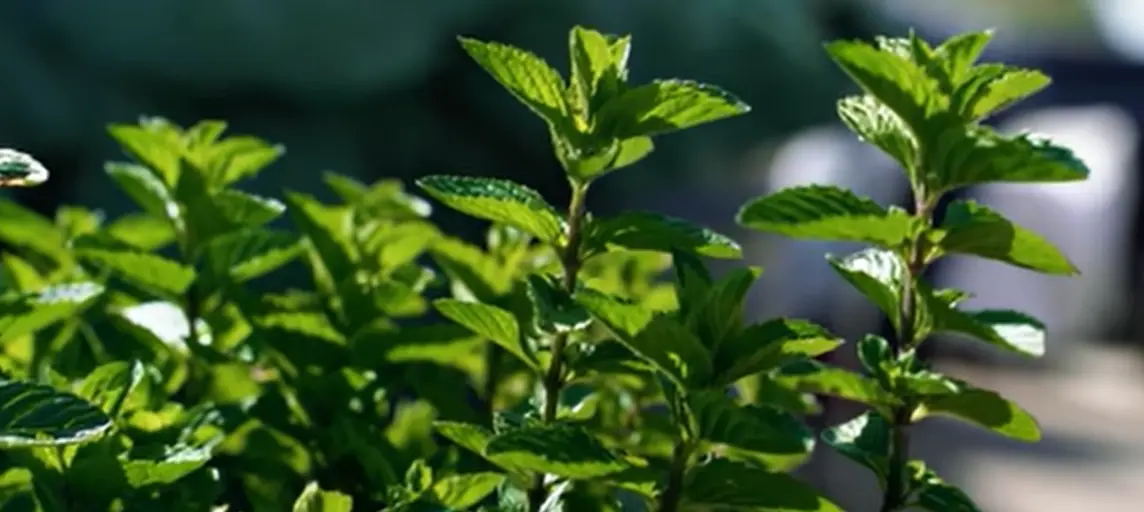
Are you ready to add fresh, fragrant mint to your garden or kitchen? Mint Planting Guide for Beginners makes it easy to grow healthy, lush mint, even if you’ve never planted a single herb before.
This guide will show you simple steps to help your mint thrive, so you can enjoy its refreshing taste whenever you want. Whether you want to boost your cooking, make herbal tea, or create a beautiful green space, this mint planting guide is made just for you.
Keep reading, and discover how to grow vibrant mint with confidence and ease.
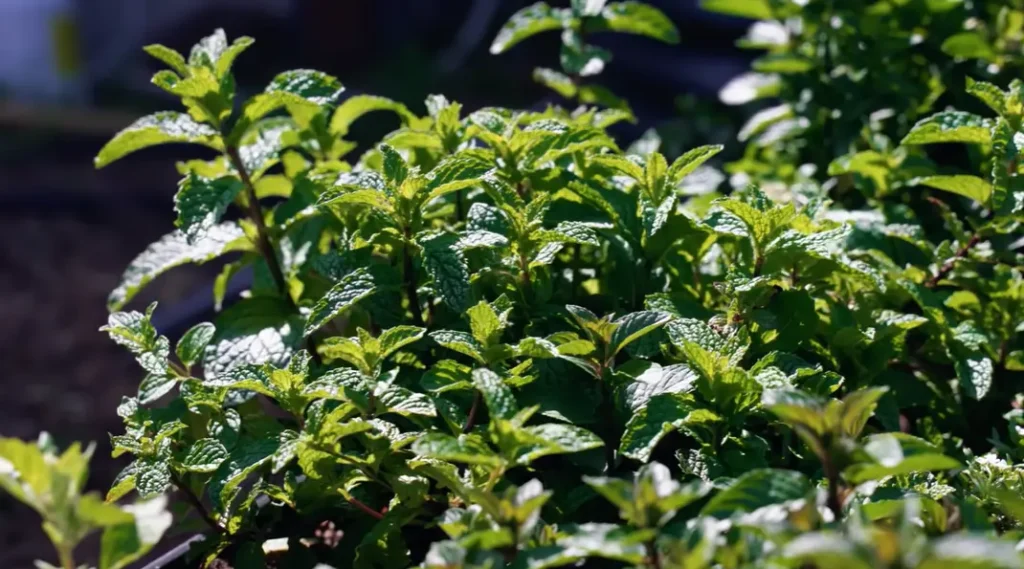
Choosing the right mint variety depends on your taste and growing space. Peppermint and spearmint are popular and easy to grow. Some types spread quickly, so pick one that suits your garden size.
Mint is a popular herb that grows fast and smells great. Picking the right type of mint helps your garden thrive. Different mint types have unique flavors and uses. Some mints grow better in certain climates and soils. Choosing the right variety saves time and effort. It makes your mint garden more enjoyable and productive.
Peppermint is strong and cooling. It’s great for teas and desserts. Spearmint has a sweeter, milder taste. It works well in salads and drinks. Chocolate mint has a hint of cocoa flavor. It adds a fun twist to recipes. Apple mint smells fruity and fresh. It brightens up salads and sauces. Each mint type offers a special aroma and taste.
Mint prefers cool, moist environments. Spearmint grows well in most climates. Peppermint needs cooler temperatures to thrive. In hot areas, plant mint in shade. Use pots to control growth and moisture. Mint can survive winter with mulch cover. Choose a variety that suits your weather. This helps mint stay healthy year-round.
Preparing the planting site is a key step for growing healthy mint plants. Mint grows best in the right soil and location. Taking time to prepare the site helps your mint thrive and spread well. You will enjoy fresh, fragrant mint leaves all season long.
Mint prefers rich, moist soil with good drainage. The soil should feel soft and crumbly. Avoid heavy clay soil that holds too much water. You can improve soil by mixing compost or organic matter. This boosts nutrients and helps retain moisture. Check soil pH; mint likes slightly acidic to neutral soil, around 6.0 to 7.0.
Choose a spot that gets partial to full sunlight. Mint grows well with about 4 to 6 hours of sun daily. Too much shade makes the plant weak and leggy. Avoid very hot, dry areas. Mint spreads fast, so plant it where it can expand. Consider using containers to control growth if space is limited.
Planting mint successfully starts with choosing the right method. Mint grows quickly but needs good care to thrive. The soil should be rich and moist. Mint also likes partial sun but can tolerate full sun or shade. Proper planting ensures healthy growth and strong flavor.
Two common ways to grow mint are from seeds or cuttings. Both have their benefits. Seeds take longer but offer many plants. Cuttings or transplants grow faster and are easier for beginners. Understanding each method helps you pick the best one.
Start mint seeds indoors to control temperature and light. Use a seed tray with moist potting soil. Press seeds lightly into the soil without covering them. Mint seeds need light to germinate. Keep the soil damp but not soggy.
Germination takes about 10 to 15 days. Once seedlings have two sets of leaves, thin them out. Transplant seedlings to bigger pots or directly into the garden. Space plants 12 to 18 inches apart. This gives them room to spread.
Cuttings or transplants grow faster than seeds. Take a 4-inch cutting from a healthy mint plant. Remove lower leaves and place the cutting in water. Roots form in 1 to 2 weeks. Plant the rooted cutting in moist soil.
Transplants from nurseries are ready to plant immediately. Choose strong, healthy plants. Space them 12 to 18 inches apart in your garden or pots. Water well after planting. Mulch around the plants to keep soil moist.
Watering and feeding are key to growing healthy mint plants. Mint loves moist soil but not soggy roots. Proper care helps mint grow strong and fresh.
Mint needs regular watering to keep the soil damp. Water the plant deeply once or twice a week. Let the top inch of soil dry out before watering again. Avoid waterlogging to stop root rot. Morning watering works best to prevent leaf diseases. Use a watering can or drip system for even moisture.
Feed mint plants with a balanced, all-purpose fertilizer. Apply fertilizer every four to six weeks during the growing season. Too much fertilizer can cause weak, leggy growth. Use organic options like compost or fish emulsion for best results. Light feeding keeps mint lush and flavorful. Always follow package instructions to avoid overfeeding.
Mint is a fast-growing herb that spreads quickly. Controlling its growth helps keep your garden tidy. It stops mint from taking over other plants. There are simple ways to manage its spread effectively.
Plant mint in containers to control its growth. Containers stop roots from spreading underground. Choose pots with good drainage holes. Use wide and shallow containers for best results. Place containers on patios or balconies for easy care.
Container planting limits mint’s space to grow. It keeps the herb healthy and contained. This method also makes harvesting easier. You can move the containers to get more sunlight.
Regular pruning keeps mint plants healthy and neat. Cut back stems to just above leaf nodes. This encourages bushier growth and stops legginess. Remove flowers to prevent seed spread and unwanted growth.
Prune mint every few weeks during growing season. Use clean, sharp scissors or garden shears. Pruning also boosts leaf production for cooking or tea. It helps maintain the plant’s shape and size.
Growing mint is fun but comes with some common problems. Pests and diseases can harm your plant. Knowing how to manage these issues helps keep your mint healthy. This guide covers simple ways to protect your mint from pests and diseases.
Mint attracts pests like aphids, spider mites, and whiteflies. These tiny bugs suck the plant sap. This causes leaves to curl and turn yellow. Check your plants often for these pests.
Use natural methods to control pests. Spray water on leaves to wash off bugs. Introduce ladybugs, which eat aphids. Neem oil is a safe spray to kill pests.
Remove heavily infested leaves quickly. Avoid using strong chemicals that may harm your mint. Keep the area around your mint clean and free of debris.
Mint can get fungal diseases like powdery mildew and rust. These cause white or orange spots on leaves. Good air flow around plants stops these diseases.
Water your mint early in the day. Avoid wetting the leaves. Use well-drained soil to prevent root rot. Remove and destroy infected leaves immediately.
Plant mint in a sunny spot to reduce moisture. Rotate your mint to new soil every few years. This lowers the chance of soil diseases.
Harvesting and using mint is a rewarding part of growing this fragrant herb. Picking mint at the right time keeps its flavor fresh and strong. Learning how to store mint helps you enjoy it longer. Mint is versatile in cooking, drinks, and even homemade remedies.
Harvest mint leaves before the plant flowers. Leaves are tastiest in the morning after dew dries. Cut stems about 1 inch above a leaf node. This encourages the plant to grow fuller and bushier. Harvest regularly to keep mint healthy and productive.
Store fresh mint leaves in a glass of water like a bouquet. Cover loosely with a plastic bag and keep in the fridge. For drying, tie mint stems in small bunches. Hang them upside down in a dark, dry place. Once dry, crumble the leaves and store in an airtight container. Both fresh and dried mint add flavor to many dishes.
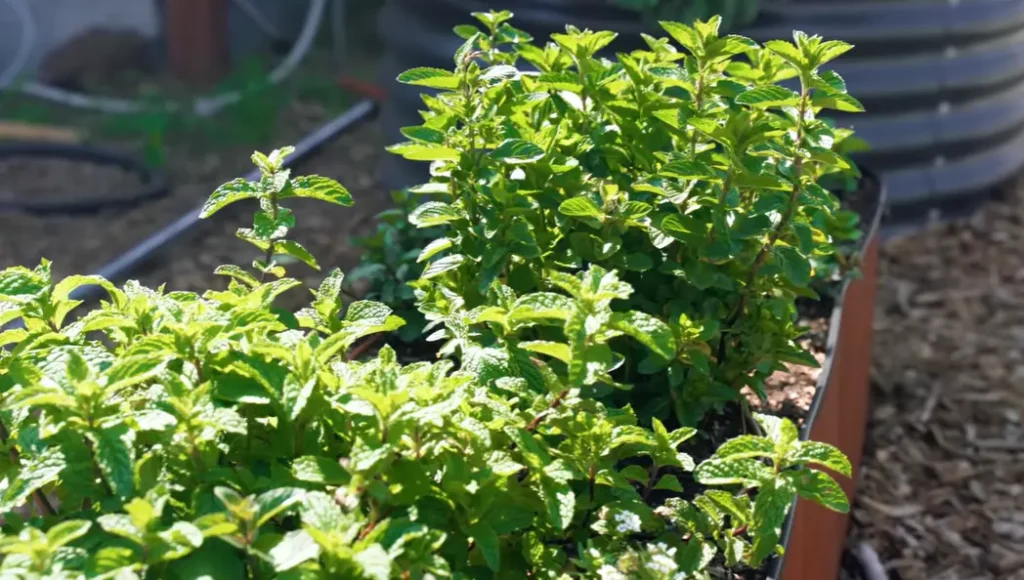
Choose a pot with good drainage and fill it with moist, well-drained soil. Plant mint cuttings or seedlings about 12 inches apart. Place the pot in a sunny or partly shady spot.
Mint grows well in rich, moist, and well-drained soil. A slightly acidic to neutral pH (6. 0-7. 0) is ideal. Avoid heavy clay or very sandy soils for better growth.
Water mint regularly to keep the soil moist but not soggy. Usually, watering every 2-3 days works well. Adjust watering during hot or dry weather.
Mint grows well both indoors and outdoors with enough light. Indoors, place it near a sunny window. Outdoors, plant it in a partly shaded or sunny area.
Plant mint in pots or use root barriers to control spreading. Regularly trim the plant to keep it healthy and contained. Mint can spread quickly if unchecked.
Growing mint is simple and fun for beginners. Choose a good spot with sunlight and water regularly. Mint spreads fast, so give it space to grow. Watch for pests and trim leaves often to keep it healthy. Fresh mint adds flavor to many dishes and drinks.
With a little care, your mint plant will thrive. Start today and enjoy the fresh aroma and taste. Gardening can bring joy and calm. Give mint a try in your garden!