Gardening Made Simple.

Want fresh, crunchy lettuce right at your fingertips? Learning How to Grow Lettuce in Pots makes it simple, even if you don’t have a big garden, allowing you to enjoy a continuous supply of crisp, healthy greens right from your balcony or patio.
Imagine picking vibrant greens from your own balcony or kitchen windowsill whenever you want. This guide will show you simple steps to grow healthy lettuce in pots, save money, and enjoy tastier salads. Ready to transform your space and your meals?
Keep reading to discover how you can start growing lettuce successfully today.
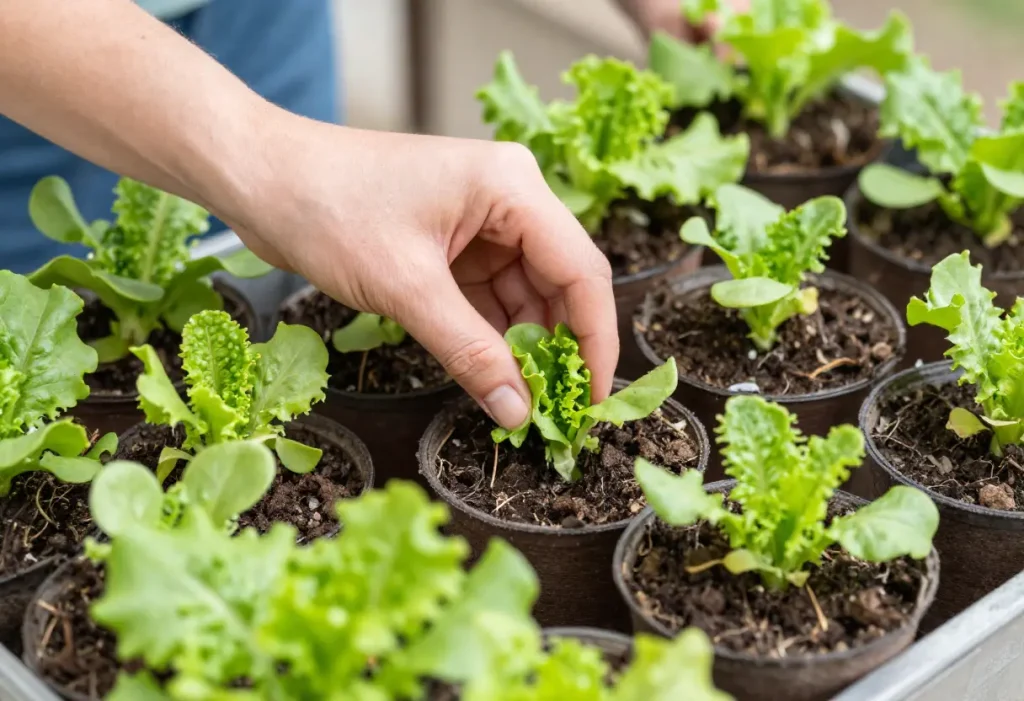
Choosing the right lettuce varieties is key to successful container gardening. Some types thrive better in pots than others. Picking the right kind saves space and effort. It also ensures you get fresh, tasty lettuce all season.
Leaf lettuce varieties grow well in pots. They need less space and mature quickly. Butterhead, oak leaf, and romaine types work great. These lettuces have loose leaves and shallow roots. They adapt easily to small containers. You can harvest leaves over time. This gives a steady supply for salads.
Compact head lettuces also fit in pots. Look for varieties labeled “mini” or “baby.” These include small butterhead and crisphead types. They form tight heads but stay small. They need deeper pots but still grow well in containers. These lettuces give a fresh, crunchy bite.
Leafy lettuce offers quick harvests and easy growth. Pick leaves as needed. The plant keeps growing for weeks. Leafy types fit well in small pots. They handle heat better than head lettuce.
Head lettuce grows slower and needs more space. It forms a dense, round head. Harvest the whole plant at once. Head lettuce needs cooler temperatures and more soil depth. It works well in bigger containers.
Choosing the right pots or containers is key to growing healthy lettuce in pots. The right size and material help lettuce grow strong roots and stay fresh. Good containers also make caring for your plants easier.
Pick pots at least 6 to 8 inches deep. Lettuce roots need space to spread. Small pots can stunt growth and reduce yield.
Plastic, ceramic, or terracotta pots work well. Plastic pots are light and hold moisture. Terracotta pots breathe well but dry faster.
Choose containers wide enough to hold several lettuce plants. This saves space and lets plants grow side by side.
Drainage holes are a must. They stop water from sitting at the bottom.
Too much water causes root rot and weak plants. Good drainage keeps roots healthy and oxygen-rich.
If your pot has no holes, drill some before planting. Adding a layer of gravel at the bottom helps water flow.
Preparing the soil mix is a key step to grow healthy lettuce in pots. Good soil helps roots grow well and keeps water balanced. Lettuce needs soil that drains well but also holds some moisture. The right soil mix creates a perfect home for your lettuce plants.
Start with a light potting mix made for vegetables. Use a mix of peat moss, coconut coir, and perlite. Peat moss or coir holds moisture without making the soil soggy. Perlite improves air flow and drainage. Avoid heavy garden soil that can stay too wet and harm roots.
Mix these ingredients evenly before filling your pots. This mix keeps lettuce roots healthy and prevents root rot. Make sure the pot has holes for water to drain out easily.
Lettuce needs nutrients to grow crisp and green. Mix in slow-release fertilizer or organic compost. Compost adds natural nutrients and improves soil texture. Fertilizer gives steady feeding over time.
A balanced fertilizer with nitrogen helps leaf growth. Avoid too much fertilizer or leaves may taste bitter. Light feeding every two weeks helps lettuce stay fresh and tasty.
Planting lettuce seeds or seedlings in pots is an easy way to enjoy fresh greens at home. Lettuce grows well in containers, making it perfect for small spaces. Choosing the right planting method helps lettuce grow strong and healthy.
Plant lettuce seeds about 1/4 inch deep in the soil. This shallow depth helps seeds sprout quickly. Space seeds or seedlings 6 to 8 inches apart. Proper spacing lets air flow and prevents crowding. Crowded plants can lead to weak growth and disease.
Start lettuce seeds indoors to get a head start during cooler months. Use seed trays or small pots and keep soil moist. Move seedlings outdoors after they grow 3 to 4 leaves. Direct sowing seeds outdoors works well in mild weather. Outdoor planting saves time but needs good soil and water.
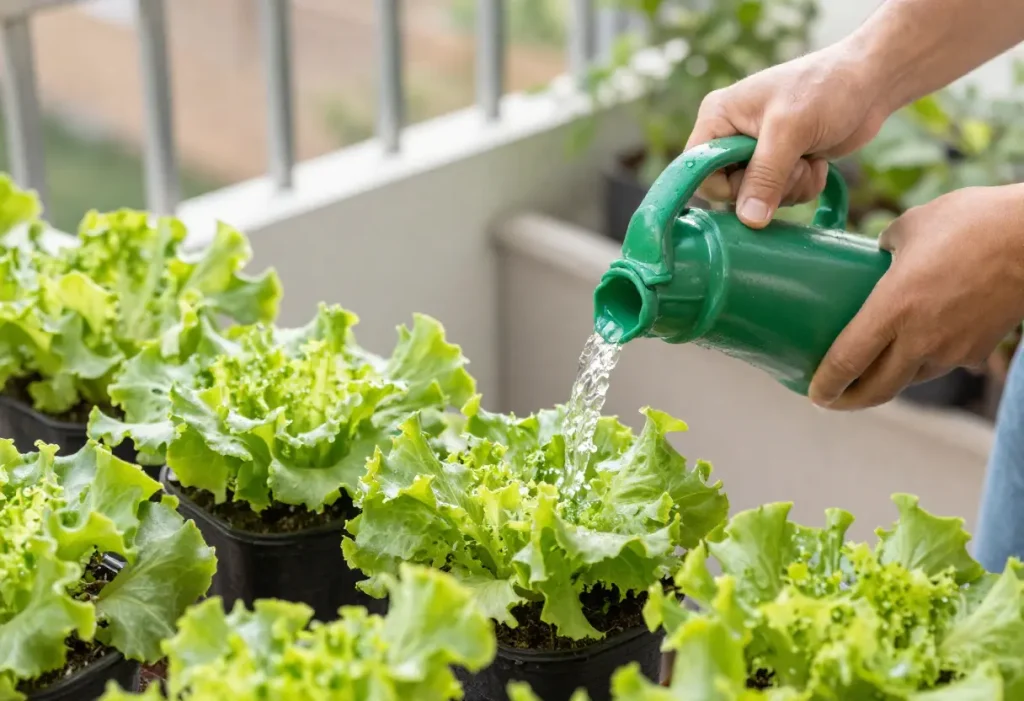
Watering and moisture control are key to growing healthy lettuce in pots. Lettuce needs just the right amount of water to thrive. Too little water makes the leaves wilt and turn bitter. Too much water can cause root rot and other problems. Understanding how to keep the soil moist but not soggy helps your lettuce grow strong and fresh.
Lettuce prefers soil that stays evenly moist. Check the soil daily by touching the top inch. Water gently whenever it feels dry. Use a watering can with a fine spout to avoid washing away soil. Small, frequent watering sessions work better than deep, infrequent ones. This method keeps moisture steady and roots happy.
Overwatering can harm lettuce plants quickly. Signs include yellowing leaves and soft stems. Make sure pots have drainage holes to let excess water escape. Avoid letting water pool at the bottom. Use light soil that drains well to prevent soggy roots. Water only after the top soil dries slightly to keep lettuce healthy and fresh.
Providing adequate light is essential for growing healthy lettuce in pots. Lettuce needs enough light to grow leaves that are crisp and fresh. Without good light, lettuce may grow slowly or become weak and leggy.
Light helps lettuce make food through photosynthesis. This process is vital for strong growth and good flavor. Understanding how much light lettuce needs can improve your success in container gardening.
Lettuce grows best with at least 6 hours of direct sunlight daily. Morning sun is gentler and ideal for lettuce leaves. Too much hot afternoon sun can cause leaves to wilt or taste bitter. Place pots where they get enough light but some shade in hot afternoons helps.
South or east-facing windows work well for indoor pots. Outdoor pots should be moved to follow the sun if needed. Watch the plants each day to ensure they are not in deep shade.
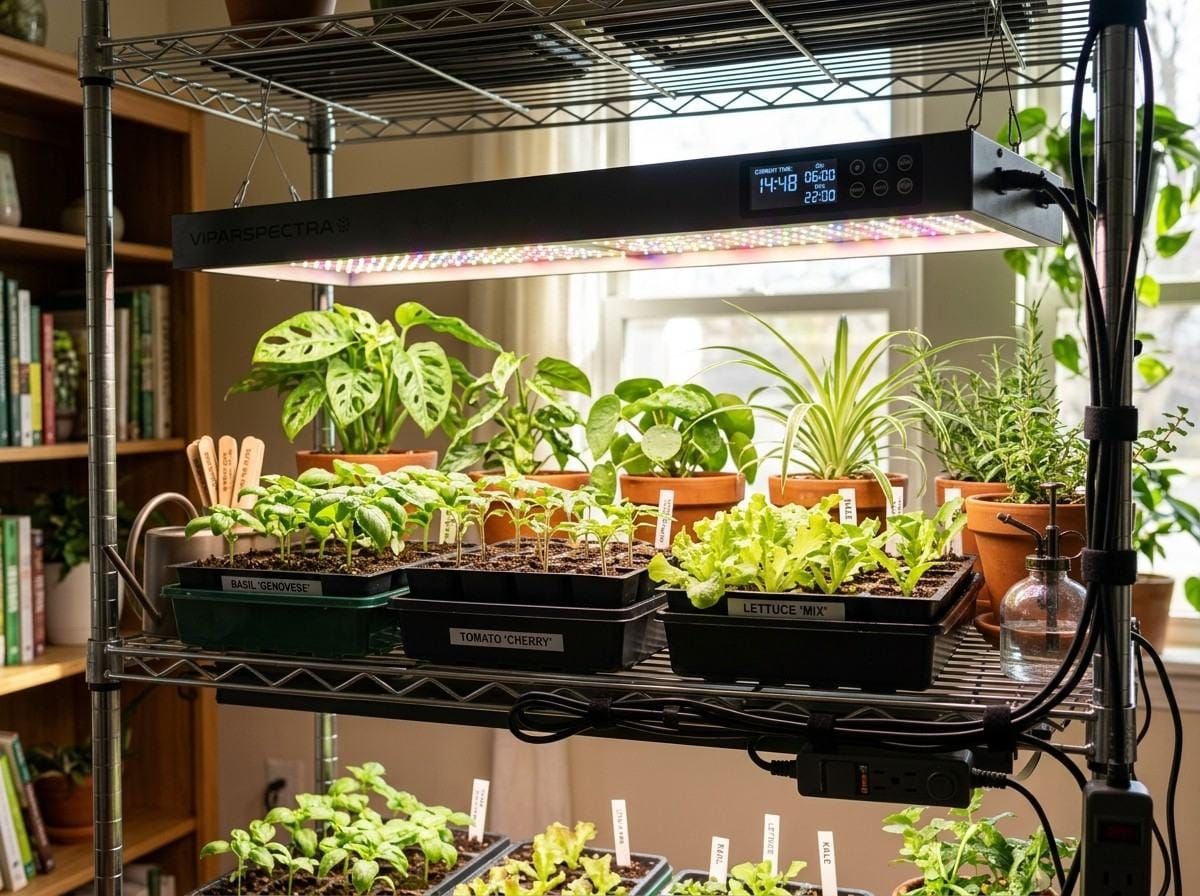
Grow lights help when sunlight is not enough. They provide the light spectrum lettuce needs to grow well. Use LED or fluorescent lights designed for plants. Keep lights 6 to 12 inches above the lettuce leaves.
Set grow lights on a timer for 12 to 16 hours daily. This mimics natural daylight and supports steady growth. Check the light intensity regularly and adjust height if leaves look pale or stretched.
Temperature and climate play a big role in growing healthy lettuce in pots. Lettuce prefers cool weather and can struggle in very hot or cold conditions. Understanding the right temperature and how to protect your plants helps them grow strong and fresh.
Lettuce grows best in temperatures between 60 and 70 degrees Fahrenheit. Cooler nights help lettuce stay crisp and prevent it from turning bitter. Avoid planting lettuce when the weather is too hot, above 75 degrees. Warm weather can cause lettuce to bolt, making leaves tough and bitter. Use a thermometer to check the temperature near your pots for best results.
Extreme heat can dry out lettuce quickly. Move pots to shaded areas during hot afternoons. Use light fabric covers to shield plants from strong sun rays. In cold weather, protect lettuce by moving pots indoors or to a sheltered spot. Covering plants with frost cloth helps keep them safe from freezing temperatures. Watch weather reports and act fast to protect your potted lettuce.
Fertilizing is key for growing healthy lettuce in pots. Lettuce needs nutrients to grow fast and stay fresh. Without proper feeding, leaves may turn yellow or grow slowly.
Choosing the right fertilizer helps lettuce get the right balance of nutrients. Feeding at the right time keeps the soil rich and plants strong. Let’s explore the types of fertilizers and feeding schedules.
Organic fertilizers come from natural sources like compost or manure. They improve soil health and release nutrients slowly. Organic options are gentle and safe for small pots. They support beneficial soil microbes that help lettuce grow.
Synthetic fertilizers are made from chemical compounds. They provide nutrients quickly and in precise amounts. These fertilizers are easy to use for fast results. Overuse can harm plants or cause salt build-up in soil.
Choose organic for long-term soil health. Use synthetic for quick nutrient boosts. Combining both types can work well if done carefully.
Start feeding lettuce two weeks after planting seeds or seedlings. Use a diluted fertilizer to avoid burning roots. Feed plants every 1 to 2 weeks during the growing season.
Water the soil before applying fertilizer. This helps nutrients soak in evenly. Avoid feeding lettuce in very hot weather to prevent stress.
Watch for yellow leaves or slow growth. These signs mean lettuce needs more nutrients. Adjust feeding amounts based on plant health and pot size.
Growing lettuce in pots is simple but pests and diseases can cause trouble. Managing these problems early keeps your lettuce healthy. Watch your plants often for signs of damage or illness. Clean pots and soil help prevent many issues. Using natural methods protects the environment and your plants.
Aphids, slugs, and whiteflies are frequent pests in container lettuce. They suck sap and damage leaves quickly. Powdery mildew and leaf spot are common diseases in pots. These spread fast in damp conditions and crowded plants. Poor air circulation in pots can worsen these problems. Overwatering often leads to root rot and fungal growth.
Use insecticidal soap or neem oil to control pests safely. Hand-pick slugs and remove them from plants. Encourage beneficial insects like ladybugs to eat harmful pests. Water in the morning to reduce moisture on leaves. Space pots apart to improve airflow and reduce disease risk. Use clean tools and remove dead leaves regularly to stop spread.
Harvesting your lettuce crop is an exciting step. It shows your hard work has paid off. Knowing the right time and method to harvest helps keep the plants healthy. It also ensures you get fresh, tasty leaves for your meals.
Pick lettuce leaves when they look big and healthy. The size depends on the type of lettuce. Most lettuces are ready to harvest in 30 to 60 days. Look for firm, crisp leaves that feel fresh. Avoid leaves that are yellow or wilted.
Harvest in the morning for the best flavor. The leaves hold more water and taste better. Don’t wait too long; lettuce can turn bitter if overgrown. Harvest before the plant flowers to keep leaves tender.
Use the “cut and come again” method. Cut outer leaves about an inch above the base. Leave the inner leaves to grow more. This way, the plant keeps producing fresh leaves.
Harvest regularly, every few days. This encourages new growth and stops the plant from bolting. Use clean scissors or a sharp knife for cutting. Handle leaves gently to avoid bruising.
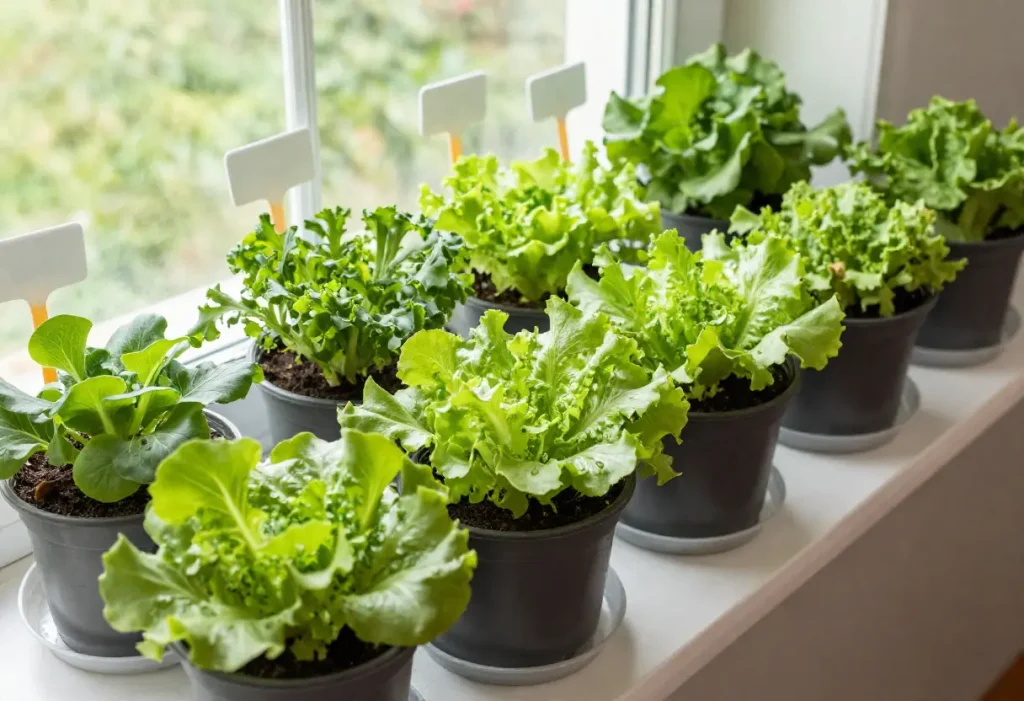
Lettuce needs about 6 hours of sunlight daily to grow well in pots. Choose a sunny spot but avoid harsh afternoon sun to prevent wilting.
Use light, well-draining soil rich in organic matter for lettuce. Avoid heavy or clay soils that can hold too much water.
Water lettuce regularly to keep soil moist but not soaked. Usually, watering every 1-2 days works, depending on weather and pot size.
Yes, small pots about 6-8 inches deep work fine for lettuce. Make sure the pot has good drainage holes to avoid root rot.
Lettuce usually takes 30 to 60 days to be ready for harvest. You can pick outer leaves early or harvest the whole head at once.
Growing lettuce in pots is simple and rewarding. Choose a pot with good drainage and use quality soil. Water regularly, but do not overwater. Place your pots where lettuce gets enough sunlight. Watch for pests and remove them quickly. Harvest leaves when they look fresh and green.
Fresh lettuce from your pot tastes better than store-bought. Enjoy gardening, even in small spaces. Start small and learn as you go. Pot-grown lettuce adds freshness to any meal. Try it today and see the joy of home gardening.