Gardening Made Simple.
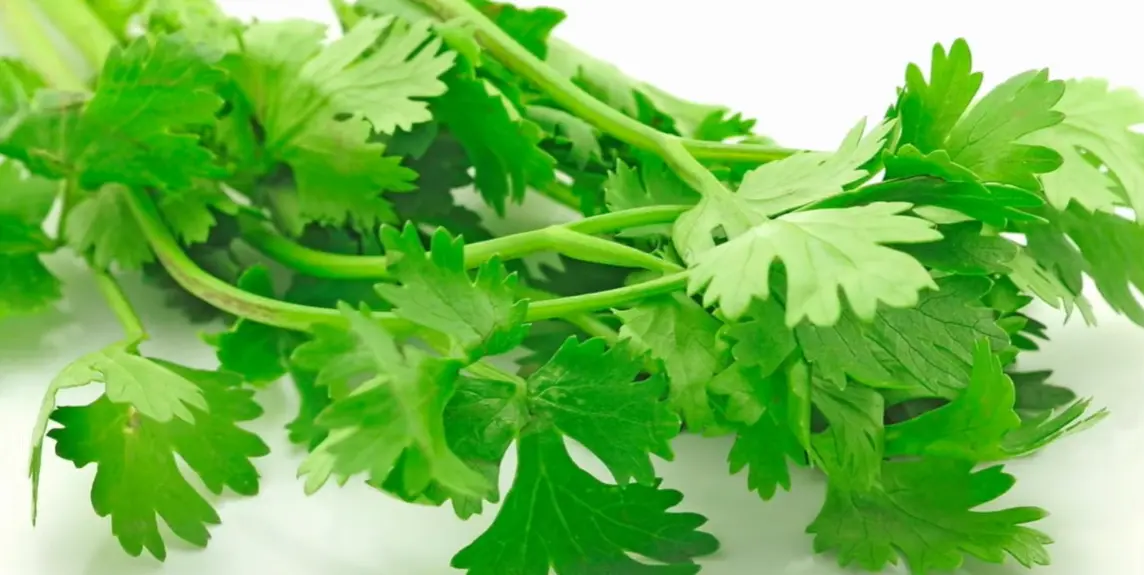
Are you ready to bring fresh flavors and vibrant greens right to your kitchen? Herb Vegetables Growing Guide for Beginners makes it easy to start growing herbs, even if you’ve never planted a seed before.
Imagine having your own supply of fragrant basil, crisp parsley, or zesty cilantro just a few steps away. This guide will show you simple, practical tips to help your herbs thrive—no green thumb needed. Keep reading, and you’ll discover how to turn a small space into your personal herb garden, saving money and adding incredible taste to your meals every day.
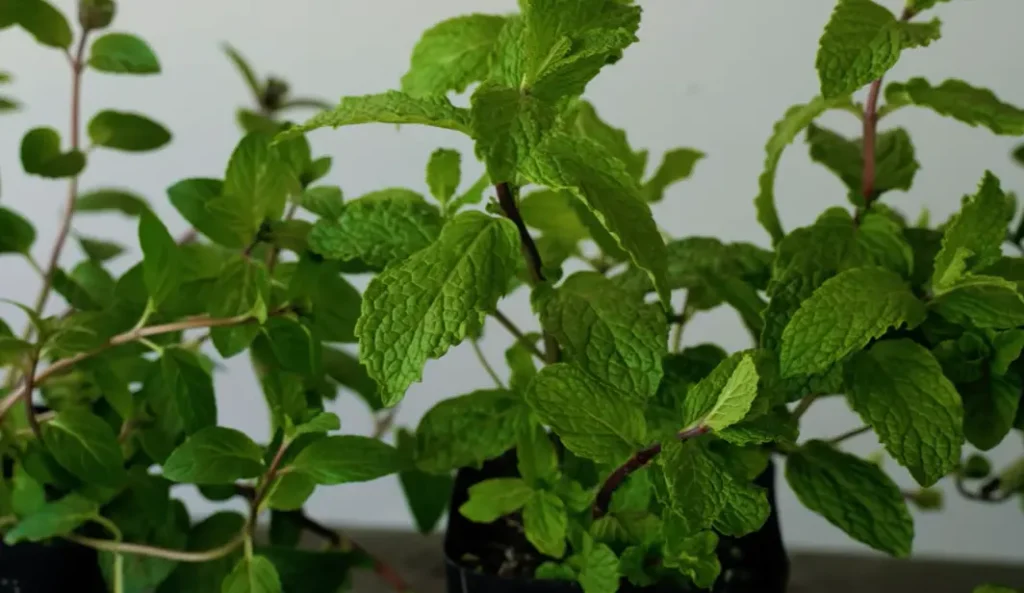
Choosing the right herbs is the first step in growing a successful herb garden. Different herbs have different needs. Some grow well indoors, while others prefer outdoor spaces. Picking herbs that fit your space and climate makes growing easier and more enjoyable. This guide helps beginners select herbs that are easy to care for and thrive in their conditions.
Basil, mint, and parsley are great for beginners. These herbs grow quickly and need little care. They adapt well to pots or garden beds. Chives and thyme also do well for new gardeners. These herbs are forgiving of small mistakes and still produce good leaves.
Some herbs do better indoors. Basil, chives, and mint grow well inside with enough light. Indoor growing protects herbs from pests and weather. Outdoor herbs like rosemary and thyme need full sun and space. Outdoor gardens give herbs more room to spread and grow strong.
Herbs need the right climate to thrive. Warm climates suit basil and oregano. Cooler climates work better for parsley and chives. Check your local weather before planting. Choose herbs that match your area's temperature and rainfall. This helps your herbs stay healthy and grow well.
Preparing your garden space is the first step in growing healthy herb vegetables. A well-prepared space helps plants grow strong and produce better yields. It also makes gardening easier and more enjoyable. Focus on choosing the right containers, soil, sunlight, and drainage. These factors create the perfect environment for your herbs.
Choose containers that fit the size of your herbs. Small herbs like basil need small pots, while larger ones like rosemary need bigger containers. Use pots with holes at the bottom for water to escape.
Use high-quality potting soil. It should be light and drain water well. Avoid garden soil, which can hold too much water and cause root problems.
Herb vegetables need plenty of sunlight. Most herbs grow best with 6 to 8 hours of direct sun daily. Pick a garden spot or balcony where the sun shines well. Without enough light, herbs become weak and grow slowly.
Drainage prevents water from sitting in the soil. Standing water can harm roots and cause plants to die. Make sure containers have holes at the bottom. Add small stones or broken pots inside the container to improve drainage.
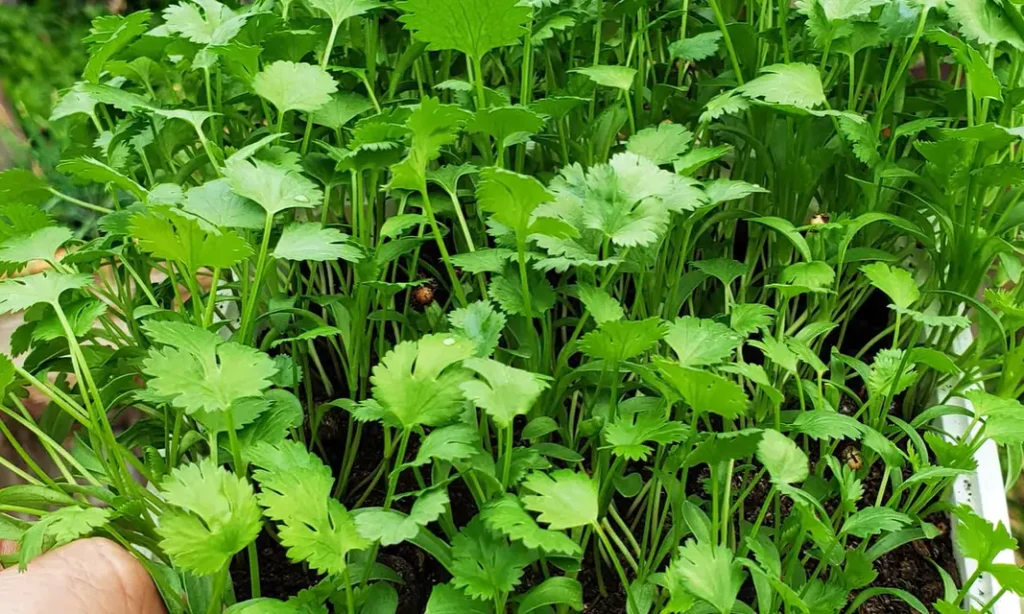
Planting your herb vegetables is the first step to a fresh and useful garden. Good planting helps herbs grow strong and healthy. It sets the stage for a good harvest later.
Knowing how to plant herbs correctly saves time and effort. It also ensures your plants get the best start possible.
Herbs can start from seeds or seedlings. Seeds are cheaper and offer more choices. They need patience and careful care. Seedlings are young plants. They grow faster and are easier to handle. Choose the option that fits your schedule and garden space.
Plant herbs with enough space between them. Crowded plants may not grow well. Check seed packets for exact spacing needs. Plant seeds or seedlings at the right depth. Too deep or too shallow can harm growth. A good rule is to plant seeds twice as deep as their size.
Water herbs gently after planting. Keep the soil moist but not soggy. Use a spray or gentle watering can. Water in the morning to help leaves dry. This avoids diseases. Adjust watering based on weather and soil type.
Caring for your herbs is key to growing healthy plants. Herbs need regular attention to thrive. Simple care routines keep them vibrant and flavorful. Focus on feeding, trimming, and protecting your herbs. These steps help them grow strong and last longer.
Herbs need nutrients to grow well. Use a balanced, gentle fertilizer every four to six weeks. Too much fertilizer can harm herbs. Organic options like compost tea work great. Always follow package instructions for the best results.
Regular pruning keeps herbs bushy and full. Trim the top leaves to encourage new growth. Harvest leaves in the morning for best flavor. Avoid cutting more than one-third of the plant at once. This helps herbs stay healthy and produce more.
Check herbs often for pests like aphids or spider mites. Use mild soap spray to remove bugs safely. Remove any diseased or damaged leaves quickly. Keep plants spaced well to improve air flow. Healthy plants resist pests and diseases better.
Harvesting and using herbs is a rewarding part of growing your own garden. Picking herbs at the right time keeps their flavor strong and fresh. Proper storage helps keep herbs tasty for days. Using fresh or dried herbs can improve many simple dishes.
Pick herbs early in the morning after dew dries. This time has the best oil content and flavor. Cut herbs just before they start to flower. Avoid harvesting more than one-third of the plant at once. Regular trimming encourages new growth and keeps plants healthy.
Wrap herbs in a damp paper towel for freshness. Place them in a plastic bag inside the fridge. Some herbs, like basil, do better at room temperature in water. Dry herbs by hanging them upside down in a dark, dry place. Store dried herbs in airtight containers away from light.
Use fresh basil in a tomato and mozzarella salad. Add chopped parsley to scrambled eggs for extra flavor. Mix chopped mint into lemonade for a refreshing drink. Sprinkle thyme or rosemary on roasted vegetables. Fresh herbs can brighten soups, sauces, and even snacks.
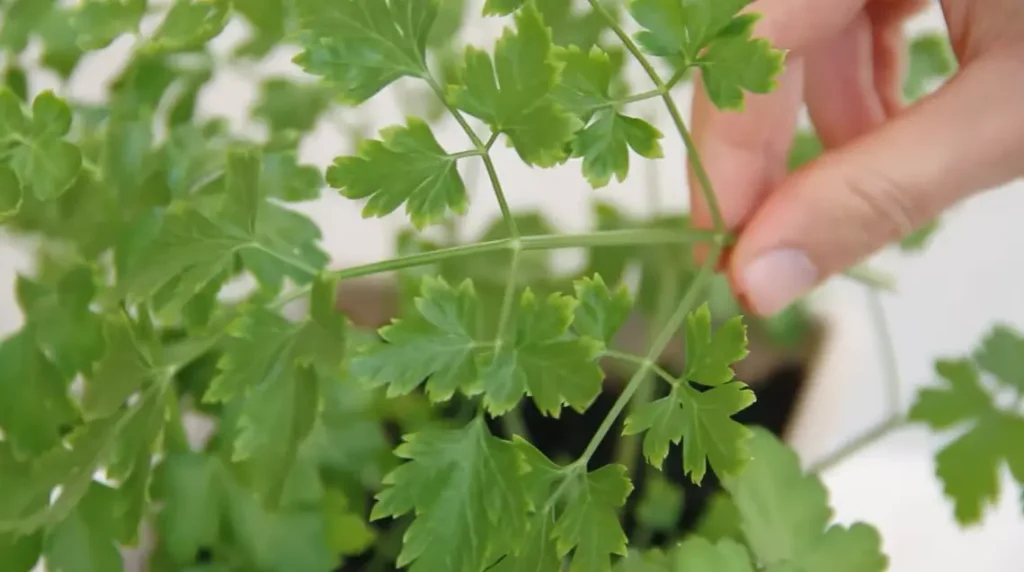
Troubleshooting common problems helps keep your herb vegetables healthy and growing strong. Small issues can stop your plants from thriving. Catching problems early saves time and effort. Below are simple tips to fix usual troubles.
Yellow leaves often mean your herb plants need help. Too much water can drown roots and cause yellowing. Check soil moisture before watering again. Lack of nutrients also causes leaves to turn yellow. Use a balanced fertilizer to feed your plants. Poor light makes leaves pale. Move plants to a brighter spot for better growth.
Wilting shows your herbs are stressed. Dry soil is a common cause. Water plants deeply and regularly. Overwatering can also lead to wilting by rotting roots. Ensure pots have good drainage. Hot weather makes plants lose water fast. Provide shade during the hottest part of the day. Healthy roots keep leaves firm and green.
Pests harm herb vegetables by eating leaves and stems. Watch for tiny bugs like aphids or spider mites. Remove pests by spraying water or using insecticidal soap. Encourage helpful insects like ladybugs to control pests naturally. Keep plants clean and remove damaged leaves. Early action stops pests from spreading quickly.
Basil, parsley, and chives are simple herbs to start with. They need little care and grow well in pots or gardens. Perfect for beginners.
Most herbs need 6 to 8 hours of sunlight each day. A sunny window or outdoor spot works best. Too little light slows their growth.
Water herbs when the top inch of soil feels dry. Usually, this means watering every 2 to 3 days. Avoid overwatering to prevent root rot.
Yes, herbs like mint, thyme, and oregano grow well indoors. Use small pots and place them near a bright window. Good air flow helps too.
Herbs prefer well-drained, light soil with some organic matter. A mix of potting soil and sand works well. Avoid heavy, waterlogged soil.
Growing herb vegetables can be simple and fun for beginners. Start with easy plants like basil, mint, or parsley. Give them enough sunlight and water every day. Watch how they grow and enjoy fresh herbs in your meals. Small steps lead to a green and healthy garden.
Keep learning and trying new herbs. Soon, you will have a lovely herb garden right at home. Gardening brings joy and fresh flavors to your life. Ready to dig in and grow your own herbs?