Gardening Made Simple.
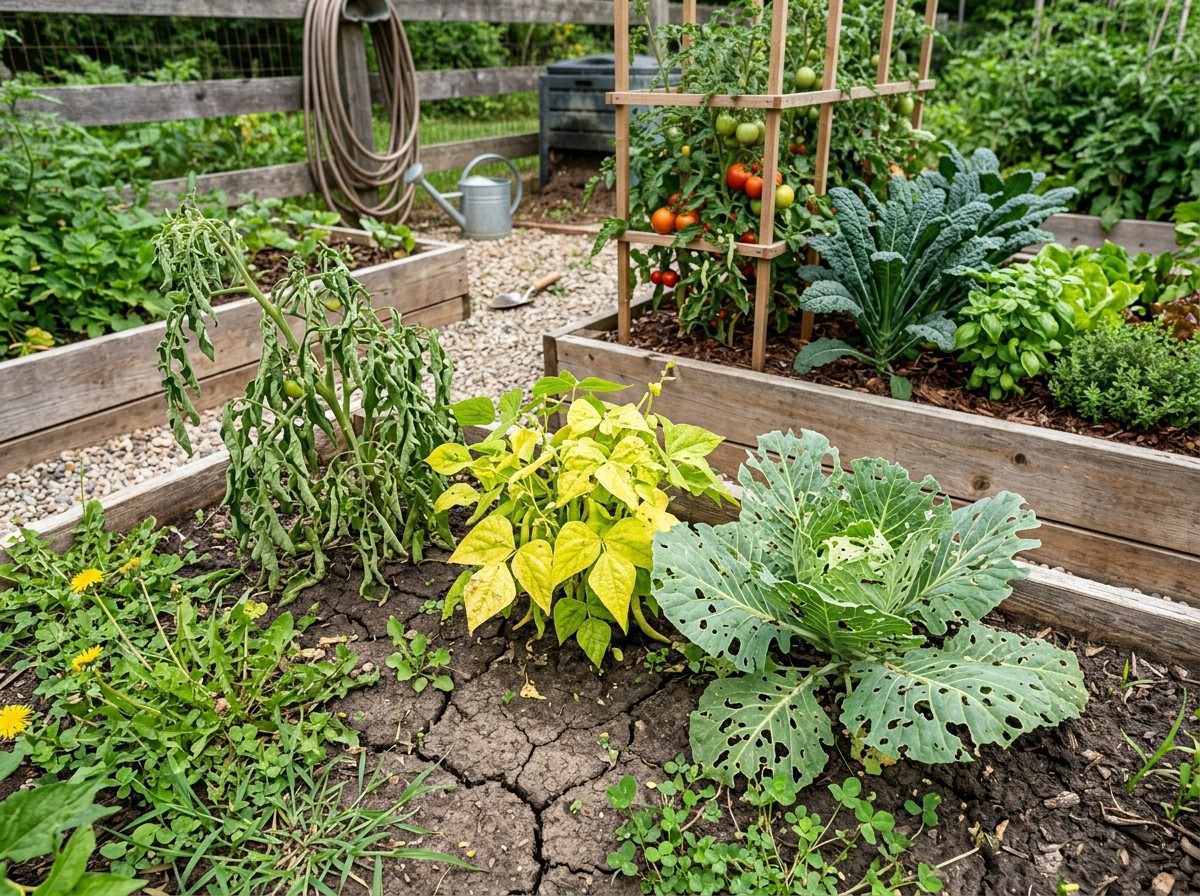
Are you tired of seeing your vegetable garden struggle despite your best efforts? You’re not alone. Common Vegetable Garden Problems And Solutions can help you identify issues such as pests, diseases, nutrient deficiencies, poor watering, and slow growth. This guide explains the most common challenges gardeners face and shares practical solutions to help you maintain healthier plants and enjoy a more productive vegetable garden.
Every gardener faces challenges that can turn a promising patch of soil into a source of frustration. But what if you could spot these common problems early and fix them before they ruin your harvest? You’ll discover simple, effective solutions to keep your garden healthy and thriving.
Keep reading, and you’ll learn how to protect your plants, save time, and enjoy the fresh veggies you’ve worked so hard to grow.
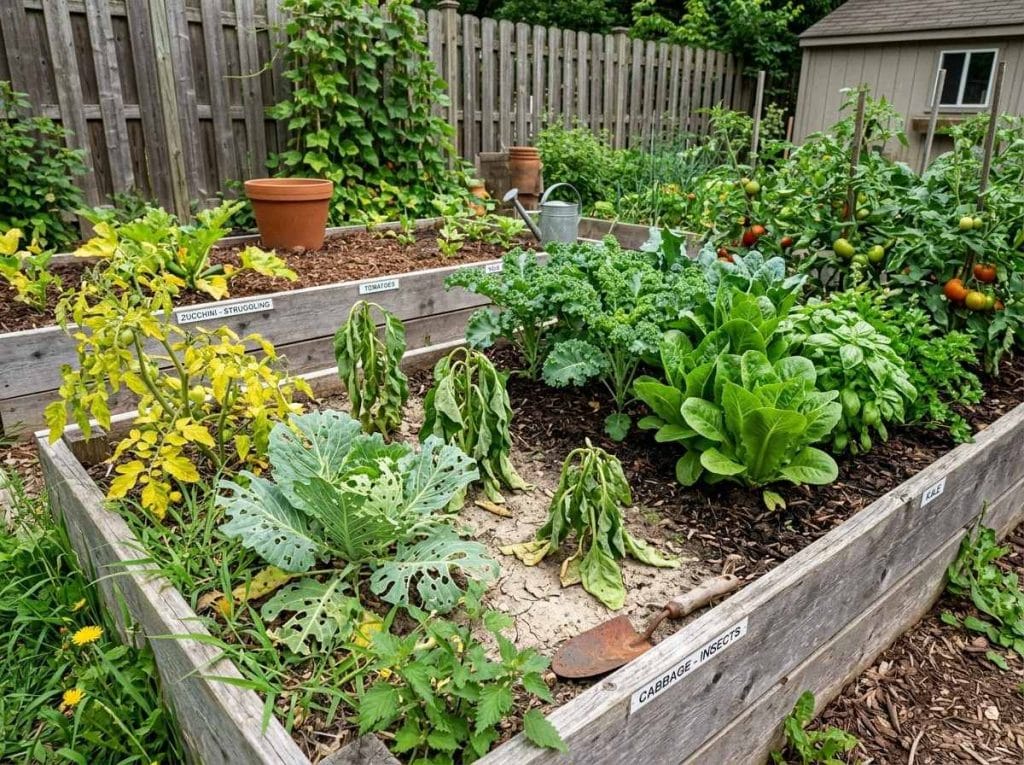
Pest infestations can damage your vegetable garden fast. Bugs eat leaves, stems, and fruits. They reduce plant growth and lower your harvest. Early detection helps save your plants. Knowing pests and their habits is key. You can protect your garden without harsh chemicals.
Look for signs like holes in leaves or sticky residue. Aphids are small, soft insects that cluster on new growth. Caterpillars chew big holes in leaves. Slugs and snails leave slimy trails and holes. Spider mites create tiny webs on plants. Whiteflies fly up when you touch leaves. Recognize these pests early to act quickly.
Use ladybugs and lacewings to eat harmful insects. Spray plants with soapy water to remove aphids. Plant marigolds or garlic near vegetables to repel pests. Handpick larger bugs like caterpillars and slugs. Keep your garden clean by removing dead leaves and weeds. Healthy plants resist pests better and grow strong.
Choose pesticides labeled safe for vegetables. Follow instructions carefully to avoid harming plants. Apply chemicals in the early morning or late evening. Wear gloves and protective clothing during application. Avoid spraying on windy days to prevent drift. Store chemicals away from children and pets. Use chemicals only when natural methods fail.
Soil issues are a common challenge in vegetable gardens. Poor soil can stunt plant growth and reduce yields. Understanding soil problems helps gardeners fix them quickly. Healthy soil supports strong roots and nutrient uptake. Let’s explore how to recognize and improve soil quality.
Poor soil often looks dry, hard, or clumpy. Plants may have yellow leaves or grow slowly. Soil that drains too fast or stays soggy causes trouble. Check for pests or diseases hiding in the soil. Smell the soil; a bad odor means poor health.
Adding compost enriches soil with nutrients. Organic matter like leaves or grass clippings helps too. Rotate crops to avoid nutrient depletion. Use natural fertilizers to feed plants safely. Regularly loosening soil improves air and water flow.
Soil pH affects nutrient availability for plants. Most vegetables prefer pH between 6.0 and 7.0. Test soil with a simple kit to know its pH. Add lime to raise pH if soil is too acidic. Use sulfur to lower pH if soil is too alkaline.
Plant diseases can harm your vegetable garden and reduce your harvest. These diseases come from fungi, bacteria, or viruses. Spotting and managing these problems early keeps plants healthy. Healthy plants grow better and give more vegetables.
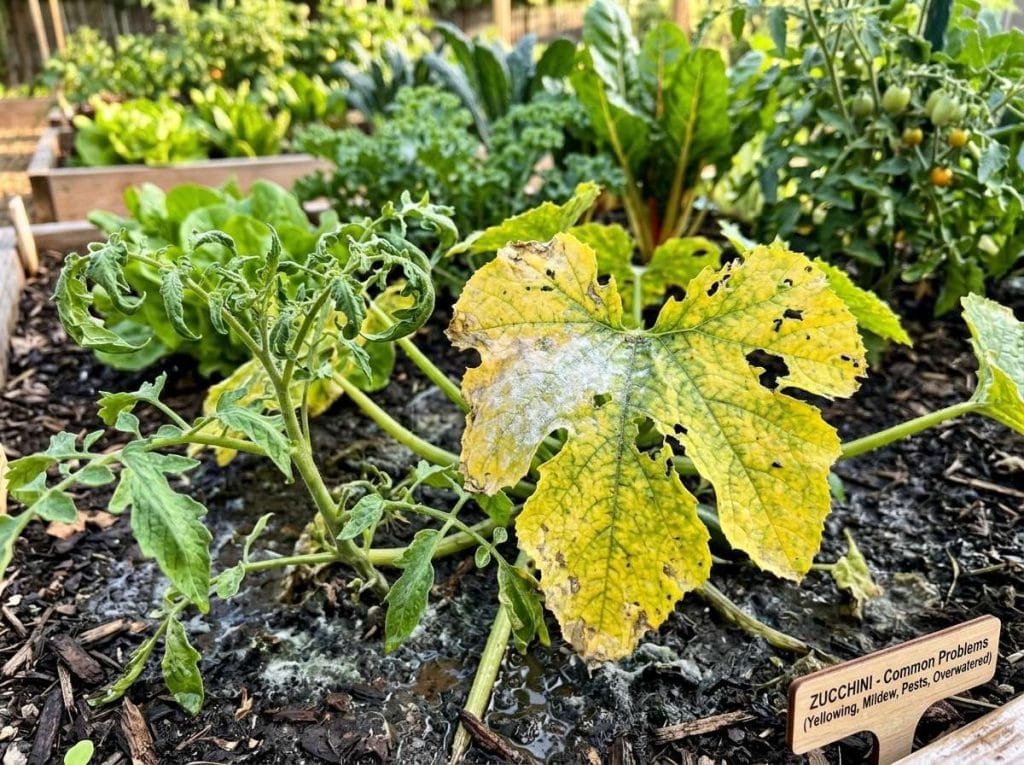
Look closely at leaves, stems, and fruit. Yellow spots, holes, or wilting can signal disease. Dark or powdery patches often mean fungal infection. Sticky or discolored leaves may show bacterial problems. Early signs are small. Check plants every few days. Catching disease early helps stop it fast.
Fungi grow in wet, warm places. Avoid watering leaves; water plants at the base. Space plants apart for good air flow. Remove dead leaves and debris from the garden. Use mulch to keep soil dry on top. Fungicide sprays can protect plants if infection starts. Clean tools to stop spreading fungi.
Bacteria and viruses spread through insects, tools, and water. Remove infected plants quickly to stop spread. Wash hands and tools after touching sick plants. Control insects with natural sprays or barriers. Avoid working in garden when plants are wet. Use disease-resistant plant varieties for better protection.
Watering is a key part of growing healthy vegetables. Too much or too little water can harm plants. Many gardeners face watering problems that reduce their garden’s success. Understanding common watering challenges can help keep vegetables strong and productive.
Overwatering can drown roots and cause rot. Leaves may turn yellow and fall off. Underwatering makes plants dry and weak. Soil looks cracked and feels hard. Watch plants closely and check soil moisture. Water only when the top inch of soil feels dry. Use a small stick or finger to test soil depth.
Drip irrigation delivers water directly to plant roots. This saves water and reduces leaf diseases. Soaker hoses work well for rows of vegetables. Water early in the morning to reduce evaporation. Avoid watering at night to prevent fungal problems. Mulching helps keep soil moist longer and cuts down watering needs.
Waterlogged soil stops air from reaching roots. Plants may wilt even if soil is wet. Raised beds improve drainage and stop waterlogging. Add organic matter like compost to loosen heavy soil. Create small channels to help excess water drain away. Avoid walking on wet soil to prevent compaction.
Weeds are one of the biggest challenges in vegetable gardening. They steal nutrients, water, and sunlight from your plants. Controlling weeds keeps your garden healthy and helps vegetables grow better. Regular care and simple methods make weed control easier and more effective.
Some weeds grow fast and spread quickly. Dandelions have deep roots and yellow flowers. Crabgrass grows low and spreads wide. Bindweed twists around plants and climbs fences. These weeds compete with vegetables for resources. Knowing which weeds appear helps plan the right control method.
Pulling weeds by hand works well for small gardens. Remove the entire root to stop regrowth. Using a hoe breaks weed roots below soil. Work the soil gently to avoid harming vegetables. Regular weeding prevents weeds from seeding and spreading. Mechanical tools save time for larger areas.
Mulch blocks sunlight, stopping weed seeds from sprouting. Organic mulch includes straw, leaves, and grass clippings. It also keeps soil moist and cool. Spread mulch around plants, about 2 to 3 inches thick. Mulch reduces the need for frequent weeding. It also improves soil health over time.
Weather can change quickly and affect your vegetable garden. Plants may suffer from cold, heat, or strong winds. These problems can slow growth or even kill your crops. Knowing how to protect your plants helps keep your garden healthy.
Frost can damage leaves and stems. Cover plants with cloth or frost blankets at night. Use old sheets or lightweight fabric to keep frost away. Remove covers during the day to let sunlight in. Water plants before frost to keep soil warm. Move potted plants indoors if frost is expected.
Too much heat can dry out plants quickly. Provide shade using cloth or garden netting during hottest hours. Mulch soil to keep moisture and cool roots. Water plants early in the morning or late evening. Avoid watering in the midday sun to prevent leaf burn.
Strong winds can break stems and dry plants fast. Use stakes or cages to support tall plants. Plant windbreaks like shrubs or fences around your garden. Group plants close to reduce wind impact. Check plants daily for any damage and fix supports.
Nutrient deficiencies are common problems in vegetable gardens. Plants need nutrients to grow healthy and produce well. Without enough nutrients, plants show signs of stress. This can reduce your garden’s yield and quality. Understanding nutrient deficiencies helps keep your garden thriving.
Yellow leaves often mean nitrogen is low. Leaves may turn pale or yellow from the tip inward. Purple or reddish leaves can signal phosphorus deficiency. Stunted growth and poor fruit development also point to low phosphorus. Yellowing between leaf veins usually shows iron deficiency. Weak stems and curled leaves may indicate potassium shortage. Spotting these signs early helps fix problems quickly.
Choosing the right fertilizer depends on your soil and plants. Balanced fertilizers provide nitrogen, phosphorus, and potassium. You can find fertilizers for specific needs too. Apply fertilizer according to package directions. Over-fertilizing can harm plants and the environment. Water plants after fertilizing to help nutrients soak in. Regular soil tests guide the best fertilizer use.
Organic nutrients come from natural sources like compost and manure. They improve soil health and release nutrients slowly. Synthetic fertilizers supply nutrients quickly but may harm soil life. Organic options support long-term garden health. Synthetic fertilizers work well for fast nutrient boosts. Choosing depends on your garden goals and care preferences.
Plant growth issues are common in vegetable gardens. These problems slow down the development of plants. They reduce the size and quality of vegetables. Understanding these issues helps gardeners find the right solutions. Healthy plant growth leads to better yields and stronger plants.
Stunted growth happens for several reasons. Poor soil quality can limit nutrients. Lack of water or too much water harms roots. Pests and diseases also stop plants from growing well. Crowded plants compete for sunlight and nutrients. Low temperatures or sudden weather changes stress plants.
Proper spacing allows plants to get enough sunlight. It also helps air flow around leaves. Crowded plants stay damp, which invites diseases. Space plants according to their size at maturity. Use the seed packet or garden guide for correct distances. Thinning seedlings early gives each plant room to grow.
Pruning removes dead or extra parts of plants. This helps plants focus energy on healthy growth. Training plants means guiding them to grow in a good shape. Use stakes, cages, or trellises for support. Regular pruning and training boost airflow and light exposure. This leads to stronger and bigger vegetables.
Common pests include aphids, caterpillars, and beetles. They eat leaves and damage plants quickly. Use natural predators or insecticidal soap to control them.
Healthy soil and proper watering reduce disease risk. Avoid watering leaves and space plants well. Crop rotation also helps stop disease build-up.
Yellow leaves often mean poor soil or too much water. Lack of nutrients like nitrogen can cause this. Test soil and adjust watering for healthy plants.
Weeds compete with vegetables for nutrients and water. Mulching and regular pulling keep weeds down. Use landscape fabric or organic mulch for best results.
Add compost or aged manure to enrich soil. This improves nutrients, drainage, and soil texture. Regularly testing soil helps know what it needs.
Vegetable gardening can bring joy and fresh food to your table. Pests, diseases, and poor soil often cause common problems. Knowing simple solutions helps keep plants healthy and strong. Regular care, good watering, and clean tools make a big difference.
Stay patient and watch your garden grow well. Small efforts lead to great results. Enjoy the process and learn from each season. Your garden will thank you with tasty vegetables. Keep trying, and happy gardening!