Gardening Made Simple.
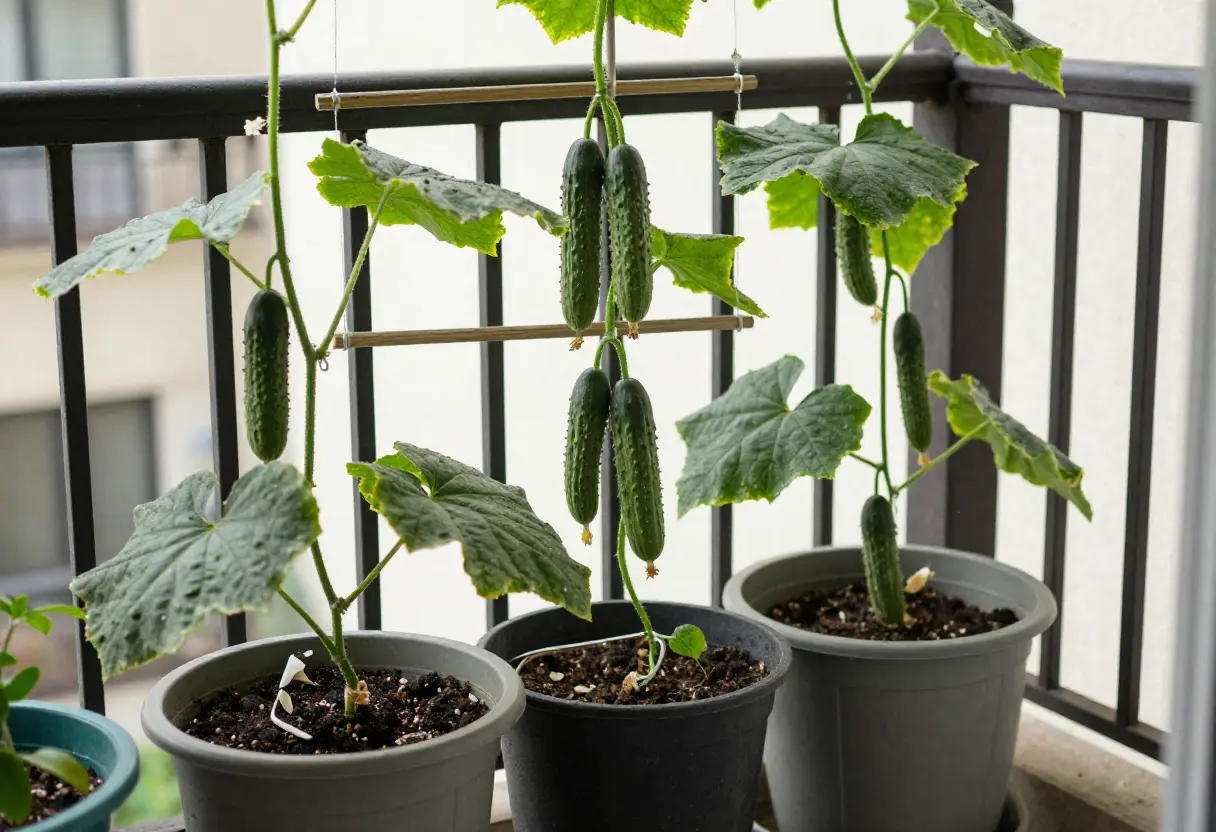
Are you eager to enjoy fresh, crunchy cucumbers but think you don’t have the space to grow them? The good news is that how do I grow cucumbers in pots is easier than you might think. With the right container, soil, and care, you can cultivate healthy, productive cucumber plants right on your balcony, patio, or even indoors, and enjoy a bountiful harvest all season long.
Imagine picking your own juicy cucumbers whenever you want, without leaving your home. This guide will show you simple steps to turn any small space into a thriving cucumber garden. Keep reading, and you’ll discover how to choose the right pots, soil, and care techniques that make growing cucumbers a rewarding and fun experience for you.
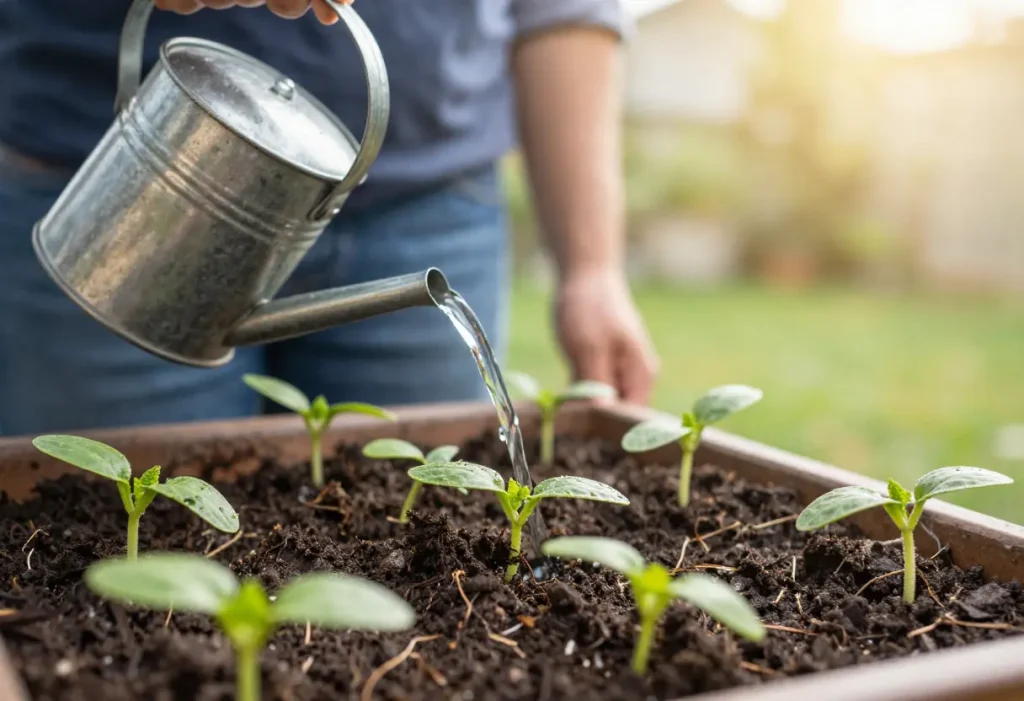
Choosing the right container is the first step to grow cucumbers in pots. The container affects the plant’s health and growth. It holds the soil and water, giving roots space to spread. Picking a good pot helps your cucumber plant thrive.
Cucumbers need space for their roots. A pot should be at least 12 inches deep. The width should be about 14 to 18 inches. Bigger pots hold more soil and keep moisture longer. Small pots dry out fast and limit growth.
Containers come in plastic, clay, and ceramic. Plastic pots are light and keep moisture well. Clay pots breathe better but dry out quickly. Choose a material that suits your climate. In hot places, plastic helps keep soil moist longer.
Drainage is key for healthy cucumber plants. The pot must have holes at the bottom. These holes let extra water escape. Without drainage, roots can rot and plants will die. Use a saucer to catch water but empty it often.
Selecting the best cucumber varieties is key for growing cucumbers in pots. Not all types work well in limited space. Choosing the right variety helps plants grow healthy and produce many fruits. It also makes care easier and improves your harvest quality.
Understanding the differences between cucumber types helps pick the best one for container gardening. Some varieties stay small and bushy, while others grow long vines. Knowing these traits guides your choice for pot growing.
Bush cucumbers grow compact and stay small. They do not need much space or support. This makes them ideal for pots. Vining types grow long and need room to spread. They also need trellises or stakes to climb. Vining cucumbers may be harder to manage in pots. For small spaces, bush types are easier to handle and maintain.
Compact cucumber varieties fit well in containers. They produce fruits without sprawling too much. Some popular compact types include ‘Bush Champion’ and ‘Patio Snacker’. These plants grow well in pots and yield fresh cucumbers. Their small size suits balconies, patios, or small gardens. Choosing compact varieties saves space and effort.
Growing cucumbers in pots needs good soil and proper feeding. Healthy soil helps roots grow strong. Proper fertilizer gives plants the nutrients they need. This section shares easy tips on soil mix and feeding schedule.
Use loose, well-draining soil for cucumber pots. A mix of potting soil, compost, and perlite works well. Compost adds nutrients and helps retain moisture. Perlite improves air flow and drainage. Avoid heavy soils that hold too much water. Good drainage stops root rot and keeps plants healthy.
Feed cucumbers every two weeks during growing season. Use a balanced fertilizer with equal parts nitrogen, phosphorus, and potassium. Nitrogen helps leaves grow green and strong. Phosphorus supports flowers and fruit development. Potassium boosts overall plant health and disease resistance. Water plants before and after feeding to prevent root burn.
Growing cucumbers in pots needs careful planting and spacing. Proper space helps roots grow and plants get enough air. Crowded plants have weak growth and fewer fruits. Good spacing also lowers disease risks and keeps plants healthy.
Start cucumber seeds indoors 3 to 4 weeks before planting outside. Use seed trays or small pots with moist potting mix. Plant seeds about 1 inch deep. Keep the soil warm, around 70-75°F, for quick germination. Water gently but keep soil damp. Place seeds where they get plenty of light. Thin seedlings if they grow too close.
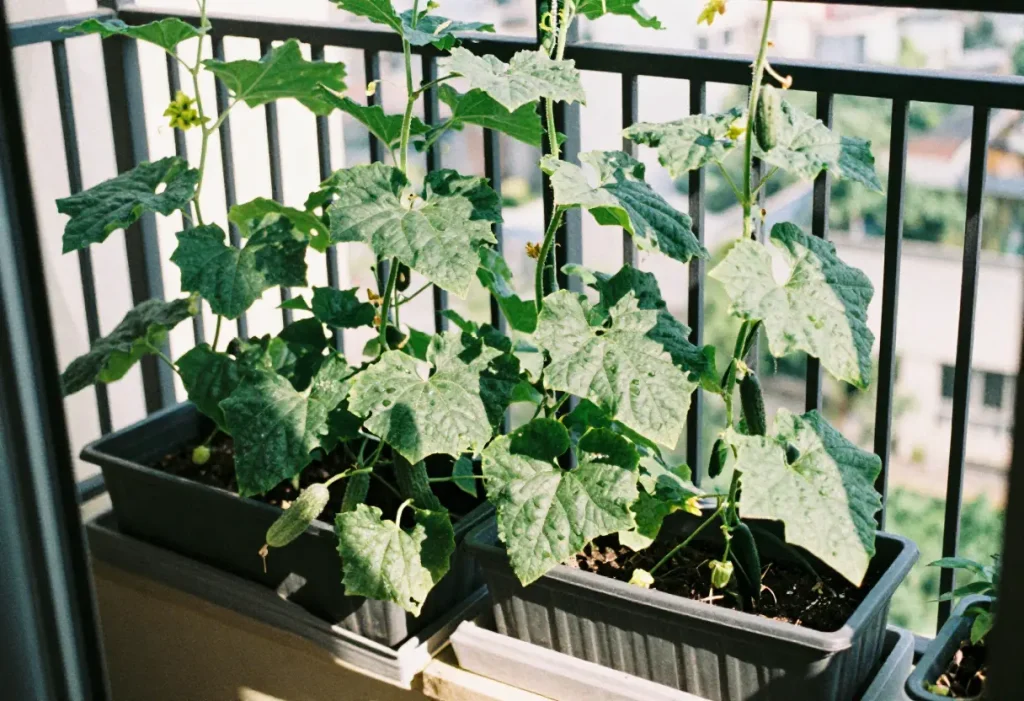
Transplant seedlings when they have 2-3 true leaves and the weather is warm. Choose pots at least 12 inches wide and deep. Add fresh potting soil with compost for nutrients. Space plants 12 to 18 inches apart in the pot. Water well after planting to help roots settle. Place pots where plants get at least 6 hours of sunlight daily. Support vines with trellises for better growth and fruit production.
Watering cucumbers in pots needs care and attention. Proper watering helps plants grow healthy and produce tasty fruits. Pots dry out faster than garden soil. So, you must watch the soil moisture closely. A good watering strategy keeps plants happy and strong.
Cucumbers need steady moisture to thrive. The soil should stay damp, not dry or soggy. Water your plants regularly, especially in hot weather. Check the soil every day by touching the surface. If it feels dry, give water. Consistent moisture helps roots absorb nutrients well.
Too much water can harm cucumber plants. Overwatering causes roots to rot and stops growth. Make sure pots have good drainage holes. Water only when the top inch of soil is dry. Drain excess water from saucers under pots. Keeping soil moist, but not wet, is the key.
Supporting cucumber plants in pots helps them grow strong and healthy. Proper support keeps vines off the soil. This reduces disease and makes harvesting easier. It also helps the plants get more sunlight and air.
Choose a trellis that fits your pot size. Simple bamboo stakes tied together work well. You can also use wire mesh or plastic grids. Vertical supports save space and look neat. Make sure the trellis is sturdy enough for heavy vines.
Guide cucumber vines to climb the trellis. Gently tie the vines with soft string or cloth strips. Avoid tight ties that can damage the plant. Regularly check and adjust the vines as they grow. This encourages upward growth and better fruit production.
Pest and disease management is key to growing healthy cucumbers in pots. These plants can face several problems that reduce their growth and yield. Understanding common issues helps in spotting trouble early. Taking action quickly keeps your cucumber plants strong and productive.
Aphids often attack cucumber leaves and stems. They suck sap and weaken plants. Spider mites cause tiny yellow spots on leaves. Whiteflies spread diseases and cause leaf damage. Powdery mildew is a fungal disease. It shows as white powder on leaves. Downy mildew creates yellow patches and gray fuzz. Cucumber beetles eat leaves and spread bacteria. These pests and diseases can kill your plants fast.
Neem oil works well against many pests. Spray it on leaves every week. Soap water kills soft-bodied insects like aphids. Use a mild soap mixed with water. Introduce ladybugs to your garden. They eat harmful insects naturally. Remove and destroy infected leaves to stop disease spread. Keep your plants dry by watering at the base. Good air circulation prevents fungal growth. These natural methods protect cucumbers safely and effectively.
Harvesting cucumbers at the right time and with proper techniques boosts your yield. Picking cucumbers regularly helps the plant produce more fruits. Knowing when to harvest ensures cucumbers are tasty and fresh. Handling cucumbers carefully keeps them in good condition for eating or storing.
Growing cucumbers in pots means you watch them closely. Small changes in size or color tell you when they are ready. Gentle picking protects the plant and encourages new growth. This section explains when to pick and how to harvest cucumbers well.
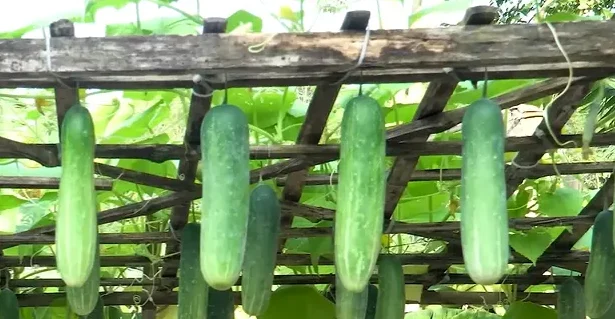
Pick cucumbers when they are firm and green. Avoid letting them turn yellow or grow too large. Most varieties are best at 6 to 8 inches long. Check your plants every day or two. Pick regularly to stop cucumbers from becoming bitter or seedy.
Look for smooth skin without wrinkles or soft spots. Smaller cucumbers are sweeter and crunchier. Harvesting early can give you more cucumbers over time. Watch the tips; if they start to dry, it's time to pick.
Use scissors or garden shears to cut cucumbers from the vine. Avoid pulling or twisting to prevent plant damage. Hold the cucumber gently and cut close to the stem. Leave a small stem attached to help cucumbers last longer.
Wear gloves if you have sensitive skin. Handle cucumbers carefully to avoid bruising. Place harvested cucumbers in a cool, shaded container. Keep them out of direct sun to preserve freshness. Clean tools before and after use to prevent disease.
Choose a pot that holds at least 5 gallons of soil. Bigger pots help roots grow well and keep soil moist longer.
Water cucumbers daily to keep the soil evenly moist. Avoid letting the soil dry out or stay too wet.
Use well-draining potting soil rich in organic matter. This type of soil supports healthy root growth and plant health.
Cucumbers need 6 to 8 hours of direct sunlight daily. Place pots in a sunny spot for the best growth.
Yes, cucumbers grow well with a trellis or support in pots. This saves space and helps fruits stay clean and straight.
Growing cucumbers in pots can be simple and fun. Choose the right pot and soil for healthy plants. Water regularly but avoid waterlogging. Give your cucumbers plenty of sunlight each day. Support the vines with stakes or trellises. Watch for pests and treat them early.
With care, your cucumbers will grow well and taste fresh. Enjoy the process and fresh homegrown cucumbers. Start small, learn, and your garden will thrive. Gardening in pots brings nature closer to home.