Gardening Made Simple.

Understanding How Often to Fertilize Cucumbers helps ensure your plants receive the nutrients they need at the right time, leading to stronger vines, healthier leaves, and plenty of crisp cucumbers throughout the growing season.
Too little fertilizer, and your plants may struggle to thrive. Too much, and you risk wasting time, money, and even harming your garden. You’ll discover simple, clear guidance on when and how often to feed your cucumber plants to keep them healthy and productive.
Keep reading to unlock the secret to growing cucumbers that will impress your family and friends.

Choosing the right fertilizer is key to growing healthy cucumbers. The right nutrients help plants grow strong and produce more fruit. Knowing the types of fertilizers and what cucumbers need makes a big difference.
Different fertilizers suit different garden styles. Some gardeners prefer natural products, while others like quick-acting options. Understanding nutrient needs also helps pick the best fertilizer for your plants.
Cucumber plants respond well to several fertilizer types. Granular fertilizers release nutrients slowly over time. Liquid fertilizers give quick nutrient boosts. Slow-release fertilizers feed plants steadily for weeks. Choose a type based on your gardening style and plant needs.
Organic fertilizers come from natural sources like compost or manure. They improve soil health and work slowly. Synthetic fertilizers are made from chemicals and act fast. They provide precise nutrient amounts. Both types can grow cucumbers well. Organic options suit gardeners who want natural growing. Synthetic ones help when quick feeding is needed.
Cucumbers need nitrogen, phosphorus, and potassium to grow. Nitrogen helps leaves grow green and healthy. Phosphorus supports root and flower development. Potassium strengthens the whole plant and fruit quality. Balanced fertilizers with these nutrients work best. Check fertilizer labels to match cucumber needs. Feeding cucumbers with the right nutrients boosts growth and harvest.
Fertilizing cucumbers at the right time helps plants grow healthy and strong. A good schedule supports leaves, flowers, and fruits. Knowing when to add nutrients improves your cucumber harvest.
Follow these simple steps for feeding cucumbers during their life cycle. Each stage needs a different focus on nutrients.
Prepare soil with compost or balanced fertilizer. Mix it well into the soil surface. This step boosts soil nutrients for young plants. Aim to fertilize about one week before planting seeds or seedlings.
Once cucumber plants start growing, feed them every two weeks. Use a fertilizer with higher nitrogen to support leaf and vine growth. Apply fertilizer around the base, avoiding direct contact with leaves.
Switch to a fertilizer higher in phosphorus and potassium at flowering. These nutrients help flowers bloom and fruits develop. Fertilize every 10 to 14 days until harvest for best results.
Applying fertilizer correctly helps cucumbers grow strong and produce well. Different methods suit different stages of growth. Knowing how to apply fertilizer keeps plants healthy and soil balanced.
Start by mixing fertilizer into the soil before planting. This gives cucumber roots easy access to nutrients. Spread fertilizer evenly over the soil surface. Then, work it into the top 6 inches of soil. This helps nutrients reach the root zone. Prepare soil a week before planting for best results.
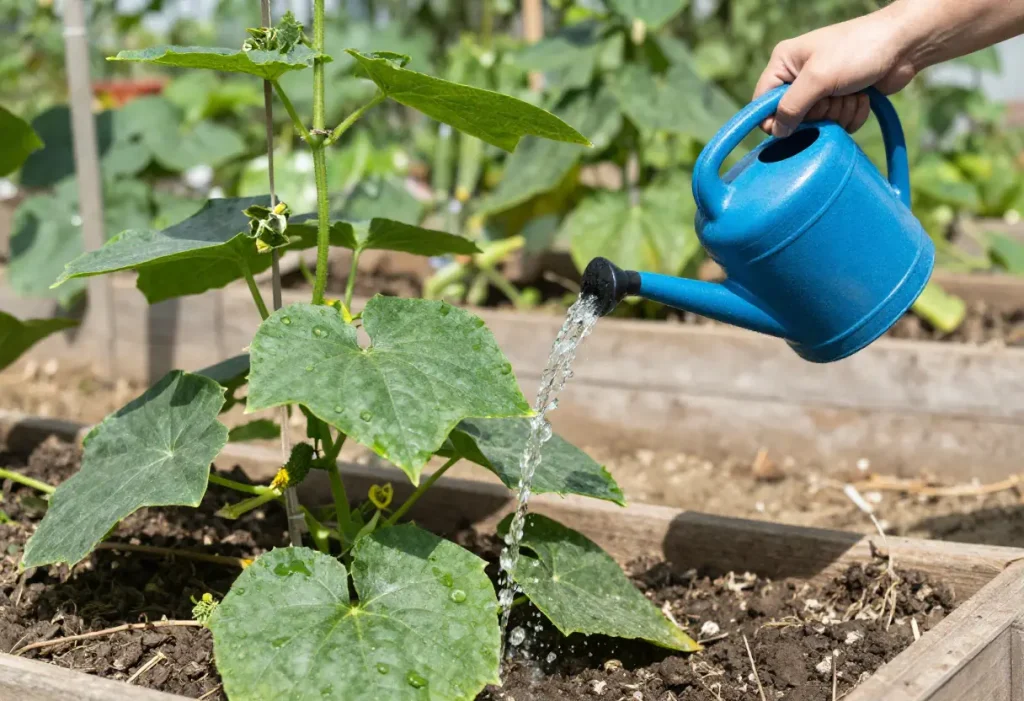
Side dressing means adding fertilizer beside growing plants. Use this after cucumber vines start to spread. Apply fertilizer in small amounts along the rows. Keep it a few inches away from the plant stems. Water the fertilizer into the soil after applying. This method feeds cucumbers during their growing phase.
Foliar feeding sprays liquid fertilizer directly on cucumber leaves. Plants absorb nutrients quickly through leaves. Use a diluted fertilizer spray early in the morning or late afternoon. Avoid spraying during hot midday sun. Foliar feeding helps fix nutrient shortages fast. It is not a substitute for soil fertilizing but a useful supplement.
Cucumbers need the right nutrients to grow healthy and strong. Nutrient deficiency shows clear signs on the plant. Knowing these signs helps you decide when to fertilize. Watch your plants closely. Early detection keeps cucumbers thriving and productive.
Leaves turning yellow often mean a lack of nitrogen. Nitrogen is vital for leaf growth and color. Yellow leaves usually start at the bottom of the plant. The yellowing spreads upward as the deficiency worsens. Fix this by adding a nitrogen-rich fertilizer quickly.
Cucumbers that stop growing or grow very slowly lack nutrients. Nutrients like phosphorus and potassium support strong roots and stems. Without these, plants stay small and weak. Stunted growth means the plant cannot support healthy fruit. Fertilize with balanced nutrients to boost growth.
Fruits that are small, misshapen, or few in number show nutrient problems. Lack of potassium often causes poor fruit quality. Potassium helps fruits develop size and taste. Without enough nutrients, flowers may drop early too. Regular feeding encourages better fruit production and quality.
Over-fertilizing cucumbers can harm the plants more than help them. Too much fertilizer can cause leaf burn and weak growth. It wastes money and may pollute the soil. Avoiding over-fertilization helps cucumbers grow healthy and strong. Knowing the signs and adjusting fertilizer use is key.
Too much fertilizer shows clear signs on cucumber plants. Leaves may turn yellow or brown at the edges. Plants can grow tall but stay weak. Fruits might be small or taste bitter. Watch for slow growth or wilting despite watering. These symptoms suggest fertilizer overload.
Testing soil helps know what nutrients it already has. Use a simple soil test kit from garden stores. Test before planting and during growth. Soil tests show nutrient levels and pH balance. This information helps decide how much fertilizer cucumbers need. Avoids guessing and prevents overuse.
Adjust fertilizer based on soil test results and plant health. Use less fertilizer if the soil is rich. Follow the recommended dose on the fertilizer package. Fertilize cucumbers every two to three weeks during growth. Stop fertilizing once flowers start to appear. This balance keeps plants healthy and productive.
Fertilizing cucumbers changes with the seasons. Plants need different care as weather shifts. Adjusting fertilization helps cucumbers grow strong all year.
Start fertilizing cucumbers once they sprout. Use a balanced fertilizer every two weeks. Focus on nitrogen for leaf growth early on. As flowers appear, switch to fertilizer higher in potassium. This helps fruit develop better. Water plants well after applying fertilizer. Avoid over-fertilizing to prevent leaf burn.
Stop fertilizing cucumbers as temperatures drop. Plants grow slower and need less nutrients. Remove old plant debris to avoid pests. Prepare soil by adding compost. This feeds soil for next spring. Keep soil moist but avoid excess water. Winter care sets up healthy plants for next year.
Growing cucumbers in containers needs special care. Containers hold less soil, so nutrients can run out fast. Proper fertilizing keeps plants healthy and productive. Follow these tips to feed container-grown cucumbers well.
Cucumbers in containers need feeding more often than garden plants. Apply fertilizer every two weeks during the growing season. Use a balanced, water-soluble fertilizer for best results. Avoid over-fertilizing, which can harm roots and leaves.
Pick a fertilizer with equal parts nitrogen, phosphorus, and potassium. A 10-10-10 or 20-20-20 formula works well. Organic options like compost tea or fish emulsion are gentle and effective. These support steady growth and strong fruit development.
Keep soil moist but not soaked to help fertilizer work well. Water before applying fertilizer to avoid root burn. Feed plants after watering to help nutrients reach roots. Consistent watering and feeding improve cucumber health and yield.
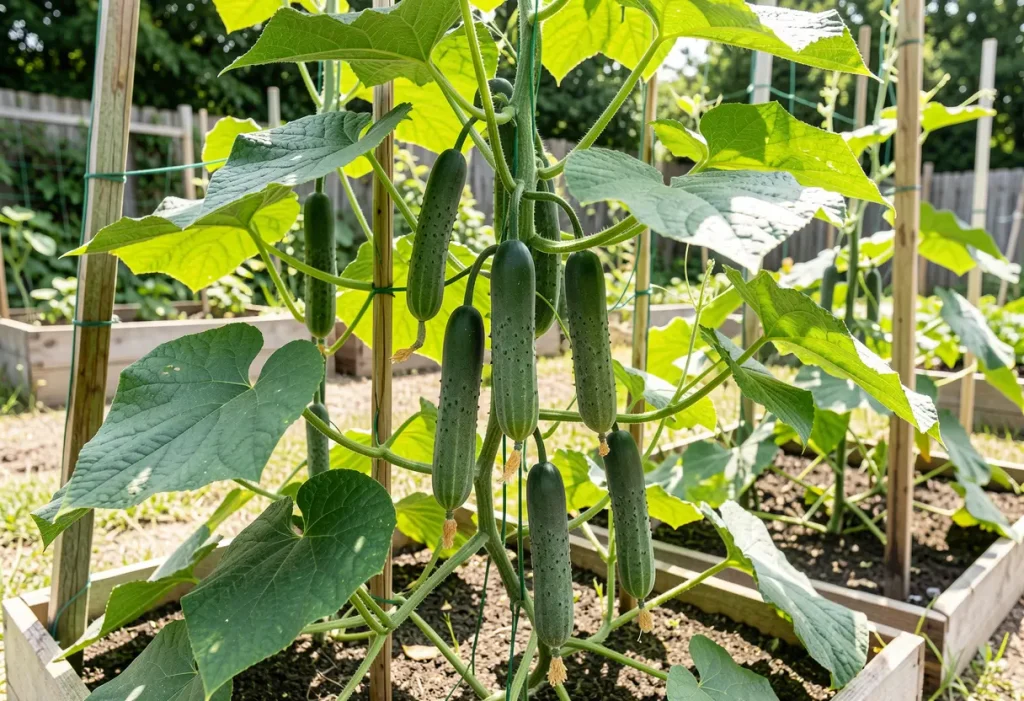
Fertilize cucumbers every 2 to 3 weeks while they grow. This helps plants get enough nutrients for healthy fruit.
Use a balanced fertilizer with equal nitrogen, phosphorus, and potassium. Organic options like compost also work well.
Yes, too much fertilizer can harm cucumbers. It may cause lots of leaves but fewer fruits.
Apply fertilizer early morning or late afternoon. Avoid fertilizing during hot midday to prevent plant stress.
Add fertilizer before planting to enrich the soil. Side-dress plants with fertilizer as they start growing.
Fertilizing cucumbers regularly helps plants grow strong and healthy. Apply fertilizer every two to three weeks during the growing season. Too much fertilizer can harm the plants, so use the right amount. Watch your cucumbers for signs of nutrient needs.
Healthy soil and proper watering also improve growth. Keep these tips in mind for better cucumber harvests. Simple care makes a big difference in your garden.