Gardening Made Simple.
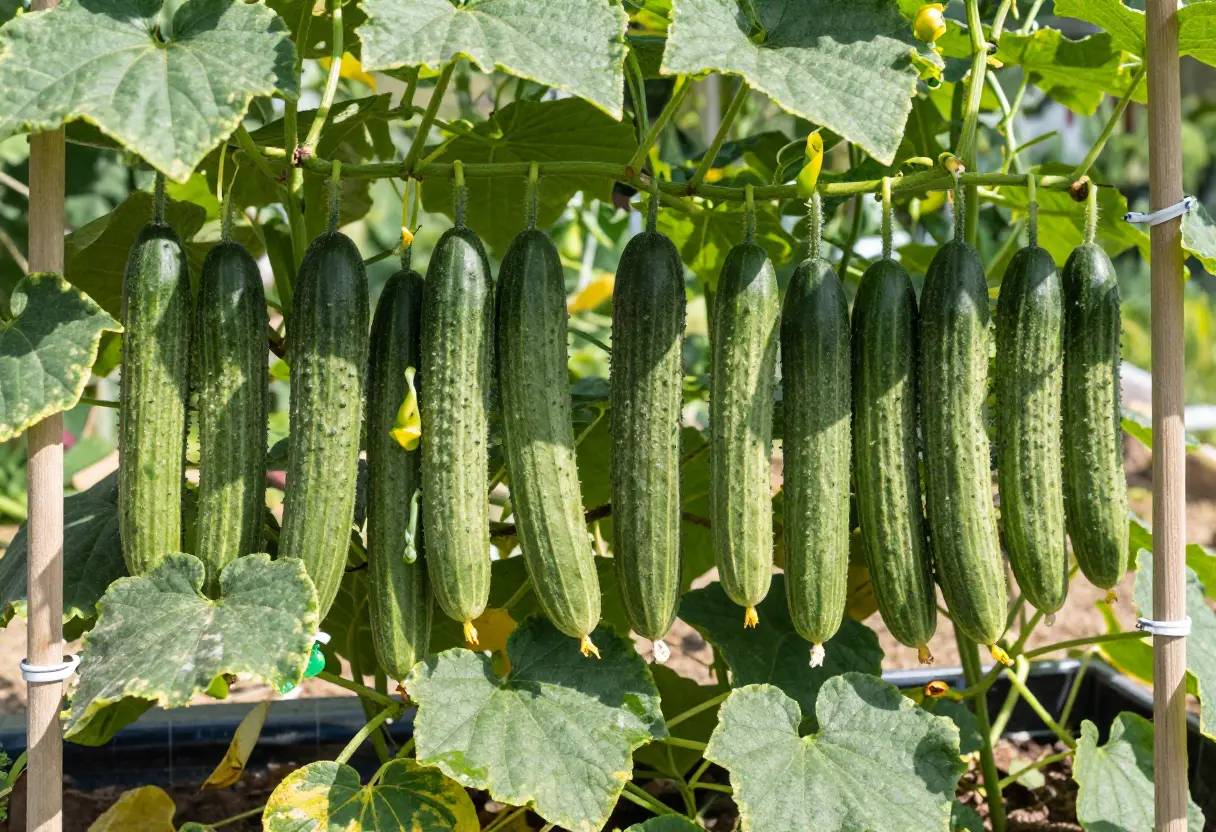
Are you ready to enjoy fresh, crisp cucumbers straight from your garden? Growing English cucumbers can be easier than you think, and the reward is deliciously satisfying. By learning How to Grow English Cucumbers the right way, you can produce healthy vines, steady harvests, and beautifully straight fruits throughout the season. With a few simple tips and proper care, your cucumber plants will thrive in both garden beds and containers.
Whether you have a big backyard or just a small balcony, you can grow these tasty veggies with the right tips and care. In this guide, you’ll discover simple steps to help your English cucumbers thrive. Keep reading, and soon you’ll be harvesting your own crunchy cucumbers that taste better than anything from the store.
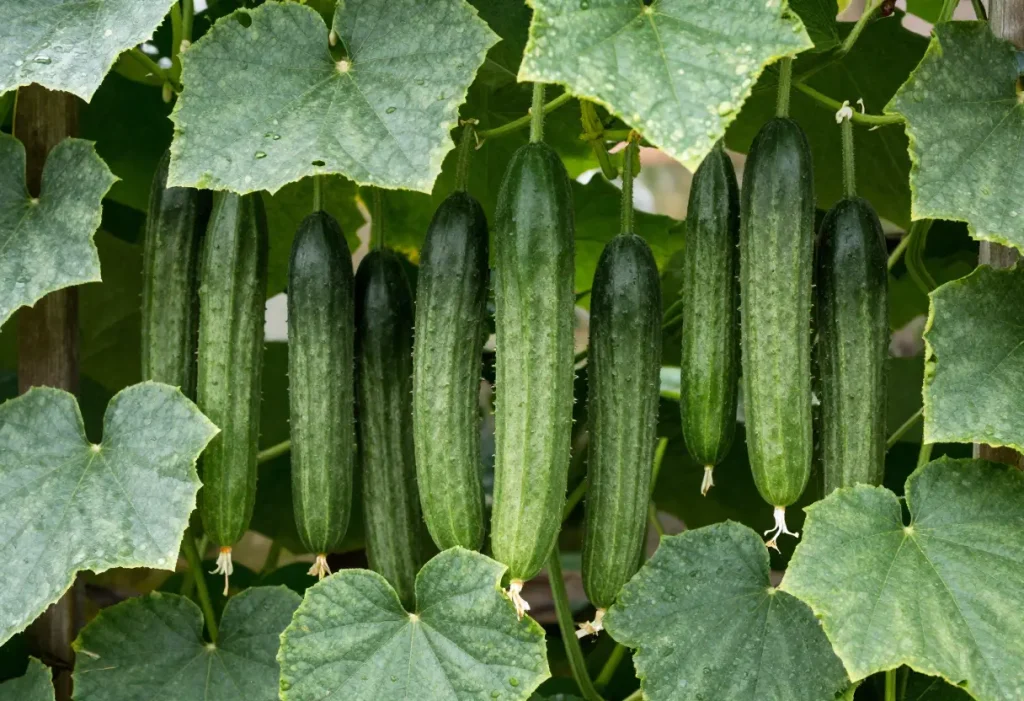
Choosing the right seeds is the first step to growing healthy English cucumbers. The seed variety affects taste, size, and plant growth. Picking the best seeds ensures a better harvest and fewer problems during growth.
English cucumbers come in several types. Some are smooth-skinned, while others have a slight bump. Choose varieties labeled as “burpless” for a mild flavor and easy digestion. Popular types include 'Telegraph,' 'Marketmore,' and 'Tyria.' Each variety has unique traits. Consider your garden space and climate before picking a seed type. Some seeds grow better indoors before transplanting outside.
Quality seeds lead to strong plants and good fruit. Buy seeds from trusted garden centers or online stores with good reviews. Avoid old or damaged seed packets. Certified organic seeds reduce chemical exposure. Local seed suppliers often offer varieties suited for your area. Save money by buying seeds in bulk if you plan to grow cucumbers yearly.
Preparing the soil is the first step to grow healthy English cucumbers. Good soil helps plants get the nutrients and water they need. It also supports strong roots and fast growth. Taking time to prepare the soil well makes a big difference in your cucumber harvest.
English cucumbers grow best in loose, well-drained soil. Sandy loam or loamy soil works well. Heavy clay soil holds too much water and can harm roots. The soil pH should be slightly acidic to neutral. Aim for a pH between 6.0 and 7.0. This range helps plants absorb nutrients easily. Test your soil with a simple kit for accurate pH levels.
Rich soil improves cucumber growth and fruit quality. Mix plenty of compost into the soil before planting. Compost adds nutrients and improves soil texture. Use about 2 to 3 inches of compost worked into the top 8 inches of soil. Fertilize with a balanced fertilizer, like 10-10-10, to support growth. Spread fertilizer evenly and water it in well. Avoid too much nitrogen to prevent excessive leaf growth and few fruits.
Planting English cucumbers correctly helps ensure a healthy crop and tasty harvest. This section covers key methods to start growing these cucumbers. Choose the best technique to fit your climate and garden space.
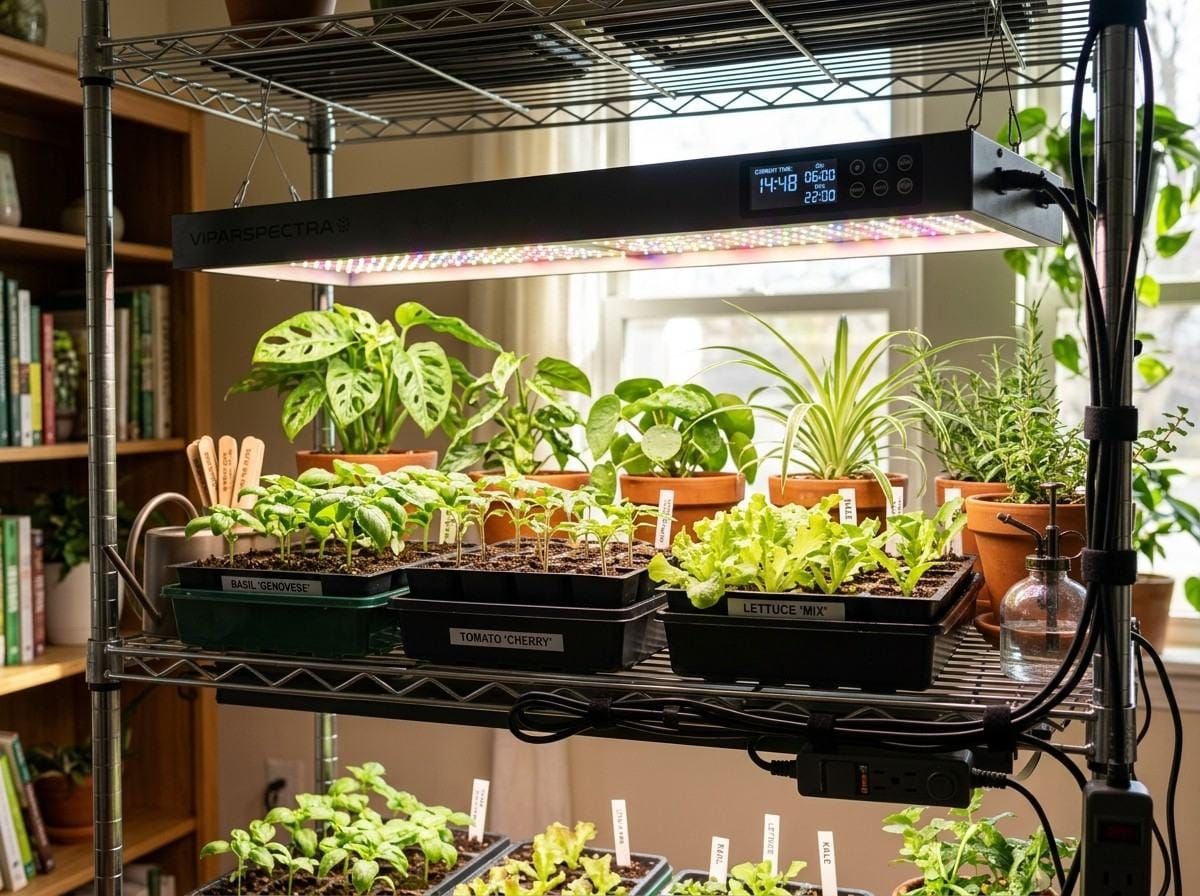
Start cucumber seeds indoors about 3 to 4 weeks before the last frost date. Use small pots filled with seed-starting mix. Plant seeds 1/2 inch deep and keep the soil moist. Place the pots in a warm spot with plenty of light. Seedlings sprout in 7 to 10 days. Transplant them outside once the weather is warm.
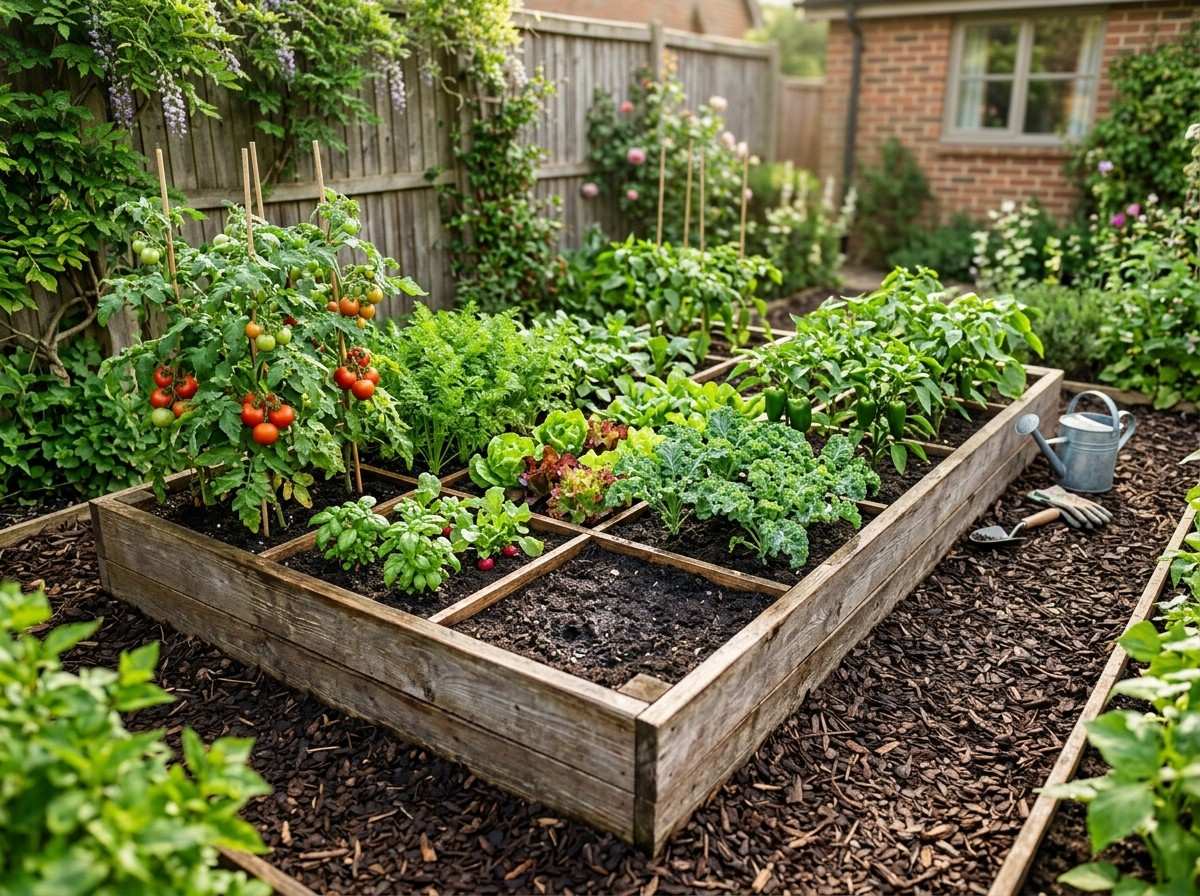
Plant cucumber seeds directly in the garden after the last frost. Choose a sunny location with well-draining soil. Sow seeds 1 inch deep in small hills or rows. Water the soil gently. Germination usually takes 7 to 14 days. This method suits warmer climates and saves transplant shock.
Space seeds or seedlings 12 to 18 inches apart for good air flow. Leave 3 to 4 feet between rows for vine growth. Plant seeds 1/2 to 1 inch deep to protect from birds and drying out. Proper spacing reduces disease and helps plants grow strong. Shallow planting can cause weak roots and poor growth.
Watering and feeding are key steps to help English cucumbers grow healthy and strong. Proper water and nutrients keep the plants hydrated and full of energy. These steps improve fruit quality and boost yield.
English cucumbers need steady moisture. Water them deeply two to three times each week. Avoid shallow watering. It leads to weak roots.
Use drip irrigation or soaker hoses. They deliver water directly to the soil. This method reduces leaf wetness and disease risk. Water early in the morning. It helps the plant use water better and reduces evaporation.
Choose a balanced fertilizer with equal parts nitrogen, phosphorus, and potassium. These nutrients support leaf growth, root development, and fruit production.
Apply fertilizer every two to three weeks. Use a liquid feed or a slow-release type. Follow the package instructions carefully. Too much fertilizer can harm your plants.
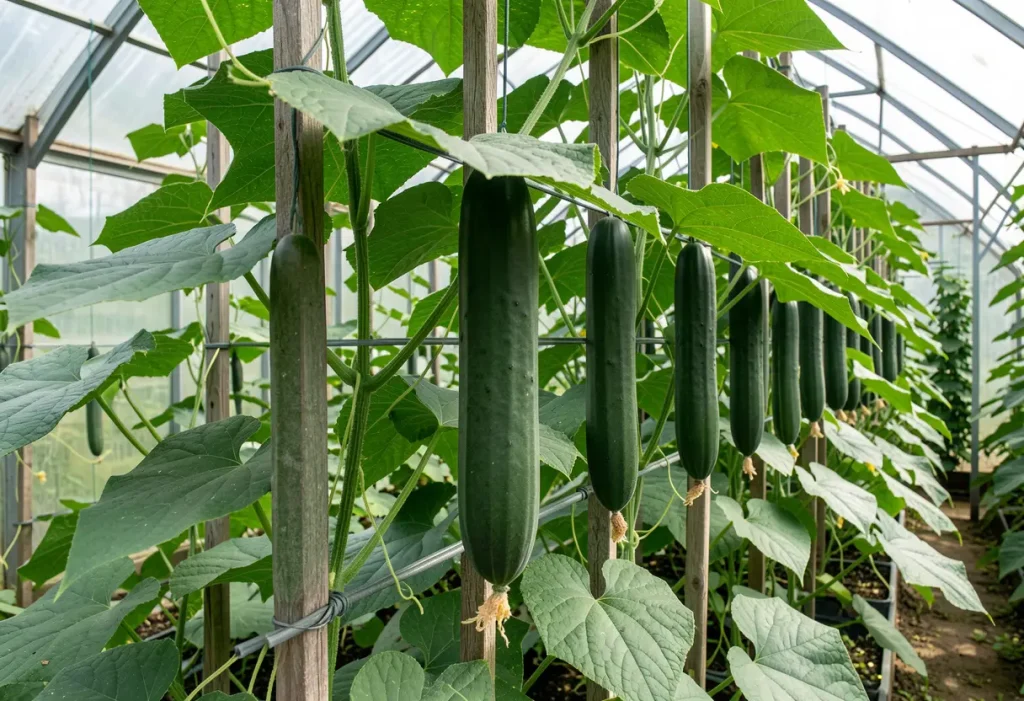
Supporting your English cucumber plants helps them grow strong and healthy. Proper support keeps the vines off the ground. This prevents damage and disease. It also makes harvesting easier. The right support improves air circulation around the plants. This reduces the chance of mold and pests. Two common methods for support are trellises and stakes. Training the vines properly also boosts growth and fruit production.
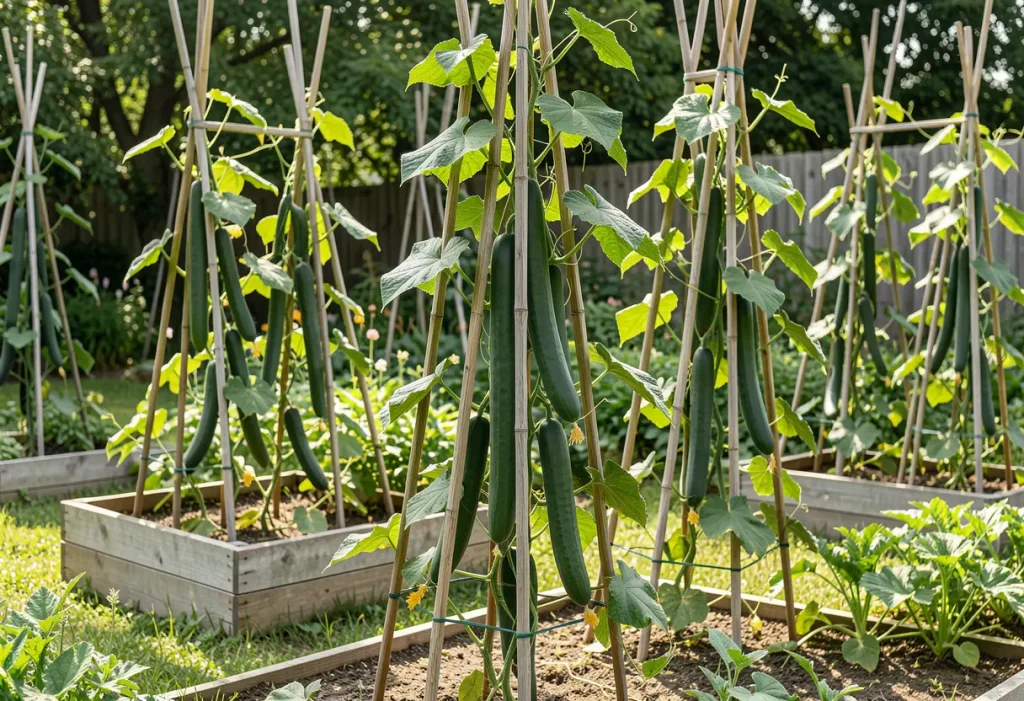
Trellises are frames that support climbing plants. Place a trellis near your cucumber plants early. This gives vines a place to climb. Sturdy trellises keep plants upright and save space. Stakes are simple supports you push into the soil. Tie vines gently to stakes with soft ties. Both trellises and stakes prevent fruits from touching the soil. This keeps cucumbers cleaner and less prone to rot.
Guide cucumber vines to grow upward along supports. Pinch off side shoots that grow too wild. This directs energy to main stems and fruits. Tie vines loosely to avoid damage. Train vines gently every few days. Keep the growth neat and controlled. This method improves sunlight exposure and airflow. Well-trained vines produce bigger and healthier cucumbers.
Keeping pests and diseases away is key to growing healthy English cucumbers. These plants can attract many insects and face some diseases. Early action helps protect your crop and improve yield. Watch your plants often. Catch problems fast before they spread.
Aphids are small insects that suck plant juices. They cause leaves to curl and yellow. Spider mites are tiny and hard to see. They make leaves look speckled and dry. Cucumber beetles chew on leaves and stems. They can spread bacterial wilt, a serious disease. Whiteflies feed on the undersides of leaves. They leave a sticky residue that attracts mold. Slugs and snails like damp areas and eat holes in leaves.
Remove pests by spraying water to knock them off. Use neem oil or insecticidal soap for safe control. These natural options work well without harming plants. Introduce beneficial insects like ladybugs to eat aphids. Handpick larger pests like slugs during early morning or evening. Use sticky traps to catch flying insects. For tough infestations, apply chemical pesticides labeled for cucumbers. Follow instructions carefully to avoid plant damage. Rotate treatments to prevent pest resistance. Keep your garden clean by removing debris and weeds. Healthy plants resist pests and diseases better.
Harvesting English cucumbers at the right time helps ensure the best flavor and texture. Picking cucumbers too early or too late can affect their taste and firmness. Careful harvesting also protects the plant for future growth. Follow these tips to get the most from your cucumber plants.
Harvest cucumbers when they reach 6 to 8 inches long. The skin should look smooth and bright green. Avoid letting cucumbers turn yellow or grow too big. Large cucumbers may taste bitter or become tough. Pick them every day or every other day for steady harvest.
Use sharp scissors or garden shears to cut cucumbers from the vine. Cut the stem close to the fruit, leaving a small piece attached. Avoid pulling or twisting cucumbers off the plant. This can damage the vine and reduce future crops. Handle cucumbers gently to prevent bruises and keep them fresh longer.
Extending the growing season helps you harvest more cucumbers. It allows plants to grow longer and produce fruit beyond normal months. You can use simple methods to keep your plants healthy and fruiting.
Growing English cucumbers for a longer time means more fresh veggies. It also reduces the risk of losing plants to cold weather. Try these easy ways to extend the season.
Greenhouses protect cucumbers from cold and wind. They create warm, stable conditions. This helps plants grow faster and stay healthy.
Tunnels made with plastic or fabric cover rows of cucumbers. They keep frost away and hold heat close to plants. You can start planting earlier in spring.
Both greenhouses and tunnels allow you to grow cucumbers when outside is too cold. They also protect from pests and heavy rain.
Succession planting means planting seeds or seedlings in stages. Plant a new batch every two weeks. This keeps fresh cucumbers coming for many weeks.
Start with early seeds indoors. Then plant outside after frost risk ends. Follow with more seeds every two weeks.
This method avoids a short harvest. It spreads out the work and the crop. You get fresh cucumbers over a longer time.
English cucumbers usually take 50 to 70 days to grow from seed to harvest. They grow faster in warm and sunny conditions. Regular watering helps speed up their growth.
English cucumbers grow best in loose, well-drained soil rich in organic matter. A soil pH between 6. 0 and 7. 0 is ideal. Adding compost improves soil fertility and moisture retention.
Water English cucumber plants deeply about once or twice a week. Keep the soil moist but not soggy. Mulching helps retain moisture and reduce weeds.
Yes, English cucumbers can grow indoors or in containers with enough sunlight. Use a large pot with good drainage and high-quality potting soil. Place them near a sunny window or use grow lights.
Common pests include aphids, cucumber beetles, and spider mites. Use insecticidal soap or neem oil to control them safely. Regularly check plants for pests and remove damaged leaves.
Growing English cucumbers can be simple and rewarding. Plant seeds in good soil with plenty of sunlight. Water them regularly but avoid overwatering. Watch for pests and pick cucumbers when they are firm and green. Fresh cucumbers from your garden taste better and are healthy.
Keep caring for your plants daily to get the best harvest. Enjoy the process and the fresh produce you grow. Small efforts bring great results. Start your cucumber garden and see the difference yourself.