Gardening Made Simple.
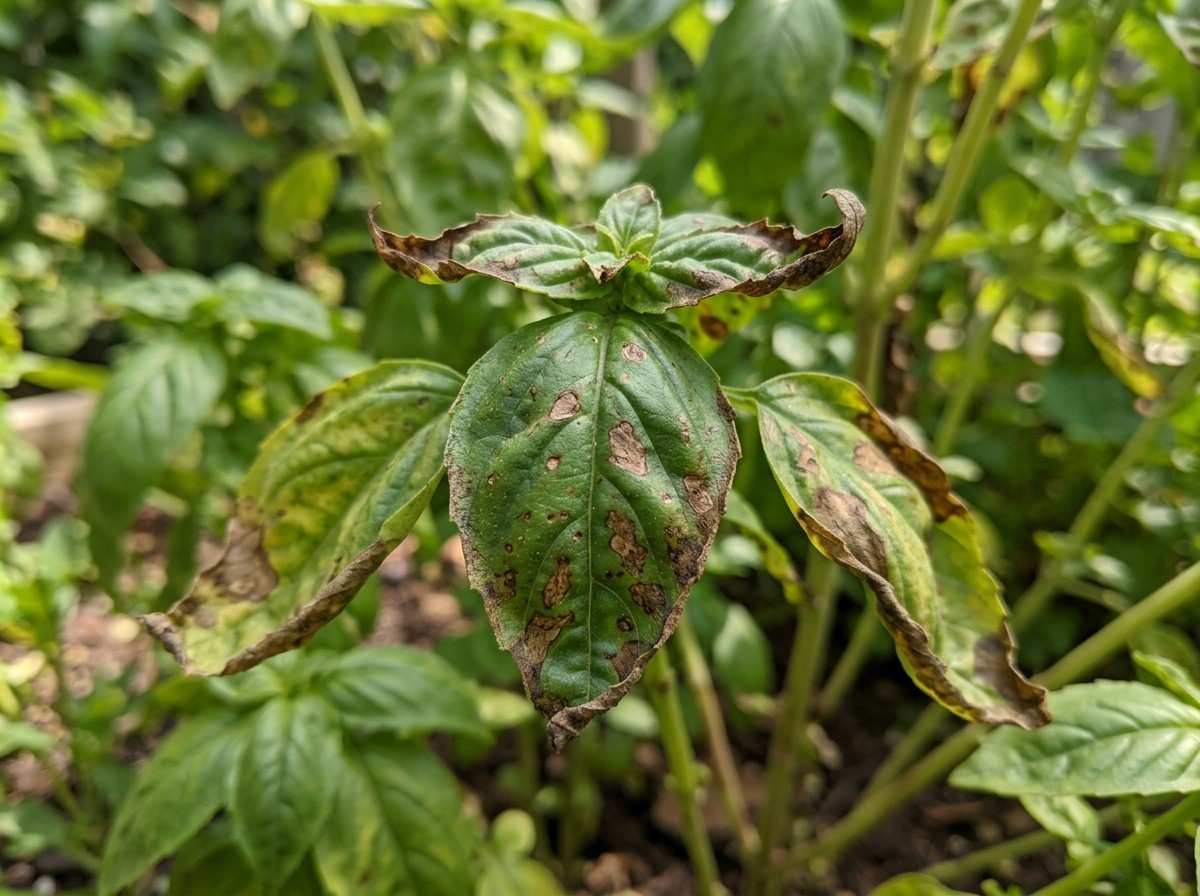
Are you noticing brown spots on your basil plant and wondering what’s causing them? Those little marks can be more than just a cosmetic issue—they might signal a problem that could affect your herb’s health and flavor. Understanding Brown Spots on Basil Plant issues can help you identify the cause early and keep your basil healthy and productive.
If you want to keep your basil vibrant and thriving, it’s important to understand why these spots appear and how to fix them quickly. You’ll discover simple, effective ways to protect your basil and enjoy fresh, green leaves all season long.
Keep reading to learn how to save your plant and avoid common mistakes that many gardeners make.
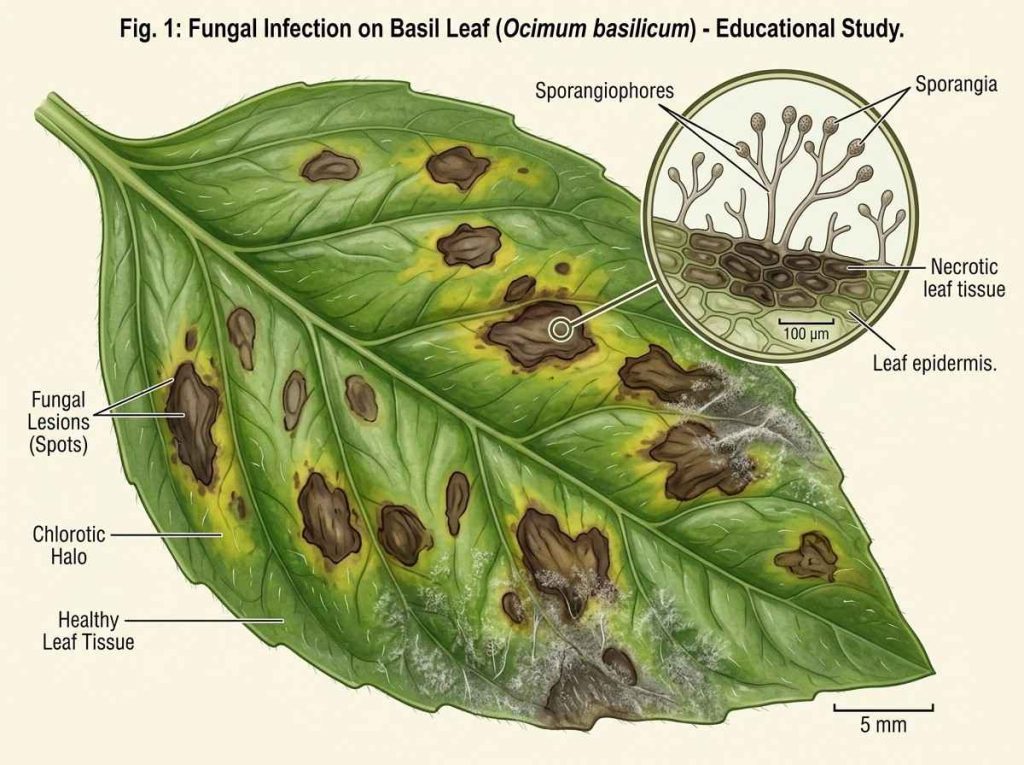
Brown spots on basil leaves often point to trouble. These spots can harm the plant’s health and reduce its growth. Understanding the common causes helps in taking quick action. This section explains the main reasons behind these brown spots.
Fungal infections cause many brown spots on basil leaves. Spores spread through wet leaves and soil. Spots often have a dark, round shape. Poor air flow and high humidity increase risk. Treating early prevents spread to healthy leaves.
Bacteria also cause brown spots on basil plants. Spots may look water-soaked or greasy. These diseases spread through splashing water and damaged leaves. Leaves can wilt and fall off if untreated. Clean tools and avoid overhead watering to reduce bacteria.
Too much direct sunlight can burn basil leaves. Sunburn shows as dry, brown patches on leaves. Young or newly moved plants are more vulnerable. Providing some shade during hot hours helps protect the basil. Adjust plant location if needed.
Lack of nutrients causes brown spots and weak growth. Basil needs enough nitrogen, potassium, and magnesium. Deficiency makes leaves yellow with brown edges or spots. Regular feeding with balanced fertilizer supports healthy leaves. Test soil to check nutrient levels.
Both too much and too little water cause brown spots. Overwatering leads to root rot and leaf damage. Underwatering makes leaves dry and spotted. Water basil consistently, keeping soil moist but not soggy. Use well-draining soil to avoid water problems.
Brown spots on basil plants can harm their growth and appearance. Identifying symptoms early helps protect your plant. Watch for signs on leaves and stems. This section explains the main symptoms of brown spots on basil plants.
Brown spots often start small and round. They may have a dark border or look dry and cracked. Spots can grow bigger and merge together. Look for irregular shapes or rings inside the spots. Patterns may appear on one leaf or spread across several.
Leaves with brown spots often turn yellow around the edges. The green color fades, making the leaf look unhealthy. Some leaves may curl or wilt near the spots. Discoloration shows the plant is stressed or sick. Healthy leaves stay bright green and firm.
Brown spots weaken the basil plant over time. Leaves may drop off early. New growth can slow or stop. The whole plant may look dull and less vibrant. If untreated, brown spots can kill the basil plant.
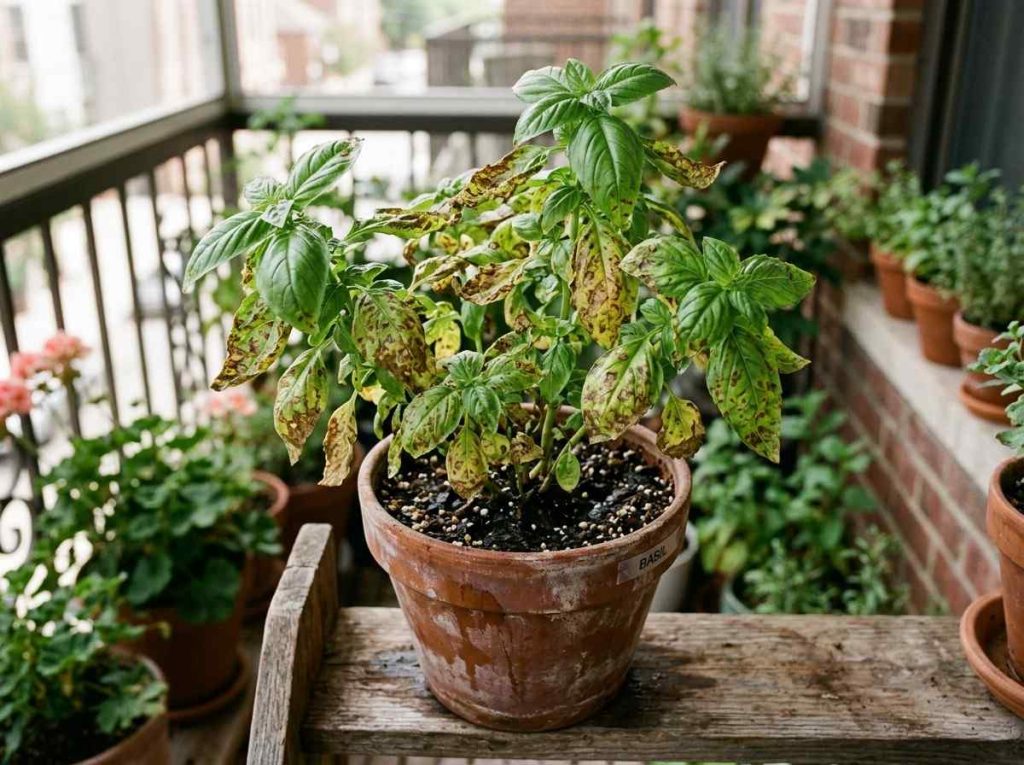
Brown spots on basil leaves can damage the plant's health and reduce its growth. Treating these spots early helps keep your basil strong and green. Using the right methods stops the spread of disease and improves leaf quality.
Fungicides control fungal infections causing brown spots. Choose products safe for edible plants. Apply according to the label instructions. Repeat treatments may be needed for full control. Always protect yourself by wearing gloves and a mask.
Natural remedies provide safer alternatives to chemicals. Mix baking soda with water and spray on leaves. Neem oil also works to prevent fungal growth. Garlic spray is another effective solution. These options reduce fungus without harming beneficial insects.
Remove affected leaves to stop disease spread. Cut brown and damaged parts carefully. Dispose of removed leaves away from your garden. Pruning improves air flow around the plant. Better air circulation lowers moisture that fungi need.
Watering habits affect brown spot development. Avoid wetting leaves during watering. Water early in the day to dry leaves fast. Use drip irrigation or water at the base. Overwatering can weaken plants and invite disease.
Brown spots on basil plants can harm their growth and taste. Preventing these spots keeps basil healthy and vibrant. Simple care steps stop the problem before it starts.
Focus on water, light, soil, air, and regular checks. These help basil stay strong and green.
Water basil at the base, not on leaves. Wet leaves invite fungi and spots. Water early in the day to let leaves dry fast. Avoid overwatering, as soggy soil causes root issues. Keep soil moist but not soaked.
Basil needs 6 to 8 hours of sunlight daily. Too little light weakens the plant. Too much direct sun can burn leaves. Place basil in a spot with bright, indirect light. Adjust location as the season changes.
Use well-draining soil to prevent water buildup. Add compost for nutrients and soil health. Fertilize basil every 4 to 6 weeks during growing season. Use balanced fertilizer with equal nitrogen, phosphorus, and potassium. Avoid excess fertilizer that burns roots.
Good air flow reduces humidity around basil. Space plants at least 12 inches apart. Trim crowded leaves to open space. Avoid placing basil in closed or damp areas. Use fans indoors to boost air movement.
Check basil leaves daily for early brown spots. Remove damaged leaves immediately. Look for pests or mold signs. Early action stops spread of disease. Keep a gardening journal to track plant health.
Keeping your basil plant healthy helps prevent brown spots. Good care makes basil strong and lively. Follow these tips to grow basil that looks great and tastes fresh.
Pick basil types that resist diseases well. Some varieties handle heat and humidity better. Look for sweet basil, lemon basil, or Thai basil. These types stay healthier with less effort.
Basil grows best in warm places with sunlight. Give it six to eight hours of sun daily. Use soil that drains water well to avoid root rot. Water basil regularly but don’t soak the soil. Good airflow also helps keep leaves dry and healthy.
Plant basil near tomatoes, peppers, or oregano. These plants protect basil from pests naturally. They also improve soil health and boost growth. Companion planting creates a stronger garden environment for your basil.
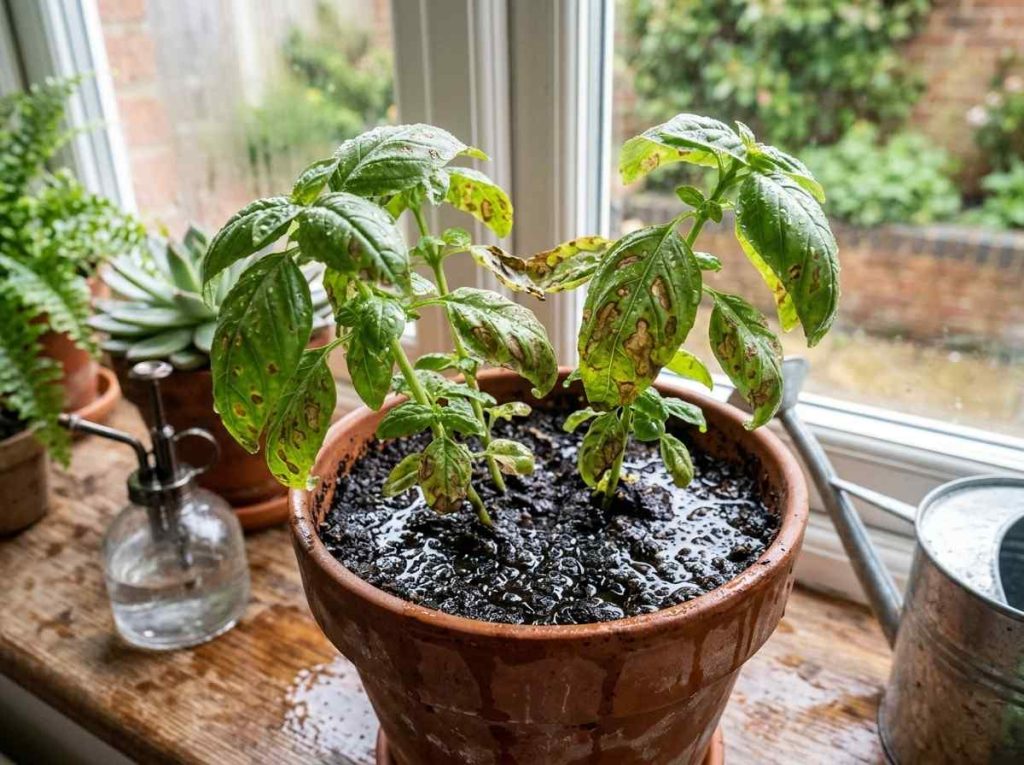
Brown spots often appear due to fungal infections or too much water. Poor air circulation can also make leaves develop spots.
Water basil at the soil level, not the leaves, to keep them dry. Also, give the plant enough space for good air flow.
Brown spots can weaken the plant by reducing its leaf area. If untreated, the problem may spread and harm the whole plant.
Small brown spots are usually safe, but avoid eating leaves with large or soft spots. Always wash basil before use.
Remove affected leaves carefully to stop spread. Use a mild fungicide or natural remedies like neem oil for severe cases.
Brown spots on basil plants signal a problem that needs care. Check your plant often for signs of stress or disease. Water properly and give it enough sunlight daily. Remove affected leaves to help the plant stay healthy. Use natural remedies to avoid harsh chemicals.
Healthy basil grows better and tastes great in your meals. Keep a close eye on your plant for any changes. Simple care can bring your basil back to life. Enjoy fresh, green basil with every harvest.