Gardening Made Simple.
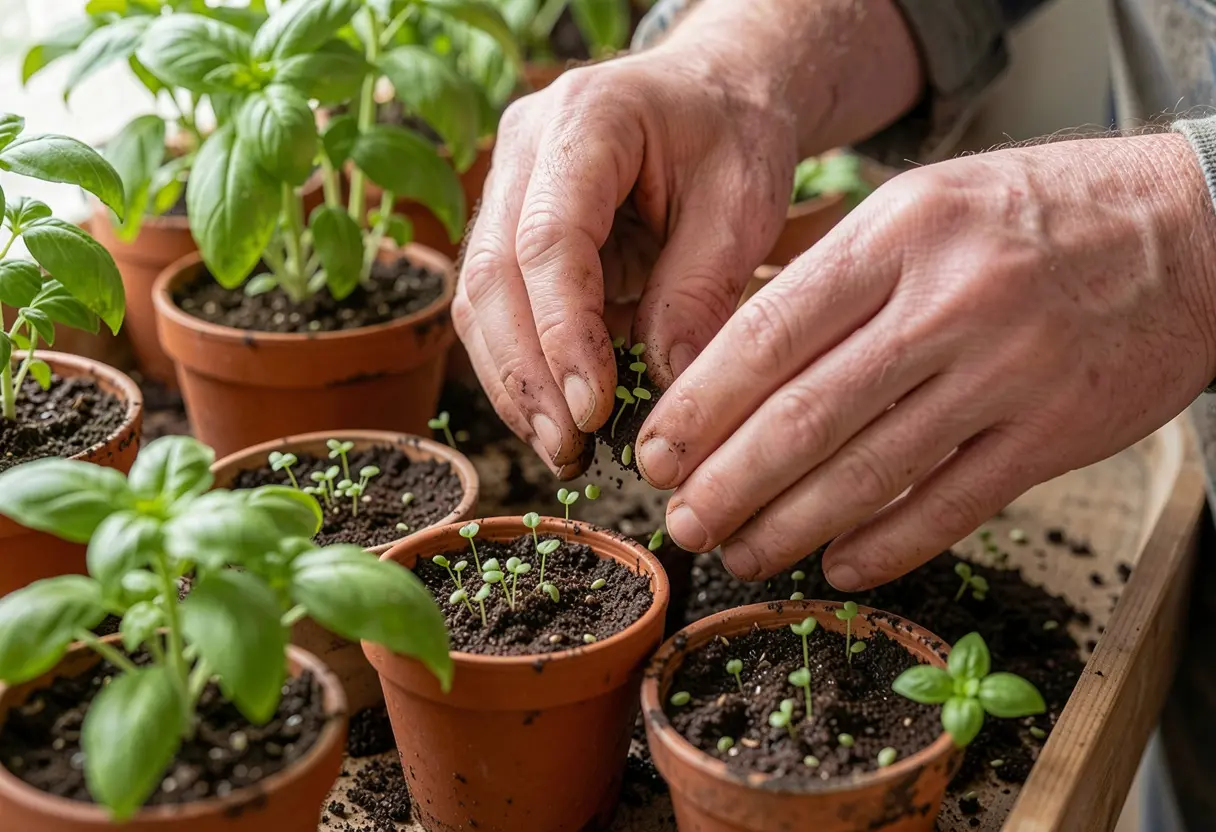
Are you ready to grow fresh, fragrant basil right at home? How to Germinate Basil Seeds is easier than you might think, and once you learn the process, you can enjoy a steady supply of this flavorful herb for your cooking.
Imagine picking vibrant green leaves straight from your garden or windowsill, adding that perfect touch to your meals. In this guide, you’ll discover simple steps to get your basil seeds sprouting quickly and successfully. Keep reading, and you’ll soon see how rewarding it is to watch your basil grow from tiny seeds into healthy plants.
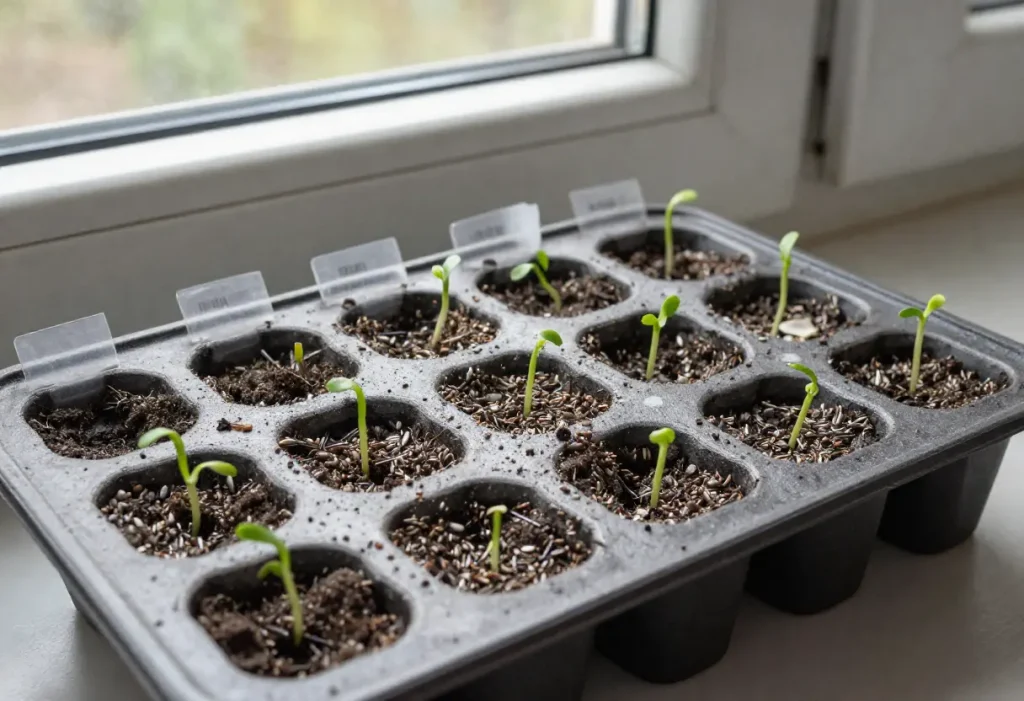
Choosing the right basil seeds is the first step to growing healthy plants. Good seeds lead to strong growth and better flavor. Poor seeds might not sprout well or produce weak plants. Spend time picking seeds that suit your needs and environment.
Basil comes in many varieties. Sweet basil is the most common for cooking. Thai basil has a spicy, anise-like flavor. Lemon basil offers a citrus twist. Purple basil adds color and mild taste. Pick a type that matches your recipe or garden style.
Look for fresh seeds from a trusted source. Old seeds may fail to sprout. Check the seed packet for a clear expiration date. Choose seeds that are clean and free from dust. High-quality seeds increase your chance of success.
Preparing the soil is the first step to grow healthy basil plants. Good soil helps seeds sprout quickly. It holds water and air well. It also gives nutrients for strong roots. Take time to prepare the soil before planting basil seeds.
Check soil quality and adjust it if needed. This will create the best environment for basil to grow. Let's explore what makes soil perfect for basil seeds.
Basil prefers light, well-drained soil. Mix garden soil with compost or peat moss. This mix keeps soil loose and moist. Avoid heavy clay soils that hold too much water. Sandy soils drain too fast and dry out quickly. A good soil mix helps seeds get air and water easily. It also supports root growth and nutrient uptake.
Basil grows best in soil with pH between 6.0 and 7.5. This range is slightly acidic to neutral. Test soil pH using a simple kit from a garden store. If soil is too acidic, add lime to raise pH. If soil is too alkaline, add sulfur or organic matter to lower pH. Correct pH helps basil absorb nutrients well. Balanced pH is key for healthy seedlings.
Planting basil seeds is the first step to growing fresh basil at home. It needs simple care and attention. Starting with good planting methods helps seeds grow strong and healthy.
Understanding the right depth and spacing of seeds keeps plants healthy. Also, knowing the best time to plant improves germination rates and growth.
Plant basil seeds about 1/4 inch deep in the soil. Too deep, and seeds may not sprout well. Too shallow, and they might dry out or wash away.
Space seeds 6 to 12 inches apart. This gives each plant room to grow leaves and roots. Crowded seeds lead to weak plants and poor air flow.
Plant basil seeds after the last frost date in your area. Basil loves warm soil and air. Cold weather slows down seed germination.
Ideal soil temperature is 70°F to 75°F. Warmer soil helps seeds sprout faster and stronger. Planting at the right time leads to healthy, vibrant basil plants.
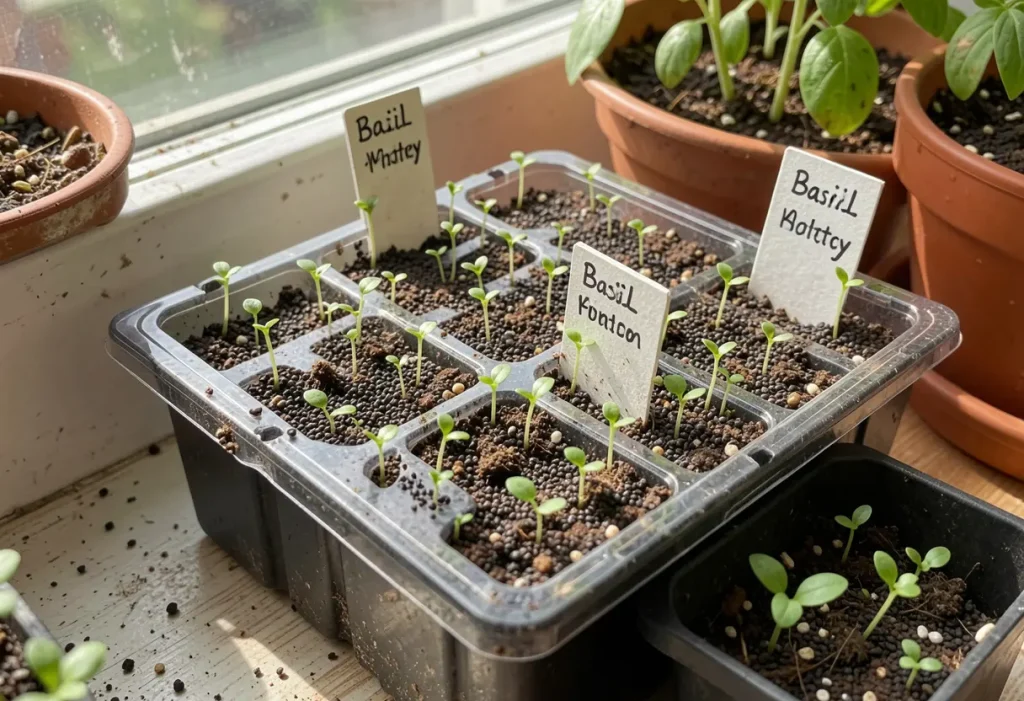
Watering basil seeds correctly is key to healthy germination. Seeds need just the right amount of moisture. Too little water can stop growth. Too much water can cause seeds to rot. Learning good watering techniques helps seeds sprout strong and fast.
Basil seeds need soil that is evenly moist. The surface should feel damp, not wet. Use a spray bottle to mist the soil gently. This prevents seeds from washing away. Keep the soil moist until seeds start to sprout. After sprouting, water less often but still keep soil damp.
Overwatering can drown basil seeds. It fills air pockets in soil and causes mold. Avoid pouring water directly on seeds. Instead, water from the sides of the container. Ensure the pot has good drainage holes. Let excess water drain out quickly. Check soil daily. If it feels soggy, wait before watering again.
Basil seeds need the right light and temperature to sprout well. These two factors help the seeds wake up and start growing. Without good light and warmth, the seeds may take longer to sprout or might not sprout at all.
Basil seeds do not need light to start germinating. They can sprout in darkness. Cover the seeds lightly with soil to keep them dark and moist. After the seeds sprout, they need plenty of light. Place seedlings where they get 6 to 8 hours of sunlight daily. Bright, indirect light works best for young plants. Too much direct sun can dry the soil quickly.
The best temperature for basil seed germination is between 70°F and 85°F (21°C to 29°C). Warmer soil helps seeds sprout faster. Cooler temperatures slow down the process. Keep the soil warm by placing the seed tray on a heating mat or near a warm window. Avoid cold drafts or temperatures below 60°F (15°C). Cold soil can stop seeds from sprouting.
Monitoring seedling growth is key to growing healthy basil plants. Careful observation helps you catch early signs of success or problems. It ensures your basil seedlings get the right care at the right time.
Watching seedlings daily lets you see tiny changes. These small changes tell you if the seeds are sprouting well. It also shows if the environment suits their needs.
Seeds usually sprout within 5 to 10 days. Look for small green shoots breaking through the soil. These shoots are the first sign of life.
Leaves start as tiny, rounded shapes called cotyledons. They appear before true basil leaves grow. Healthy seedlings stand upright and have bright green color.
Soil should stay moist but not soaked. Too dry or too wet soil can stop germination.
Slow or no germination may mean seeds are too old or soil is too cold. Basil seeds need warmth, around 70°F (21°C), to sprout.
Yellow or wilting seedlings often show overwatering or poor light. Move seedlings to a brighter spot and water less.
Leggy seedlings mean they stretch for light. Provide more direct sunlight or use a grow light to fix this.
Watch for mold on soil. It grows in damp, poorly ventilated areas. Improve airflow and reduce watering to prevent mold.
Transplanting basil seedlings is a key step in growing healthy plants. Moving seedlings to bigger pots or outdoors gives them space to grow strong roots. This process requires care to avoid damage. Proper transplanting helps basil thrive and produce more leaves.
Transplant basil seedlings after they develop two to three sets of true leaves. Usually, this happens about three to four weeks after germination. The seedlings should be sturdy and about 2 to 3 inches tall. Avoid transplanting too early, or the plants may not survive the move. Wait until the weather outside is warm if moving seedlings outdoors.
Handle seedlings gently to protect their delicate roots. Use a small tool or your fingers to lift each seedling from its container. Plant them in soil that is loose and rich in nutrients. Water the seedlings immediately after transplanting to reduce stress. Keep them in a shaded area for a few days to help adjustment. Avoid strong sunlight and wind until the plants grow stronger.
Maintaining healthy basil plants is key to enjoying fresh, flavorful leaves. Proper care keeps plants strong and productive. It also helps prevent common problems that slow growth. Focus on good fertilizing habits and pest control to support your basil's health.
Basil plants need nutrients to grow well. Use a balanced, water-soluble fertilizer every two weeks. Choose one with equal parts nitrogen, phosphorus, and potassium. Avoid over-fertilizing, as it can harm roots and leaves. Organic options like compost or fish emulsion work well too. Always water the soil before applying fertilizer to avoid root burn.
Watch basil leaves for signs of pests like aphids or whiteflies. These insects suck plant juices and cause damage. Remove pests by spraying water or using insecticidal soap. Keep plants spaced properly to improve air circulation. Good airflow helps prevent fungal diseases like downy mildew. Remove any yellow or damaged leaves to stop disease spread.
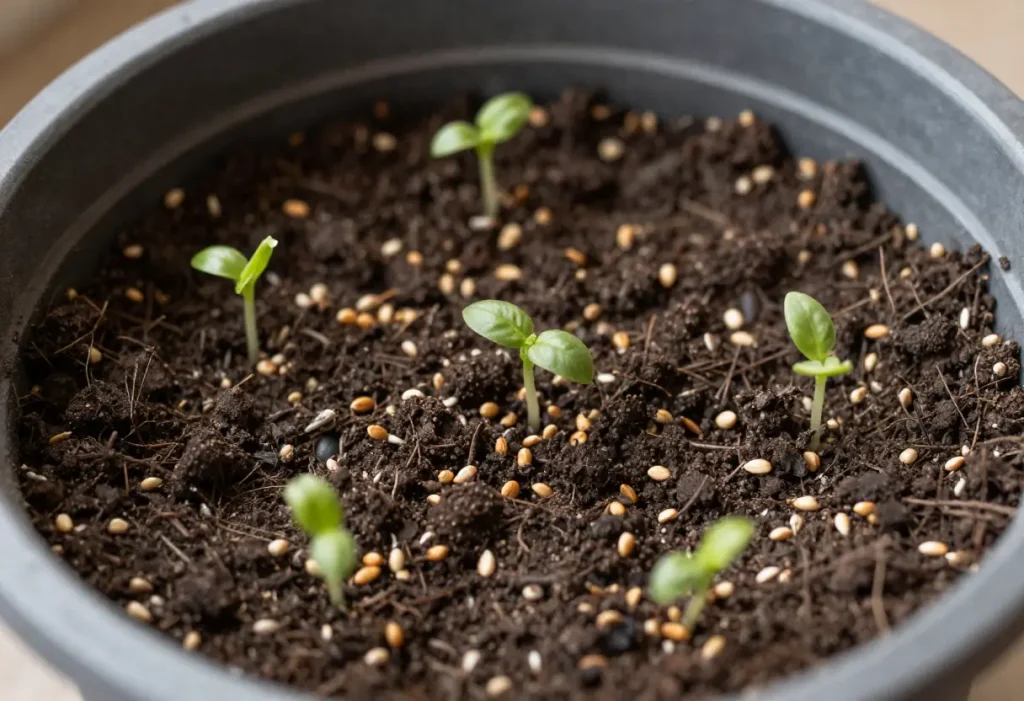
Basil seeds usually sprout in 5 to 10 days. Warmth and moisture help speed up germination.
Use light, well-draining soil with good nutrients. Avoid heavy or soggy soil to prevent seed rot.
Keep the soil moist but not soaked. Too much water can cause seeds to rot.
Basil seeds grow best between 70°F and 75°F (21°C to 24°C). Cooler temps slow down sprouting.
Cover seeds lightly with ¼ inch of soil. They need some darkness but also air to grow.
Growing basil from seeds can be simple and fun. Keep soil moist and warm for best results. Watch tiny sprouts appear in about a week. Give your seedlings plenty of light each day. Thin them out to avoid crowding. With care, your basil plants will grow strong and healthy.
Fresh basil will soon be ready to add flavor to your meals. Enjoy the process and fresh herbs at home. Gardening brings joy and tasty rewards. Start small, stay patient, and your basil will thrive.