Gardening Made Simple.

Imagine having fresh, fragrant basil leaves ready to enhance your meals anytime you want. Growing Basil from Seed is easier than you think, and it brings a special sense of pride as you watch tiny sprouts transform into lush, thriving plants.
Whether you’re a beginner or have tried gardening before, this guide will help you grow healthy basil right at home. Keep reading to discover simple steps that will turn tiny seeds into a vibrant herb garden you’ll love. Your kitchen and taste buds will thank you!
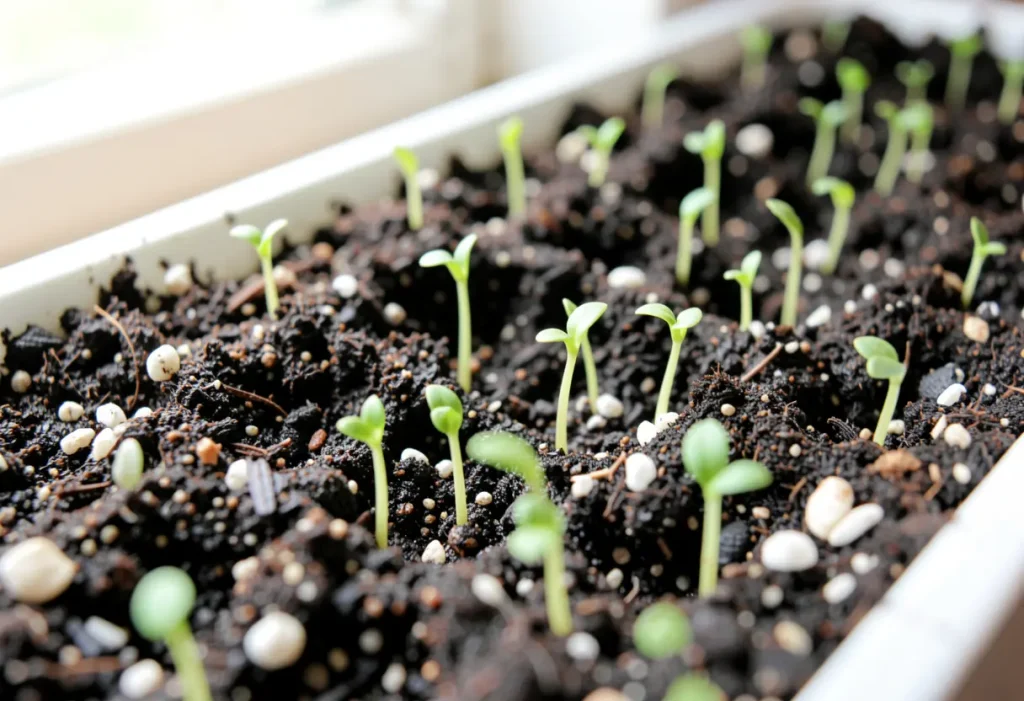
Choosing the right basil seeds is the first step to growing healthy plants. Seeds decide the flavor, color, and size of your basil. Picking the right type makes your garden more enjoyable and productive.
Not all basil seeds are the same. Some are better for cooking, while others are great for decoration. Knowing the popular varieties helps you select seeds that fit your needs.
Sweet basil is the most common type. It has a mild, sweet flavor perfect for many dishes. Genovese basil is a type of sweet basil, famous for making pesto. Thai basil has a spicy, licorice-like taste. It is popular in Asian cooking. Purple basil adds color to your garden. It has a slightly spicy flavor. Lemon basil smells and tastes like lemon. It is great for teas and salads.
Choose seeds from a trusted source to ensure high quality. Check the seed packet for the expiration date. Fresh seeds grow faster and stronger. Avoid seeds that look damaged or old. Store seeds in a cool, dry place before planting. Use seeds labeled as organic for better germination. High-quality seeds give you the best chance for success.
Preparing the planting area is a key step to grow healthy basil from seed. A good start helps the seeds sprout strong and fast. Choose the right containers, soil, light, and temperature before planting. This setup gives basil the best chance to grow well.
Take your time to prepare the area carefully. The right environment helps basil plants thrive and produce fresh leaves for your kitchen.
Pick containers with drainage holes to avoid water buildup. Small pots or seed trays work well for starting basil seeds. Use light, fluffy soil made for seedlings. This soil drains water but keeps moisture for roots. Avoid heavy or clay soils that hold too much water. Fresh, nutrient-rich soil helps basil grow fast and healthy.
Basil seeds need bright light to sprout. Place containers near a sunny window or under grow lights. Give basil 6 to 8 hours of light each day. Keep the temperature between 65°F and 75°F. Warmth helps seeds germinate quickly. Avoid cold drafts or hot spots that stress young plants. A steady, warm spot creates the best growing conditions.
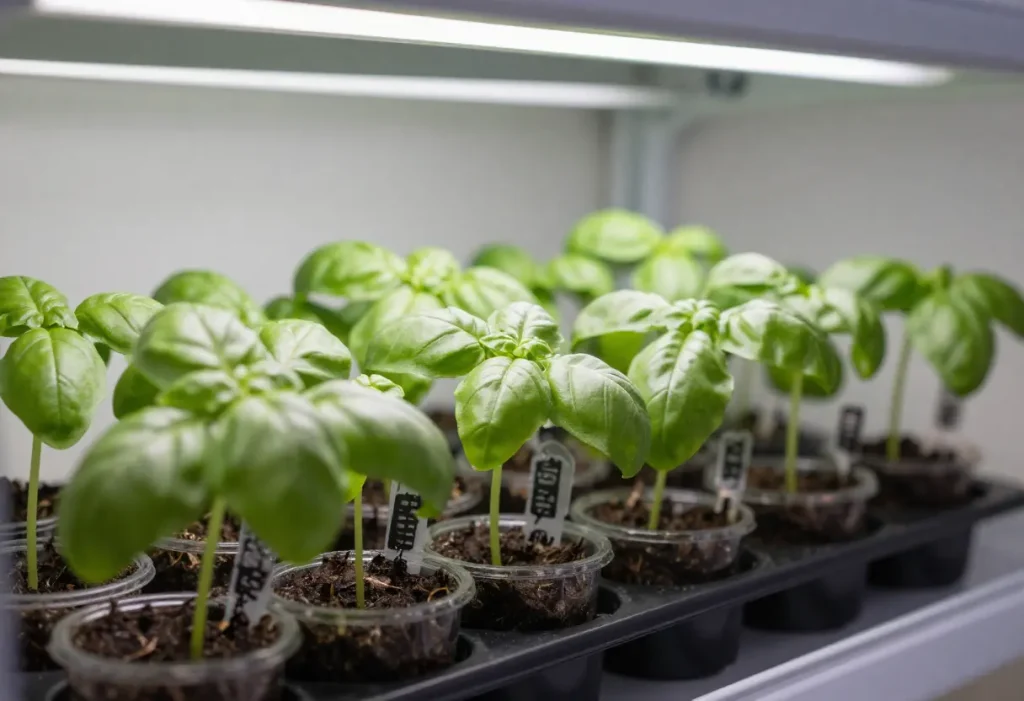
Sowing basil seeds is the first step to growing healthy plants. Start with fresh seeds and good soil. The right method helps seeds sprout fast and strong. Keep the soil warm and moist for best results.
Choose a sunny spot or use a grow light if indoors. Plant seeds carefully to avoid crowding. Proper care at this stage sets the foundation for a lush basil plant.
Plant basil seeds about 1/4 inch deep. Cover them lightly with soil. Too deep can stop sprouting. Keep the soil loose and well-drained.
Space seeds 2 to 3 inches apart. Crowded seeds may not grow well. Proper spacing allows air circulation and room to grow. Thin seedlings if needed to avoid overcrowding.
Water basil seeds gently after planting. Use a spray bottle or fine mist. Avoid washing seeds away or making soil too wet. Keep soil moist but not soggy.
Check soil daily and water lightly as needed. Overwatering can cause seed rot. Once seedlings appear, water at the base to keep leaves dry. This helps prevent disease.
Caring for basil seedlings is an important step in growing healthy plants. At this stage, seedlings need the right attention to grow strong and produce flavorful leaves. Proper care helps prevent problems and prepares seedlings for transplanting outdoors or into larger pots.
Thin seedlings to give each one enough space. Crowded seedlings compete for light and nutrients. Remove the weaker seedlings by snipping them at the soil line. Avoid pulling them out to protect roots of remaining plants.
Transplant seedlings once they have two to three sets of true leaves. Choose a sunny spot with well-draining soil. Gently lift seedlings, keeping soil around their roots intact. Plant them deeper than before to support strong stems.
Water seedlings regularly but avoid overwatering. Keep the soil moist but not soggy. Use a spray bottle or gentle watering can to prevent soil disruption.
Feed seedlings with a diluted, balanced fertilizer every two weeks. Use half the recommended strength to avoid burning young roots. Fertilizer boosts growth and improves leaf flavor.
Growing basil from seed is rewarding but can come with challenges. Preventing common issues helps keep your plants healthy. Healthy basil grows strong, smells fresh, and tastes better. Knowing how to stop problems early saves time and effort. Focus on pests, diseases, and environmental factors to protect your basil.
Basil attracts pests like aphids, whiteflies, and spider mites. These small insects suck sap and weaken the plant. Look for curled or yellow leaves as warning signs. Use insecticidal soap or neem oil to control pests safely. Remove heavily infested leaves to stop spread.
Basil also faces fungal diseases like downy mildew and fusarium wilt. These cause leaf spots and plant wilting. Avoid overcrowding plants to improve air circulation. Water the soil, not leaves, to reduce moisture on foliage. If disease appears, remove affected plants quickly.
Basil thrives in warm, sunny spots with good drainage. Cold temperatures stunt growth and cause leaf drop. Protect plants from frost by covering or moving indoors. Too much sun can burn leaves, causing brown edges. Provide some afternoon shade in hot climates.
Overwatering leads to root rot and weak plants. Water only when the top inch of soil feels dry. Use pots with drainage holes to avoid standing water. Wind can dry out basil quickly and break stems. Plant near a wind barrier or indoors on a calm day.
Harvesting and maintaining basil plants is key to enjoying fresh, flavorful leaves all season. Proper care keeps the plant healthy and encourages new growth. Knowing the right time to pick leaves and how to prune the plant helps extend its life.
Pick basil leaves once the plant has at least six sets of leaves. Choose the largest, healthiest leaves first. Snip leaves from the top, just above a leaf node. This encourages the plant to grow bushier. Avoid taking more than one-third of the plant at a time. Harvest in the morning for best flavor and aroma.
Pinch off flower buds as soon as they appear. Flowering reduces leaf production and changes flavor. Regularly trim the top leaves to promote side shoots. Water basil deeply but allow soil to dry between watering. Use well-draining soil and provide plenty of sunlight. Fertilize lightly every few weeks to keep growth strong.
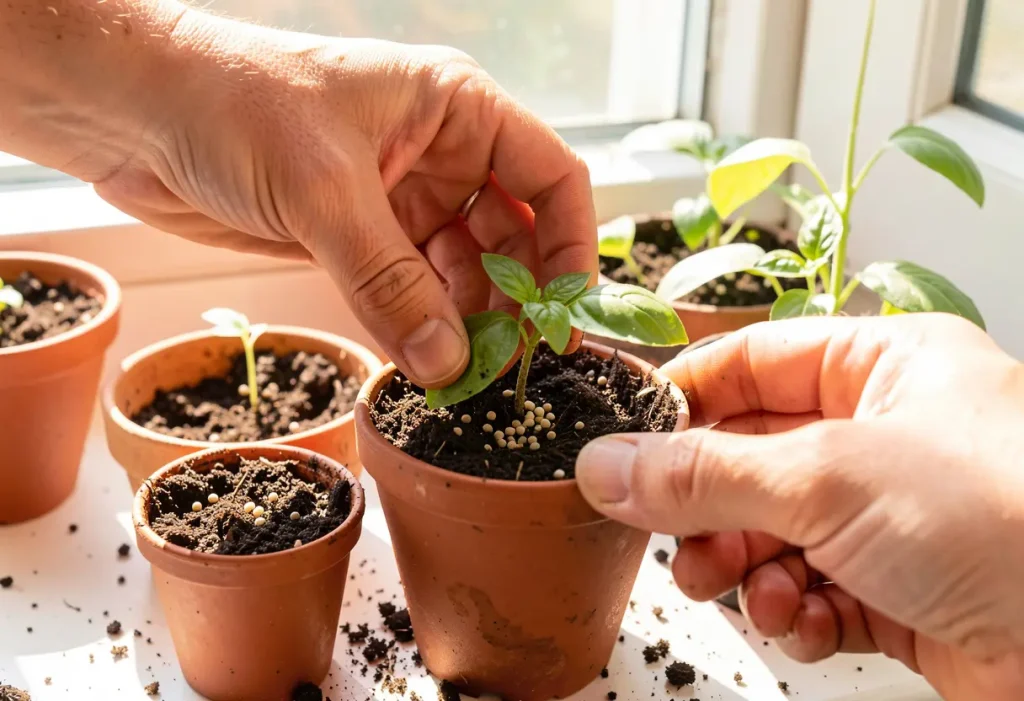
Basil seeds usually sprout in 5 to 10 days. Full growth takes about 60 to 90 days. Growing conditions affect this timeline.
Basil grows well in well-drained, nutrient-rich soil. A mix of garden soil and compost works great. Keep soil moist but not soggy.
Basil needs 6 to 8 hours of sunlight daily. It grows best in warm, sunny spots. Less light can make leaves small.
Water basil seedlings lightly every day to keep soil moist. Avoid overwatering to prevent root rot. Once grown, water when soil feels dry.
Yes, basil seeds can start indoors 6 weeks before last frost. Use small pots with good drainage. Transplant outside after seedlings grow strong.
Growing basil from seed takes patience and care. Start with good soil and enough light. Water the seeds gently but not too much. Watch for tiny sprouts to appear. Thin the seedlings to give each plant space. Keep the plants warm and sunny for best growth.
Fresh basil adds great flavor to your meals. Enjoy the process and the fresh herbs you grow. Simple steps lead to healthy, fragrant basil plants. Your kitchen will thank you for this fresh addition.