Gardening Made Simple.

Have you ever wondered what makes Korean radish different from daikon? Korean Radish Vs Daikon may look similar at first glance, but these two vegetables have distinct flavors, textures, and cooking uses that can transform your recipes.
Whether you’re curious about taste, texture, or how to use them in your meals, this guide will clear up the confusion. Keep reading to discover which one suits your kitchen and why choosing the right radish can make all the difference in your dishes.
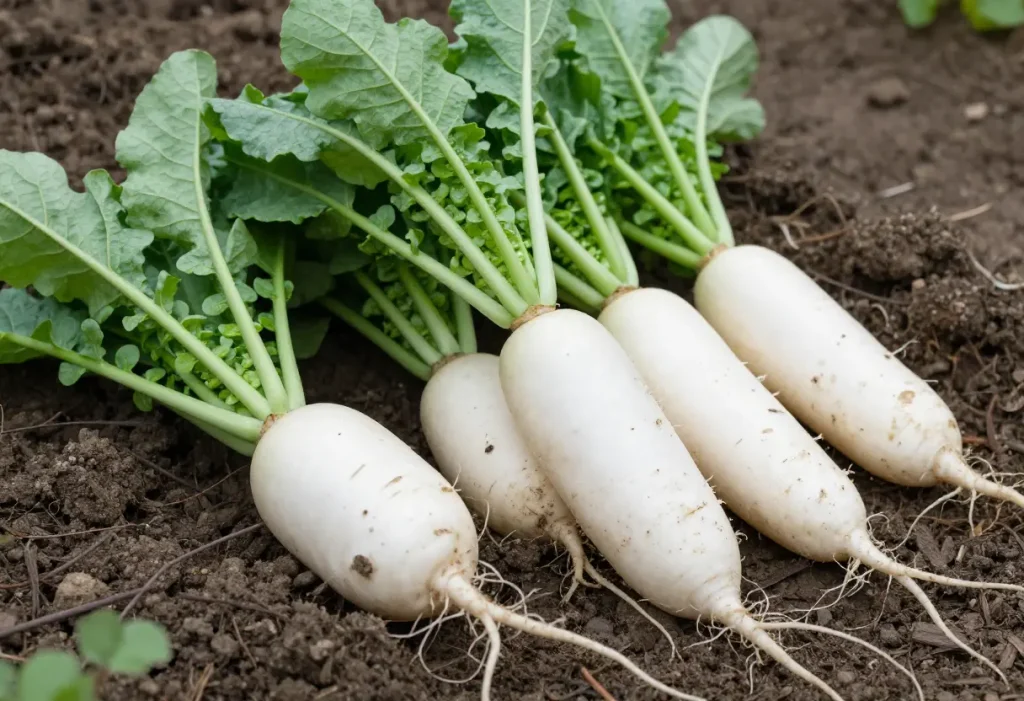
The appearance and size of Korean radish and daikon differ in many ways. These differences help identify each type easily. Both are root vegetables but look unique. Their size and shape affect cooking choices and uses.
Korean radish has a pale green top near the leaves. The rest of the body is white. Daikon is usually all white from top to bottom. Some daikons may have a slight green shade near the leaves. The green part of Korean radish is more noticeable.
Korean radish is shorter and thicker compared to daikon. It looks more like a large, round carrot. Daikon is long and slender, often twice as long as Korean radish. Korean radish has a blunt end, while daikon tapers to a point. The size difference changes how they cook in dishes.
The flavor profiles of Korean radish and daikon offer distinct experiences. Both belong to the same family but deliver different tastes and textures. Understanding these differences can help you choose the right radish for your dish. Here is a closer look at their taste intensity and texture.
Korean radish has a bold, peppery flavor that stands out in dishes. It carries a sharp bite but remains slightly sweet. This makes it perfect for pickling or adding zest to soups.
Daikon has a milder, sweeter taste. It is less spicy and more delicate. This gentle flavor works well in salads and stir-fries where you want subtlety.
Korean radish is firm and dense. It holds its crunch even after cooking, adding a satisfying bite. The texture is crisp and juicy, providing a fresh feel.
Daikon is softer and more watery. It becomes tender quickly when cooked, blending smoothly into dishes. Its texture is smooth, making it ideal for purees and broths.
Korean radish and daikon both shine in kitchens around the world. Each has unique flavors and textures that suit different recipes. Understanding their culinary uses helps you pick the right one for your dish.
Both radishes are crunchy and mild but vary in size and taste. Korean radish tends to be denser and sweeter. Daikon is larger and has a milder, more watery texture. These traits shape how they appear in meals.
Korean radish is key in many Korean recipes. It is often sliced for kkakdugi, a spicy radish kimchi. It also adds crunch to soups like mu guk. Radish is pickled or boiled to bring out sweetness. Its firm texture holds up well in stews and braises.
Daikon is a staple in Japanese cooking. It is grated fresh as a condiment for grilled fish or tempura. Slices of daikon simmer in dishes like oden, a comforting winter stew. Pickled daikon, called takuan, is a popular side dish. Its soft texture absorbs flavors easily.
Both radishes work well raw, cooked, or pickled. They add crunch to salads and slaws. Cooking softens their texture and mellows sharpness. Both can be roasted, stir-fried, or blended into soups. Their mild taste pairs well with bold spices and sauces.
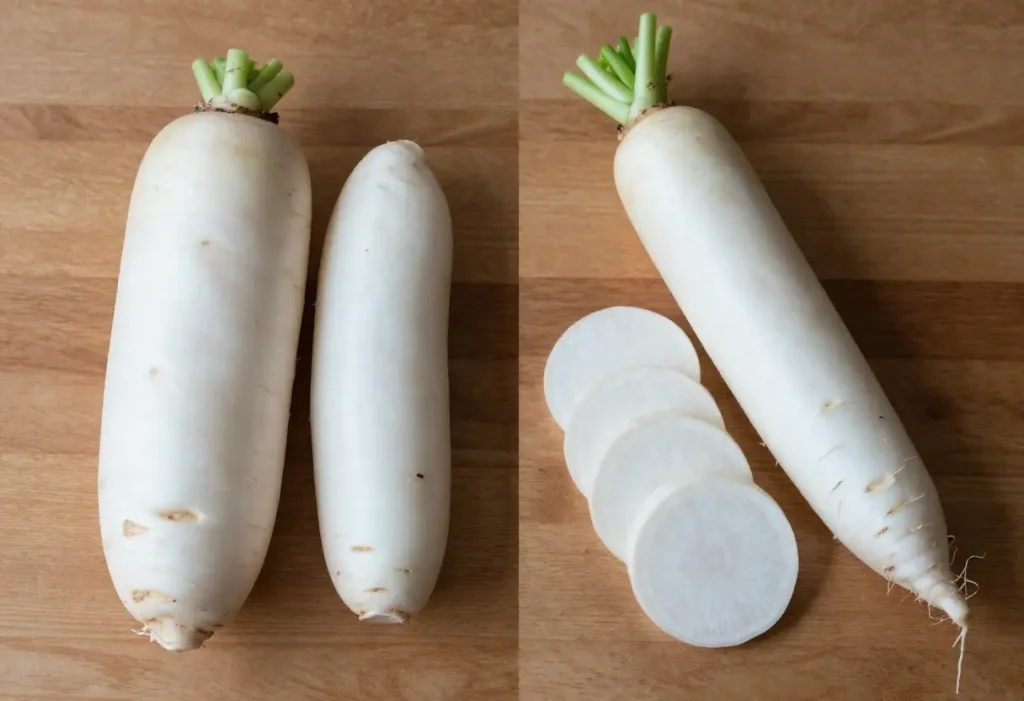
Both Korean radish and daikon offer excellent nutritional benefits. These root vegetables are low in calories but rich in essential nutrients. They provide vitamins and minerals that support overall health. Eating them can help maintain a balanced diet and improve body functions.
Korean radish and daikon contain vitamin C, which boosts the immune system. They also have potassium, important for heart and muscle health. Both vegetables provide small amounts of calcium and magnesium. These minerals help keep bones strong and support nerve function. Fiber in radishes aids digestion and promotes gut health.
Eating Korean radish or daikon can reduce inflammation in the body. They have antioxidants that protect cells from damage. These vegetables may help lower blood pressure due to their potassium content. The fiber helps control blood sugar levels. Radishes support weight loss because they fill you up without many calories.
Growing Korean radish and daikon requires specific conditions for the best results. Both vegetables thrive in cool weather and need the right soil to develop their unique flavors and textures. Understanding their growing needs helps gardeners produce healthy roots.
Korean radish prefers cooler climates with temperatures between 50°F and 70°F. It grows best in early spring or late fall. Daikon also likes cool weather but can tolerate slightly warmer conditions. Both need plenty of sunlight but not hot weather. Heat can make the roots tough and bitter.
Both radishes grow well in loose, well-drained soil rich in organic matter. Korean radish needs deeper soil because of its long, thick root. Daikon prefers sandy loam soil that allows easy root expansion. Water regularly to keep soil moist but not soggy. Harvest Korean radish after 60 to 70 days. Daikon takes a bit longer, usually 70 to 80 days. Harvesting at the right time ensures the best flavor and texture.
Proper storage keeps Korean radish and daikon fresh longer. Both root vegetables need cool, moist conditions. This section explores how to store each and their shelf life. Learn tips to maintain their crunch and flavor.
Store Korean radish and daikon in the refrigerator. Wrap them in a damp cloth or paper towel. Place wrapped roots in a plastic bag with holes. Keep the bag in the vegetable drawer. Avoid washing before storage to prevent mold. Check roots regularly for soft spots or decay.
Korean radish lasts about 1 to 2 weeks in the fridge. Daikon can stay fresh for 2 to 3 weeks. Both lose crunch after long storage but remain usable. Freezing is possible but changes texture. Use fresh for the best taste and texture.
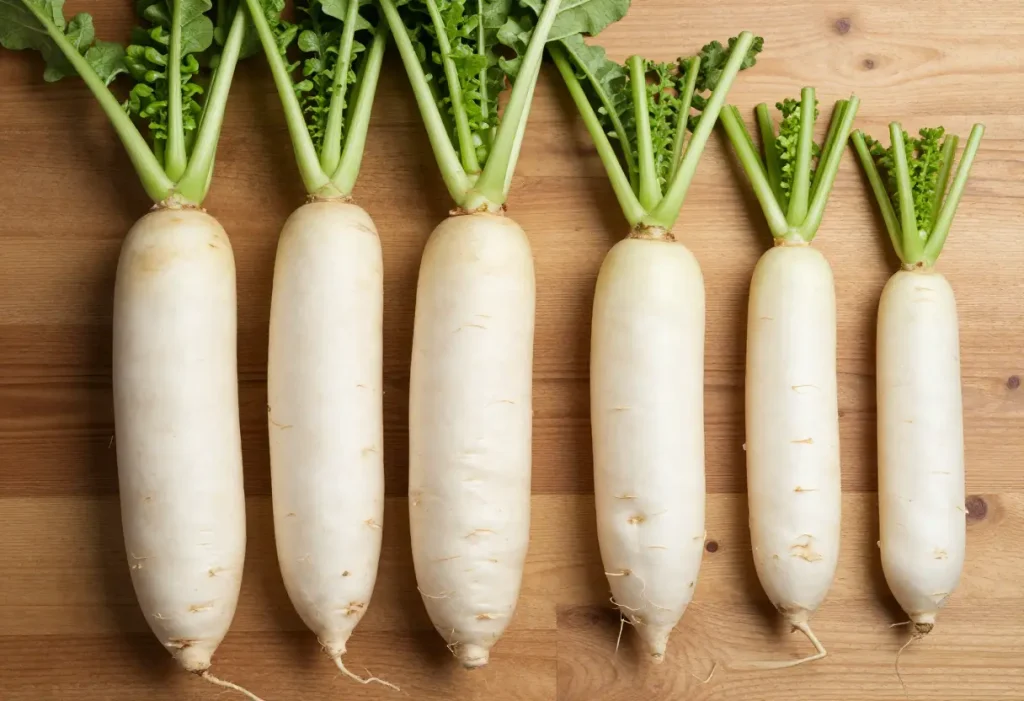
Korean radish is shorter, rounder, and has a rougher skin. Daikon is longer, smoother, and white with a mild taste.
Yes, Korean radish can replace daikon in most dishes. The flavor is stronger, so adjust seasoning accordingly.
Korean radish is crunchier and firmer, while daikon is softer and juicier. This affects cooking methods and dish texture.
Korean radish is preferred for kimchi due to its firm texture and peppery flavor. It holds up well during fermentation.
Both radishes are low in calories and high in fiber. Korean radish has slightly more vitamin C and a spicier taste.
Korean radish and daikon both bring unique flavors to dishes. Korean radish is firmer and sweeter. Daikon tends to be milder and softer. Choosing depends on the taste you want. Both vegetables add crunch and nutrition. Try them in soups, salads, or pickles.
Each offers a fresh twist to meals. Enjoy experimenting with these versatile roots. Your cooking will feel more vibrant and healthy. Simple, tasty, and good for you.