Gardening Made Simple.

When to Harvest Daikon Radish is essential for getting the best flavor and texture from your crop. Are you growing daikon radish and wondering when to pick it for the best taste and texture? Knowing the perfect time to harvest can make all the difference between a crunchy, sweet radish and one that’s tough or bitter, ensuring a more enjoyable and successful harvest.
You’ll learn simple signs to watch for, so you can enjoy your daikon at its peak. Keep reading to discover how to get the most from your harvest and make every bite delicious.
Daikon radish grows in clear stages. Knowing these stages helps you decide the best time to harvest. Each stage shows how the plant develops from seed to mature root. Understanding growth helps you get the best flavor and texture.
Watch the plant closely during each stage. This way, you can pick the radish when it is just right.
Seeds sprout in about 3 to 7 days after planting. The soil should be moist and warm. Tiny white roots appear first, followed by small green shoots. This stage is fragile; keep soil moist but not wet.
Leaves grow quickly after germination. Healthy green leaves mean the plant is strong. Leaves help the root grow by collecting sunlight. This stage lasts 2 to 3 weeks. Watch for pests or yellow leaves and act fast.
The root starts to thicken and grow down into the soil. It takes about 30 to 60 days to reach full size. The root should be firm and smooth. Avoid harvesting too early; the root will be small and bitter. Wait until it reaches the desired length, usually 6 to 20 inches.
Knowing the signs of maturity helps you harvest daikon radish at the best time. The right harvest time ensures good taste and texture. Watch for changes in size, color, and leaves. These clues show the radish is ready to pick.
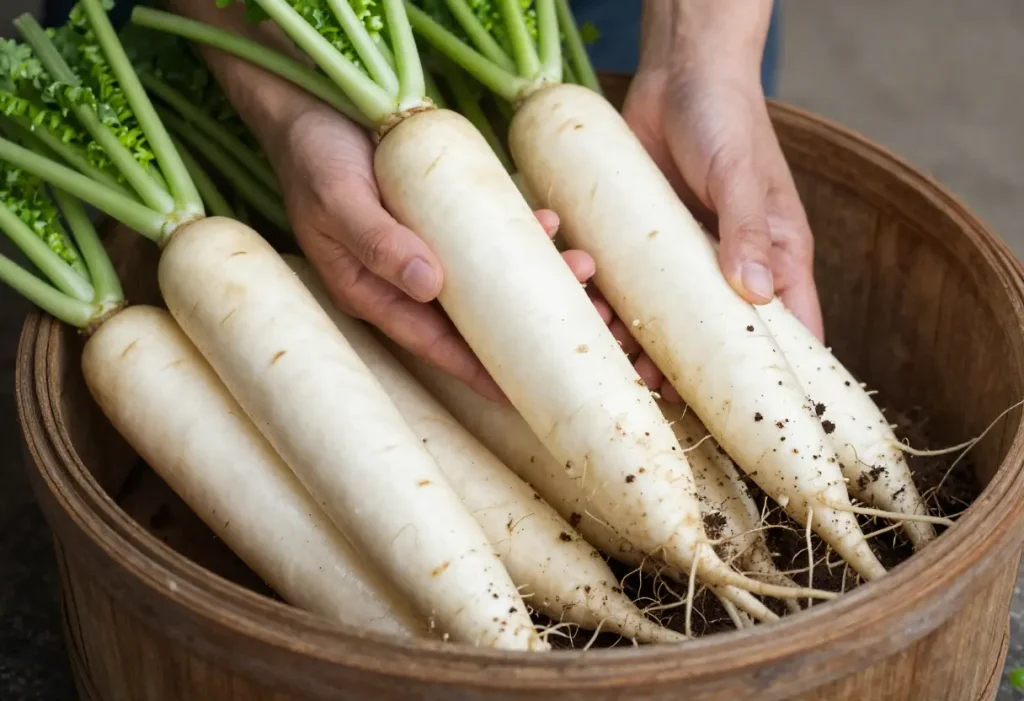
Daikon radish grows long and thick as it matures. The ideal size is about 6 to 20 inches long. The shape should be firm and smooth, not cracked or shriveled. A full, rounded root means it is ready for harvest.
The color of daikon radish changes slightly as it ripens. Most varieties turn bright white or pale cream. Avoid harvesting if the root looks green or dull. A bright and clear color shows the radish is mature and fresh.
Leaves also give clues about maturity. Healthy, green leaves show the plant is still growing. Yellowing or wilting leaves mean the root is mature and should be pulled. Watch the leaves closely to know the right harvest time.
Daikon radishes come in many types. Each type has its own best time to harvest. Knowing the right time helps get the best flavor and texture. Harvesting too early or too late can affect the taste and size. Below is a guide by variety to help you pick the right moment.
Early season daikon radishes grow fast. They usually mature in about 30 to 40 days. These types are smaller and mild in flavor. Harvest them before the roots get too big and tough. Check your radishes often to catch the best size.
Mid-season daikons take about 50 to 60 days to mature. They grow larger than early types and have a stronger taste. Wait until the roots reach 6 to 8 inches long. These radishes have a good balance of crunch and spice. Harvest before the skin becomes rough or cracked.
Late harvest daikons need 70 days or more to grow fully. They become the largest and have a deep, sharp flavor. These types store well in cool places for months. Pick them once they reach full size but before they get woody. Late varieties often grow best in cooler weather.
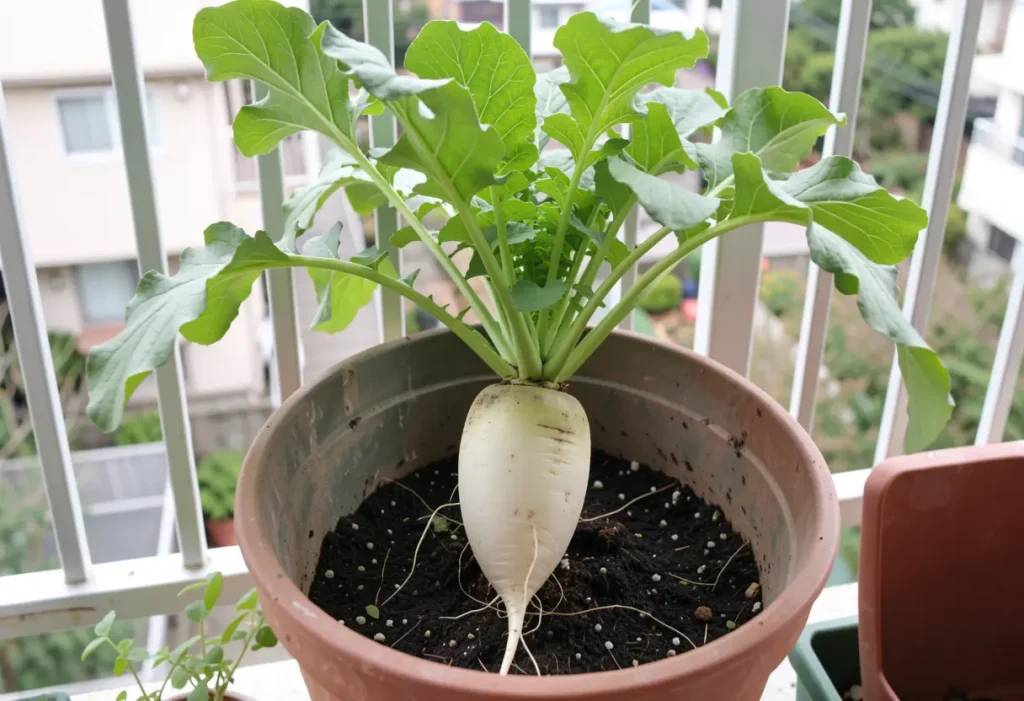
The climate and soil around your daikon radish plants greatly affect when to harvest. Weather changes and soil health influence root growth and flavor. Understanding these factors helps pick radishes at their best size and taste.
Daikon radishes grow best in cool weather. Too much heat makes roots tough and bitter. Cooler temperatures slow growth but improve flavor. Watch the weather to time your harvest well.
Consistent moisture keeps daikon roots tender and juicy. Dry soil causes roots to crack or grow small. Too much water leads to poor root shape. Keep soil evenly moist for better radishes.
Rich soil helps daikon radishes grow large and healthy. Lack of nutrients slows root growth and weakens plants. Use balanced fertilizer to supply key nutrients. Healthy soil means stronger, tastier radishes ready for harvest.
Harvesting daikon radish requires care and the right techniques to protect the roots. Proper methods help keep the radish fresh and prevent damage. Follow these simple steps for a successful harvest.
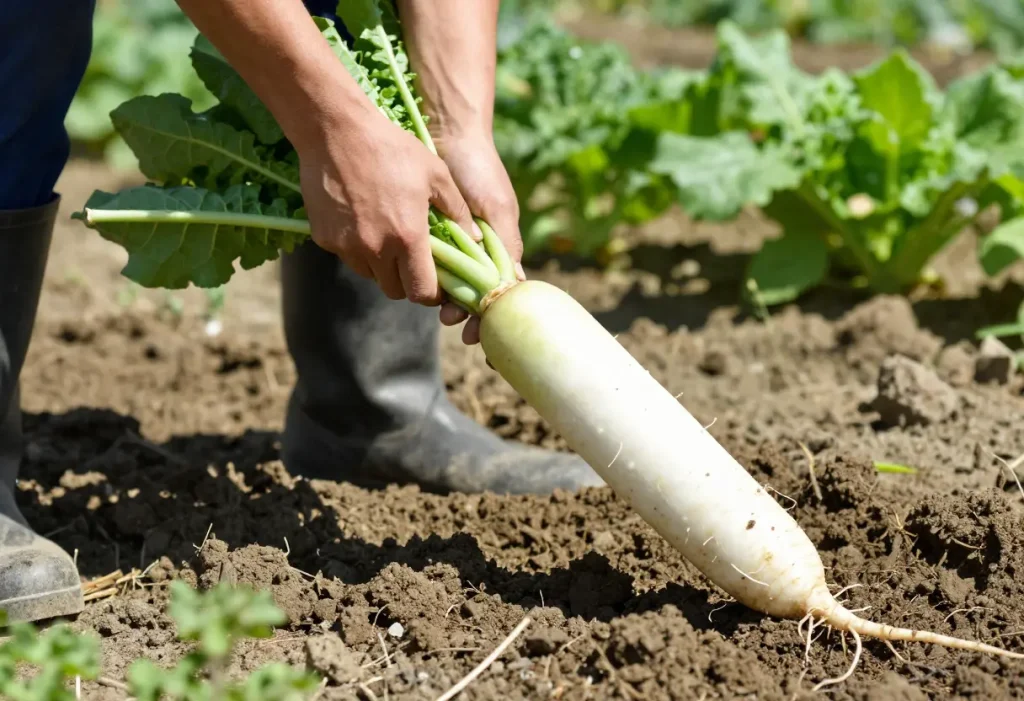
Use a garden fork or spade to loosen the soil around the radish. Avoid sharp tools that can cut the root. A hand trowel works well for small spaces. Clean tools prevent disease and damage.
Loosen the soil first with a fork or trowel. Hold the radish leaves close to the base. Pull slowly and gently to avoid breaking the root. If the radish resists, loosen more soil. Patience is key to keep the radish whole.
Shake off excess soil carefully. Do not wash radishes immediately; let them dry first. Store them in a cool, dark place. Use perforated plastic bags or containers with ventilation. Proper storage keeps radishes crisp and tasty for longer.
Harvesting daikon radish requires care to get the best taste and texture. Many gardeners make common mistakes that affect the radish quality. These errors can lead to poor flavor, tough texture, or wasted crops. Knowing what to avoid helps you enjoy fresh and crisp daikon radishes.
Harvesting daikon radishes too early results in small, underdeveloped roots. These radishes can taste bitter and lack sweetness. Early harvesting also means less juice and a tough texture. Wait until the radish reaches the right size for the best flavor and crunch.
Leaving daikon radishes in the ground too long causes them to become woody and pithy. The skin may crack, and the radish can split. Overgrown radishes lose their mild flavor and become bitter. Harvest on time to avoid these issues and enjoy tender roots.
Pulling daikon radishes roughly can break or bruise the roots. Damaged radishes spoil faster and lose freshness. Use gentle twisting or loosening of soil before pulling to protect the radish. Handle with care to keep your harvest fresh and tasty.
Fresh daikon radish is crisp and mild, perfect for many dishes. Proper storage keeps it fresh and tasty longer. Using daikon soon after harvest gives the best flavor and texture. Learn simple ways to store and prepare daikon for your meals.
Wrap daikon in a damp cloth or paper towel. Place it in a plastic bag with holes for airflow. Store in the vegetable drawer of your fridge. Keep the temperature around 32-40°F (0-4°C). Avoid storing near fruits like apples or bananas. They release gases that can spoil daikon quickly. Fresh daikon lasts about two weeks in the fridge. Check regularly for softness or spots and use it soon if found.
Wash daikon under cold water before use. Peel the skin with a vegetable peeler for a smoother texture. Slice or grate daikon to match the recipe needs. Use thin slices for salads and pickles. Grated daikon works well as a garnish or in sauces. Cooking daikon softens its flavor and texture. Simmer, roast, or stir-fry to enjoy its mild taste.
Daikon radish fits well in soups and stews. Add sliced daikon to miso soup for a fresh crunch. Pickled daikon makes a tangy side dish or snack. Try daikon kimchi for a spicy, fermented treat. Stir-fried daikon with garlic and soy sauce is easy and tasty. Grated daikon with soy sauce is a simple salad dressing. Experiment with these recipes to enjoy fresh daikon fully.
Daikon radish usually takes 50 to 70 days to mature. This depends on the variety and growing conditions.
Look for large, firm roots that push up from the soil. Leaves should be green and healthy.
Harvesting too early results in small, less flavorful roots. Wait until they reach full size for best taste.
Daikon radish grows best in cool weather. Harvest in late fall or early winter for sweet roots.
It is best to gently pull daikon radish from the soil. Use care to avoid breaking the root.
Harvest daikon radish when roots reach 6 to 20 inches long. Check the leaves; they should be green and healthy. Avoid waiting too long to prevent woody texture and bitterness. Pull radishes gently from the soil to keep them fresh.
Store them in a cool, dry place after harvesting. Enjoy fresh daikon in salads, soups, or pickles. Timing affects taste and texture greatly. Watch your plants closely for the best harvest. Happy gardening!