Gardening Made Simple.
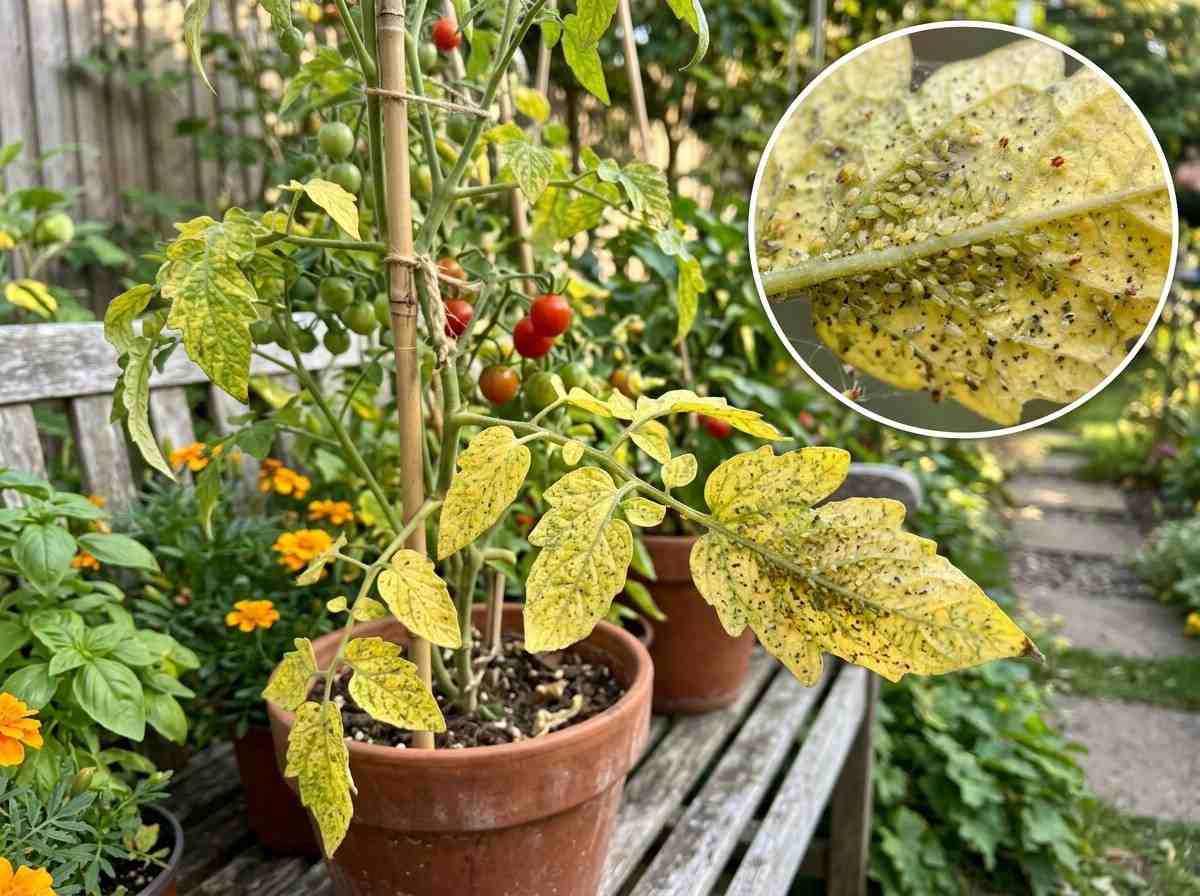
Are you noticing Cherry Tomato Leaves Turning Yellow and wondering what’s going wrong? Yellow leaves can be a clear sign that your plant needs help, but it’s not always easy to know why.
If you want your cherry tomatoes to stay healthy and produce juicy, delicious fruit, understanding the cause of yellow leaves is key. You’ll discover simple reasons behind this common problem and easy steps you can take to bring your plants back to life.
Keep reading to make sure your cherry tomatoes thrive all season long!
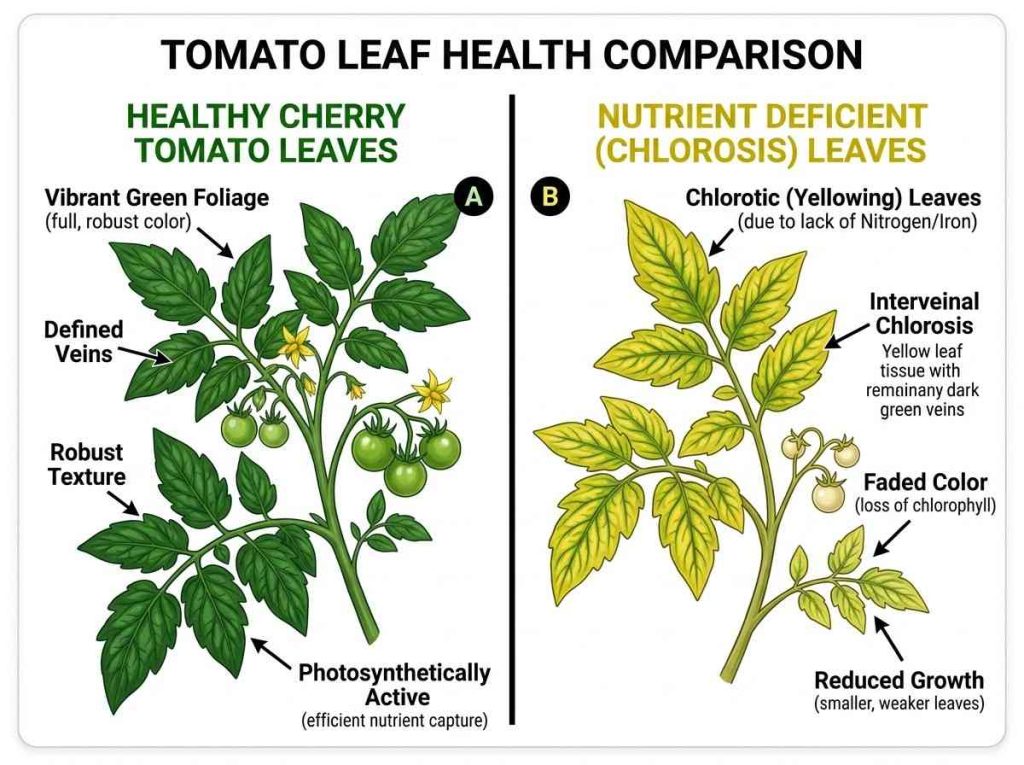
Yellow leaves on cherry tomato plants can worry any gardener. Understanding the causes helps to fix the problem quickly. Many factors can make the leaves turn yellow. Some come from the soil, others from how you care for the plant or the environment around it.
Plants need nutrients to stay green and healthy. Lack of nitrogen is a common cause of yellow leaves. Without enough nitrogen, leaves lose their color and look pale. Iron and magnesium shortages also cause yellowing, often with green veins showing. Fertilizing the soil with balanced nutrients can restore leaf color.
Water affects plant health greatly. Overwatering can drown roots, stopping nutrient absorption. This leads to yellow leaves and wilting. Underwatering makes leaves dry and turn yellow too. Consistent watering, not too much or too little, keeps leaves healthy and green.
Insects like aphids and spider mites suck plant sap. This weakens the plant and causes yellow spots or patches. Diseases like blight or fungal infections also cause yellow leaves. Check plants regularly for pests or signs of disease. Early treatment helps stop damage.
Heat, cold, or strong winds can stress cherry tomato plants. Stress reduces the plant’s ability to absorb nutrients. Leaves may turn yellow and fall off. Moving plants to a protected spot or using shade nets can reduce stress. Healthy plants resist yellowing better.
Yellow leaves on cherry tomato plants often signal a nutrient problem. Identifying which nutrient is missing helps you fix the issue quickly. Nutrients play a key role in leaf health and overall plant growth. Spotting specific signs points to what the plant lacks.
Nitrogen is vital for leafy growth. Without enough nitrogen, leaves turn pale yellow. The older leaves usually show yellowing first. Plants become weak and stop growing well. Adding nitrogen-rich fertilizer can restore green color fast.
Magnesium helps leaves stay green by supporting chlorophyll. A magnesium shortage causes yellow spots between leaf veins. The edges may stay green while the center yellows. You can correct this by using Epsom salt or magnesium supplements.
Iron and potassium also affect leaf color. Iron deficiency leads to yellow leaves with green veins. Potassium shortage causes leaf edges to brown and curl. Regular soil tests help detect these shortages early. Balanced fertilizers keep all nutrients at healthy levels.
Proper water management is key to healthy cherry tomato plants. Yellow leaves often signal water issues. Adjusting your watering habits can stop leaf yellowing and help plants thrive.
Too much water drowns the roots. This blocks oxygen and causes root rot. Water only when the soil feels dry an inch below the surface. Use pots with drainage holes to prevent water buildup.
Dry soil stresses plants and turns leaves yellow. Water deeply to reach all roots. Check soil moisture regularly, especially on hot days. Avoid light, quick watering that only wets the surface.
Water in the morning to reduce evaporation. Use a consistent schedule but adjust for rain or heat. Mulch around plants keeps soil moist longer. Monitor leaves for signs of water stress and adjust accordingly.
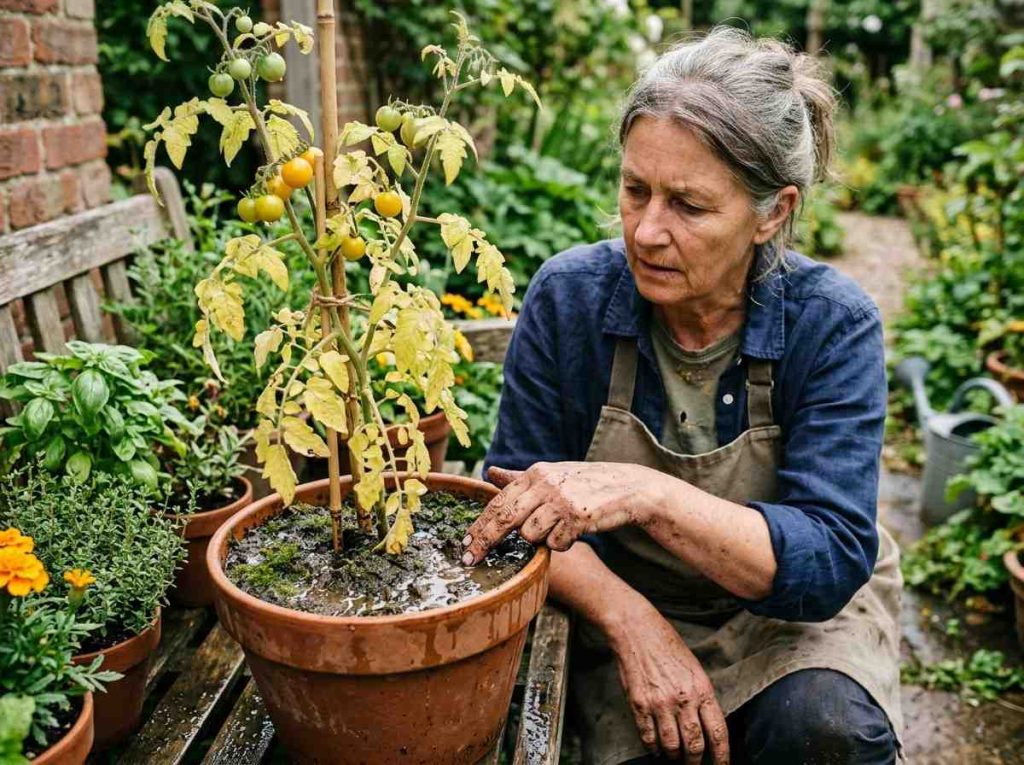
Yellow leaves on cherry tomato plants often signal pest or disease problems. Controlling these issues early helps keep plants healthy. Understanding common pests and infections is key to effective care.
Aphids are tiny insects that suck plant sap. They cause leaves to curl and yellow. Whiteflies feed on the underside of leaves and spread viruses. Spider mites create fine webs and cause leaf spots. Tomato hornworms chew large holes in leaves and stems. These pests reduce plant strength and fruit production.
Early blight causes dark spots on lower leaves, leading to yellowing. Septoria leaf spot creates small, round spots with gray centers. Bacterial spot makes water-soaked lesions that turn brown. These infections spread quickly in wet, humid conditions. They weaken plants and lower yield.
Neem oil works well to control many pests without harming plants. Insecticidal soap removes soft-bodied insects like aphids. Introducing ladybugs helps eat harmful pests naturally. Removing affected leaves stops disease spread. Keeping plants spaced improves air flow and reduces moisture buildup.
Cherry tomato leaves turn yellow for several reasons. Environmental factors play a big role in leaf health. Changes in temperature, sunlight, and soil can cause stress. This stress shows up as yellowing leaves. Understanding these factors helps keep your plants healthy and green.
Cherry tomato plants dislike sudden temperature changes. Too much heat can dry out leaves. Cold nights can shock the plant. This shock slows nutrient flow in the leaves. Nutrient loss causes the leaves to turn yellow. Consistent temperature helps leaves stay green and strong.
Sunlight is vital for tomato plants. Not enough light means leaves cannot make food. This lack of food turns leaves yellow. Too much direct sun can burn leaves. Burned leaves lose their green color. Finding the right balance of sunlight is key.
Soil quality affects how plants absorb water and nutrients. Poor soil can cause yellow leaves. Soil that holds too much water drowns roots. Roots cannot take in oxygen and nutrients well. Dry soil leaves plants thirsty and weak. Healthy soil with good drainage keeps leaves green.
Yellow leaves on cherry tomato plants signal a problem. Treating this issue quickly helps the plant grow healthy. Effective treatment methods focus on feeding, pruning, and natural care. Each step supports the plant’s recovery and fruit production.
Yellow leaves often mean nutrient shortages. Use balanced fertilizer with nitrogen, phosphorus, and potassium. Apply it every two weeks during the growing season. Avoid over-fertilizing; it can harm the plant. Check soil pH to ensure nutrient absorption. Correct pH helps roots take up nutrients properly.
Remove yellow leaves to stop disease spread. Cut leaves close to the stem with clean tools. Pruning improves air circulation around the plant. Better airflow reduces fungus and pests. Focus on leaves that are fully yellow or dead.
Natural remedies protect plants without chemicals. Use neem oil spray to control pests and fungus. Compost tea nourishes soil and boosts immunity. Mulch with straw or leaves to keep soil moist. Organic solutions keep the garden safe and healthy.
Healthy cherry tomato plants need care every day. Taking steps early stops yellow leaves. These steps keep plants strong and fruits tasty. Follow simple actions to protect your garden.
Test soil often to check nutrients and pH. Good soil helps plants grow well. Add compost or fertilizer based on test results. Avoid too much nitrogen to prevent leaf yellowing. Healthy soil means healthy leaves.
Give each plant enough space to breathe. Crowded plants share less air and light. This leads to wet leaves and disease. Leave about 18 inches between plants. Proper spacing keeps plants dry and healthy.
Look at your plants every few days. Check for yellow leaves or pests. Remove dead or damaged leaves quickly. Clean tools before use to stop disease spread. Early action helps plants stay green and strong.
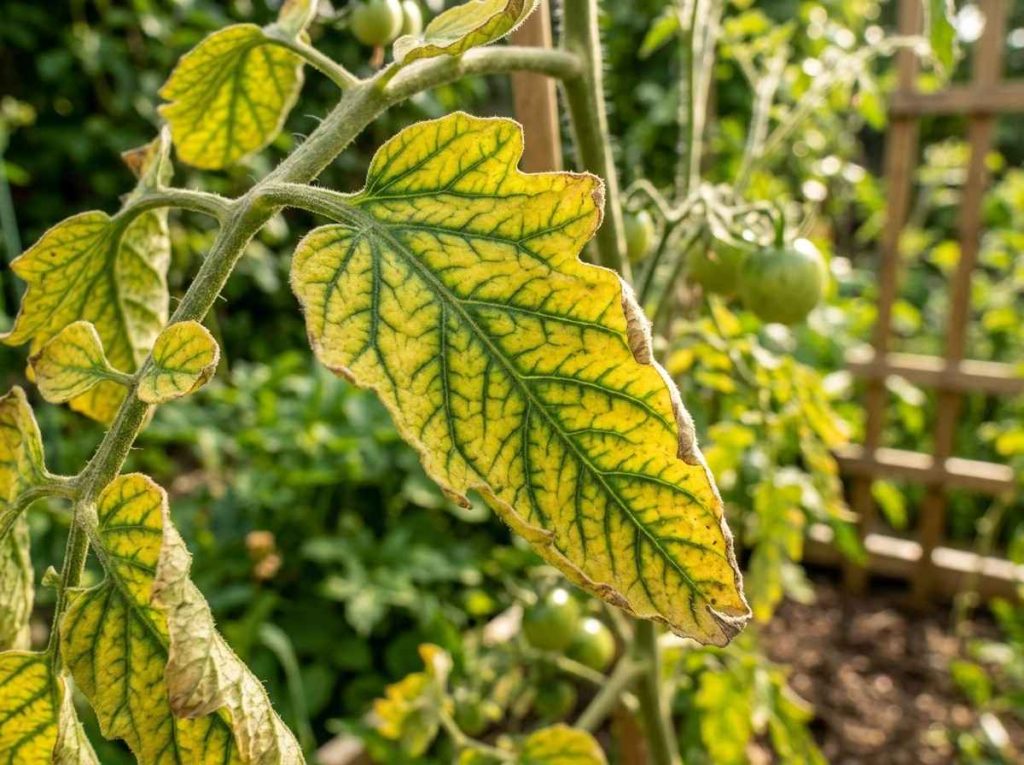
Yellow leaves often mean too much water or poor soil drainage. It can also signal a lack of nutrients or disease.
Check soil moisture and reduce watering if soil is soggy. Add balanced fertilizer and improve sunlight exposure.
Yes, yellow leaves reduce the plant’s ability to make food. This can slow down fruit growth and lower yield.
Certain pests like aphids and whiteflies can stress plants. This stress often shows as yellowing leaves.
Prune yellow leaves when they look dry or dead. This helps the plant focus energy on healthy growth.
Yellow leaves on cherry tomato plants signal a problem. Check watering habits first—too much or too little water harms leaves. Look for pests or diseases causing damage. Make sure plants get enough sunlight and nutrients. Removing yellow leaves helps the plant stay healthy.
Regular care keeps your cherry tomatoes growing strong. Watch your plants closely to catch issues early. Healthy leaves mean better fruit and a happier garden. Simple steps bring your cherry tomato plants back to life. Keep growing and enjoy fresh, tasty tomatoes soon.