Gardening Made Simple.
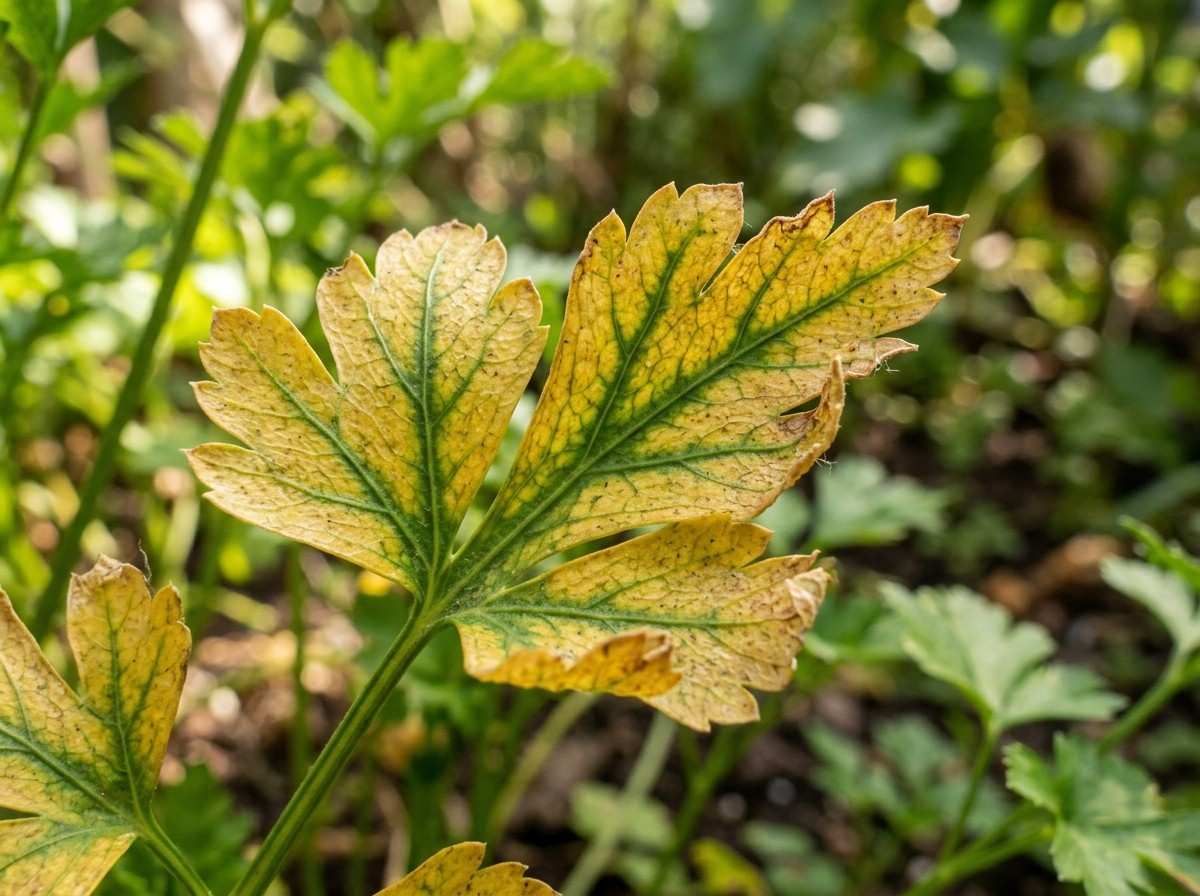
Are you noticing your parsley leaves turning yellow and wondering what’s going wrong? It can be frustrating to see your once vibrant green herb lose its color and vitality.
Yellow leaves are a clear sign that your parsley needs attention—and the sooner you act, the better chance you have to save it. You’ll discover the common reasons behind yellowing parsley leaves and simple steps you can take to bring your plant back to life.
Keep reading to make sure your parsley stays fresh and healthy!
Parsley leaves turning yellow is a common problem gardeners face. Understanding the causes helps keep plants healthy and green. Yellow leaves often signal stress or poor care. Identifying the reason early prevents further damage.
Parsley needs nutrients to grow strong and green. Lack of nitrogen causes yellow leaves. Nitrogen helps leaves stay healthy and vibrant. Iron deficiency also leads to yellowing, especially between leaf veins. Adding balanced fertilizer can fix these issues quickly.
Too much water harms parsley roots. Roots start to rot and cannot take in nutrients. Leaves turn yellow and wilt. Soil must drain well to avoid water buildup. Water only when the top inch of soil feels dry.
Not enough water stresses parsley plants. Leaves dry out and turn yellow or brown. Plants need consistent moisture to stay healthy. Water deeply but do not let soil stay soggy. Regular watering helps maintain leaf color.
Insects like aphids and spider mites damage parsley leaves. They suck sap and cause yellow spots. Fungal diseases also cause leaf discoloration. Inspect plants regularly for pests or signs of disease. Use natural or chemical treatments to control infestations.
Extreme temperatures cause parsley leaves to yellow. Too much sun or cold can stress plants. Parsley prefers mild, indirect sunlight. Protect plants from frost and heat waves. Proper placement ensures healthy green leaves.
Yellow leaves on parsley often show a nutrient problem. Plants need many nutrients to stay healthy. Knowing which nutrient is missing helps fix the issue fast. Nutrient problems often show in leaf color and shape. Understanding these signs lets you take the right steps.
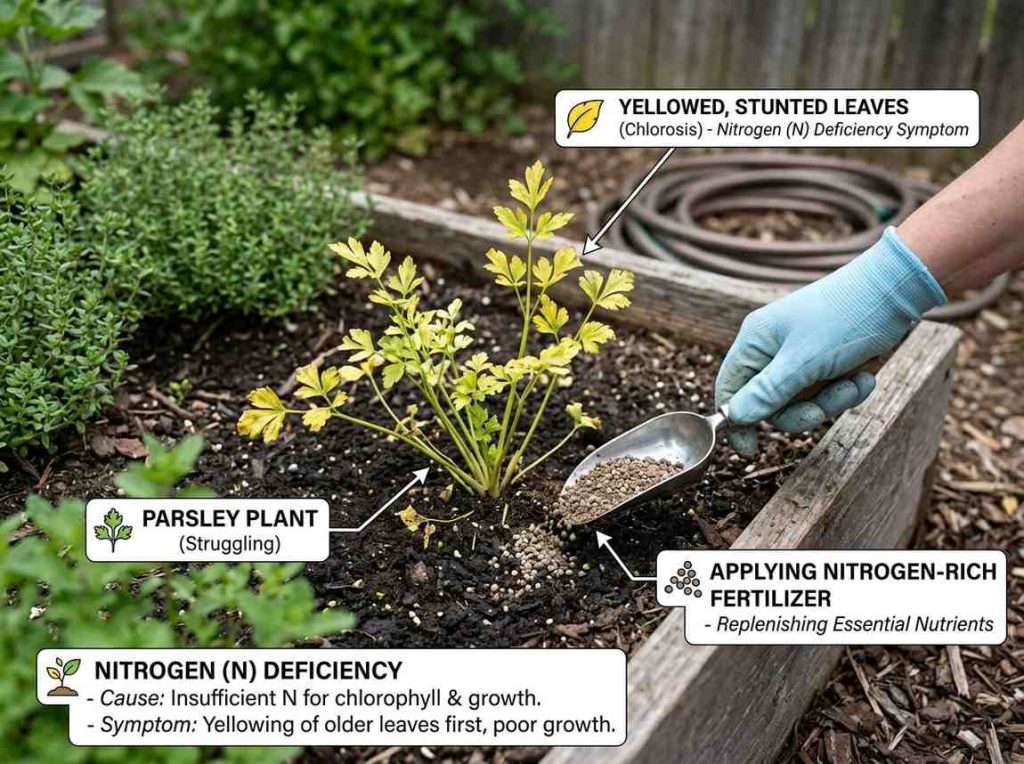
Nitrogen is key for green, healthy leaves. Parsley with low nitrogen has pale yellow leaves. Older leaves turn yellow first. Growth slows down and stems may get thin. Nitrogen shortage makes plants weak and less leafy. Watch for these signs early to add fertilizer.
If older parsley leaves turn yellow while new growth remains green, nitrogen deficiency is often the cause. Compare several leaves before applying fertilizer, as over-fertilizing can create additional plant stress.
Iron and magnesium keep parsley green and strong. Iron shortage causes yellow leaves but green veins stay. This is called chlorosis. Magnesium deficiency makes yellow spots between veins. Leaves may curl and drop off. Both nutrients help the plant make food from sunlight.
Testing soil shows nutrient levels clearly. Use a simple soil test kit. Take samples from different parts of the garden. Follow instructions to get accurate results. Test pH as well, because it affects nutrient uptake. Soil testing saves time and helps apply the right fertilizer.
Watering parsley correctly helps keep its leaves green and healthy. Water affects how well parsley grows and how strong it stays. Too little or too much water can make parsley leaves turn yellow. Using the right watering techniques keeps parsley happy and fresh.
Here are some easy tips to water parsley properly and avoid yellow leaves.
Parsley needs steady moisture but not soggy soil. Water parsley about two to three times each week. Check the soil; it should feel slightly dry before watering again. In hot weather, watering may need to be more often. Avoid letting the soil dry out completely.
Good drainage stops water from sitting around parsley roots. Use pots with holes or well-draining garden soil. Water flows through fast and keeps roots healthy. Poor drainage causes water to pool and harms parsley. Make sure water does not stay on the surface.
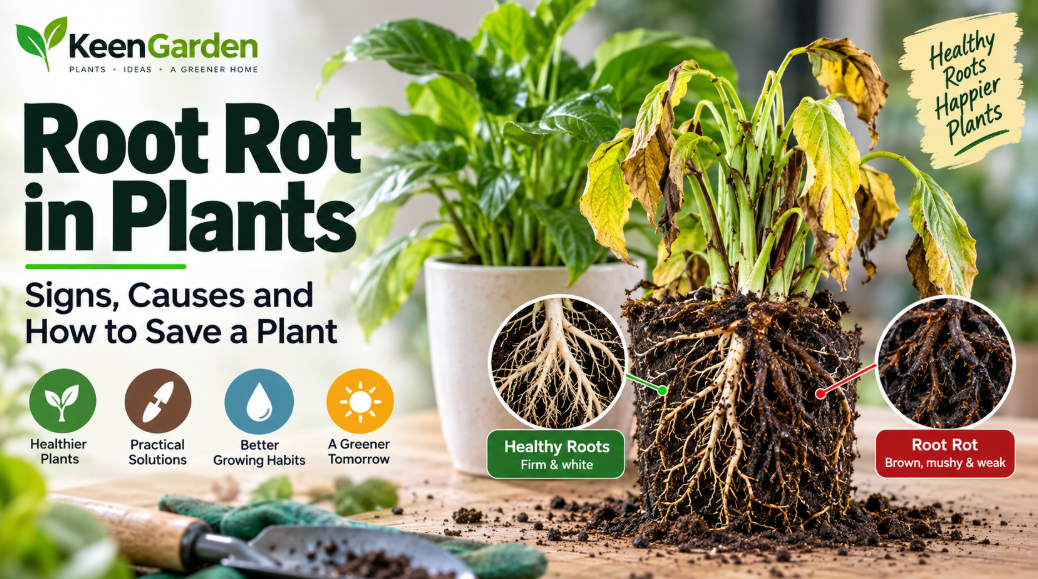
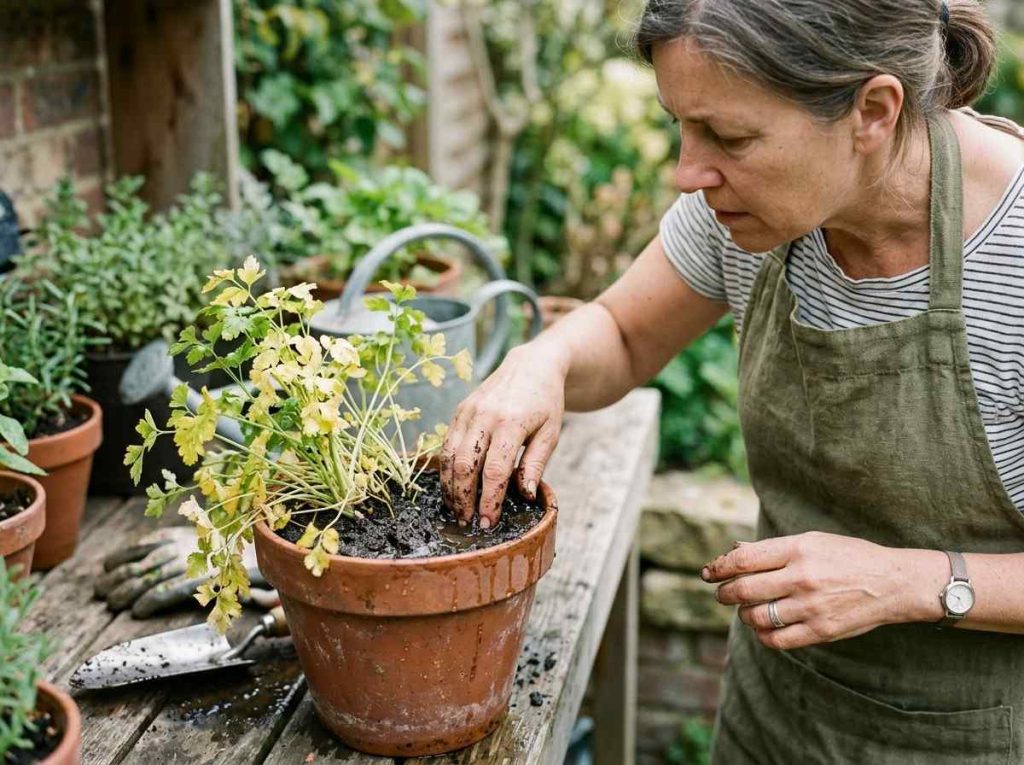
Root rot happens when roots stay too wet for long time. It makes parsley leaves yellow and weak. Water parsley just enough to keep soil moist, not wet. Let soil dry a little between waterings. Remove extra water from trays or saucers under pots. Container-grown parsley is especially vulnerable to root rot when pots lack drainage holes. Always choose containers that allow excess water to escape freely.
Parsley leaves turning yellow often point to pests or diseases. Managing these problems quickly keeps your plants healthy. Understanding the common pests and infections helps you act fast. Natural methods protect your garden without harsh chemicals.
Aphids are small insects that suck sap from parsley leaves. They cause yellow spots and leaf curling. Inspect the underside of parsley leaves regularly because aphids often hide there before visible damage appears on the plant.
Spider mites also attack parsley, leaving tiny webs and yellow dots. Caterpillars chew on leaves, making holes and yellow patches. Whiteflies can weaken plants by feeding on the underside of leaves. Early detection stops damage before it spreads.
Powdery mildew is a common fungal infection. It shows as white powder on leaves and turns them yellow. Leaf spot disease causes dark spots with yellow halos on parsley. Root rot, caused by bacteria, makes leaves wilt and yellow. These infections spread quickly in wet, crowded gardens. Proper air flow and clean soil reduce risks.
Use neem oil spray to repel aphids and whiteflies. Soap water sprays remove spider mites and caterpillars safely. Attract beneficial insects like ladybugs to eat pests naturally. Remove infected leaves to stop fungal spread. Rotate crops each season to keep soil healthy and pests low. Healthy plants resist pests and diseases better.
Parsley leaves turning yellow often signal problems with the plant’s environment. Understanding how environmental factors affect parsley helps keep it healthy and green. These factors include light, temperature, and air movement.
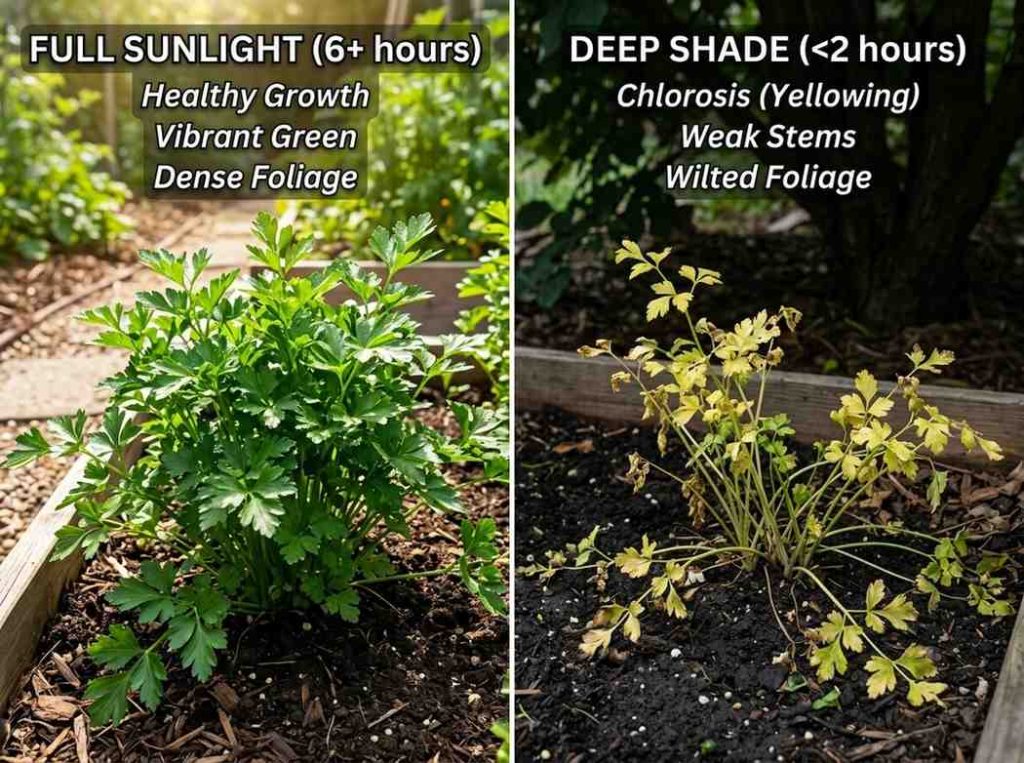
Parsley needs a good balance of sunlight. Too much direct sun can burn the leaves, causing yellow spots. Too little light slows growth and makes leaves pale. Partial shade often works best, especially in hot climates. It helps the plant stay cool and keeps leaves vibrant.
Parsley prefers mild temperatures. Sudden heat or cold shocks stress the plant. Extreme heat can dry out leaves quickly. Cold snaps can stunt growth and turn leaves yellow. Keeping parsley in stable temperatures helps it grow strong and green.
Good air flow reduces moisture on leaves. This stops mold and fungal diseases that cause yellowing. Crowded plants block air and trap humidity. Space plants well to allow fresh air movement. Healthy air circulation keeps parsley leaves bright and fresh.
Yellow parsley leaves show signs of stress. Fixing the color is easier than you think. Small changes in care can bring back vibrant green leaves. These simple steps help your parsley thrive and stay healthy.
Parsley needs balanced nutrients to stay green. Yellow leaves often mean a lack of nitrogen. Add a gentle fertilizer with nitrogen to the soil. Use compost or organic matter to improve soil health. Test soil if unsure about nutrient levels. Healthy soil supports strong and colorful parsley growth.
Both too much and too little water cause yellow leaves. Water parsley when the top inch of soil feels dry. Keep soil moist but not soggy. Good drainage prevents root rot and leaf discoloration. Consistent watering helps parsley keep its green color.
Organic treatments can boost parsley health naturally. Sprinkle neem oil or insecticidal soap for pests. Use seaweed extract to strengthen plants and improve leaf color. Mulch around parsley to keep soil moist and cool. Organic care supports green leaves and reduces stress.
Keeping parsley leaves green and fresh takes care and attention. Yellowing leaves often signal problems that can be stopped early. Simple steps can help maintain vibrant parsley plants in your garden or pots. These measures focus on soil health, plant care, and space management.
Healthy soil supports strong parsley growth. Test soil regularly to check pH and nutrients. Parsley prefers slightly acidic to neutral soil, around pH 6.0 to 7.0. Add compost or organic matter to improve soil quality. Avoid heavy, waterlogged soil that causes root problems. Good drainage helps prevent yellow leaves.
Check parsley plants often for signs of pests or disease. Look under leaves and around stems for insects or damage. Remove yellow or dead leaves to stop spread of disease. Early detection helps control problems before they worsen. Healthy plants resist stress and stay green longer.
Give parsley enough space to grow well. Crowded plants block air flow and sunlight. This creates moist conditions that encourage pests and fungus. Space plants about 6 to 8 inches apart. Proper spacing reduces leaf yellowing and promotes strong growth.
Yellow leaves on parsley usually mean it is stressed. This can happen from too much water, not enough sunlight, or poor soil.
Check soil moisture and reduce watering if soil is wet. Move parsley to a sunnier spot for better light.
Yes, yellow leaves can show a lack of nutrients like nitrogen. Fertilize your parsley with a balanced, gentle fertilizer.
Pests like aphids or spider mites can cause yellow spots or leaves. Inspect the plant and treat with mild insect soap.
Overwatering is a common cause of yellow leaves. Let the soil dry out between waterings to keep parsley healthy.
Yellow parsley leaves need quick care to stay healthy. Check watering habits and soil quality first. Avoid too much sun or cold drafts. Remove yellow leaves to help new growth. Use gentle plant food for better nutrition. Watch for pests and treat early.
Healthy parsley grows bright and tasty. Small changes make a big difference. Keep an eye on your plants every day. Soon, green leaves will shine again. Growing parsley can be simple and fun!