Gardening Made Simple.
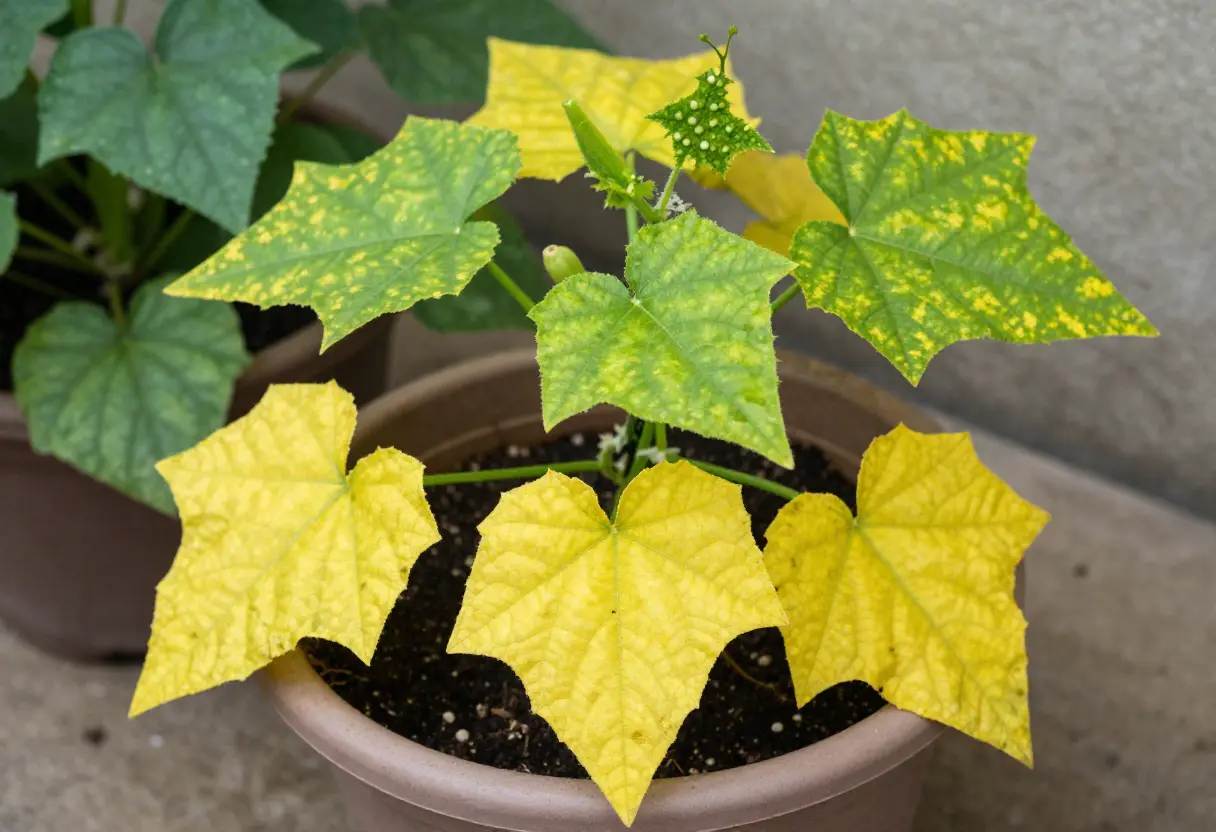
Are you noticing Yellow Leaves on Cucumber Plants in Containers and wondering what’s going wrong? Yellow Leaves on Cucumber Plants in Containers can signal issues like watering problems or nutrient deficiencies, but with the right care, your plants can recover and keep producing healthy cucumbers.
Understanding why this happens and how to fix it can save your plants and boost your cucumber yield. You’ll discover simple, effective ways to bring your container cucumbers back to life and keep them healthy all season long. Keep reading to find out exactly what you need to do!
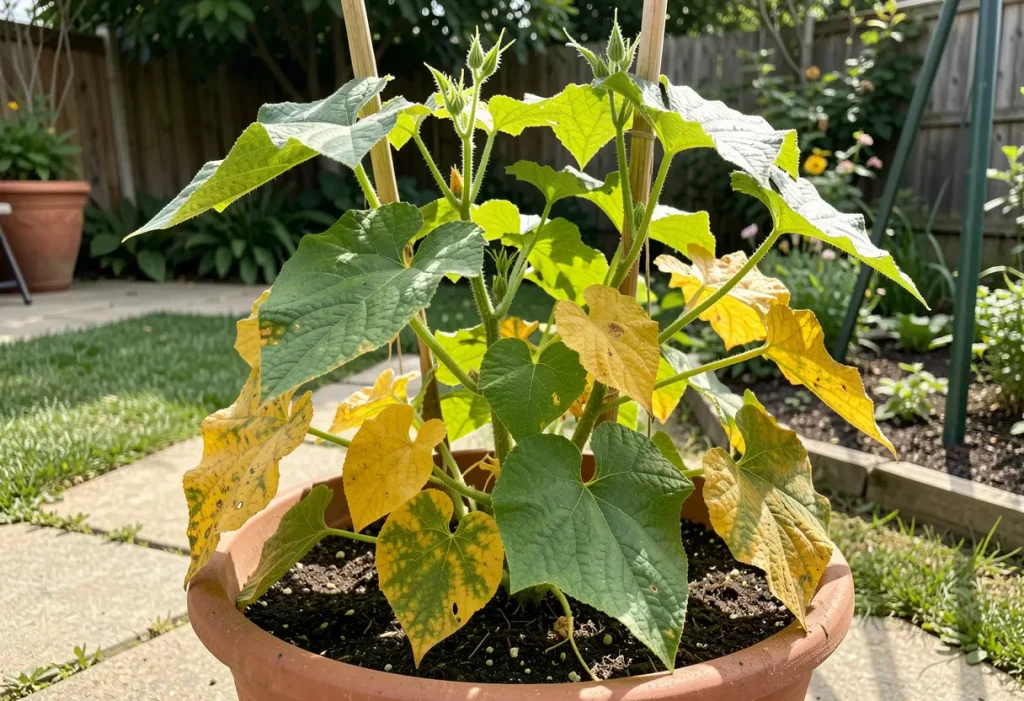
Yellow leaves on cucumber plants in containers are a common problem. It signals that something is wrong with the plant’s health. Understanding the main causes helps fix the problem fast. Several factors can cause yellow leaves, including watering problems, lack of nutrients, pests, diseases, and stress from the environment.
Water is crucial for cucumber plants. Too much water can drown roots and stop oxygen flow. This causes leaves to turn yellow and drop. Too little water makes the plant dry and weak. Leaves lose color and curl up. Keep soil moist but not soggy. Water deeply and less often for best results.
Cucumber plants need many nutrients to grow strong. Nitrogen is the most common missing nutrient. Without it, leaves turn yellow and pale. Other missing nutrients like magnesium and iron also cause yellowing. Use a balanced fertilizer made for vegetables. Feed your plant regularly to keep leaves green and healthy.
Small pests like aphids and spider mites suck plant juices. This weakens leaves and makes them yellow. Diseases like powdery mildew and root rot also cause yellow leaves. Check the plant often for bugs or white spots. Use safe insect sprays or organic treatments to protect plants.
Extreme heat or cold can stress cucumber plants. Hot sun burns leaves, turning them yellow or brown. Cold drafts or sudden temperature changes also harm plants. Poor air circulation and crowded pots add to stress. Place containers in a spot with mild sun and good airflow. Avoid sudden changes in temperature for best growth.
Yellow leaves on cucumber plants in containers often signal watering problems. Proper watering is key to keeping plants healthy. Both too much and too little water cause stress. Identifying the signs helps fix the issue quickly. This section explains how to spot watering problems and care for your cucumber plants.
Overwatering causes yellow leaves and soft stems. Leaves may feel limp or swollen. Soil stays wet for a long time. Roots can rot, stopping water absorption. Pests and diseases may appear due to excess moisture. Check if water pools at the bottom of the container. Overwatered plants often wilt even with moist soil.
Underwatering makes leaves dry and crispy. Yellowing starts at leaf edges and spreads inward. Soil looks dry and pulls away from container sides. Plants droop and grow slowly. Roots shrink and cannot support healthy leaves. Lack of water reduces nutrient uptake. Underwatered cucumbers appear weak and lifeless.
Water cucumber plants deeply but less often. Allow the top inch of soil to dry before watering. Use a container with drainage holes. Water early in the day to reduce evaporation. Check soil moisture by touching before watering again. Avoid watering leaves directly to prevent disease. Adjust watering frequency based on weather and plant growth.
Yellow leaves on cucumber plants in containers often signal nutrient problems. Plants need key nutrients to grow healthy and green. Without these nutrients, leaves turn yellow and plant growth slows. Identifying and fixing nutrient deficiencies helps plants recover fast.
Nitrogen is vital for leaf growth and color. A lack of nitrogen causes older leaves to turn yellow first. Yellowing starts at the tips and spreads along the leaf. Plants with nitrogen deficiency grow slowly and look weak. Adding nitrogen-rich fertilizer can restore the green color and boost growth.
Magnesium and iron are essential for making chlorophyll. Without enough magnesium, leaves turn yellow between veins but veins stay green. Iron deficiency causes young leaves to yellow while veins remain dark. Both deficiencies reduce photosynthesis and weaken plants. Using supplements with magnesium and iron helps fix these issues.
Choose fertilizers with balanced nutrients for container cucumbers. Slow-release fertilizers provide steady nutrition over weeks. Liquid fertilizers work quickly and show fast results. Organic options improve soil health and feed plants gently. Regular feeding supports strong growth and prevents yellow leaves.
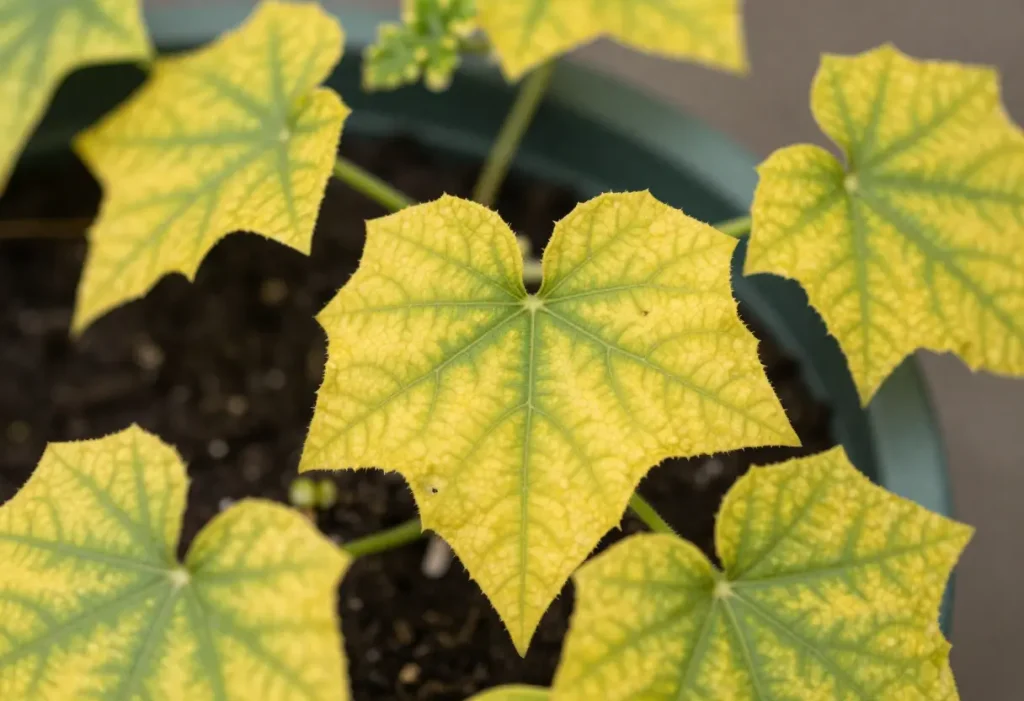
Managing pests and diseases is key to healthy cucumber plants in containers. Yellow leaves often signal stress caused by insects or infections. Early detection helps protect plants and keeps your harvest strong.
Cucumber plants attract several pests that cause damage. Aphids suck sap and make leaves yellow and curled. Spider mites are tiny but cause speckled yellow leaves. Whiteflies also feed on leaves, spreading disease. Check leaves regularly for small bugs or webbing. Removing pests early stops further harm.
Fungi and bacteria cause many cucumber leaf problems. Powdery mildew shows as white powder on leaves and weakens plants. Downy mildew creates yellow patches that turn brown. Bacterial wilt causes sudden yellowing and plant collapse. Good airflow and watering at soil level reduce infections. Avoid wet leaves to prevent fungal growth.
Natural treatments protect cucumber plants without harsh chemicals. Use insecticidal soap to control soft-bodied pests like aphids. Neem oil works well against many insects and fungi. Remove infected leaves to stop disease spread. Keep containers clean and soil fresh. Healthy plants resist pests and recover faster.
Yellow leaves on cucumber plants in containers often signal environmental stress. Reducing this stress helps plants stay healthy and grow strong. Small changes in care can make a big difference. Focus on temperature, light, container choice, and soil quality.
Cucumber plants need warmth but not too hot. Temperatures between 70 and 85°F are best. Too much heat causes leaves to turn yellow. Place containers where plants get 6 to 8 hours of sunlight daily. Avoid harsh afternoon sun that can burn leaves.
Choose containers with enough space for roots. Small pots dry out quickly and stress plants. Containers should have holes for water drainage. This stops water from pooling and roots from rotting. Use pots made of breathable material to keep soil cool.
Use soil that drains well but holds moisture. Mix potting soil with perlite or sand for better drainage. Avoid heavy, clay soils that keep water too long. Check soil moisture often. Water only when the top inch feels dry to touch.
Preventive care is the best way to stop yellow leaves on cucumber plants in containers. Healthy plants grow strong and resist diseases. Small steps make a big difference in keeping leaves green and vibrant.
Check your cucumber plants every few days. Look closely at leaves, stems, and soil. Early signs of yellow leaves or pests can be caught fast. Remove damaged leaves to stop spread. Water only when the top soil feels dry. Regular care helps spot problems early.
Adjust watering and sunlight as seasons change. Cucumber plants need more water in hot weather. Too much water in cool seasons causes root problems. Move containers to catch the right sunlight. Shade plants during the hottest part of the day. Small changes keep plants balanced and healthy.
Select cucumber types known for disease resistance. These varieties handle stress and pests better. Resistant plants show fewer yellow leaves and grow well in containers. Ask local nurseries for advice on strong cucumber seeds. Starting with tough plants reduces care problems later.
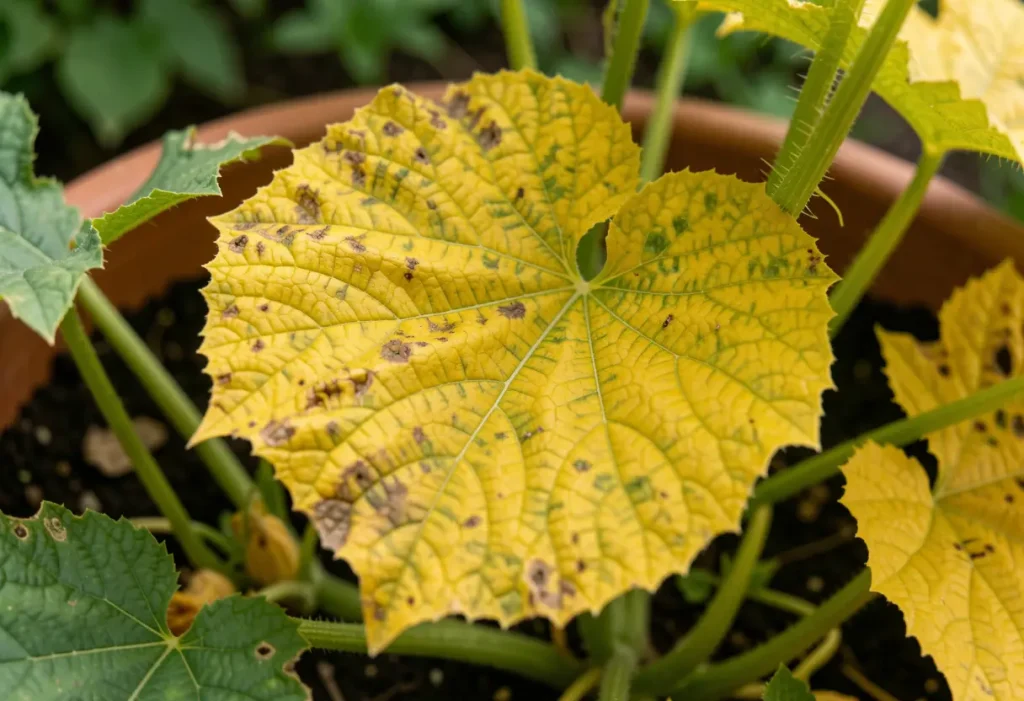
Yellow leaves on container-grown cucumbers often signal overwatering or poor drainage. Containers may hold too much water, suffocating roots and causing yellowing.
Cucumbers need 6-8 hours of direct sunlight daily. Insufficient light weakens plants, leading to pale or yellow leaves.
Yes, lack of nitrogen or magnesium can cause yellowing. Feeding cucumbers with balanced fertilizer helps restore healthy green leaves.
Overwatering is a common reason for yellowing leaves. It reduces oxygen in soil, stressing roots and making leaves turn yellow.
Ensure good drainage and water only when soil feels dry. Provide enough sunlight and regular feeding to keep leaves green.
Yellow leaves on cucumber plants in containers need quick attention. Check water levels often and avoid overwatering. Make sure your plants get enough sunlight each day. Use good soil with proper nutrients to keep plants healthy. Watch for pests and treat them early to stop damage.
Healthy cucumber plants grow better and produce more fruit. Small changes can help your plants stay green and strong. Keep learning and adjusting care for the best results. Growing cucumbers in containers can be easy and fun.