Gardening Made Simple.
How to Get Rid of Cutworms Naturally is a common concern for gardeners dealing with damaged seedlings and weakened plants. Are cutworms ruining your garden and leaving your plants weak? You’re not alone, and the good news is you don’t need harsh chemicals to solve this problem—organic methods can effectively protect your plants while keeping your garden safe and healthy.
Imagine protecting your garden naturally while keeping your plants healthy and strong. You’ll discover simple, effective ways to get rid of cutworms without harming the environment or your loved ones. Ready to take control and watch your garden thrive? Keep reading to find out how.
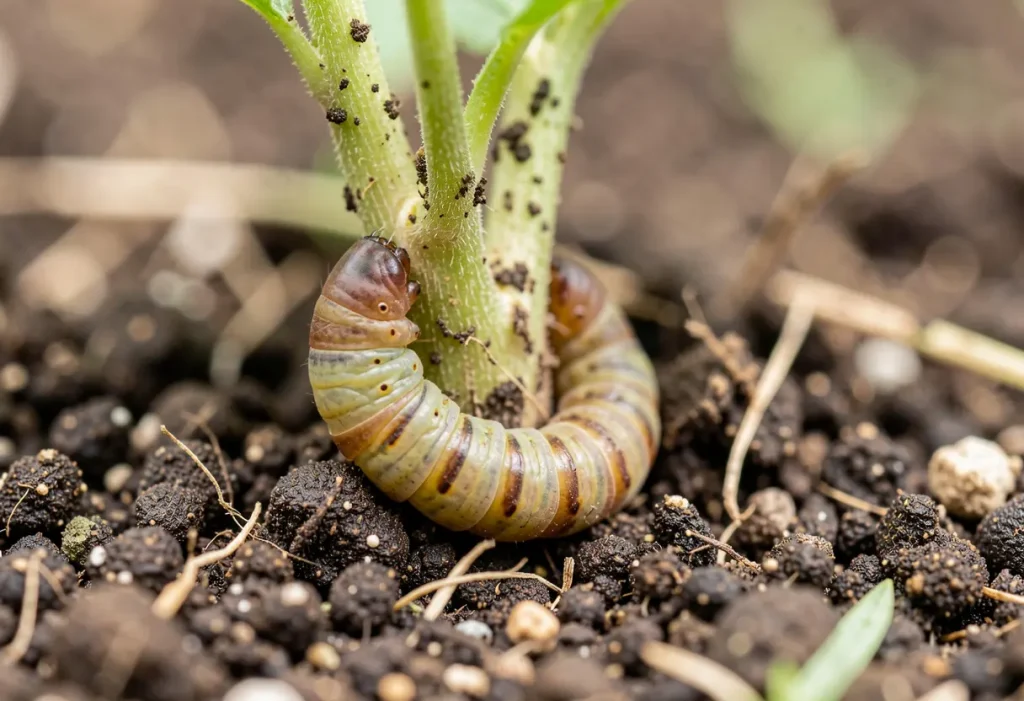
Identifying cutworms is the first step to protect your garden naturally. These pests can harm many plants quickly. Knowing how to spot them helps stop damage early. Below are key details about common cutworms, their damage, and life cycle.
Cutworms are moth larvae. They come in many types. The most common types include the black cutworm, variegated cutworm, and dingy cutworm. Each type looks slightly different but all chew on plant stems. They hide in the soil during the day and feed at night.
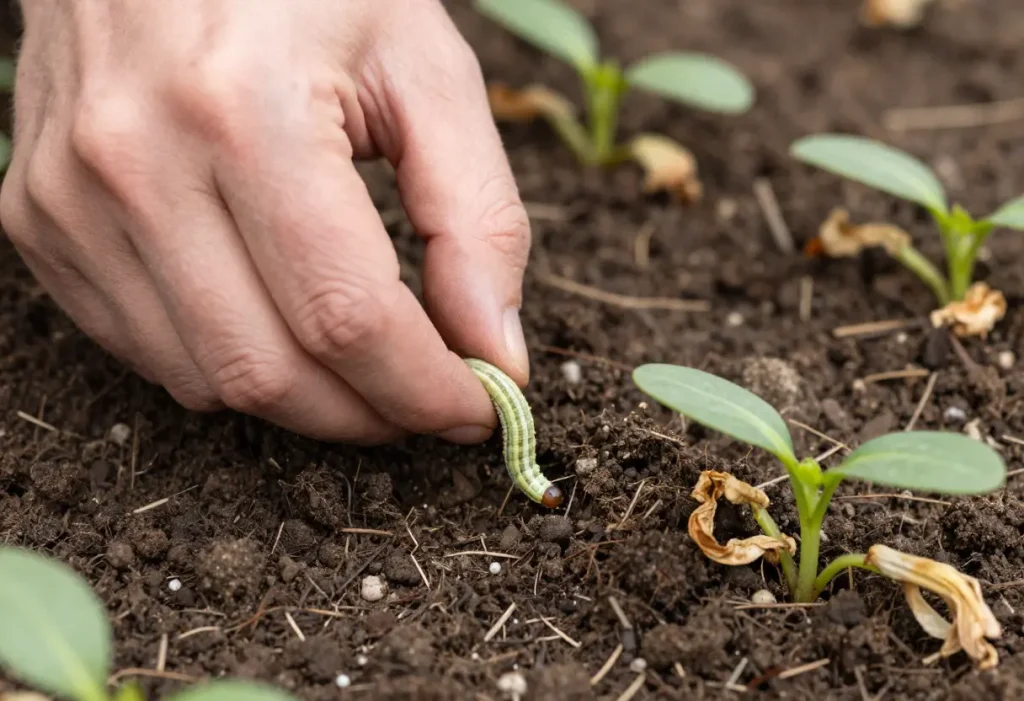
Cutworm damage is easy to spot. Seedlings or young plants look cut off near the ground. Leaves may be chewed or missing. Plants may suddenly wilt or fall over. Look for slimy, brownish worms near the base of plants at night. This damage often appears after planting or during warm, damp nights.
Cutworms start as eggs laid in soil or plant debris. Eggs hatch into larvae that feed on plants. Larvae grow for several weeks before becoming pupae underground. Adult moths emerge to lay new eggs. This cycle repeats each season, causing ongoing garden problems if not controlled.
Preventing cutworm infestations starts with good garden care. Healthy plants and clean soil reduce cutworm damage. Early steps can stop cutworms before they appear. Use natural methods to keep your garden safe and strong.
Remove plant debris and weeds from your garden. Cutworms hide in old leaves and grass. Clear soil helps to reduce their shelter. Till soil before planting to expose larvae. Keep garden tools clean to avoid spreading pests.
Change plant locations each season. Cutworms prefer certain plants and crops. Rotating crops breaks their life cycle. It stops larvae from building up in soil. Rotate crops every year to reduce pests.
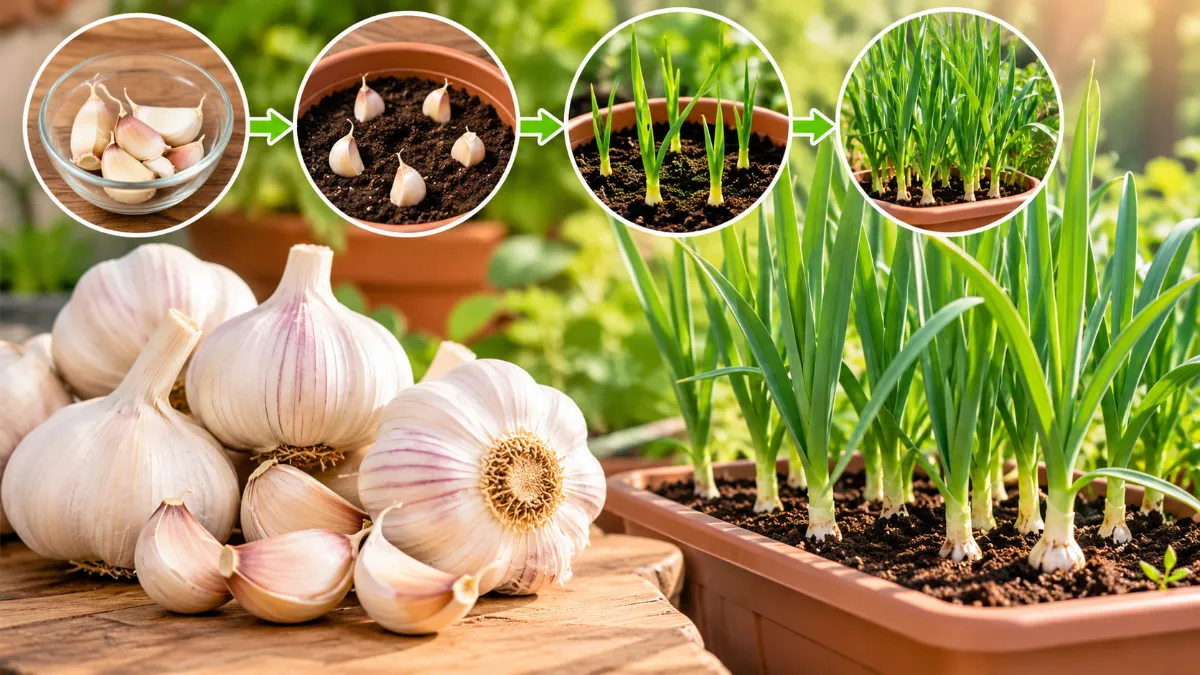
Plant herbs and flowers that repel cutworms. Marigolds, nasturtiums, and garlic work well. These plants confuse or scare cutworms away. Mix these with your vegetables for protection. Companion planting helps keep pests under control.
Natural predators and beneficial insects offer a safe way to control cutworms. These creatures hunt cutworms and reduce their numbers. Using them protects your garden without chemicals. They balance the ecosystem and keep pests low.
Birds eat many garden pests, including cutworms. Attract birds by providing water and bird feeders. Plant flowers and shrubs that offer shelter and food.
Ground beetles are fierce cutworm hunters. They live in soil and come out at night. Avoid using broad insecticides to protect beetles. Mulch and compost piles create good beetle habitats.
Nematodes are tiny worms that kill cutworms underground. These beneficial nematodes enter the pest's body and cause death. They are safe for plants, pets, and people.
Apply nematodes to moist soil in the evening. Keep soil damp for a few days after application. Repeat treatment as needed to reduce cutworm damage.
Organic barriers and traps offer a safe way to protect plants from cutworms. These methods block or catch cutworms without harmful chemicals. They help keep your garden healthy and pest-free naturally.
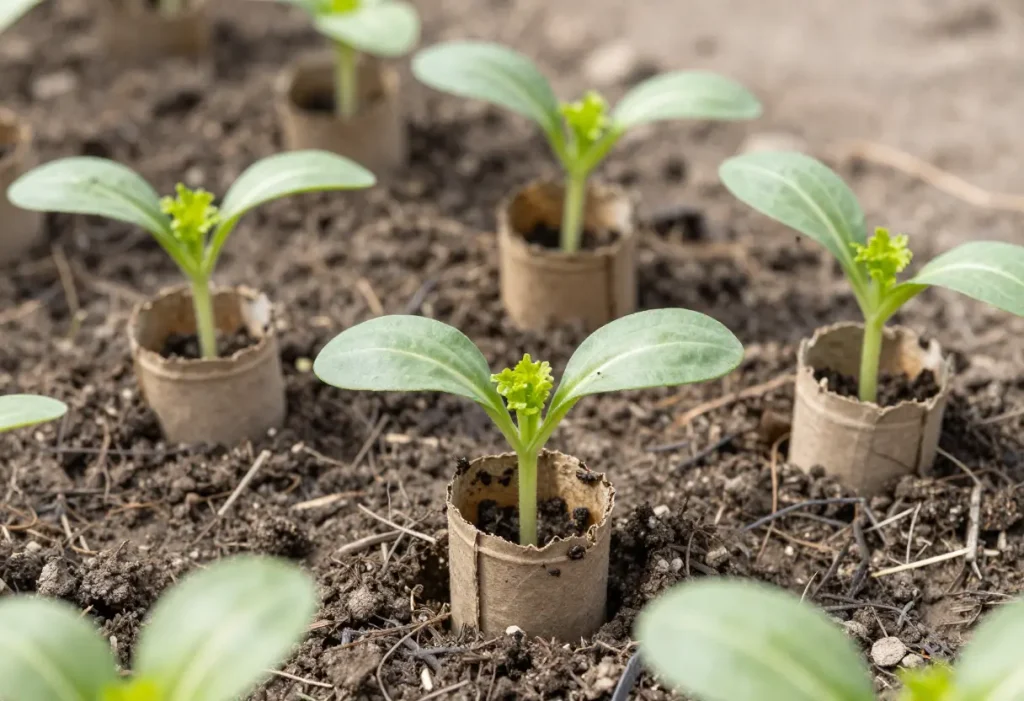
DIY collar barriers stop cutworms from reaching plant stems. Use materials like cardboard, paper, or plastic cups. Cut strips about 3-4 inches tall. Wrap them around the base of young plants.
Push the collar 1 inch into the soil. This blocks cutworms crawling underground. Collars act like a shield, protecting plants from damage. Replace or adjust collars as plants grow.
Homemade traps attract and catch cutworms. Use shallow containers filled with beer or sugar water. Bury them at soil level near plants. Cutworms crawl in and drown.
Another method uses rolled cardboard or corrugated paper. Place it near plants at night. In the morning, check and remove cutworms hiding inside. These traps reduce cutworm numbers safely and easily.
Natural homemade remedies offer safe and effective ways to control cutworms. These methods protect your garden without harsh chemicals. They help keep your plants healthy and your soil safe. Using simple ingredients from your kitchen or garden can make a big difference.
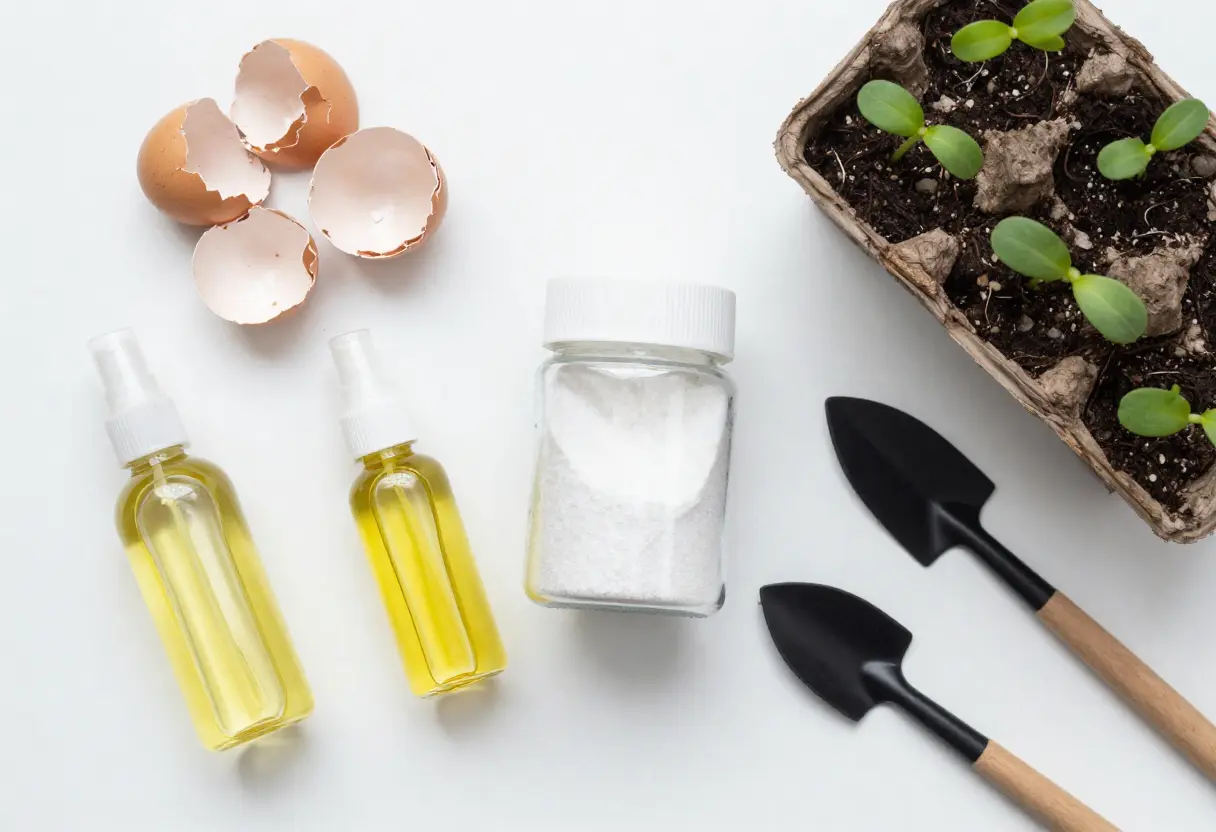
Neem oil works as a natural insecticide. It disrupts the life cycle of cutworms. Mix two teaspoons of neem oil with one quart of water. Spray the mixture on plant leaves and soil around them. Repeat every seven days for best results. Neem oil also repels other harmful pests.
Garlic and chili sprays act as strong natural repellents. Blend two cloves of garlic and one chili with one cup of water. Strain the mixture and add one quart of water. Spray the solution on plants and soil. This spray keeps cutworms away and reduces damage. Use it every few days for protection.
Diatomaceous earth is a fine powder made from fossilized algae. It cuts and dehydrates cutworms on contact. Sprinkle a thin layer around your plants at night. Avoid using it on wet soil for better effect. Reapply after rain or watering. This method is safe for humans and pets.
Soil management is a key step to control cutworms naturally. Healthy soil helps plants grow strong and resist pests. The right soil care can stop cutworm larvae from thriving underground. Here are two simple soil techniques that work well.
Tilling the soil breaks up the ground and exposes cutworm larvae. This simple act brings them to the surface where birds and insects eat them. It also stops larvae from staying safe in the soil. Use a garden fork or tiller in early spring or fall. Avoid deep tilling to keep soil structure healthy.
Healthy soil supports strong plants that resist cutworms better. Add organic matter like compost or mulch to feed the soil. Good soil moisture and drainage help plants grow fast and recover from pests. Rotate crops to prevent cutworms from building up in one area. Keep soil loose and full of life to protect your garden naturally.
Timing and monitoring play key roles in controlling cutworms naturally. Catching these pests early helps protect your plants and reduce damage. Careful observation and treatment at the right moments can stop cutworm problems before they grow.
Treat your garden just before cutworms hatch from eggs. This usually happens in early spring, as soil warms. Applying natural remedies at this time stops larvae from feeding on plants.
Evening and night are ideal for treatment. Cutworms are most active during these hours. Targeting them then increases the chance of success.
Check your garden every few days. Look for signs of cutworm damage, like wilting or cut stems. Early detection helps you take quick action.
Dig lightly around plants to find cutworm larvae hiding in the soil. Removing them by hand can reduce their numbers naturally.
Cutworms are caterpillars that cut young plants at the base during the night. They damage seedlings, reducing crop growth and yield. Controlling them early helps protect your garden.
Use barriers like collars around seedlings to block cutworms. Keep the garden clean by removing plant debris where they hide. Crop rotation also reduces their population over time.
Birds, ground beetles, and parasitic wasps eat cutworms and their eggs. Encouraging these predators in your garden helps keep cutworm numbers low. Avoid using harmful pesticides that kill beneficial insects.
Handpick cutworms during early morning or late evening hours. Apply beneficial nematodes to soil; they infect and kill cutworms. Use diatomaceous earth around plants to deter these pests.
Yes, planting strong-smelling herbs like rosemary or sage can repel cutworms. Marigolds also deter many garden pests including cutworms. These plants protect your crops while adding beauty.
Natural methods help protect your garden from cutworms safely. Use simple steps like handpicking and barriers around plants. Encourage helpful insects that eat cutworms. Keep your garden clean by removing debris and weeds. These actions reduce damage and keep plants healthy.
You can enjoy a thriving garden without chemicals. Stay patient and consistent with natural care routines. Your plants will grow strong and healthy over time. Small efforts make a big difference in pest control. Try these tips and watch your garden flourish.