Gardening Made Simple.
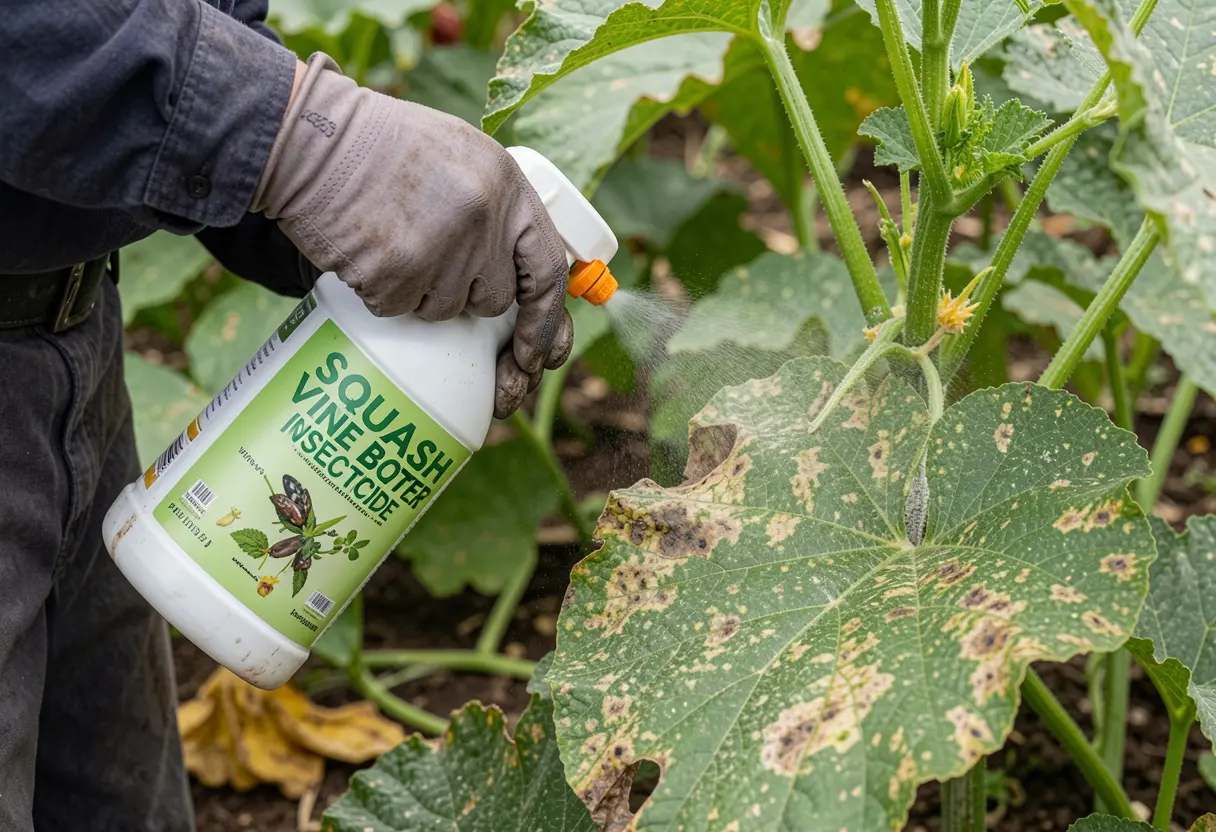
Are you tired of watching your squash plants wither and die without knowing why? The culprit might be the squash vine borer, a sneaky insect that can destroy your garden from the inside out. Using a Squash Vine Borer Insecticide is one of the most effective ways to protect your plants and keep your garden healthy.
Finding the right insecticide to stop these pests is key to saving your plants and enjoying a healthy harvest. You’ll discover effective ways to protect your squash and keep those destructive borers at bay. Keep reading to learn exactly what you need to do to defend your garden and grow strong, thriving squash plants.
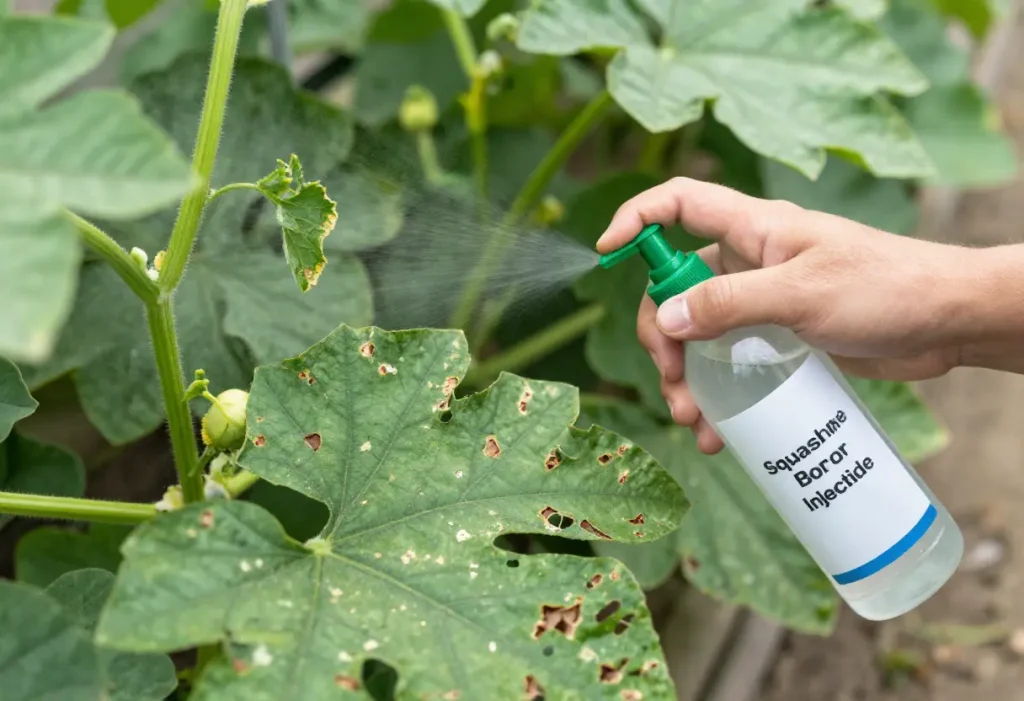
Identifying the squash vine borer is essential for protecting your plants. This pest can cause serious damage to squash and other cucurbit crops. Early detection helps stop infestations before they spread. Understanding the signs and the insect’s behavior makes control easier.
Look for sudden wilting of squash leaves during the warm months. The plant may appear healthy in the morning but droop by afternoon. Check the base of the stem for holes or sawdust-like frass. These are clear signs that the vine borer larvae are inside. You might also see small, clear exit holes later in the season. The plant stem may become soft or hollow where the larvae tunnel.
The squash vine borer moth lays eggs at the base of squash plants. Eggs hatch into larvae that bore into the stem and feed inside. Larvae grow for several weeks, damaging the plant’s water flow. They then leave the stem to pupate in the soil. Adults emerge as moths to start the cycle again. Most damage happens during the larval stage inside the plant. The moths are active during the day and have a shiny, orange-red body with clear wings.
Choosing the right insecticide for squash vine borer is key to protecting your plants. The right product stops these pests quickly and keeps your garden healthy. Understanding your options helps you pick what suits your needs best. Consider safety, effectiveness, and your garden type when selecting insecticides.
Chemical insecticides work fast to kill squash vine borers. Products with ingredients like permethrin or bifenthrin are common. Spray these on the plant base and stems where borers attack. Always follow label instructions for safe use. Chemical options may affect beneficial insects, so apply carefully. They offer strong protection but use them only when needed.
Organic insecticides provide safer choices for home gardens. Neem oil and spinosad are popular natural options. These products disrupt the pest’s life cycle without harsh chemicals. Apply them regularly, especially during borer activity periods. Organic options are gentle on pollinators and soil health. They require more frequent use but help maintain an eco-friendly garden.
Applying squash vine borer insecticide correctly improves its effectiveness. Proper techniques help protect plants and reduce pest damage. This section covers key tips for applying insecticide safely and at the right time.
Apply insecticide early in the season before borers lay eggs. Watch for eggs on squash stems in late spring. Spray as soon as you see eggs or young larvae. Repeat applications every 7 to 10 days for full protection. Treat in the morning when plants are dry for better absorption.
Wear gloves and long sleeves to protect your skin during spraying. Avoid inhaling insecticide spray by using a mask or respirator. Keep children and pets away from treated plants until insecticide dries. Follow all label instructions for safe use and disposal. Wash hands and clothes after application to avoid exposure.
Preventing squash vine borer infestations is key to keeping your plants healthy. Using the right methods can stop these pests before they start. Simple steps can protect your garden effectively.
Change the location of your squash plants each year. This practice helps break the life cycle of vine borers. Avoid planting squash in the same spot for at least two years. Plant early in the season to avoid peak borer activity. Use resistant squash varieties when possible. Keep your garden clean by removing plant debris after harvest.
Cover your squash plants with row covers to block adult borers. Make sure covers are secure and placed before borers appear. Use collars made from cardboard or plastic around plant stems. These collars stop borers from laying eggs at the base. Check barriers regularly for damage or gaps. Remove barriers only when plants begin to flower to allow pollination.
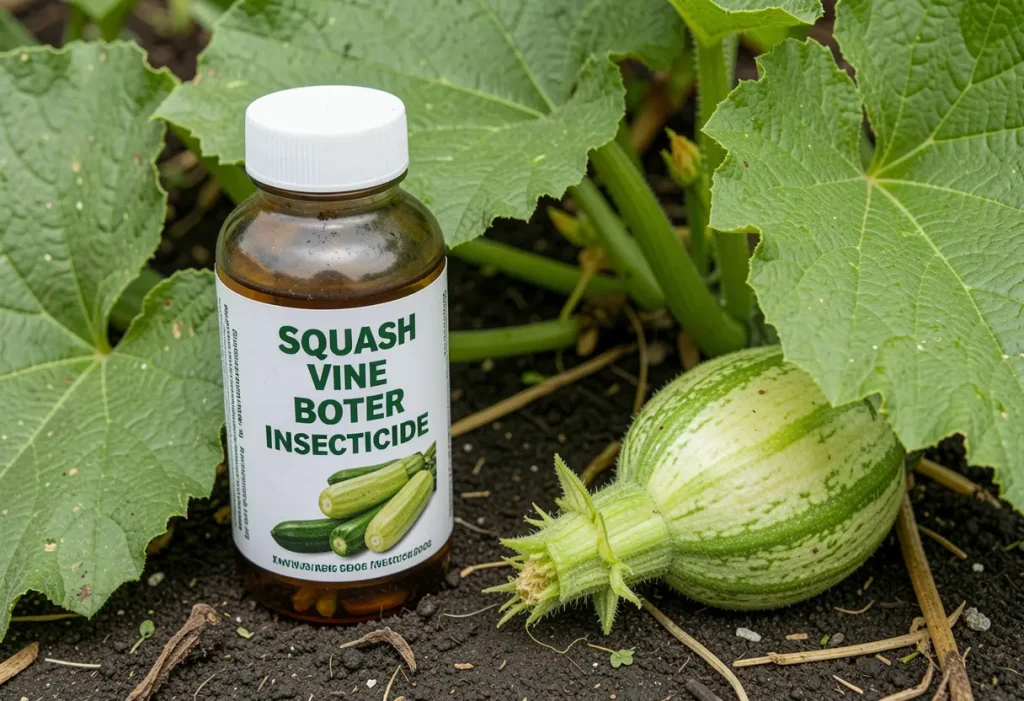
Natural predators and biological controls offer a safe way to fight squash vine borers. These methods reduce the need for chemical insecticides. They keep your garden healthy and protect beneficial insects.
Parasitic wasps lay eggs inside squash vine borer larvae. The wasp larvae then eat the borers from within. This stops the borers from damaging your plants. These wasps are tiny and do not harm humans.
Beneficial nematodes are microscopic worms that attack borer larvae underground. They enter the larvae and release bacteria that kill them. Applying nematodes to the soil helps control the borer population naturally.
Ladybugs and lacewings feed on borer eggs and young larvae. These insects help reduce the number of squash vine borers early. They are easy to attract by planting flowers nearby.
Some plants repel squash vine borers or attract their predators. Marigolds and nasturtiums confuse or drive away borers. These plants also provide food for beneficial insects.
Monitoring and maintenance are key to controlling squash vine borers effectively. Careful attention helps catch early signs of infestation. It keeps plants healthy and reduces damage.
Check your squash plants every few days. Look for holes or sawdust near the stem base. These signs show borers are present. Inspect leaves and stems for wilting or discoloration. Early detection allows quick treatment.
Use a flashlight to see under leaves and around stems. Remove any eggs or larvae you find. Keep notes on your observations to track progress. Regular checks stop infestations from growing.
After applying insecticide, watch plants closely. Avoid watering immediately to let insecticide work well. Repeat treatments as directed on the label. Keep soil loose and remove dead plant parts.
Support plants with stakes to prevent bending. Clean tools to avoid spreading pests. Healthy plants resist pests better and recover faster. Proper care after treatment improves results.
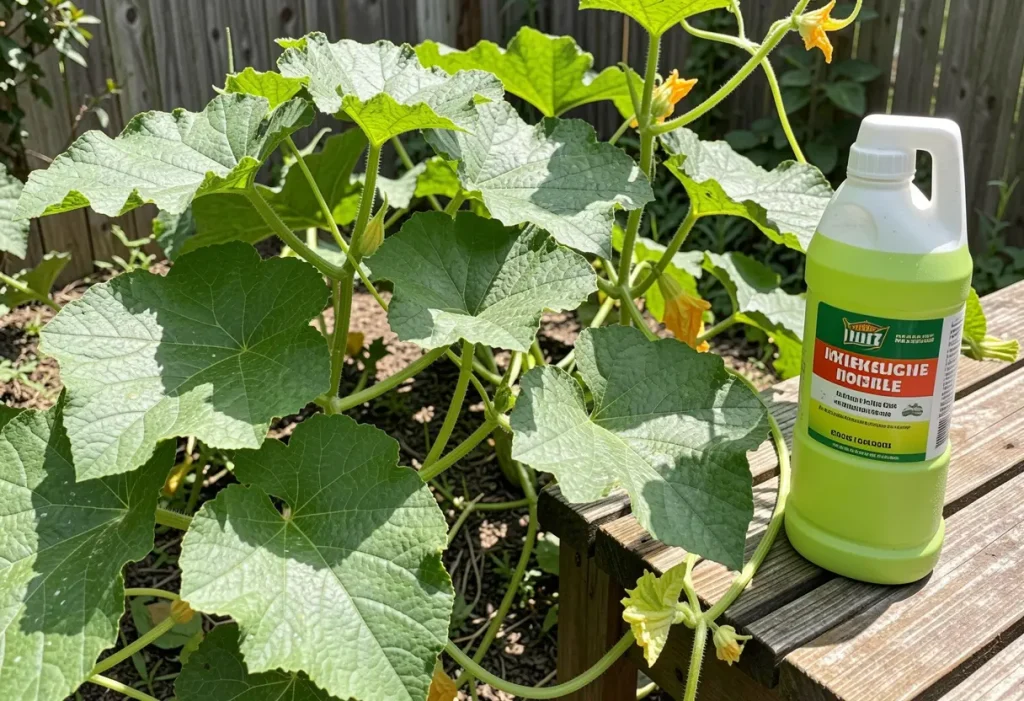
A common choice is spinosad-based insecticides. They target larvae without harming pollinators. Apply early for best results.
Spray the base of squash stems thoroughly. Repeat every 7 to 10 days during egg-laying. Timing is key to prevent damage.
Yes, neem oil and Bacillus thuringiensis (Bt) work well. These options are safer for the environment. They help reduce larva growth.
Begin treatment as soon as squash plants appear. Early application stops borers before they enter stems. Watch for adult moths to time sprays.
Insecticides can harm beneficial insects if misused. Always follow label instructions carefully. Use targeted sprays to limit unwanted effects.
Squash vine borers can harm your plants quickly. Using insecticide helps protect your garden. Apply it early to stop the pests. Check your plants often for signs of damage. Healthy plants grow better and give more fruit. Keep your garden clean to reduce pests.
Small actions can make a big difference. Stay patient and consistent with treatment steps. Your squash plants will thank you later. Gardening is rewarding with the right care.