Gardening Made Simple.
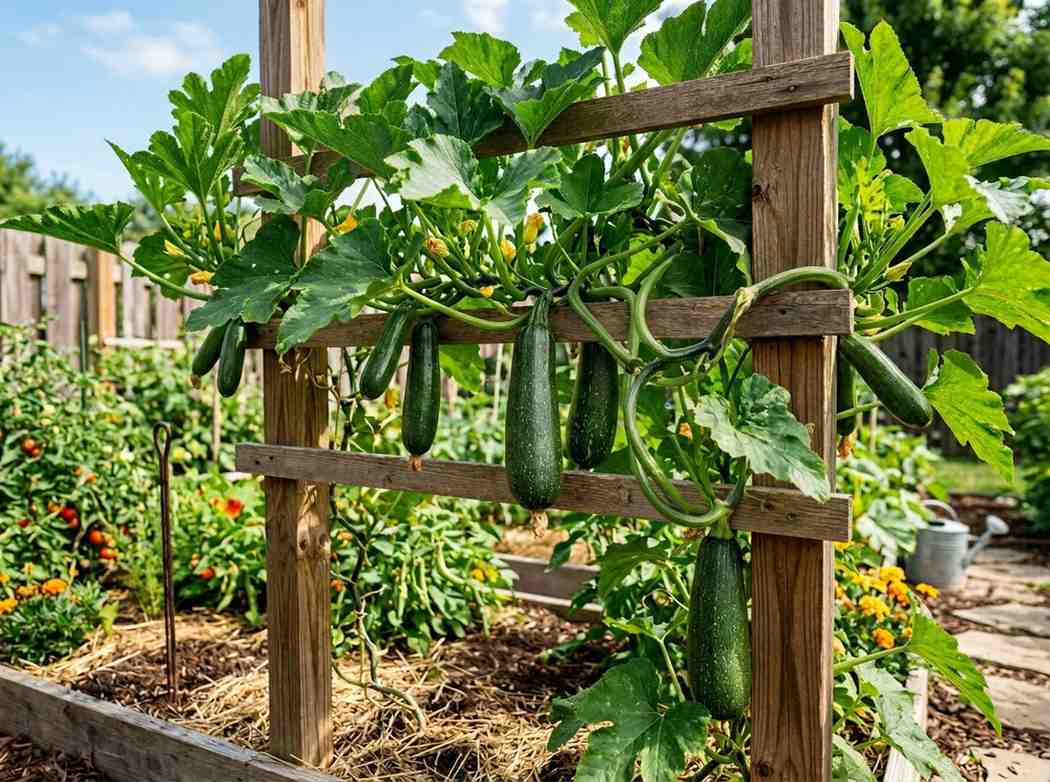
Growing squash on a trellis is a smart way to save space, boost yields, and keep your garden cleaner. Many gardeners struggle with squash vines that sprawl everywhere, making it hard to walk and hard to spot fruits before pests do.
But when you grow squash vertically, you unlock new possibilities. You can fit more plants, reduce disease, and harvest with ease—even in small gardens or patios. This guide will show you how to grow healthy squash on a trellis, step-by-step, with practical advice and clear explanations.
Whether you’re a beginner or just tired of tangled vines, you’ll find everything you need to start and succeed.
Squash plants are famous for their rapid growth and sprawling habit. Traditional ground planting can quickly get out of hand, with vines covering several feet in every direction. Here’s why many gardeners now choose to grow squash vertically:
Data from urban gardening studies show that vertical squash yields are often equal or slightly higher than ground-grown, especially in areas with limited space. For example, a 2022 survey found that trellised squash plants produced up to 15% more fruit per square foot in small gardens.
Not all squash varieties grow well on a trellis. Some are better suited than others.
| Type | Recommended for Trellis? | Examples |
|---|---|---|
| Summer Squash (vining) | Yes | Yellow Crookneck, Tromboncino |
| Winter Squash (vining) | Yes | Butternut, Delicata, Spaghetti |
| Summer Squash (bush) | No | Zucchini, Patty Pan |
| Winter Squash (bush) | No | Buttercup, Acorn |
Vining squash varieties are ideal for trellising. They grow long, flexible stems that can be trained upward. Bush types stay compact and don’t climb well.
If you’re new to vertical squash growing, try these:
Some summer squashes like zucchini are bush types and won’t climb. Always check the seed packet for growth habit.
The right trellis is critical. Squash vines get heavy, especially with large fruits, so your structure must be strong.
| Trellis Type | Strength | Ease of Building | Best For |
|---|---|---|---|
| Vertical wire/mesh | High | Medium | Heavy vining squash |
| A-frame | Medium-High | Easy | Small/medium squash |
| String trellis | Low | Easy | Light squash varieties |
| Arched tunnel | High | Medium-Hard | Multiple squash, dramatic look |
Vertical wire or mesh trellis: Use sturdy fence panels, cattle panels, or garden mesh. Secure them with strong posts. This setup is best for heavy fruits.
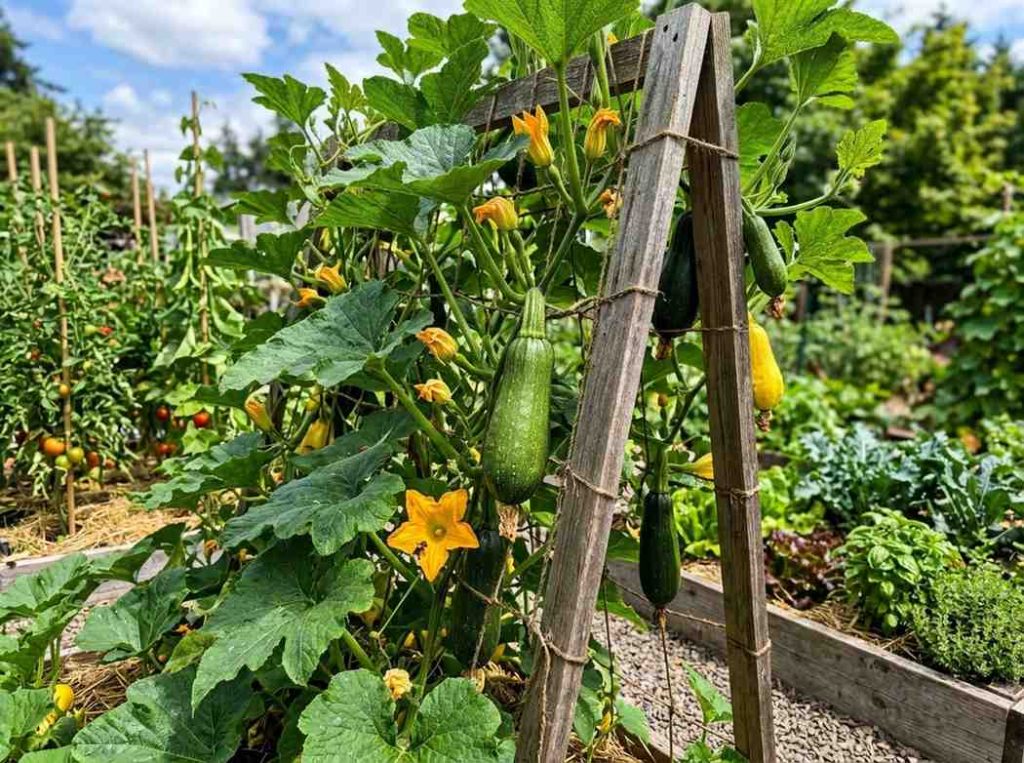
A-frame trellis: Two panels joined at the top, forming a triangle. Easy to build, easy to harvest, good for moderate-weight fruits.
Arched tunnel trellis: Bends wire mesh into a tunnel. Looks impressive and allows easy walking and harvesting underneath.
String trellises: Simple, but only for lightweight squash. Not suitable for large fruits.
Never use a flimsy trellis for heavy squash. Over time, fruit weight can cause collapse.
Squash plants need rich, loose soil and lots of nutrients. Good soil is the foundation for healthy vines.
If your soil is heavy clay, add sand and compost to lighten it. For sandy soils, add more organic matter.
If you use containers, pick pots at least 15 gallons in size. Make sure drainage holes are present.
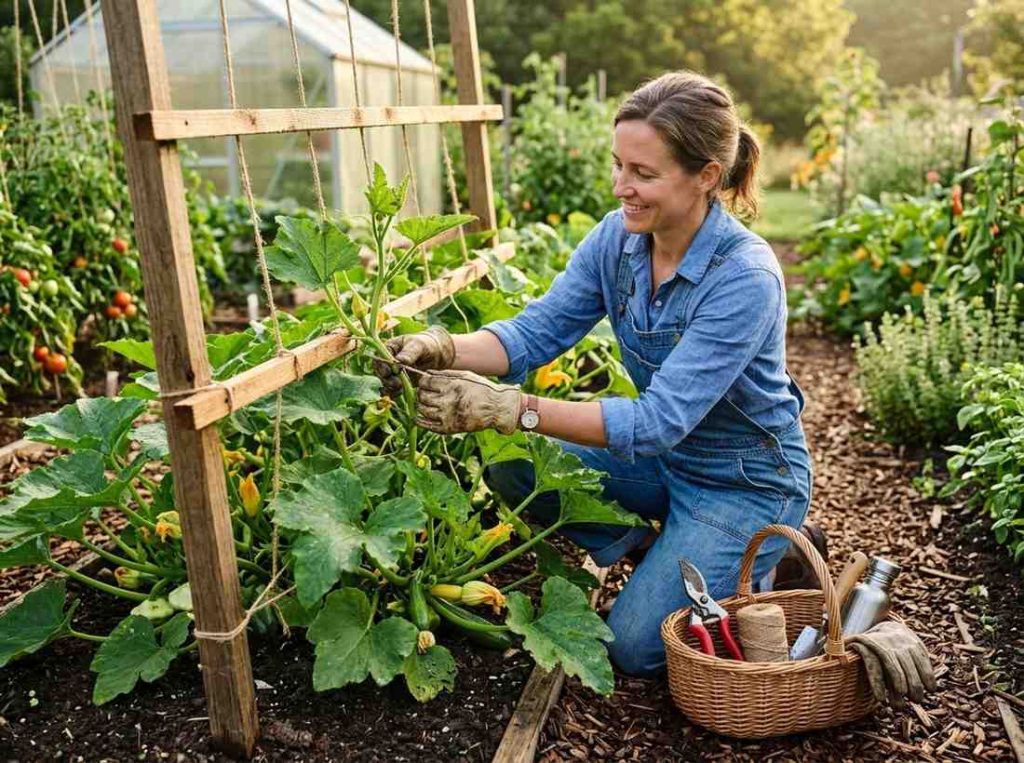
Squash doesn’t naturally climb like beans. You must help it grow upward.
Check vines every few days. As they grow, redirect them and tie as needed.
Large squash can break off vines if unsupported. Use mesh, old t-shirts, or pantyhose to create slings. Tie these to the trellis so fruits hang securely.
Healthy squash needs regular water and food. Vertical growing changes how you manage these basics.
Vertical plants may dry faster than ground vines, especially on windy days. Check soil moisture often.
Squash is a heavy feeder. Fertilize for strong growth:
Avoid over-fertilizing with nitrogen. Too much makes leaves grow but reduces fruit.
Squash is prone to:
Vertical growing reduces mildew and some pests. But always inspect leaves and stems. Remove affected leaves, hand-pick bugs, and use organic sprays if needed.
For persistent problems, rotate crops each year. Don’t plant squash in the same spot every year.
Knowing when and how to harvest matters for taste and plant health.
Vertical growing makes fruit easy to spot and reach. Don’t let fruits sit too long, especially summer squash—they get tough and lose flavor.
Never wash squash before storing. Moisture causes rot.
How does vertical squash really perform compared to traditional methods? Here’s a side-by-side look:
| Factor | Trellised Squash | Ground-Grown Squash |
|---|---|---|
| Space Needed | Small (2–3 sq ft per plant) | Large (8–10 sq ft per plant) |
| Yield per Plant | Equal or higher | Good, but sometimes lower in tight spaces |
| Disease Risk | Lower (better air flow) | Higher (crowded leaves) |
| Pest Risk | Lower (fruits off ground) | Higher (soil pests) |
| Harvest Ease | Easy | Harder (hidden fruits) |
| Maintenance | Needs training/slings | Minimal training |
Most gardeners find trellised squash gives cleaner fruit and is easier to manage. However, it needs more hands-on work: tying vines, supporting fruits, and checking trellis strength.
Growing squash vertically is simple but requires attention. Here are some expert tips:
Two non-obvious insights: First, vertical squash can reduce powdery mildew because leaves dry faster after rain. Second, trellised squash often needs more frequent watering, since roots are more exposed and less shaded than ground vines.
Many gardeners have shared their trellis squash stories. For instance, a small backyard grower in Los Angeles managed to fit four butternut squash plants along a single 6-foot wire fence. He harvested over 20 squash in one season, with no fruit rot and minimal pest issues.
In a community garden in Chicago, gardeners built arched tunnels from cattle panels. They grew spaghetti and delicata squash, with fruits hanging down for easy picking. The trellis doubled as a shade walkway in summer.
Another gardener in Florida used old tomato cages as mini-trellises for tromboncino squash. She reported better air flow and fewer vine borers than previous ground-grown attempts.
If you want more inspiration or technical details, you can check the official gardening advice at Gardener's Supply Company.
Even with the best setup, issues can arise:
If you notice slow growth, check soil moisture and nutrient levels. Sometimes, squash needs extra water and food when grown vertically.
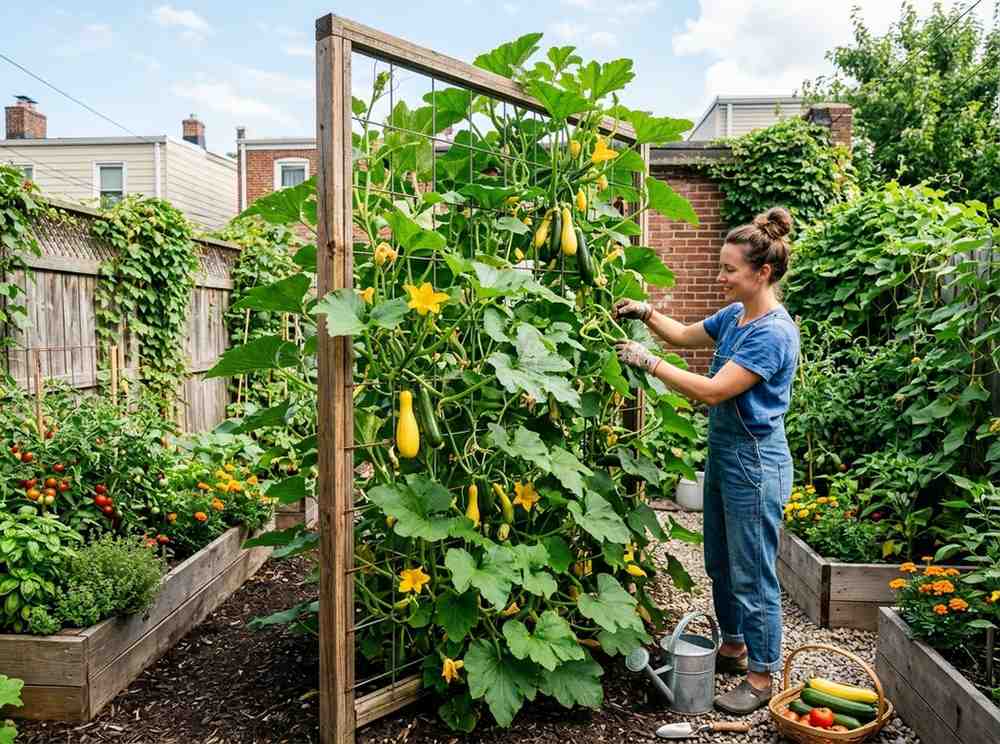
A good squash trellis should be 6–8 feet tall. This gives enough space for vines to climb and keeps fruits off the ground. If you’re limited in height, train vines horizontally or use an A-frame trellis.
No. Only vining squash varieties grow well vertically. Bush types stay compact and won’t climb. Always check your seed packet for growth habit before planting.
As fruits grow, use a sling made from mesh, old fabric, or pantyhose. Tie the sling to the trellis so the fruit hangs securely. This prevents breakage and lets fruits grow fully.
Yes. Trellised squash has better air circulation, so leaves dry faster and diseases like powdery mildew are less common. Fruits also stay cleaner since they don’t touch the soil.
Absolutely. Use a large container (15 gallons or more), fill with rich soil, and set a sturdy trellis inside. Train vines up the trellis and water regularly, as containers dry out quickly.
Growing squash on a trellis transforms your garden, saves space, and makes harvesting a breeze. With careful variety selection, strong supports, and regular training, you can enjoy healthy, abundant squash—even in the smallest yard. If you’re ready for cleaner fruit, fewer pests, and a more organized garden, give trellised squash a try.
The rewards are fresh, delicious, and easy to reach.