Gardening Made Simple.
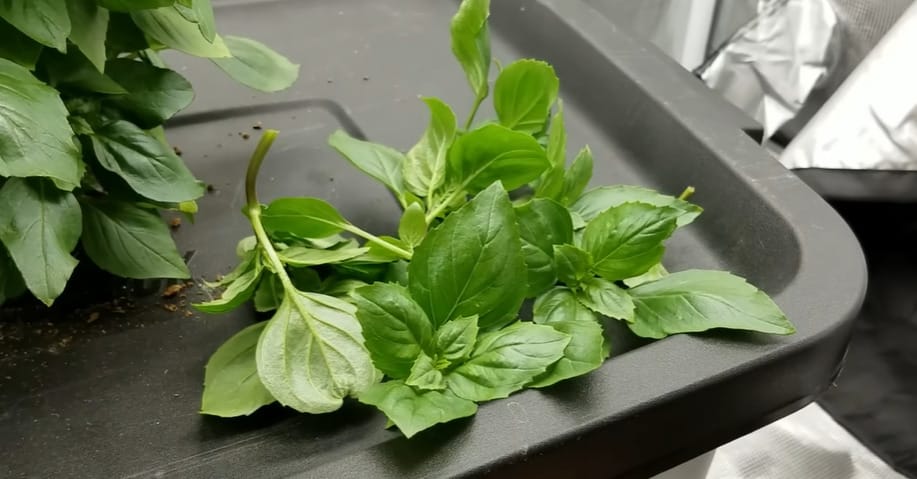
Yes, you should pinch basil sprouts before planting. This simple step encourages bushier growth and healthier plants. Knowing Are You Supposed to Pinch Basil Sprouts before Planting ensures your basil develops strong stems and produces more flavorful leaves throughout the season.
Pinching basil sprouts is a crucial step for gardeners. By doing so, you promote a fuller and more robust basil plant. This simple action involves removing the top set of leaves. It encourages the plant to grow more branches and leaves.
Healthier basil plants yield more leaves, which is ideal for culinary use. This technique also helps prevent the plant from becoming leggy or weak. Gardening enthusiasts recommend pinching when the plant is about 6 inches tall. This ensures the basil plant thrives and provides a bountiful harvest. Proper care and attention to your basil sprouts lead to a more productive herb garden.
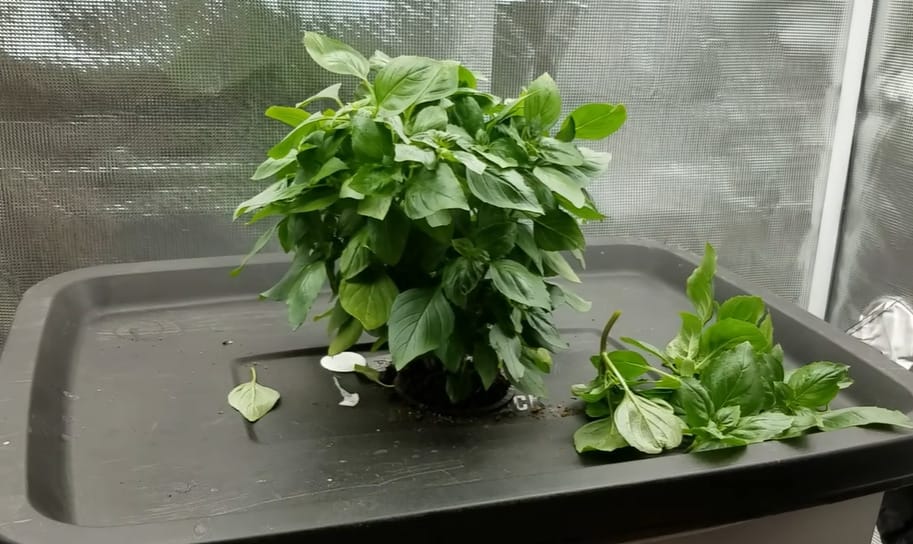
Pinching basil sprouts before planting encourages bushier growth and healthier plants. This simple step leads to a more abundant harvest. Ensure optimal basil development by incorporating this practice early on.
Basil is a popular herb used in many dishes. Basil sprouts are the young shoots of the basil plant. They need proper care to grow into healthy plants.
Basil sprouts are the first stage of basil growth. They appear after the seeds germinate. They have tiny green leaves and thin stems.
| Stage | Description |
|---|---|
| Seed | The initial form of the basil plant |
| Sprout | The young plant with small leaves |
| Mature Plant | Fully grown basil ready for harvest |
Proper handling of basil sprouts is crucial. It ensures the plant grows strong and healthy. Here are some tips:
By following these tips, your basil will thrive. Proper handling of basil sprouts leads to a bountiful harvest. ```
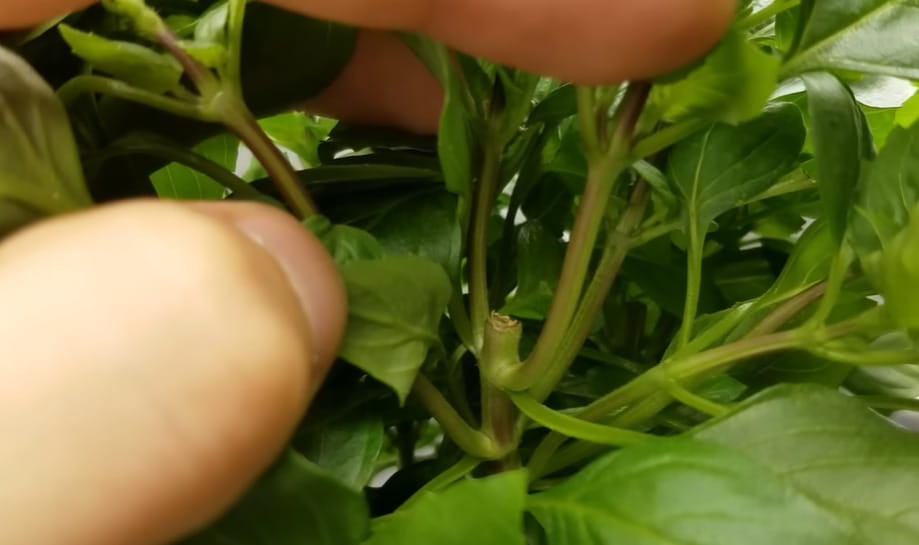
Pinching basil sprouts can significantly improve your basil plants. This simple method helps promote healthier and more productive growth. Let's explore the benefits of pinching basil.
Pinching basil encourages the plant to grow more vigorously. By removing the top leaves, you stimulate the growth of new shoots. This leads to a bushier plant with more leaves.
Here is how it works:
Regular pinching can double or triple your basil harvest. More leaves mean more basil for your dishes!
Leggy basil plants have long stems and few leaves. They are less productive and can fall over. Pinching helps prevent legginess.
Here's a simple table to understand the difference:
| Leggy Basil | Bushy Basil |
|---|---|
| Long stems | Shorter, thicker stems |
| Fewer leaves | More leaves |
| Prone to falling | Sturdier and upright |
By pinching, you make the basil plant stronger. It will stand upright and produce more leaves.
Learning the art of pinching basil sprouts can ensure a healthy and bushy plant. Understanding the right time to pinch your basil sprouts is essential. This practice encourages the plant to grow more leaves and become fuller.
Pinching basil sprouts should be done when the plant is young. The best time to start is when the basil plant has at least four sets of leaves. This usually happens within 3-4 weeks of planting.
To ensure optimal growth, pinch basil in the early morning. This time of day is ideal because the plant is well-hydrated and less stressed.
Pinching basil sprouts is a simple task. Use clean scissors or your fingers to remove the top set of leaves. This encourages the plant to grow side shoots, leading to a bushier basil plant.
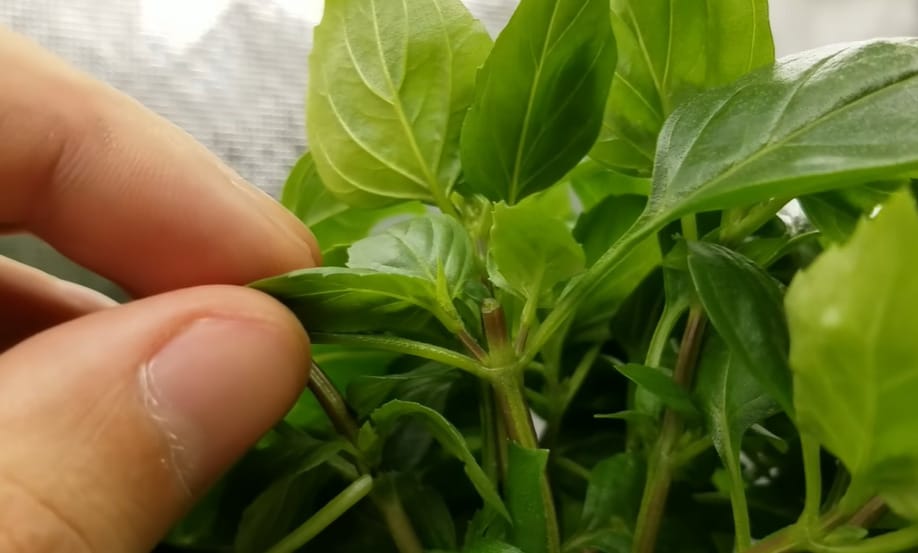
Pinching basil is a simple yet crucial task. It helps your basil grow bushy. This guide will show you how to do it right. Follow these steps to keep your basil healthy and productive.
Pinching basil encourages more leaf growth. It prevents the plant from becoming too tall and leggy. By following these steps, your basil will thrive and provide you with a bountiful harvest.
Common mistakes can hinder the growth of your basil plants. It's crucial to avoid these errors to ensure healthy and robust basil sprouts. This section delves into the mistakes many make with basil pinching and planting.
Over-pinching can damage young basil sprouts. It's tempting to pinch too much, but this can stunt the plant's growth. Pinch only the top leaves to promote branching. Over-pinching removes too many leaves, reducing photosynthesis. Your basil needs leaves to grow strong.
Ignoring growth stages is another common mistake. Young basil sprouts are delicate. Pinch them only when they have at least four leaves. Pinching too early can harm the plant. It's important to understand the growth stages of basil.
| Growth Stage | Action |
|---|---|
| Seedling (2-3 leaves) | Do not pinch |
| Young Plant (4-6 leaves) | Pinch top leaves |
| Mature Plant (8+ leaves) | Regular pinching |
By following these tips, you can avoid common mistakes. This will help you grow healthy, lush basil plants. Pay attention to the growth stages and pinch carefully. Your basil will thank you.
So, you’ve pinched your basil sprouts before planting. Great job! This step encourages bushier growth and healthier plants. Now, let's focus on the crucial aftercare to ensure your basil thrives.
Watering is essential for the health of your pinched basil. Here are some tips:
Fertilization is another key aspect of basil aftercare. Follow these steps:
| Aspect | Best Practice |
|---|---|
| Watering | Regularly, but not too much |
| Soil Check | Damp, not waterlogged |
| Fertilization | Every 4-6 weeks |
| Type of Fertilizer | Organic or compost |
Pinching basil sprouts is common. But, there are other methods too. These alternative methods can help your basil grow well.
Pruning basil is essential for healthy growth. Use sharp, clean scissors to prune. Cut just above a leaf node. This encourages the plant to grow more leaves.
Prune regularly to keep the plant bushy. Remove any flowers that appear. Flowers take energy away from leaf growth. Pruning helps the plant focus on making leaves.
Growth regulators can help your basil grow better. These are chemicals that control plant growth. They can make the plant stronger and healthier.
Use them according to the instructions. Too much can harm the plant. Always follow the guidelines on the package.
Here is a simple table to show some common growth regulators:
| Growth Regulator | Effect | Usage |
|---|---|---|
| Gibberellins | Stimulates growth | Use in small amounts |
| Auxins | Helps root development | Apply to soil |
| Cytokinins | Promotes cell division | Use on leaves |
Using growth regulators can help your basil grow faster. Combine with pruning for best results.
Yes, pinching basil sprouts encourages bushier growth and more leaves.
Use your fingers to pinch off the top leaves above a leaf node.
Yes, pinching basil can result in more flavorful and aromatic leaves.
Pinch basil when the plant has at least four to six leaves.
Yes, pinching basil helps delay flowering, extending the plant's productive period.
Pinching basil sprouts before planting encourages healthier growth and a more bountiful harvest. This simple step promotes a bushier plant. Remember to pinch off the top leaves early. This ensures your basil thrives with robust, flavorful leaves. Happy gardening and enjoy your fresh basil!