Gardening Made Simple.
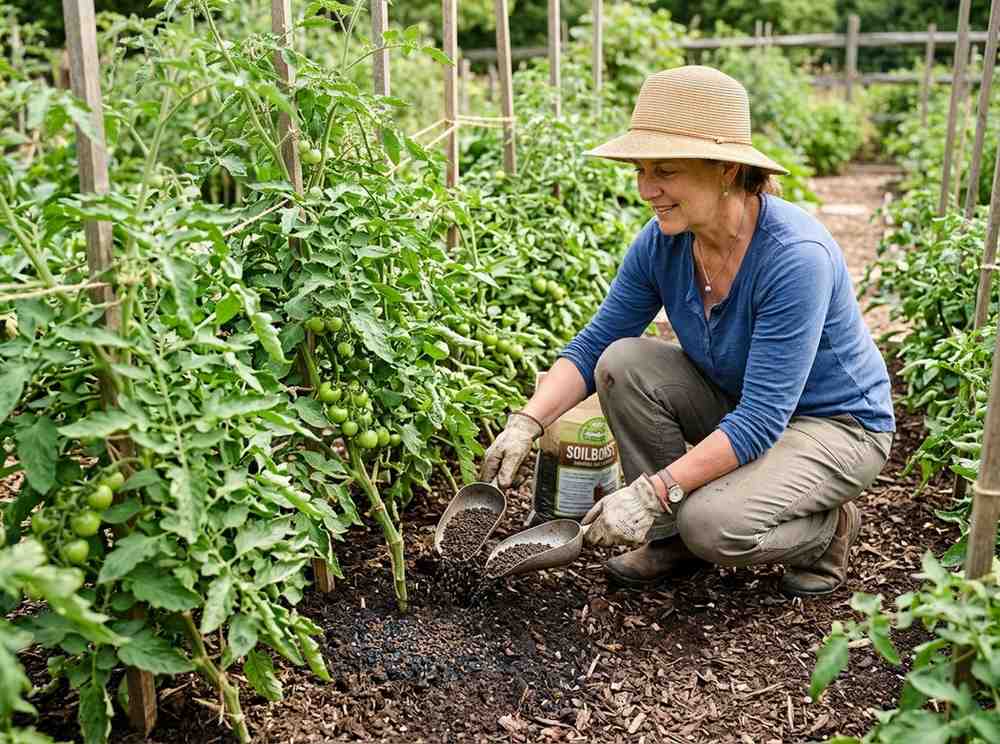
Have you ever watched your tomato plants push out a few sad fruits, only to deal with cracks, spots, or that ugly blossom end rot? It's frustrating when all your hard work in the garden ends up with lackluster yields. Tomatoes crave the right nutrients to thrive, just like athletes need fuel for a big game. Following the right Best Fertilizer Tips for Tomato Plants will help you boost growth, improve fruit quality, and enjoy a more abundant harvest.
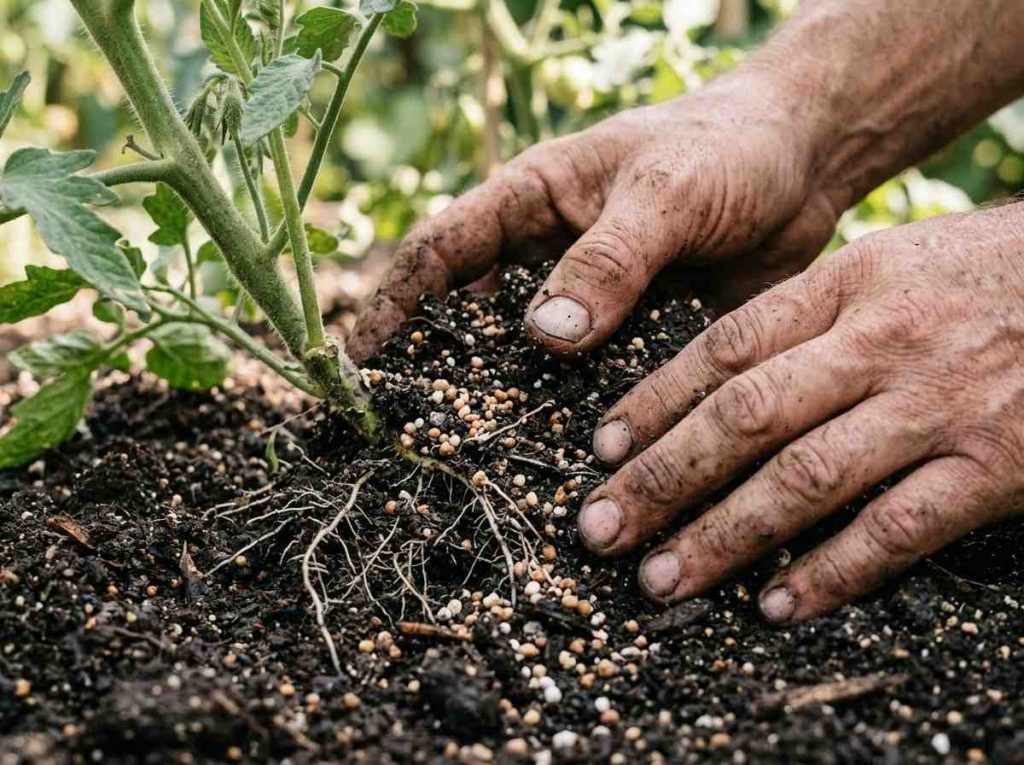
This guide shares practical fertilizer tips for tomatoes that boost flavor, size, and health. You'll learn how to feed them at every stage for those juicy, homegrown tomatoes you dream about.
Tomatoes need a mix of key elements to grow strong and produce well. The big three—nitrogen, phosphorus, and potassium—form the base of any good tomato fertilizer plan. Each plays a unique role, and getting them right stops common problems like weak stems or bland fruit.
Nitrogen helps tomatoes build green leaves and sturdy stems early on. It powers the plant's push upward in the first few weeks. But too much nitrogen? That leads to bushy plants with few flowers or fruits. Stick to balanced amounts to keep growth steady. Watch for yellow leaves if your soil lacks it.
Phosphorus builds deep roots that anchor your tomato plants. It also sparks flower blooms, which turn into those tasty fruits. Without enough, roots stay shallow, and plants look stunted. Add it at planting to set a solid foundation. Deficiencies often show as purple leaves or poor fruit set.
Potassium keeps water moving through the plant for plump, sweet tomatoes. It boosts sugar levels for better taste and helps fight off bugs and sickness. Plants with low potassium get spotty leaves or weak fruits. Use it during fruiting to lock in quality. Strong potassium levels mean tougher plants overall.
Calcium strengthens cell walls and stops blossom end rot, that black spot on fruit bottoms. It moves with water, so even watering matters as much as adding it. Magnesium keeps leaves green by aiding chlorophyll. Yellow edges on older leaves signal a magnesium shortfall. A dash of these in your routine prevents big headaches.
Plants change their needs as they grow, from tiny seedlings to heavy fruit bearers. Match your fertilizer tips for tomatoes to these shifts for best results. Feed at the right time, and you'll see fuller vines and more harvests.
Seedlings need light feeding to avoid burn. Use a weak starter mix with low nutrients for the first weeks indoors. When you move them outside, mix in bone meal for root support. This eases shock from the change. Water well after to help them settle.
Focus on nitrogen in the first month after planting. A 10-5-5 fertilizer works great for leaf and stem push. Side-dress every two weeks with a handful around the base. This builds a strong frame without overdoing it. Your plants will stand tall and ready for flowers.
Switch to low-nitrogen feeds when flowers appear, around week six. Try a 5-10-10 mix to favor blooms and early fruits. This cuts leafy excess and ramps up production. Apply every 10-14 days for steady support. You'll notice more clusters forming if you time it well.
Keep feeding through summer, but ease up as fruits ripen. Balanced liquid options every week maintain energy without stress. High potassium helps colors deepen and flavors pop. For ongoing picks, this schedule extends your season. Stop heavy feeds two weeks before fall frost.
Pick fertilizers that fit your setup, whether pots or raised beds. Organic and synthetic each have perks, so weigh ease against soil health. The right choice makes your tomato fertilizer tips even more effective.
Organic feeds like compost or fish emulsion release nutrients slowly over time. They build soil life, which helps long-term health. Synthetics give quick hits but can wash away fast. Organics suit patient gardeners; synthetics fit quick fixes. Mix them for balanced results in most yards.
Granules break down over weeks for even supply. Scatter them in a ring six inches from the stem. Scratch lightly into soil, then water deep. This method feeds roots without waste. Use for main season boosts in ground gardens.
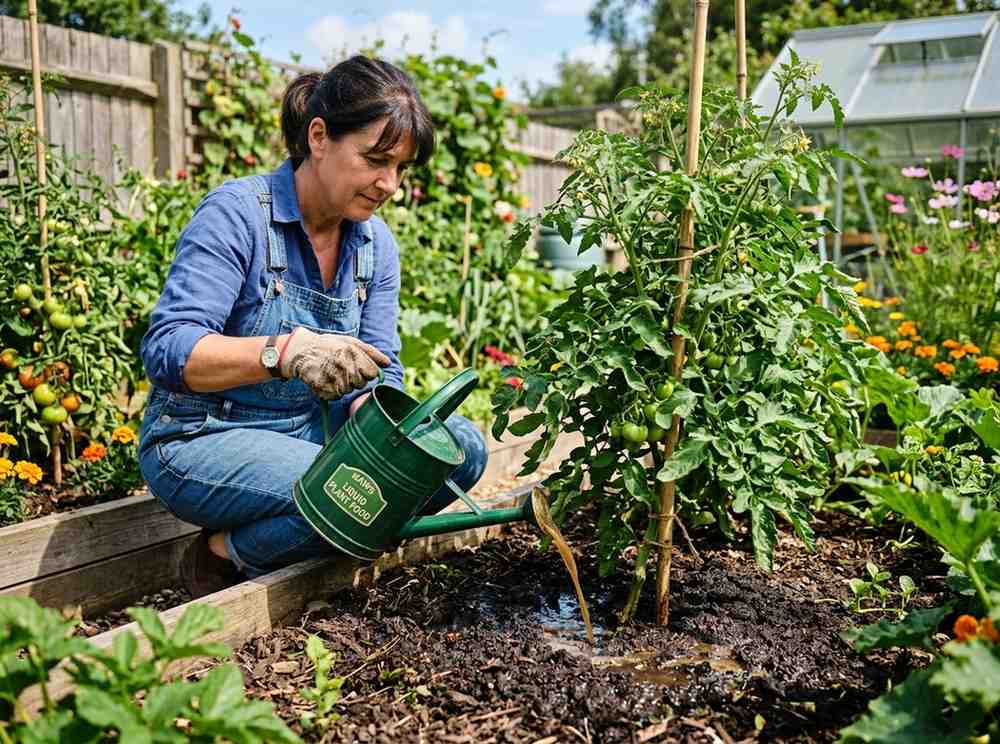
Liquids soak in fast, perfect for potted tomatoes or quick recovery. Dilute to half strength for safety, like one tablespoon per gallon. Pour at the base during watering, once a week in peak growth. They're great for spotting deficiencies early. Containers dry out quicker, so liquids keep things even.
Add gypsum for calcium without changing pH much. Mix a cup around plants at mid-season. Liquid calcium sprays work on leaves if soil uptake lags. This targets blossom end rot head-on. Consistent moisture pairs best with these adds.
Apply smart to get nutrients where plants can grab them. Wrong moves lead to waste or harm. Follow these tomato fertilizer tips to keep things smooth.
Too much feed scorches leaf tips brown and yellow. Plants flop over from weak stems in heavy rain. Always start light and watch response. Burned plants recover slow, so prevention beats cure. Remember, tomatoes forgive underfeeding more than excess.
Wet soil first to dissolve granules safely. This stops root burn from dry contact. After applying, give a light soak to push nutrients down. Dry spells call for extra care here. Good habits cut risks big time.
Keep feeds 4-6 inches from the main stem. This draws roots outward for wider reach. Direct stem hits invite rot or pests. Side-dress in a circle for even spread. Healthy roots mean stronger plants all season.
Get a soil test kit or send samples to a lab each spring. It shows exact NPK levels and pH. Guessing wastes money and hurts the earth. Adjust based on results for spot-on feeds. Tests run about $20 and pay off in better yields.
Spots or colors off? Deficiencies often cause them, but fixes are simple. Spot the signs early with these tomato fertilizer tips. Right adjustments turn things around quick.
Lower leaves turn pale or yellow from the bottom up. Growth slows, and stems thin out. Give a gentle nitrogen boost with diluted fish emulsion. New leaves green up in days. Test soil to confirm it's not deeper issues.
Edges brown and crisp like fire touch. Fruits may split or stay small. Add sulfate of potash or kelp liquid right away. Older leaves show it first, so act fast. Balanced potassium keeps edges smooth and fruits full.
Black sunken spots at fruit ends scream calcium trouble. It's more about water swings than low soil calcium. Mulch to hold moisture even, and add liquid calcium weekly. Fix watering first—aim for one inch per week. Healthy fruits follow steady care.
Mastering fertilizer tips for tomatoes boils down to three steps: Test your soil yearly, shift to phosphorus and potassium heavy feeds at flowering, and water consistently to aid uptake. These moves build robust plants and cut problems like rot or weak yields. Follow this guide, and you'll pull basket after basket of sweet, vibrant tomatoes from your garden. Your efforts pay off with flavors store-bought ones can't touch—get out there and feed those plants right this season.
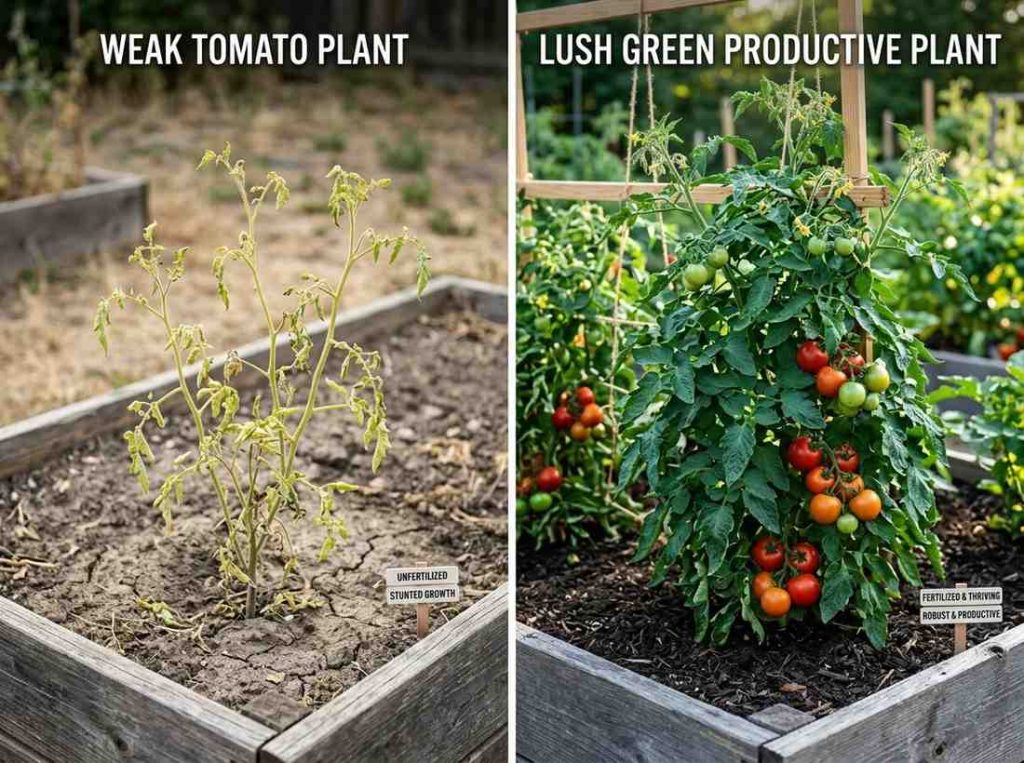
A balanced fertilizer (like 10-10-10) or one slightly higher in phosphorus works best for strong roots and fruiting.
Feed tomatoes every 2–3 weeks during the growing season, depending on soil quality and plant growth.
Yes, compost, fish emulsion, and manure are excellent organic options that improve soil health and plant growth.
Start fertilizing after transplanting and continue once the plants begin flowering for better fruit production.
Over-fertilizing can lead to excessive leafy growth with fewer fruits and may even damage the plants.