Gardening Made Simple.
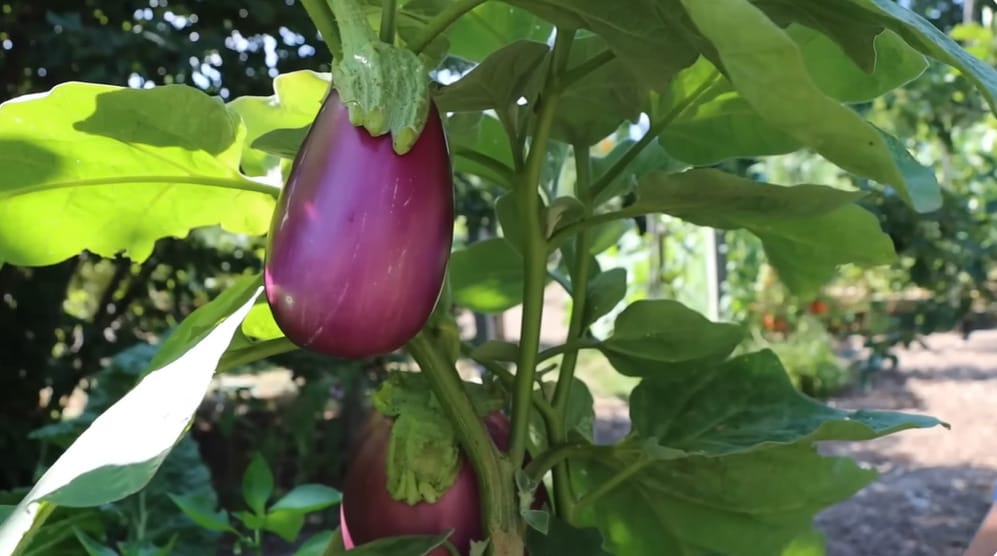
Are you ready to grow your own delicious eggplants right at home? How to Plant Eggplant may seem tricky at first, but with the right steps and a little care, you can successfully grow healthy plants in your garden. Once you understand how to plant eggplant, you’ll soon enjoy fresh, juicy fruits harvested straight from your backyard.
Whether you have a big backyard or a small balcony, this guide will walk you through everything you need to know. By the end, you’ll feel confident and excited to start planting your eggplants and watch them thrive. Let’s dive in and make your garden a fresh food haven!
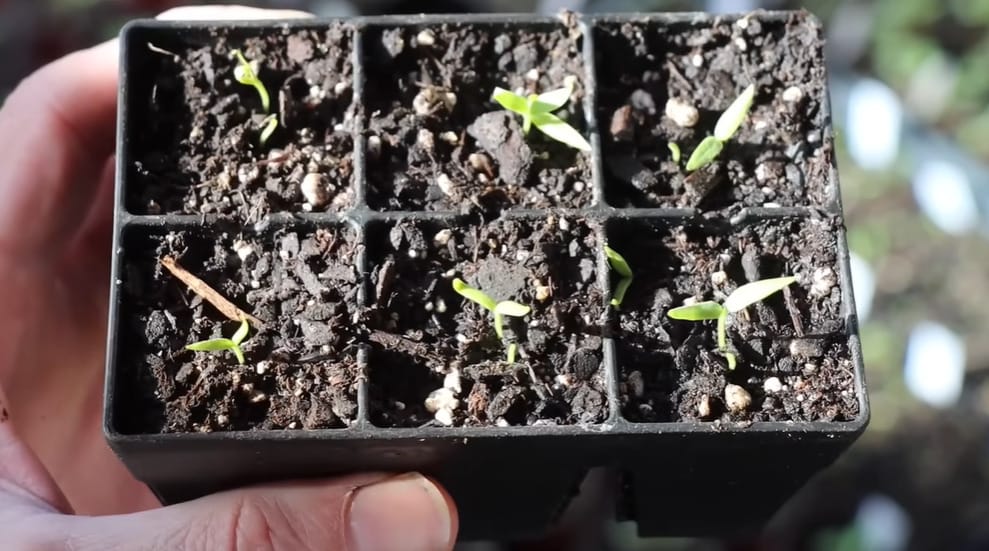
Choosing the right eggplant variety is the first step to a successful harvest. Different types suit different gardens and tastes. Knowing which variety fits your needs saves time and effort. It also improves your chances of growing healthy plants.
Eggplants come in many shapes and colors. The most common type is the classic large purple eggplant. It has shiny skin and a mild taste. Another type is the smaller, round Asian eggplant. It is usually light purple or green and cooks quickly. White eggplants have a smooth skin and a slightly sweeter flavor. There are also striped varieties with unique looks and flavors. Each type offers a different cooking experience.
Eggplants need warm weather to grow well. Some varieties handle heat better than others. Choose heat-tolerant types for hot climates. Cooler areas require early-maturing varieties that grow fast. Check your local frost dates before planting. Some eggplants thrive in dry conditions, while others prefer more moisture. Matching the variety to your climate helps plants grow strong and produce more fruit.
Preparing the soil is the first step to growing healthy eggplants. Good soil helps plants get enough water and nutrients. It also makes roots grow strong. Spend time on soil preparation to get better results in your garden.
Eggplants prefer soil with a pH between 5.5 and 7.0. This range helps plants absorb nutrients easily. Test your soil to check its pH level. Use lime to raise pH or sulfur to lower it if needed.
Eggplants need nutrients like nitrogen, phosphorus, and potassium. Use balanced fertilizer before planting. Mix it well into the top 6 to 8 inches of soil. This gives plants a strong start.
Eggplants do not like wet feet. Soil should drain water well to avoid root rot. Add organic matter like compost or aged manure to improve drainage. This also makes soil soft and loose.
Clay soil can be heavy and hard for roots. Sandy soil may dry out too fast. Mixing compost helps balance these textures. It keeps soil moist and easy for roots to grow.
Starting eggplant seeds indoors gives them a strong start. It helps seedlings grow healthy before planting outside. This step is important for a good harvest. Understanding timing, light, and temperature improves success.
Plant eggplant seeds indoors about 8 to 10 weeks before the last frost. This gives seedlings enough time to grow strong. Starting too early can cause leggy plants. Starting too late may not give enough growth before planting outside.
Eggplant seeds need warm soil to sprout. Keep the soil temperature around 75 to 85°F (24 to 29°C). Use a heat mat if needed. After sprouting, seedlings require bright light for 12 to 16 hours daily. A sunny window or grow light works well. Good lighting prevents seedlings from becoming tall and weak.
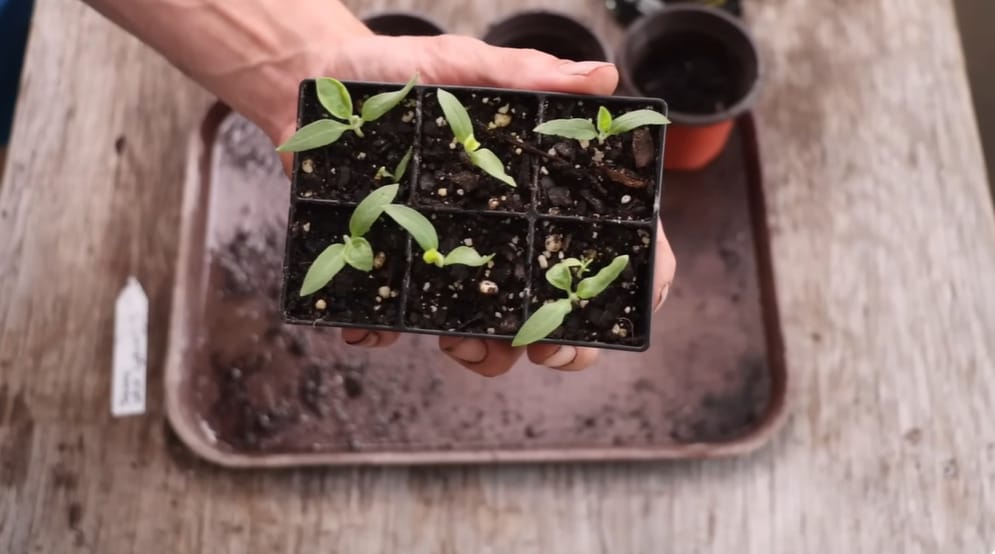
Transplanting eggplant seedlings is a key step in growing healthy plants. It moves young plants from seed trays to the garden or larger pots. This process helps seedlings grow stronger roots and prepares them for outdoor conditions. Doing this carefully avoids shock and supports better growth.
Seedlings need time to adjust to outdoor conditions. Start by placing them outside for a few hours each day. Increase the time they spend outdoors over 7 to 10 days. Protect them from strong sun, wind, and cold during this period. This slow change helps seedlings become tough and ready for planting.
Plant seedlings deep enough to cover their roots well. Avoid burying the stem too much. Space each seedling about 18 to 24 inches apart. This gives room for growth and air circulation. Proper spacing reduces disease risk and helps plants get enough sunlight.
Sunlight and water play key roles in growing healthy eggplants. These plants need enough light and water to thrive. Poor sunlight or watering can slow growth and reduce fruit quality. Understanding the right amount of sun and water helps your eggplant grow strong and produce well.
Eggplants need full sun to grow best. They require at least 6 hours of direct sunlight daily. More sun means better flowering and fruit development. Choose a sunny spot in your garden. Avoid shady areas as they cause weak plants and fewer fruits.
Eggplants prefer consistent watering. Water deeply once or twice a week, depending on weather. Keep the soil moist but not soggy. Use drip irrigation or a soaker hose to avoid wetting leaves. Water early in the morning to reduce evaporation and disease risk.
Fertilizing is key to growing healthy eggplants. It helps plants get the nutrients they need. Good fertilizing supports strong roots and bigger fruits. Understanding fertilizer types and when to apply them makes a big difference.
Eggplants need nutrients like nitrogen, phosphorus, and potassium. Balanced fertilizers work well for eggplants. Look for formulas like 10-10-10 or 14-14-14. Organic options like compost or manure also help. They improve soil health and feed plants slowly.
Use a fertilizer with extra phosphorus to boost flowering. This helps eggplants produce more fruit. Avoid too much nitrogen. It makes leaves grow but reduces fruit size.
Start fertilizing when transplanting seedlings into the garden. Mix fertilizer into the soil before planting. Feed plants again after they start flowering. This supports fruit growth and development.
Apply fertilizer every 3 to 4 weeks during the growing season. Use a light dose to avoid burning roots. Water plants after fertilizing to help nutrients soak in.
Protecting eggplants from pests and diseases is key for a healthy garden. Pests can eat leaves, damage stems, and reduce fruit quality. Diseases may stunt growth or cause spots on plants. Early care helps keep plants strong and productive.
Aphids are small bugs that suck plant juices. They often cluster on new leaves and stems. Flea beetles jump quickly and chew small holes in leaves. Spider mites create tiny webs and cause leaves to yellow. Whiteflies fly around plants and also suck juices. These pests reduce the plant’s ability to grow well.
Spray plants with water to wash off aphids and mites. Use insecticidal soap for gentle pest control. Neem oil works well to stop many bugs. Crop rotation helps prevent pest buildup in soil. For severe infestations, use chemical insecticides carefully. Always follow label instructions to protect plants and people. Healthy soil and proper watering reduce pest problems too.
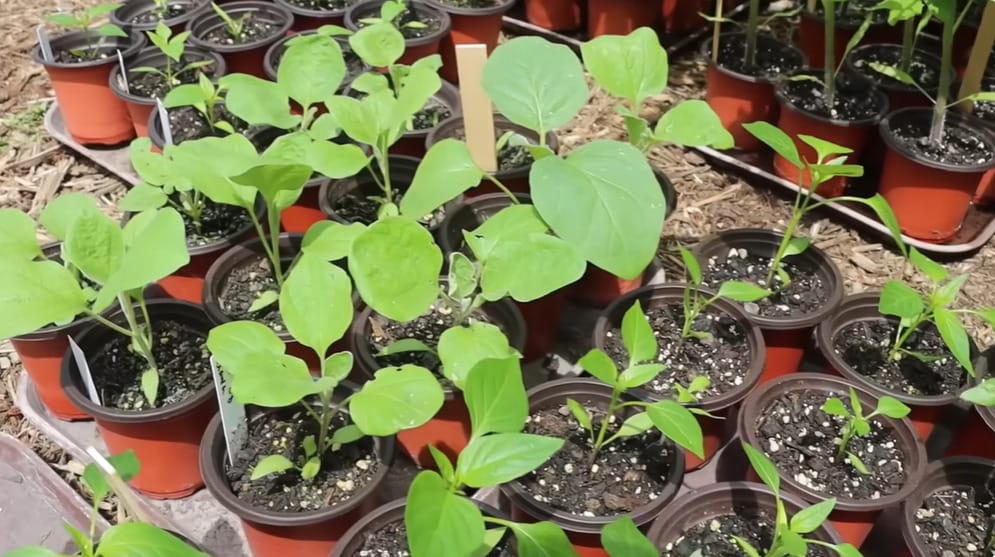
Pruning and supporting eggplant plants helps them grow healthy and strong. Removing extra branches improves air flow and sunlight. Supporting the plants keeps fruits off the ground and prevents damage. These steps can increase your harvest and make caring for eggplants easier.
Start pruning eggplants when they reach about 12 inches tall. Use clean, sharp scissors or pruning shears. Cut off small side shoots near the base to focus energy on main branches. Remove leaves that are yellow or damaged. Trim any branches that crowd the center of the plant. This allows better air flow and light. Prune gently to avoid stressing the plant.
Support eggplants with stakes or cages to keep them upright. Place stakes near the main stem and tie loosely with soft ties. Use cages around the plant to hold branches and fruit. This prevents bending or breaking from heavy fruit. Supporting plants reduces contact with soil, lowering disease risk. Check ties regularly to avoid cutting into stems as plants grow.
Harvesting eggplants at the right time ensures the best taste and texture. Picking them too early or late affects their flavor and quality. Careful harvesting also helps the plant produce more fruit. Follow these simple tips to harvest your eggplants successfully.
Eggplants are ready to harvest when their skin shines and is smooth. The fruit should feel firm but not hard. The color depends on the variety but should be deep and rich. Avoid fruits with dull skin or soft spots. Check the size as well; most eggplants grow 6 to 9 inches long. Press the fruit gently; if it springs back, it is ripe.
Use a sharp knife or garden shears to cut eggplants. Cut the stem about one inch above the fruit. Avoid pulling or twisting the fruit to prevent damage to the plant. Handle eggplants gently to avoid bruising. Harvest regularly to encourage the plant to produce more fruits. Store eggplants in a cool, dry place after picking.
Eggplants are best enjoyed fresh but can be stored properly to keep their flavor and texture. Knowing how to store eggplants helps reduce waste and keeps them ready for cooking. Using eggplants in simple, tasty dishes makes them a versatile vegetable in your kitchen.
Keep eggplants in a cool, dry place away from direct sunlight. Avoid storing them in the refrigerator for long periods. Cold temperatures can cause eggplants to become soft and brown. Use a paper bag or wrap them in a cloth to absorb moisture. Store them for up to 3-4 days for the best taste. If you need to keep them longer, slice and freeze them after blanching.
Eggplants work well in many recipes. Slice and grill them with olive oil and herbs for a simple side dish. Dice and add to pasta or stir-fries for extra flavor. Roast eggplants whole, then scoop out the soft flesh for dips like baba ganoush. Bake them in casseroles with cheese and tomato sauce. These methods bring out their rich, creamy texture and mild taste.
Plant eggplant seeds indoors 8-10 weeks before the last frost date in your area.
Eggplants need at least 6 hours of direct sunlight daily for healthy growth.
Eggplants grow best in well-drained, fertile soil with a pH between 5. 5 and 7. 0.
Water eggplants deeply once or twice a week, keeping the soil consistently moist.
Eggplants are ready to harvest about 70-85 days after transplanting, when fruits are firm and glossy.
Planting eggplant can be simple and rewarding. Choose a sunny spot with good soil. Water your plants regularly but avoid overwatering. Watch for pests and remove them quickly. Give your eggplants space to grow tall and strong. With care and patience, you will enjoy fresh, homegrown eggplants.
Start small, learn as you go, and enjoy the process. Growing your own food feels great and tastes even better. Try planting eggplant this season and see the results yourself.