Gardening Made Simple.
Are you ready to grow your own fresh, delicious eggplants right at home? Planting eggplant seeds might seem tricky, but with the right steps, you can watch them sprout and thrive in no time. Learning How to Plant Eggplant Seeds will help you start strong, giving your plants the best chance to grow healthy and produce a bountiful harvest.
Imagine biting into a juicy, homegrown eggplant that you nurtured from seed to harvest. In this guide, you’ll discover simple, proven tips that make planting eggplant seeds easy and rewarding. Keep reading to learn exactly how to get started and enjoy a bountiful eggplant harvest this season.
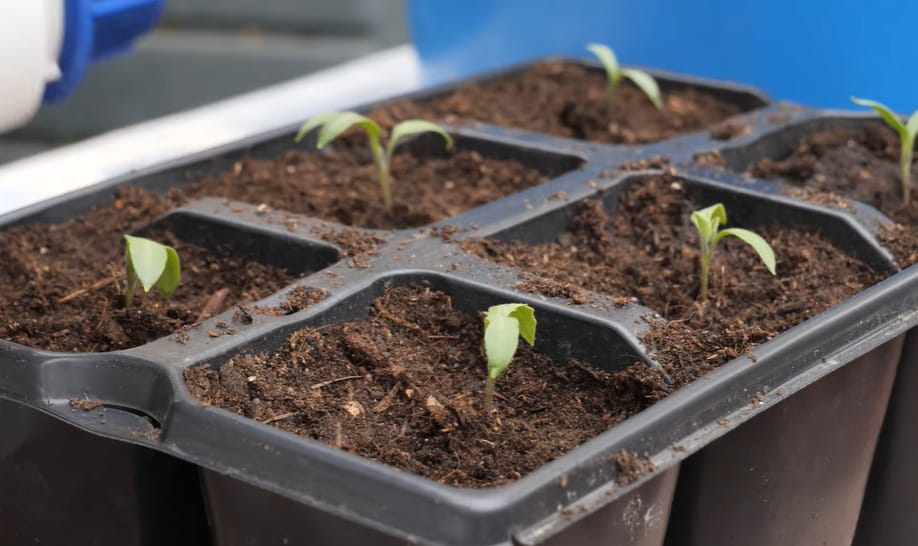
Choosing the right eggplant seeds is the first step to a healthy garden. The seeds you pick affect how well your plants grow. Good seeds lead to strong plants and a better harvest. This section helps you understand which seeds suit your garden best.
Eggplants grow best in warm weather. Some varieties do better in hot climates, while others handle cooler spots. Choose seeds labeled for your region. Look for terms like "heat-tolerant" or "early maturing" if your season is short. Picking the right variety helps plants thrive and produce more fruit.
Certified seeds come from trusted sources. They have been tested for quality and germination. These seeds give a higher chance of success for new gardeners. Saving your own seeds can save money but may not always grow true to type. Seed quality can drop after many seasons. For best results, start with certified seeds and try saving your own later.
Preparing the soil is the first step to planting eggplant seeds successfully. Healthy soil helps seeds grow strong roots and healthy plants. Good soil gives the right support and nutrients for eggplants to thrive. Spend time making the soil ready before planting.
Eggplants grow best in loose, well-drained soil. Sandy loam or loamy soil works well. Avoid heavy clay soils that hold too much water. Proper drainage stops root rot and other problems.
Eggplants prefer a soil pH between 5.5 and 7.0. Test your soil to check the pH level. Adjust pH by adding lime to raise it or sulfur to lower it. Balanced pH helps plants absorb nutrients better.
Rich soil with nutrients supports healthy eggplant growth. Mix compost or well-rotted manure into the soil. Compost improves soil texture and adds organic matter.
Use a balanced fertilizer with nitrogen, phosphorus, and potassium. Apply fertilizer before planting and lightly mix it into the soil. This feeds young plants and encourages strong roots and fruit.
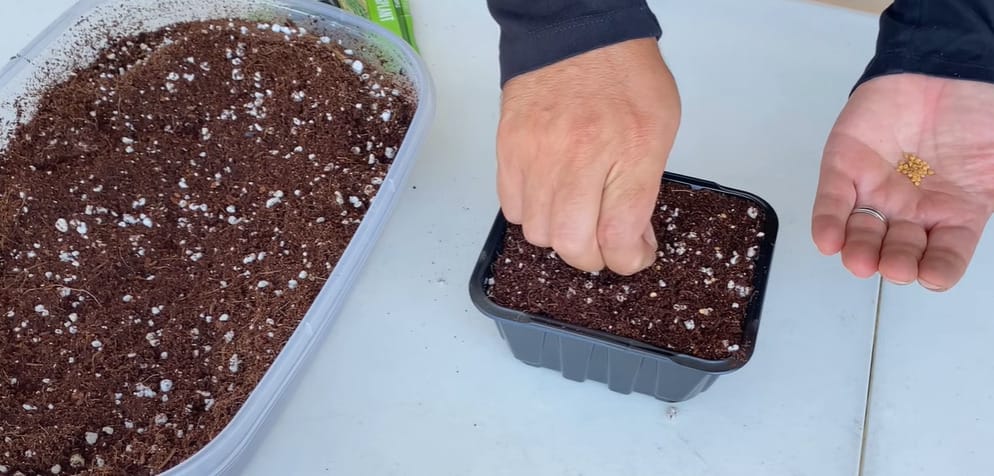
Starting eggplant seeds indoors gives plants a strong beginning. It helps control growing conditions. You can protect young seedlings from cold weather. This method often leads to healthier plants and better harvests.
Use small containers or seed trays with drainage holes. They keep soil moist but prevent water buildup. Seed trays save space and make watering easier. Choose containers at least 2 to 3 inches deep. This depth supports root growth and plant stability.
Eggplant seeds need warmth to germinate. Keep the soil temperature between 75°F and 85°F. A heating mat can help maintain consistent heat. Place seedlings in a bright area with at least 12 hours of light daily. Use grow lights if natural light is weak or limited.
Water seeds gently to keep soil moist but not soaked. Overwatering causes root rot and poor growth. Mist the soil surface or water from the bottom. Check moisture daily. Proper moisture helps seeds sprout and seedlings grow strong.
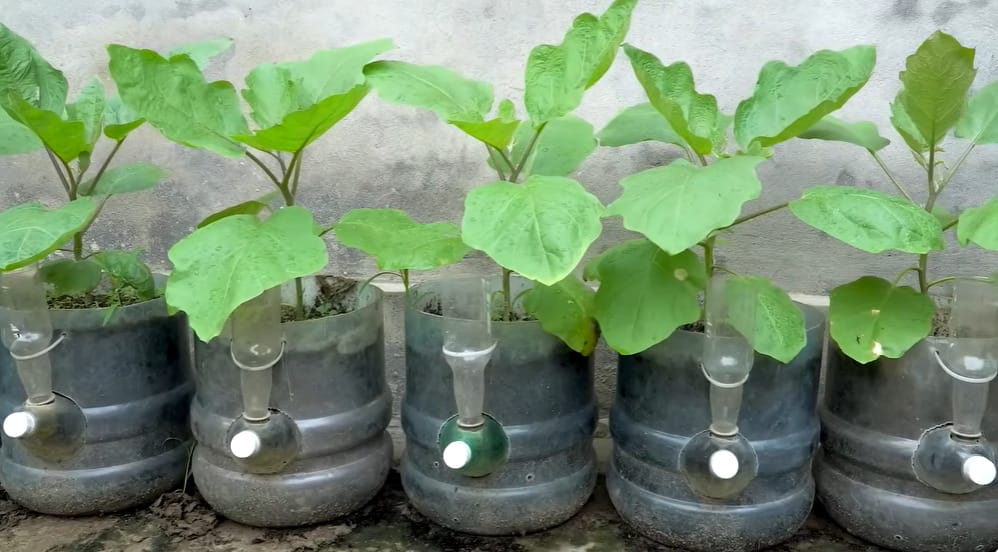
Transplanting eggplant seedlings is a key step for a strong garden. This process moves young plants from seed trays to the outdoor garden. Doing this right helps seedlings grow healthy and produce many fruits. Pay close attention to timing, preparation, and planting details. These factors affect plant survival and growth.
Choose the right time to plant seedlings outdoors. Wait until the soil is warm, at least 60°F (15°C). Avoid frost risk by planting after the last frost date. Morning is the best time to transplant seedlings. This helps plants settle before heat arrives. Planting too early can shock seedlings and slow growth.
Prepare seedlings for outdoor conditions with hardening off. Start by placing seedlings outside for a few hours daily. Increase outdoor time gradually over 7 to 10 days. Protect seedlings from wind and direct sun at first. This step helps plants adjust to weather and sunlight. Hardening off reduces transplant shock and strengthens seedlings.
Space seedlings properly to give each plant room to grow. Plant eggplants 18 to 24 inches apart in rows 24 to 36 inches apart. Dig holes deep enough to cover the root ball. Plant seedlings at the same depth as in their pots. Firm the soil gently around roots to remove air pockets. Proper spacing and depth support healthy roots and strong plants.
Caring for growing eggplant plants is key for a healthy harvest. Proper care helps plants grow strong and produce many fruits. Focus on watering, feeding, and protecting your plants. These steps keep them healthy and thriving.
Eggplants need steady moisture to grow well. Water deeply once or twice a week. Keep soil moist but not soggy. Avoid wetting the leaves to prevent disease. Use mulch to keep soil damp longer.
Feed eggplants regularly for best growth. Use a balanced fertilizer every 3-4 weeks. Choose one with equal nitrogen, phosphorus, and potassium. Stop feeding when fruits start to form. Too much fertilizer can harm the plant.
Check plants daily for pests like aphids or flea beetles. Remove pests by hand or spray with mild insect soap. Watch for diseases such as powdery mildew or blight. Remove infected leaves quickly to stop spread. Keep plants spaced for good air flow.
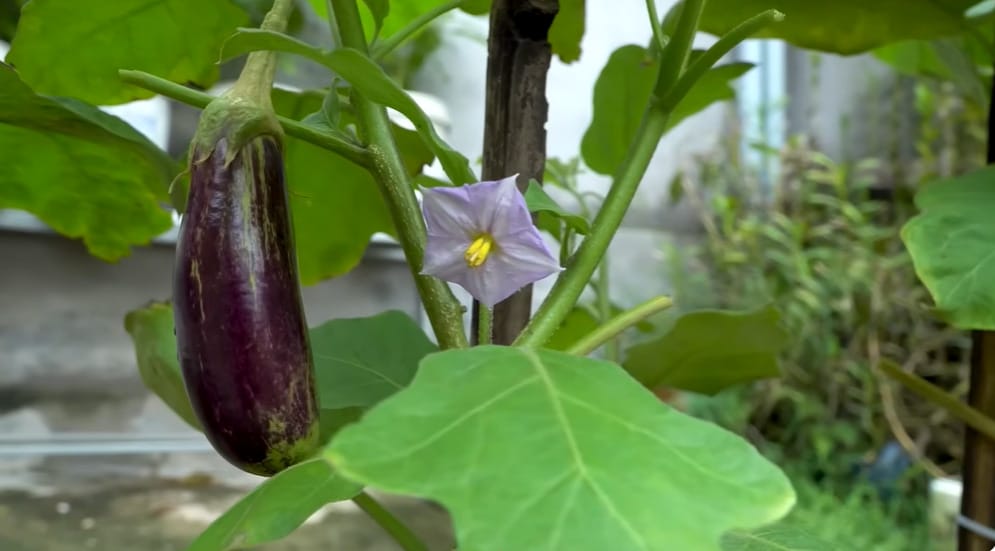
Harvesting eggplants is an exciting step in growing your own vegetables. Picking the right time ensures the best taste and texture. Knowing when and how to harvest keeps your plants healthy and productive. Careful handling protects the fruit and helps it last longer after picking.
Eggplants are ready to harvest when their skin is shiny and smooth. The color should be deep and consistent. Press the fruit gently; it should feel firm but slightly soft. Avoid dull or wrinkled skin. Check the size too—most varieties are ready at 6 to 9 inches long.
Use sharp scissors or pruning shears to cut eggplants from the plant. Leave a short stem attached to the fruit. Avoid pulling or twisting, as this can damage the plant. Handle the fruit gently to prevent bruising. Harvest regularly to encourage more fruit growth.
Store eggplants in a cool, dry place away from direct sunlight. Use them within a few days for the best flavor. Keep them in a paper bag or perforated plastic bag in the refrigerator. Eggplants can be cooked in many ways—grilled, roasted, or sautéed. Fresh eggplants add rich flavor and nutrition to meals.
Plant eggplant seeds about ¼ inch deep in well-draining soil for best growth.
Start seeds indoors 8-10 weeks before the last spring frost date for strong seedlings.
Water seedlings lightly every day to keep soil moist but not soaked.
Maintain soil temperature between 75°F to 85°F for quick and healthy germination.
Eggplant seeds usually sprout within 7 to 14 days under good conditions.
Planting eggplant seeds can be simple and rewarding. Start with good soil and enough light. Keep seeds warm and moist for best growth. Thin seedlings to give space for strong plants. Water regularly but avoid waterlogging. Watch for pests and remove them quickly.
With patience, you will enjoy fresh eggplants soon. Growing your own food feels great and saves money. Try these steps and see how your garden grows. Easy and fun to do!