Gardening Made Simple.
There is no one-size-fits-all summer watering schedule. A vegetable garden in blazing sun, sandy soil, or a raised bed will dry out much faster than one in rich ground with mulch. Understanding how often to water vegetable garden in summer helps you adjust based on your conditions and keep your plants healthy and productive.
That is why the best answer is not "every day" or "twice a week." Summer watering works best when you match it to heat, soil, plant size, and where the crops are growing. Start with a solid routine, then adjust with your eyes and your hands.
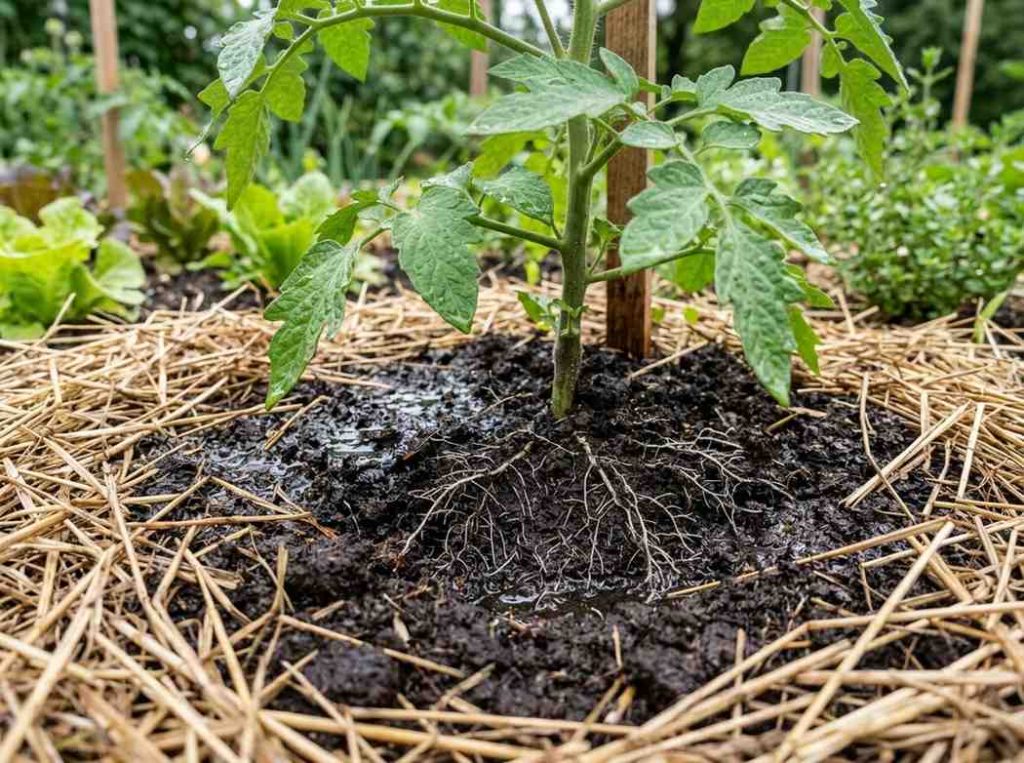
A summer garden loses water faster than most people expect. Hot air pulls moisture from soil, wind strips it from leaves, and long sunny days keep the drying going for hours. Because of that, a bed that looked fine yesterday can be dry today.
When summer heat settles in, evaporation speeds up. Full-sun beds usually need closer attention than spots with afternoon shade. Wind makes the problem worse because it dries both the soil surface and the leaves.
If you hit a stretch of 90-degree days, check the soil more often. A rigid calendar won't keep up with a heat wave.
Soil acts like a sponge, but not every sponge holds water the same way. Sandy soil drains fast, so it often needs water more often. Loamy soil is the sweet spot because it holds moisture while still draining well. Clay soil keeps water longer, yet it can stay too wet if you water too much.
In other words, two gardens in the same town can need different schedules simply because the soil is different.
Young seedlings need steady moisture near the surface because their roots are small. Mature plants usually handle short dry spells better, especially if they have deep roots.
Some crops are thirstier than others. Tomatoes, cucumbers, squash, and peppers often need more regular watering in peak summer. Meanwhile, well-established beans or herbs may stay happy longer between soakings.
Most in-ground vegetable gardens do best with deep watering once or twice a week, then small adjustments based on weather. That gives the soil time to hold moisture below the surface, where roots need it most.
This quick guide gives you a strong starting point:
| Garden type | Summer starting point | What to check |
|---|---|---|
| In-ground beds | 1 to 2 deep waterings a week | Soil moisture 2 to 4 inches down |
| Raised beds | Check daily, water when top inch is dry | Fast drying after hot or windy days |
| Containers | Often daily in hot weather | Dry top inch and lighter pot weight |
| New transplants | Smaller, more frequent watering | Even moisture until roots settle |
The takeaway is simple: start here, then let the soil make the final call.
A good target for many in-ground beds is about 1 to 1.5 inches of water each week. Give that water in fewer, deeper soakings instead of light daily sprinkles. Shallow watering keeps roots near the surface, where heat dries them out fast.
Deep watering encourages roots to grow down. As a result, plants handle hot spells better and wilt less quickly.
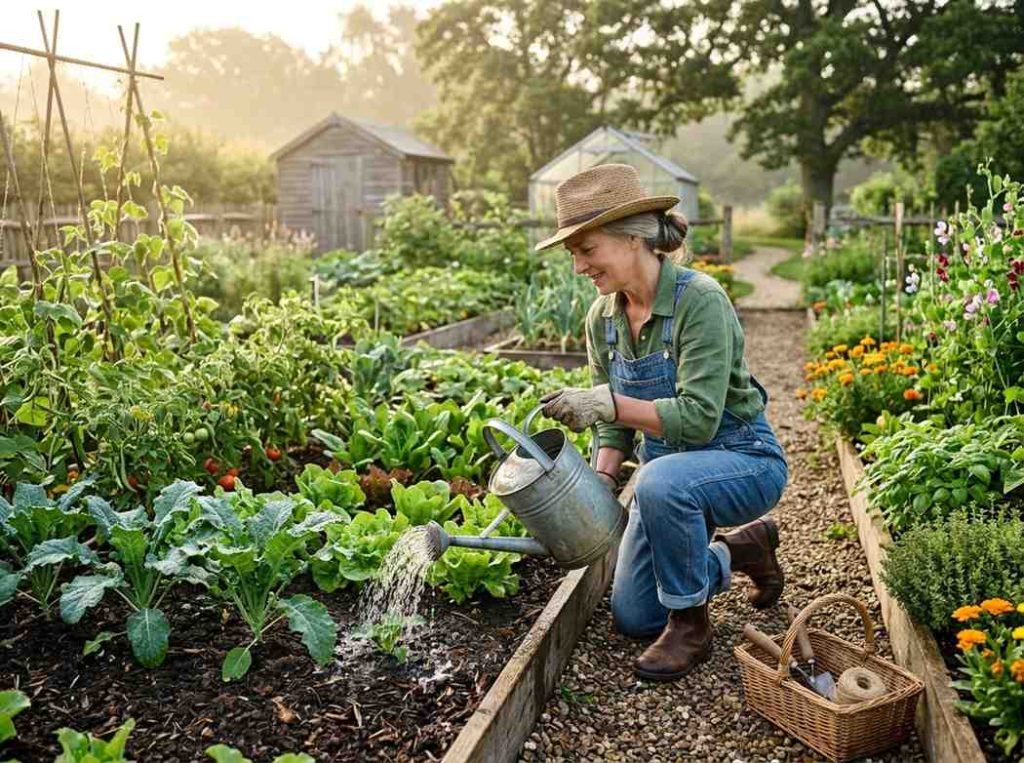
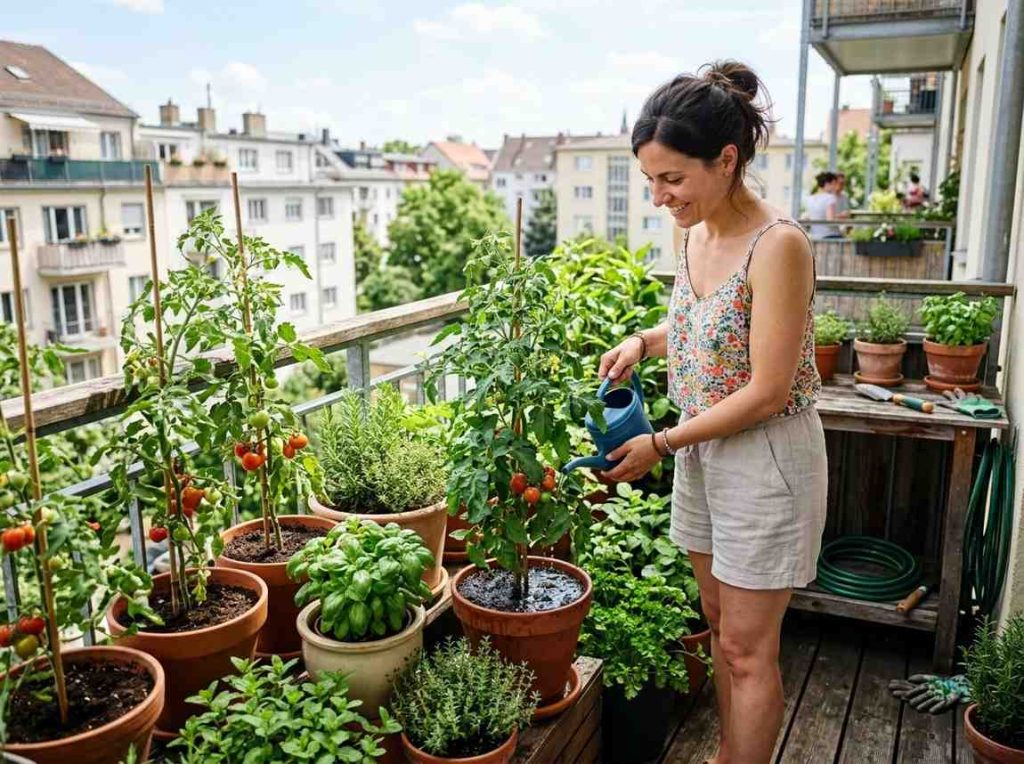
Raised beds drain faster than ground soil. Containers dry even faster because the roots are surrounded by warm air on all sides. During a hot spell, potted vegetables may need water every day, sometimes twice a day for small pots.
Check them daily. If the top inch feels dry, water thoroughly until excess drains out.
Freshly planted seedlings can't chase water yet. Their roots are small, and they dry out fast in summer sun. For the first week or two, keep the soil evenly moist with lighter, more frequent watering.
Once new growth appears, you can slowly shift them to deeper, less frequent watering.
Plants speak clearly when you know what to look for. The trick is catching the signal early, before stress turns into blossom drop, cracked fruit, or stunted growth.
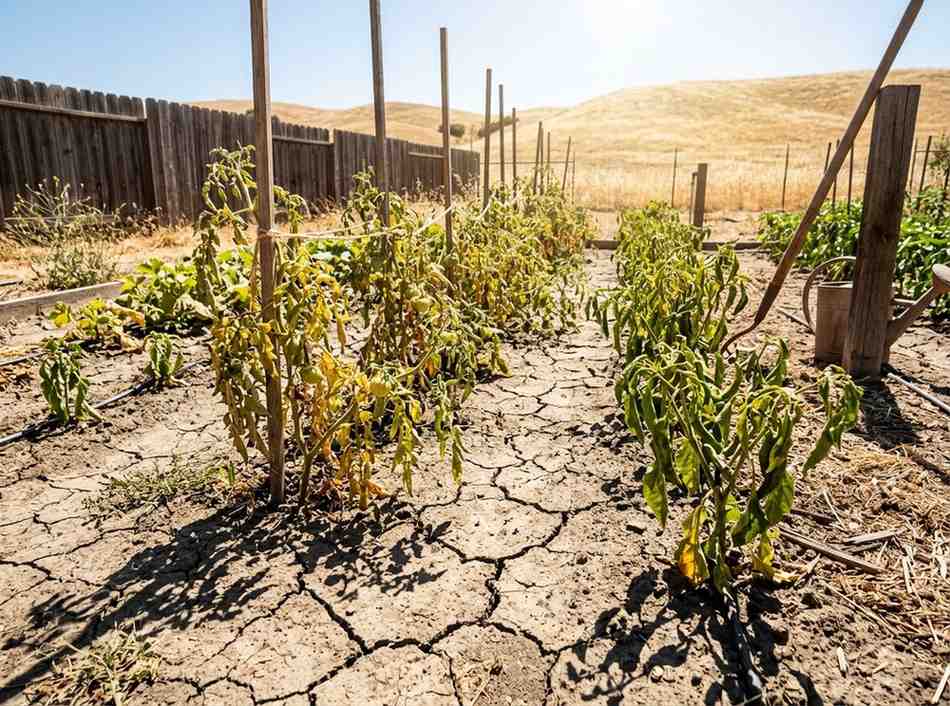
Dry gardens often show drooping leaves, curled edges, slow growth, and crumbly soil. Flowers may fall before fruit sets, and young plants can stall fast.
Still, afternoon wilt is not always a crisis. Some vegetables droop in peak heat and recover by evening. If they perk up after sunset and the soil below the surface is still damp, they may be fine.
Check the soil before you grab the hose. Leaves can wilt from heat even when roots still have water.
Too much water causes its own trouble. Leaves may turn yellow, growth may look weak, and the soil may stay soggy for days. Roots need air as much as they need moisture, so constantly wet ground can lead to rot.
If the soil feels wet a few inches down and plants still look unhappy, overwatering may be the problem. Pull back, let the soil breathe, and watch for improvement.
A few simple habits can save water and improve plant health. You do not need a complicated system. You need a better rhythm.
Early morning is the best time for most gardens. The soil absorbs more water before the heat builds, and wet leaves have time to dry. Evening watering can work, especially in extreme heat, but damp foliage overnight can raise disease risk.
Use your finger or a small trowel. If the soil is dry an inch down in containers, or a few inches down in in-ground beds, it is time to water. If it is still moist, wait.
That small habit beats any calendar. Summer weather changes too fast for fixed dates.
Mulch is one of the easiest summer upgrades. A layer of straw, shredded leaves, or untreated grass clippings slows evaporation and keeps roots cooler. Because of that, the soil stays evenly moist longer.
Drip lines and soaker hoses also help. They put water near the root zone instead of spraying it into the air. You waste less water, and plants get more of what they need.
The right summer schedule depends on weather, soil, and plant type, not a single rule. Most in-ground vegetable gardens do well with deep watering once or twice a week, while containers, raised beds, and new transplants usually need more attention.
When you check the soil first and watch how plants respond, watering gets easier. Less guesswork, better roots, and healthier vegetables are the reward.
Most gardens need watering 2–3 times per week, but in extreme heat or sandy soil, daily watering may be necessary.
Early morning is best, as it reduces evaporation and helps plants absorb water before the heat of the day.
Check the soil about 1–2 inches deep—if it feels dry, it’s time to water.
Yes, too much water can cause root rot and nutrient loss, so ensure proper drainage and avoid soggy soil.
Use mulch, improve soil quality, and water deeply to retain moisture longer and reduce how often you need to water.