Gardening Made Simple.
Are you worried about tiny pests damaging your plants but unsure where they hide? If you've heard about spider mites, you might be wondering—Do Spider Mites Live in Soil or are they coming from somewhere else? Understanding their behavior will help you control them more effectively and protect your plants.
Knowing where these pests lurk is key to protecting your garden or indoor plants. You’ll discover the truth about spider mites’ favorite spots and learn simple ways to keep them away. Keep reading, because understanding their habits could save your plants from serious harm.
Spider mites are tiny pests that affect many plants. Knowing where they live helps control them. They do not live in soil like some pests. Instead, they prefer other parts of plants. Their habitats support their survival and reproduction. Understanding these places can protect your garden or houseplants.
Spider mites are very small, so they stay hidden. They find shelter where food and moisture meet. Warm and dry spots attract them the most. These conditions help them grow fast and lay eggs.
Spider mites mainly live on plant leaves. They hide under the leaf surface. The underside gives them protection from predators and sun. They feed by piercing plant cells and sucking fluids. Sometimes, they also live on stems and buds. They rarely live in soil or on roots.
Spider mites prefer houseplants, garden plants, and crops. They thrive in dense plant areas with poor air flow. This environment keeps humidity low and temperature stable. Their webs are often seen on leaves. These webs protect them and their eggs.
Spider mites like hot and dry weather. They grow quickly when temperatures rise above 70°F (21°C). Dry air speeds up their life cycle. Wet or cold conditions slow them down. High humidity can kill them or stop their eggs from hatching.
They avoid very wet soil or waterlogged plants. Moist soil does not support spider mites. Instead, it favors fungi and other pests. Spider mites need dry air around leaves to survive. Proper watering and good air circulation reduce their numbers.
Spider mites are tiny pests known for damaging plants by feeding on leaves. Many gardeners wonder if these pests live in soil. Understanding soil as a habitat helps clarify where spider mites thrive. Soil can be a complex environment with many living organisms. Some pests live in soil, but do spider mites?
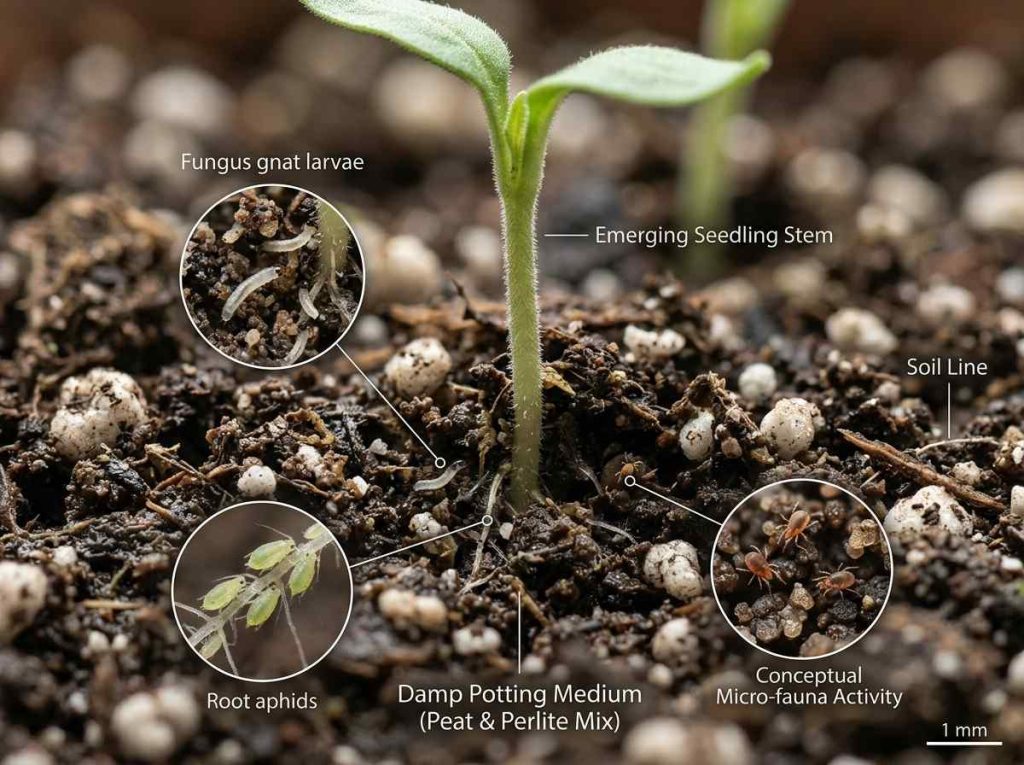
Spider mites prefer dry and warm places. They usually live on plant leaves, not in soil. Soil is often moist and cool, which does not suit spider mites well. The tiny pests need air and sunlight on leaves to survive and reproduce. Soil does not provide these conditions. It is also harder for spider mites to find food in soil. This makes soil a less suitable habitat for them.
Scientists and gardeners rarely find spider mites in soil samples. Most reports show spider mites living on leaves and stems. Some mite species do live in soil, but these are different from spider mites. Spider mites stick to plants to feed and lay eggs. Finding spider mites deep in soil is unusual and uncommon. Soil does not support their life cycle well.
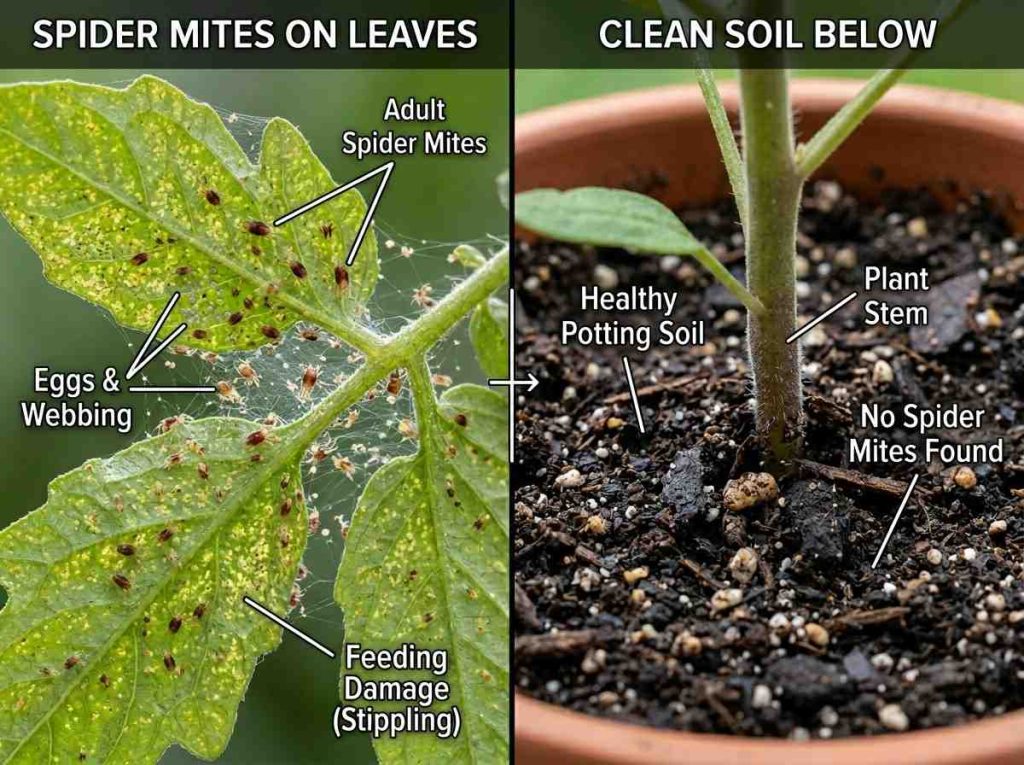
Spider mites affect plants in many harmful ways. These tiny pests feed on plant cells, causing stress and damage. Their presence lowers plant health and growth. Plants can suffer from reduced energy and vigor. This often leads to poor yields and weak plants.
Spider mites pierce plant leaves to suck out fluids. This causes tiny spots that look like specks or dots. Leaves may turn yellow or bronze over time. Severe damage can make leaves dry and fall off. Flowering and fruit production can drop significantly. The plant’s overall ability to make food reduces. Spider mites also produce webbing that covers leaves. This webbing blocks sunlight and traps dust.
Early signs include small yellow or white spots on leaves. Leaves may look dusty or faded. Fine webbing appears on leaf undersides or between branches. Plants may wilt or grow slower than usual. Leaves can curl, dry, or drop early. Close inspection often reveals tiny moving dots. These dots are spider mites, often red or brown. Detecting these signs early helps protect plants better.
Controlling spider mites is key to keeping plants healthy. These tiny pests can cause serious damage fast. Early action helps stop their spread. Use smart methods to manage them without harming plants or soil.
Spider mites rarely live deep in soil but can hide in surface debris. Keep soil clean and dry to avoid their growth. Remove dead leaves and plant waste regularly. Avoid overwatering, as moist soil can help pests thrive. Use quality soil and pots to reduce risk. Inspect new plants for mites before planting. Natural predators, like ladybugs, help control mite populations safely.
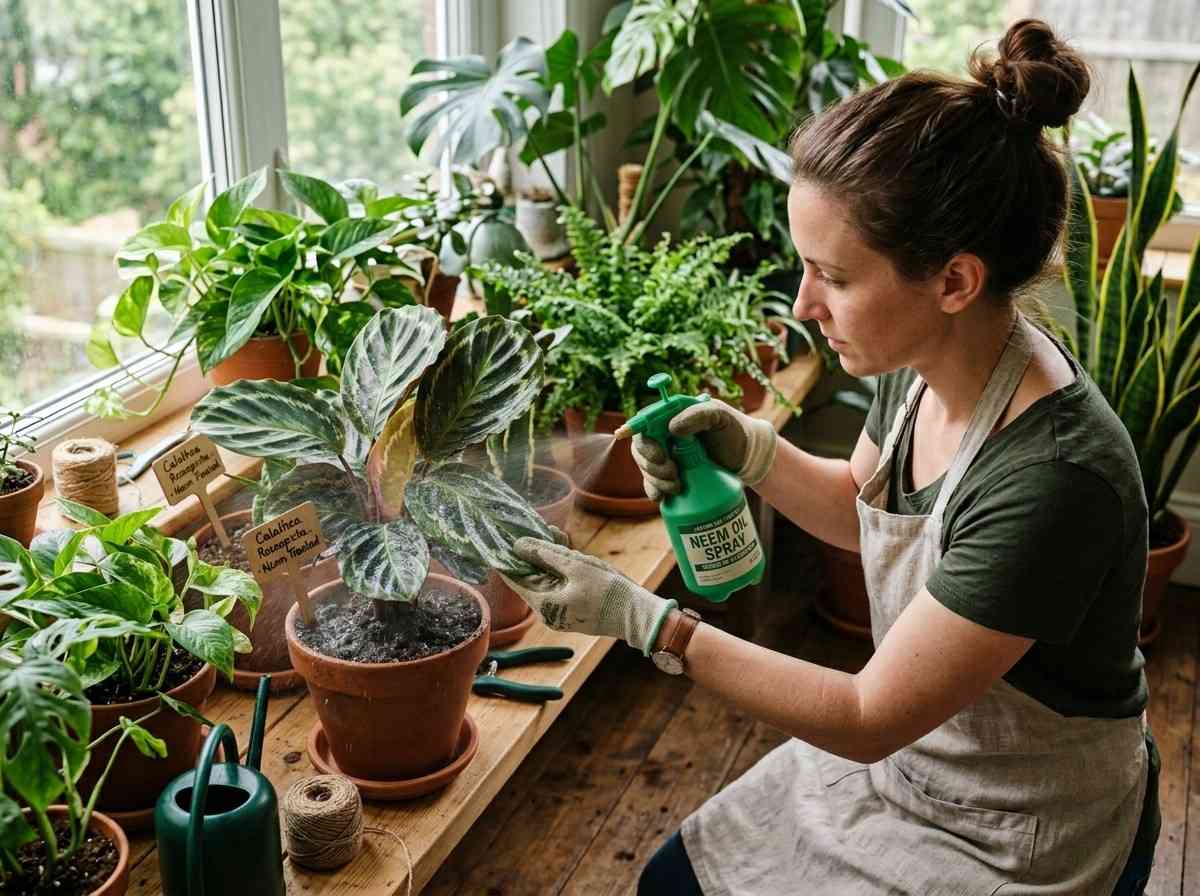
Check leaves regularly for webbing or spots. Spray affected plants with water to wash off mites. Use insecticidal soap or neem oil for safe treatment. Apply sprays in the morning or evening to protect plants. Repeat treatments every few days until mites disappear. Avoid harsh chemicals that can damage plants or beneficial insects. Prune heavily infested leaves to stop mites from spreading further.
Spider mites cause a lot of confusion. Many people do not know where these tiny pests live and how they spread. Misunderstandings about spider mites can lead to wrong treatment and more damage. Clearing up these misconceptions helps in managing spider mites better.
One common myth is that spider mites live in soil. Many assume these pests hide underground. Actually, spider mites live mostly on plant leaves. They feed on the plant’s sap, not the soil. Another myth says spider mites only affect outdoor plants. Spider mites can harm indoor plants as well. Some believe spider mites are insects. They are not insects but tiny arachnids, related to spiders.
Science shows spider mites prefer dry, warm environments on plants. Research proves they do not live in soil. They move from plant to plant through wind or by crawling. Studies also confirm spider mites reproduce quickly on leaves. Scientists advise checking leaves for tiny webs and spots. This helps catch infestations early before they spread widely.
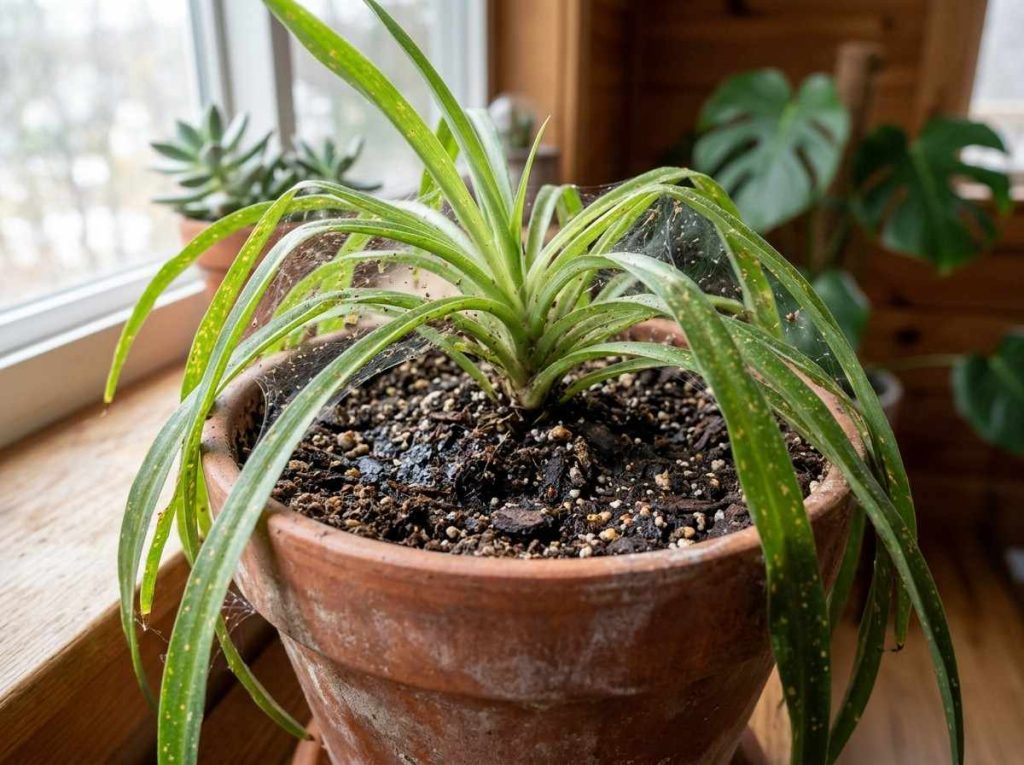
Spider mites mostly live on plant leaves, not in soil. They feed on plant sap.
Spider mites rarely survive long in soil. They need plant leaves to live and reproduce.
Spider mites spread by crawling or being carried by wind and animals between plants.
Soil treatment has little effect on spider mites since they stay on plant leaves.
Use insecticidal soap, neem oil, or water sprays to remove spider mites from leaves.
Spider mites usually live on plant leaves, not in soil. They feed on plant sap and cause leaf damage. Soil rarely hosts these pests, but it can hold eggs or larvae. Checking leaves regularly helps catch infestations early. Keeping plants healthy lowers spider mite risks.
Use gentle sprays or natural predators to control them. Clean soil and pots reduce chances of eggs hiding. Understanding where spider mites live helps protect your plants better. Stay alert and act fast to keep your garden safe and thriving.