Gardening Made Simple.
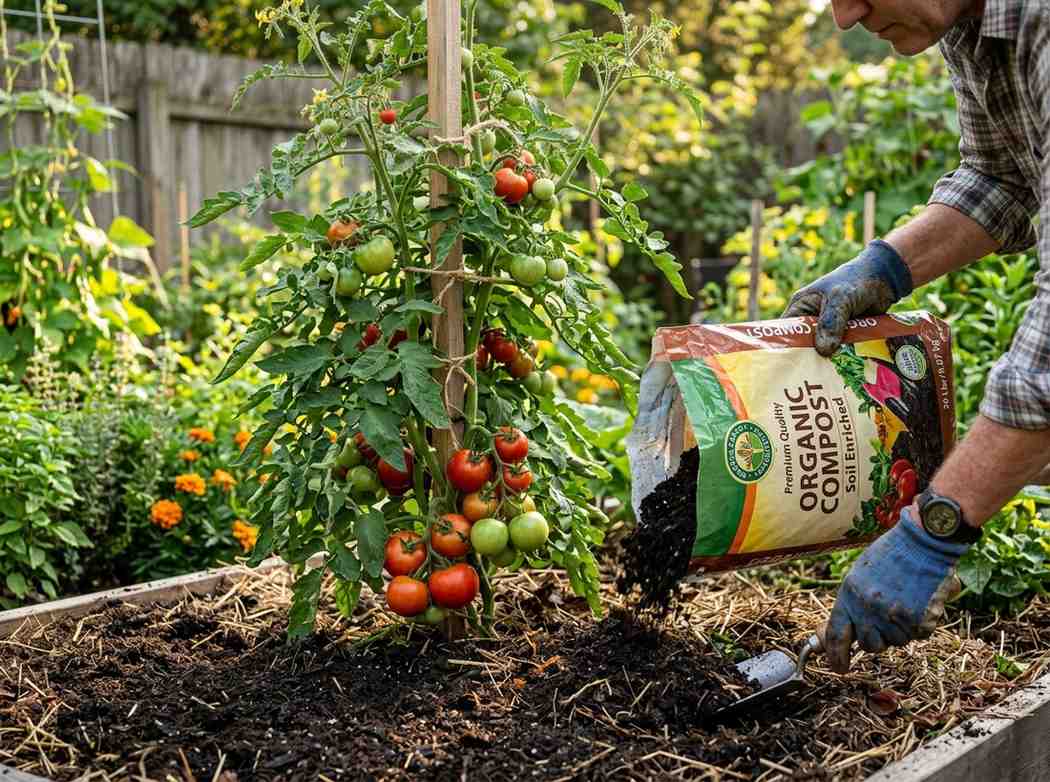
Choosing the Best Compost for Tomatoes can make a real difference in your garden. Compost feeds your tomato plants and supports healthy growth over the season. There are many options, but not all composts are made the same. The main difference between these two products is their composition and intended use for raised beds versus general soil enrichment.
After reading, you'll be able to decide which compost fits your tomato growing style and needs.
With Back to the Roots Organic Mix, the compost is easy to spread in raised beds. It blends well with existing soil and keeps the soil moist without getting soggy. Watering seems more forgiving, and tomato seedlings look sturdy as they grow.
Charlie's Compost 10lb works well when mixed into garden beds or turned into the soil before planting. I noticed it has a traditional earthy scent, and it’s simple to handle and apply, especially for straightforward garden setups.


In daily gardening, I compared how each compost supports tomato growth and fits different setups. I looked at how easy each one is to use, the way they handle moisture, and how they blend with existing soil. These comparisons focus on what most gardeners notice during planting and throughout the season.
| Aspect | Back to the Roots 25.7qt (1 Cubic ft) | Charlie's Compost 10lb |
|---|---|---|
| Form | Loose, easy to spread in raised beds | Fine compost, mixes into soil well |
| Best Application | Raised beds, containers | Garden beds, direct soil mixing |
| Mess Factor | Low, easy to handle | Low, traditional compost texture |
| Odor | Minimal, earthy | Classic compost smell |
| Bag Size | Medium (1 cubic ft) | Smaller (10 lbs) |
Ratings: Back to the Roots 25.7qt (1 Cubic ft) – 8.5/10 | Charlie's Compost 10lb – 7.5/10
Edge: Back to the Roots Organic Mix suits container and raised bed users best.
| Aspect | Back to the Roots 25.7qt (1 Cubic ft) | Charlie's Compost 10lb |
|---|---|---|
| Moisture Features | Includes yucca for moisture control | No added moisture control |
| Drying Out | Less likely to dry quickly | May dry faster in sun |
| Water Retention | Steady, helps seedlings stay hydrated | Depends on existing soil structure |
| Ease of Watering | Forgiving for new gardeners | Standard for compost |
Ratings: Back to the Roots 25.7qt (1 Cubic ft) – 8/10 | Charlie's Compost 10lb – 6.5/10
Edge: Back to the Roots Organic Mix is better for those concerned about watering habits.
| Aspect | Back to the Roots 25.7qt (1 Cubic ft) | Charlie's Compost 10lb |
|---|---|---|
| Peat-Free | Yes | No data |
| Upcycled Content | Uses plant matter, wood fines | Not specified |
| Made in USA | Yes | Yes |
| Organic Claim | 100% organic | Compost, but not certified organic |
| Carbon Storage | Protects peat bogs | No claim |
Ratings: Back to the Roots 25.7qt (1 Cubic ft) – 9/10 | Charlie's Compost 10lb – 7/10
Edge: Back to the Roots Organic Mix is a stronger choice for eco-minded gardeners.
| Aspect | Back to the Roots 25.7qt (1 Cubic ft) | Charlie's Compost 10lb |
|---|---|---|
| Raised Beds | Excellent | Good |
| Containers | Very good | Works but not specialized |
| In-Ground Beds | Works well | Ideal |
| Other Vegetables | Herbs, fruit, vegetables | General use |
| Soil Amendment | Includes conditioners | Basic compost only |
Ratings: Back to the Roots 25.7qt (1 Cubic ft) – 8/10 | Charlie's Compost 10lb – 7.5/10
Edge: Back to the Roots Organic Mix offers more features for diverse tomato setups.
| Aspect | Back to the Roots 25.7qt (1 Cubic ft) | Charlie's Compost 10lb |
|---|---|---|
| Bag Size | Medium, manageable | Small, lightweight |
| Storage Needs | Stands upright, resealable | Easy to stack or store |
| Carrying | Not heavy, but bulkier | Very easy to move |
| Use Over Time | Lasts for a few plants | Good for small projects |
Ratings: Back to the Roots 25.7qt (1 Cubic ft) – 7.5/10 | Charlie's Compost 10lb – 8/10
Edge: Charlie's Compost 10lb is easier if you need a small, portable option.
With Back to the Roots Organic Mix, the learning curve is gentle. Most users find it easy to get consistent results, especially if they are new to growing tomatoes in containers or raised beds. Trust builds over time as it delivers steady plant health and is simple to blend into your routine.
Charlie's Compost 10lb is familiar to many gardeners who have used basic compost before. It does not require much adjustment and fits well into traditional gardening practices. There is peace of mind in knowing exactly what you are working with each season.
Back to the Roots Organic Mix is a good pick for gardeners who want a compost designed for moisture control, pH balance, and eco-friendly sourcing. It fits well if you grow tomatoes in raised beds, containers, or care about peat-free organic options.
Charlie's Compost 10lb is suitable for those who prefer a straightforward, classic compost for general soil improvement. It’s a safe choice if you want something simple, easy to store, and familiar for in-ground beds and traditional gardens.
Both options support healthy tomato growth, so your choice depends on the style and values you bring to your garden.
Yes, it is designed for use with herbs, vegetables, and fruits, including all types of tomatoes. Its nutrient blend works in raised beds and containers.
Yes, but it is best suited for mixing into garden beds or soil. It works in containers, but does not offer added moisture control.
Peat-free compost avoids using peat bogs, which are important for the environment. Many gardeners prefer peat-free for sustainability, and it is fine for tomatoes.
For both products, blend a few inches of compost into the top layer of soil before planting. Adjust based on your garden bed size and number of plants.
Back to the Roots Organic Mix has a mild, earthy scent. Charlie's Compost 10lb smells like traditional compost but is not overpowering.
Compost improves soil, but tomatoes are heavy feeders. Some gardeners add a tomato-specific fertilizer for best results throughout the season.
Both products are processed and stable, so they do not usually attract pests. Always cover your compost in garden beds to minimize issues.