Gardening Made Simple.
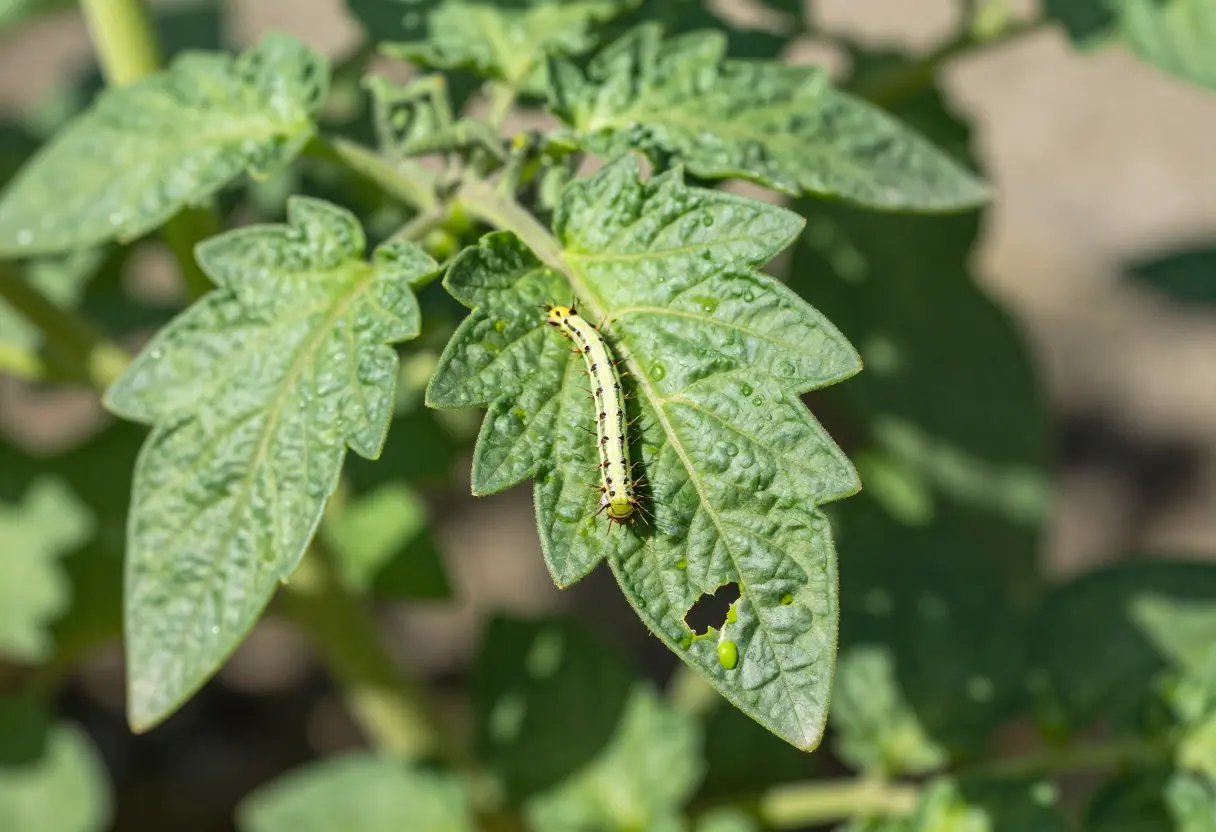
Are cutworms ruining your garden and stealing your hard work? You’re not alone, and the good news is that learning how to get rid of cutworms can help you take control. With the right strategies, you can protect your plants, prevent damage, and keep your garden healthy and thriving.
These pesky pests can quickly damage young plants, leaving you frustrated and worried about your crops. But don’t worry—there are simple, effective ways to get rid of cutworms and protect your garden. You’ll discover easy steps you can start using today to keep your plants safe and healthy.
Keep reading, and take the first step toward a thriving garden free from cutworm damage.

Identifying cutworms is the first step to protect your garden. These pests can cause serious harm to young plants. Knowing what to look for helps stop damage early. Cutworms are moth larvae that hide in the soil during the day. They come out at night to chew plant stems and leaves. Recognizing their signs is key to saving your crops.
Cutworms cut plants at the base, usually near the soil. Seedlings may fall over or die suddenly. Look for missing or chewed leaves on young plants. You might see small holes or ragged edges on leaves. Wilting plants can also mean cutworm attack. Check soil around plants for cutworm larvae. Damage often appears overnight because cutworms feed at night.
Several cutworm species damage gardens. The black cutworm is dark and smooth. It attacks many vegetable plants. The variegated cutworm has a mix of colors and patterns. It feeds on leaves and fruits. Another common type is the granulate cutworm. It has tiny bumps on its body. Each type prefers different plants but causes similar damage.
Preventing cutworm infestations is the best way to protect your garden. Taking steps early stops these pests from causing damage. Simple actions can make a big difference in keeping your plants safe.
Keep the garden free of weeds and debris. Cutworms hide in plant debris and old leaves. Remove any dead plants after harvest. This removes places where cutworms lay eggs. Clean soil and tidy beds reduce pest numbers.
Change the location of your plants each season. Cutworms target certain crops. Moving plants stops cutworms from settling in. Rotate crops with different plant families. This breaks the pest’s life cycle and lowers damage.
Use collars or shields around young plants. Barriers stop cutworms from reaching stems. Wrap cardboard or plastic around seedlings. This simple step protects plants during vulnerable growth. Barriers are cheap and easy to install.

Natural control methods offer safe and eco-friendly ways to manage cutworms. These methods help protect your plants without harmful chemicals. Using natural tactics supports garden health and encourages beneficial wildlife. Here are effective natural ways to control cutworms in your garden.
Beneficial insects are natural enemies of cutworms. Ladybugs, lacewings, and parasitic wasps attack cutworm eggs and larvae. Introducing these insects into your garden can reduce cutworm numbers. They keep pest populations under control without chemicals. Encourage these insects by planting flowers and avoiding pesticides.
Homemade remedies can deter or kill cutworms safely. A simple spray with garlic or chili pepper works well. Mix water with crushed garlic or chili and spray on plants. Another method is using diatomaceous earth around plant bases. It cuts and dries the cutworm’s skin. These remedies are affordable and easy to apply.
Companion planting helps repel cutworms naturally. Plants like marigolds, nasturtiums, and chives keep cutworms away. Plant these near your vegetables for protection. Some plants confuse or repel pests by their smell. This method also improves garden diversity and soil health.
Chemical treatments can help control cutworms quickly. These treatments kill cutworms before they damage plants. Use chemicals carefully to protect your garden and the environment.
Select a pesticide labeled for cutworm control. Look for products with ingredients like permethrin or bifenthrin. These are effective against cutworms. Choose a product that is safe for your plants. Read the label instructions thoroughly before buying.
Apply pesticides in the early morning or late evening. This avoids harming pollinators like bees. Wear gloves and protective clothing during application. Spray directly on soil around plants, where cutworms hide. Avoid overusing chemicals to prevent damage to beneficial insects. Store pesticides in a safe place, away from children and pets.
Keeping cutworms away needs more than just one treatment. Monitoring and maintenance help catch problems early. This stops cutworms from damaging plants again. Regular checks and care keep your garden healthy. This section explains how to watch your plants and care for them after treatment.
Check your plants every few days. Look for cutworm damage like chewed leaves or stems. Inspect soil around plants where cutworms hide. Use a flashlight at night to spot these pests. Early detection helps stop infestations fast. Remove any weeds or debris that attract cutworms. Keep an eye on new growth for signs of attack.
After treating your garden, don’t stop watching. Water plants gently to avoid harming beneficial insects. Replace mulch if needed to keep soil dry and cool. Reapply treatments as recommended to control cutworm populations. Remove dead plants quickly to prevent pests from spreading. Keep soil loose to discourage cutworms from burrowing. Healthy plants recover better from damage.
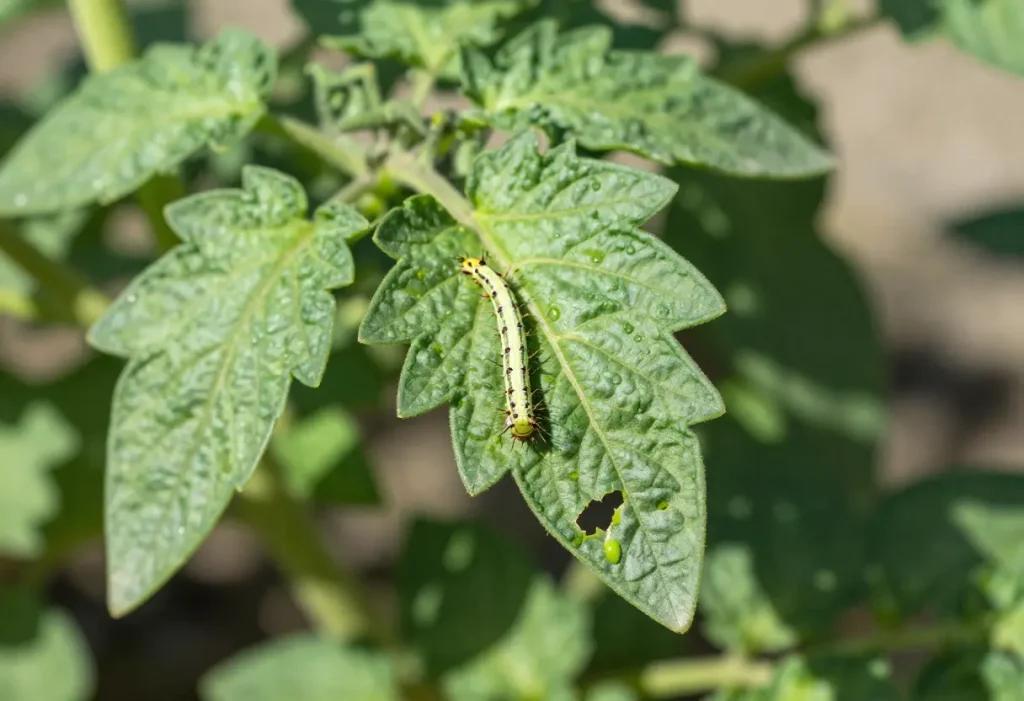
Cutworms are caterpillars that cut young plants at the soil surface, causing plant death.
Look for seedlings cut off near the ground and wilting or missing plants.
Use handpicking, beneficial nematodes, or barriers like collars around plant stems.
Apply treatments early in spring when seedlings emerge and cutworms are most active.
Yes, remedies like diatomaceous earth or garlic spray can reduce cutworm numbers safely.
Cutworms can harm your plants quickly. Act early to protect your garden. Use simple methods like handpicking or barriers. Keep soil clean and remove plant debris. Natural predators also help control cutworm numbers. Regular checks help catch problems before they grow.
Healthy plants resist damage better. With care, your garden will stay strong and healthy. Don’t let cutworms take over—stay alert and act fast.