Gardening Made Simple.
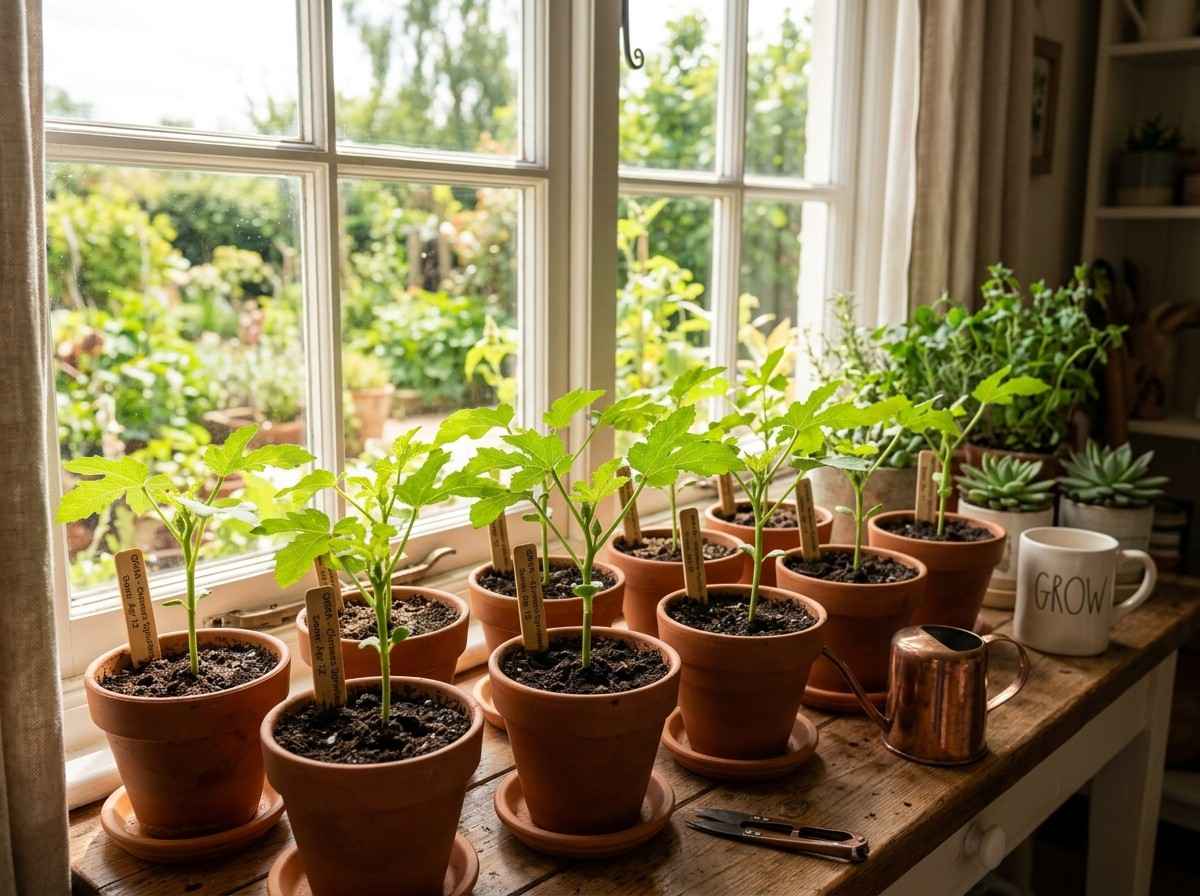
Growing your own okra can be a rewarding experience, especially if you enjoy cooking dishes like gumbo, stir-fries, or roasted vegetables. But in many climates, okra’s long, hot growing season doesn’t always match up with outdoor conditions. This is where starting okra seeds indoors can make all the difference.
By giving your plants a head start, you can harvest earlier, grow stronger seedlings, and avoid common problems like slow germination and pests. Knowing when to start okra seeds indoors is the key to a productive harvest, but the answer depends on climate, variety, and your goals as a gardener.
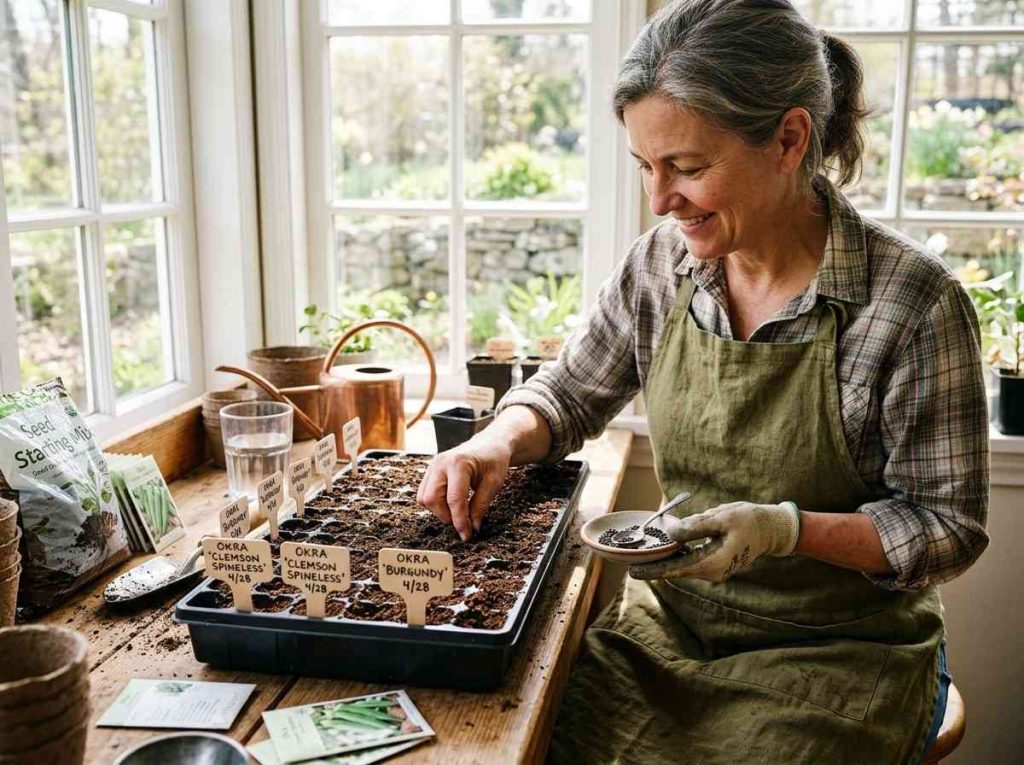
In this article, you’ll learn the best time to start okra seeds indoors, how to prepare for germination, and the steps for growing healthy transplants. We’ll also cover regional timing, common mistakes, and provide detailed tables to help you plan.
Whether you’re a beginner or an experienced grower, these insights will help you get the most from your okra crop.
Okra, also known as Abelmoschus esculentus, is a warm-season vegetable that thrives in heat and full sun. In places with short summers or unpredictable weather, direct sowing in the garden often leads to poor germination, weak seedlings, or late harvests. Starting seeds indoors solves these problems by:
Not all gardeners need to start okra indoors, but if you live in a region with a frost date later than mid-April or a short summer, indoor seeding can be the difference between a great harvest and a disappointing one.
Okra is originally from Africa and South Asia, so it’s adapted to warm temperatures. The seeds need warmth to sprout, and the plants thrive in consistent heat—day and night. Here are the main requirements:
If you live in a northern or temperate zone, you may not have enough warm days for okra to reach full size. In these cases, starting seeds indoors gives your plants a head start before the outdoor season begins.
The most important factor in knowing when to start okra seeds indoors is your local climate—specifically, the average last frost date in your area. Okra is highly sensitive to cold and will not survive frost or even cool soil. Most growers recommend transplanting okra outdoors 2–3 weeks after the last frost, when soil and night temperatures are reliably warm.
To calculate the indoor start date, work backward from your planned transplant date:
For example, if your last frost is May 10, you should transplant okra around May 24–31. That means starting seeds indoors between April 10 and April 24.
| Region | Average Last Frost | Indoor Start Date | Transplant Date |
|---|---|---|---|
| Northeast US (Zone 5–6) | May 10–20 | April 1–15 | May 24–31 |
| Midwest US (Zone 6–7) | April 30–May 10 | March 20–April 10 | May 14–24 |
| South US (Zone 8–9) | March 15–April 5 | Feb 1–March 1 | April 1–20 |
| Pacific NW (Zone 7–8) | April 15–May 5 | March 1–20 | April 29–May 19 |
| Deep South (Zone 9–10) | Feb 15–March 1 | Jan 1–Feb 1 | March 1–March 22 |
*Note: Adjust dates for your exact location and variety.*
Not all okra varieties are the same. Some mature faster, others are better for containers, and some are more heat-tolerant. Here are a few popular types:
When buying seeds, check the days to maturity and pick a type that fits your season length. If you have a short summer, choose the fastest-maturing variety for best results.
Getting your seeds to sprout and thrive indoors is not just about timing. Preparation matters just as much as the calendar. Before planting, gather these supplies:
Okra seeds have a tough outer coat, which can slow germination. For better results:
Follow these steps for healthy, vigorous okra seedlings:
| Step | Days After Planting | Notes |
|---|---|---|
| Soaking seeds | 0 | Optional, improves speed |
| Sowing indoors | Day 1 | ½ to 1 inch deep |
| Sprouting begins | 5–10 | Faster with heat mat |
| First true leaves | 10–15 | Start gentle fertilizer |
| Ready to transplant | 30–45 | Plants 4–6 inches tall |
Non-obvious insight: Okra seedlings grow fast and develop deep roots. Use deep pots (not shallow trays) to avoid root binding, which can stunt growth after transplant.
Healthy seedlings need more than just water and light. Here are keys to strong, transplant-ready plants:
Common beginner mistake: skipping hardening off. Unhardened seedlings often wilt, burn, or stop growing when moved outside.
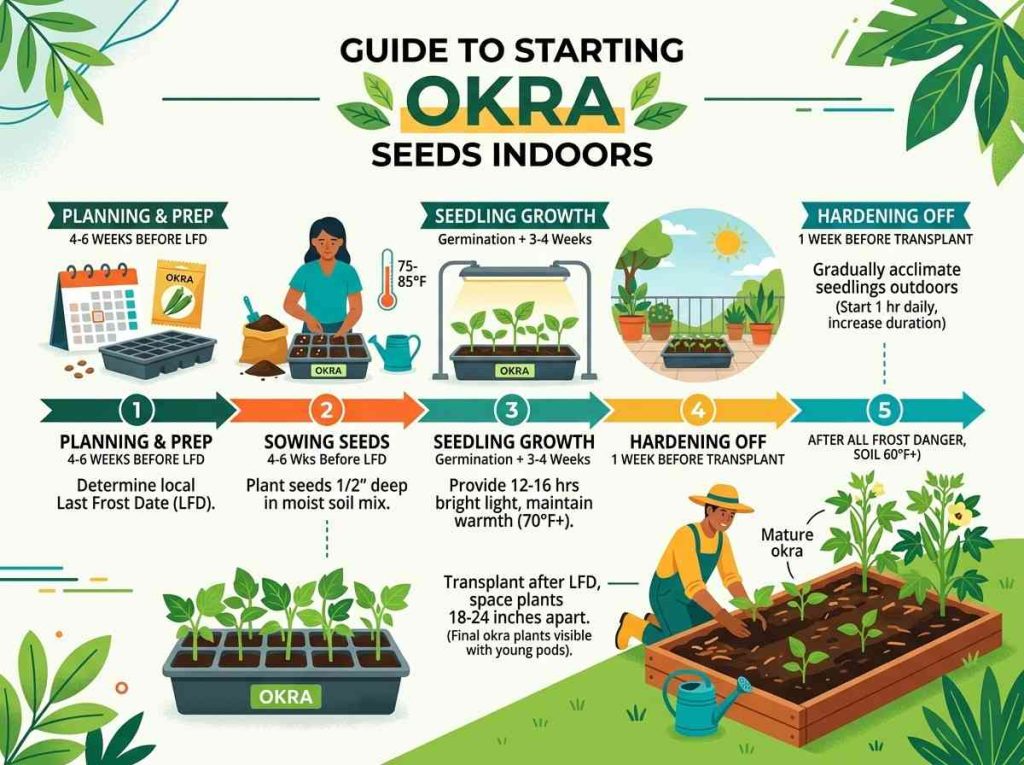
Once outdoor conditions are right (soil above 65°F, nights above 55°F, no risk of frost), it’s time to move your plants to the garden.
Expert tip: Okra is sensitive to root disturbance. If possible, use biodegradable pots that can be planted whole to reduce transplant shock.
Southern gardeners: You may not need to start okra indoors unless you want an extra-early harvest, as your summers are long and hot.
Northern gardeners: Indoor starting is almost essential. Use early varieties and consider row covers to speed up soil warming.
Coastal or mountain regions: Watch for cool nights, even after the last frost. Delay transplanting until temperatures are stable.
Even experienced growers make mistakes with okra. Here’s how to avoid common problems:
Non-obvious insight: Okra leaves are prickly and can irritate skin. Wear gloves when transplanting or pruning to avoid discomfort.
If you’re unsure whether to start indoors or sow directly, here’s a side-by-side look:
| Method | Advantages | Disadvantages | Best For |
|---|---|---|---|
| Indoor Starting | - Earlier harvest - Strong seedlings - Avoids cold, pests | - More work - Needs space, lights - Risk of transplant shock | - Short summers - Unpredictable weather |
| Direct Sowing | - Easy, less work - No transplant stress - Natural root growth | - Later harvest - Slower germination - More loss to pests | - Long, hot summers - Southern regions |
If you want the earliest and most reliable okra, start seeds indoors. If you have a long, warm season, direct sowing is also an option.
Even with good planning, problems can arise. Here’s how to identify and fix issues:
If you have persistent problems, try a different seed starting mix, check your water source, or purchase seeds from a reputable supplier.
Once your okra is outside, the hard part is over. Keep plants healthy by:
Harvest pods when they are 2–4 inches long, every two days. Large pods become tough and fibrous.
If you want to save seeds for next year, let a few pods mature and dry on the plant. When pods turn brown and crack open, collect the seeds and store them in a cool, dry place. Home-saved okra seeds can remain viable for up to 3 years if kept dry and cool.
Pro tip: Always save seeds from your healthiest, most productive plants to improve your future crops.
For more detailed climate data and frost dates, the Old Farmer’s Almanac is an excellent resource for US gardeners.
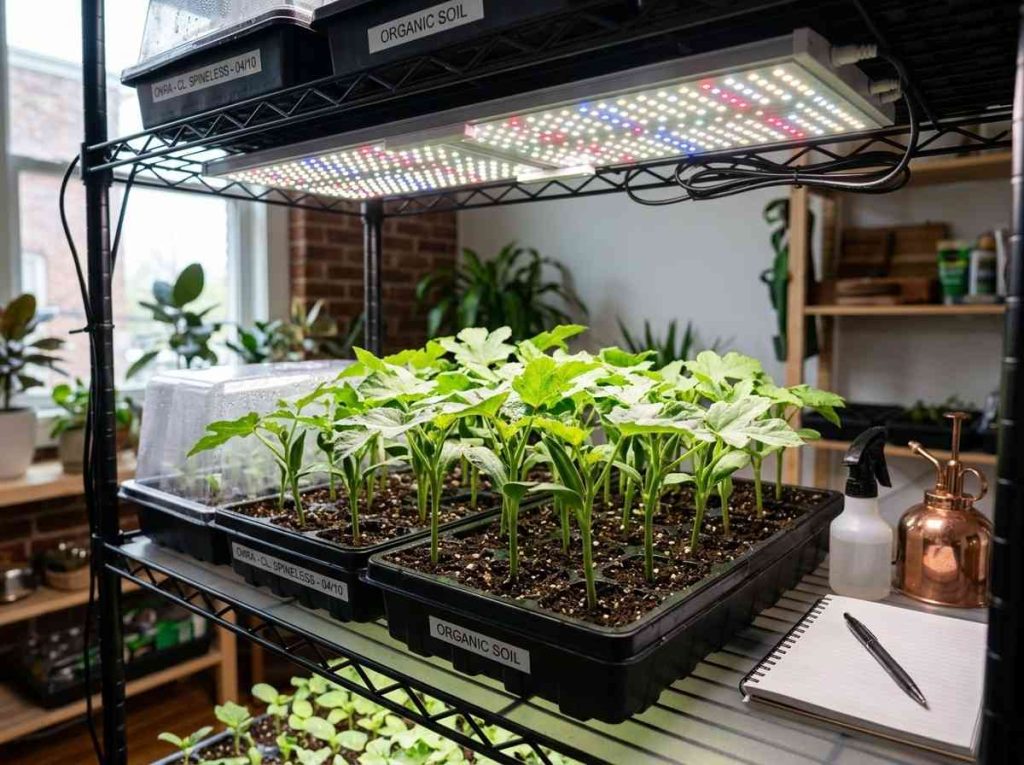
Okra seeds usually sprout in 5–10 days when kept at 75–85°F. Soaking seeds before planting can speed up germination. Cooler temperatures will slow the process, sometimes taking up to two weeks.
Yes, if you have a very sunny south-facing window that gets at least 8 hours of bright light daily. However, in most homes, seedlings grow best under artificial grow lights for 14–16 hours per day to prevent weak, leggy stems.
Use a sterile seed starting mix that is light, fluffy, and well-draining. Avoid heavy garden soil, which can contain pests and may stay too wet, causing root problems.
Transplant seedlings 2–3 weeks after your last frost date, when both soil and night temperatures are reliably warm (above 55°F). The plants should be 4–6 inches tall and have at least two sets of true leaves.
Yellowing is often caused by overwatering, poor drainage, or low nutrients. Make sure the soil dries slightly between waterings, use a well-draining mix, and begin gentle fertilizing once seedlings have two true leaves.
Starting okra seeds indoors is a smart way to enjoy a longer harvest and stronger plants, especially in regions with short or unpredictable summers. With careful timing, the right supplies, and a few tricks for success, you can grow healthy okra that thrives in your garden.
Happy gardening!