Gardening Made Simple.
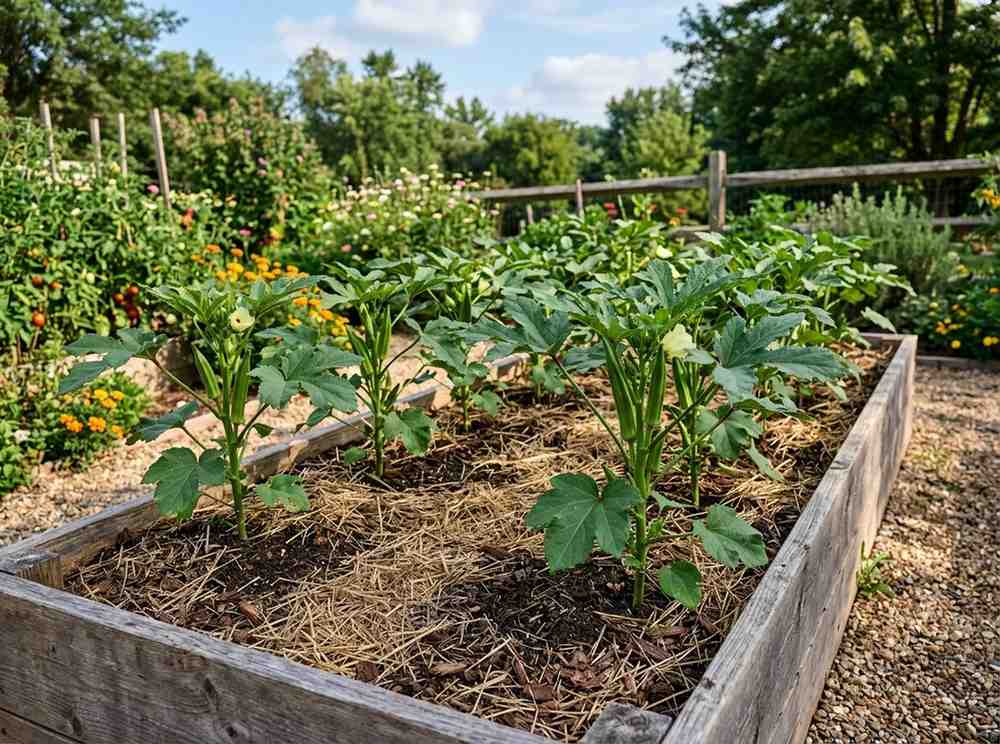
Growing okra can be deeply satisfying, whether you have a large backyard or a small urban garden. This heat-loving vegetable is known for its beautiful flowers, fast growth, and tasty pods. However, many gardeners—new and experienced—often overlook one of the most important steps for a healthy okra crop: proper Spacing for Okra Plants.
Getting the spacing right helps improve airflow, reduce disease problems, and encourages stronger growth and higher yields.
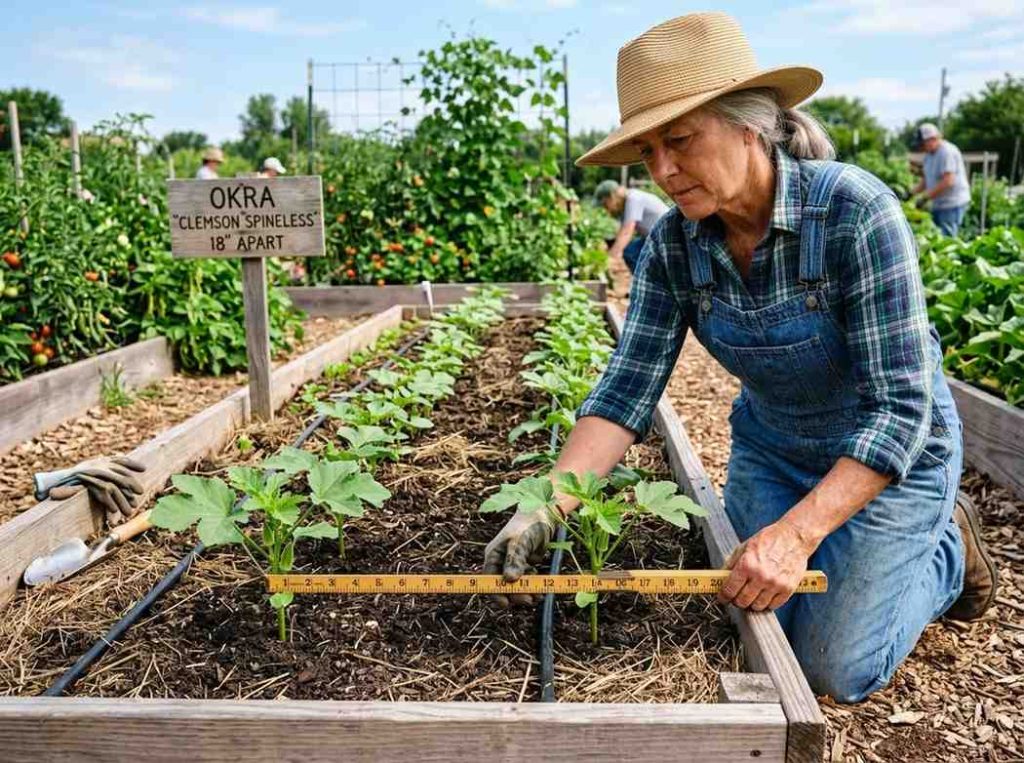
How close or far apart you plant your okra can make a big difference in yield, plant health, and even the quality of the pods. If you’ve ever wondered why your okra plants look stunted, or why yields are low despite good soil and sun, the answer may be in how you space them. Understanding okra plant spacing is not just about following a rule—it's about helping your plants reach their full potential.
The way you space your okra plants affects almost every part of their growth. Okra is a warm-season vegetable that thrives in hot weather, but it needs room to grow tall and spread its leaves. Crowded plants compete for light, water, and nutrients.
This can lead to smaller plants, fewer pods, and more disease. On the other hand, plants spaced too far apart might waste garden space and let weeds take over.
Air circulation is another key reason for proper spacing. Good airflow around each plant helps keep leaves dry, reducing the risk of fungal diseases like powdery mildew. Spacing also affects how much sunlight each plant receives—a critical factor for okra, which loves full sun.
In summary, correct okra spacing leads to:
Most experts recommend planting okra with 12 to 18 inches between each plant in a row, and 3 to 4 feet between rows. This gives each plant enough space to grow upwards and outwards, and makes it easier for you to walk between rows for harvesting.
Here’s a quick comparison of common spacing guidelines:
| Spacing Type | Recommended Distance | Best For |
|---|---|---|
| Within Row | 12–18 inches | Home gardens, raised beds |
| Between Rows | 3–4 feet | Traditional row planting |
| Containers | One plant per 5-gallon pot | Patios, small spaces |
Okra can reach 4 to 7 feet tall and spread 2 to 3 feet wide, especially in good soil. If you plant them too close, the lower leaves lose light, and the plants may become leggy or fall over. More space encourages strong root systems and larger harvests.
Some gardeners, especially in hot, humid areas, go for the maximum spacing to help air flow and reduce disease risk. In cooler regions or with shorter growing seasons, you might try the minimum to fit more plants in your space.
Not all okra varieties grow the same way. Some, like Clemson Spineless, are compact and bushy, while others, such as Louisiana Green Velvet, can get very tall and wide. Always check the seed packet or plant label for variety-specific spacing. If you’re unsure, use the standard 12–18 inch guideline.
Okra grows well in many garden setups. Each method has its own best spacing practices.
Traditional in-ground planting is common for larger gardens. Use a hoe to make shallow furrows, then drop seeds about 12 inches apart. After seeds sprout and grow their first true leaves, thin them so only the strongest plant remains every 12–18 inches. Rows should be 3–4 feet apart.
Raised beds let you plant a bit closer since the soil drains better and warms up faster. You can usually get away with 12 inches between plants in all directions. Space the rows about 2.5–3 feet apart if you want to walk between them.
Okra does surprisingly well in containers if you choose the right size. Use a 5-gallon pot or larger for each plant. Place pots at least 18 inches apart to give leaves room to grow and prevent overcrowding.
Square foot gardening is a space-saving method where each square is 12x12 inches. Plant one okra per square. This matches the minimum spacing and works well if you have rich soil and water regularly.
Some gardeners use intensive planting to maximize small spaces. You can plant okra every 10 inches in rich, well-drained soil, but you must watch plants closely for signs of disease or weak growth. Extra fertilizing and pruning may be needed.
Most people plant okra seeds directly in the garden after the last frost, when soil is at least 65°F (18°C). Plant seeds 1 inch deep and 12 inches apart. If you’re worried about poor germination, plant 2–3 seeds per spot and thin to the strongest seedling after a few weeks.
You can start okra seeds indoors 3–4 weeks before the last frost. When transplanting, keep the same spacing as direct seeding: 12–18 inches between plants. Avoid disturbing the roots too much, as okra doesn’t like transplant shock.
You might be tempted to squeeze more okra into your garden, hoping for a bigger harvest. Unfortunately, this often backfires. When okra is planted too close together, you may see:
To show how spacing affects growth, here’s a look at a small garden experiment:
| Plant Spacing | Average Plant Height | Pods per Plant | Notes |
|---|---|---|---|
| 6 inches | 2.5 feet | 10 | Small, crowded plants |
| 12 inches | 4 feet | 18 | Healthy growth |
| 18 inches | 4.5 feet | 20 | Best yield in test |
This simple test shows that 12 to 18 inches between plants gives the best results.
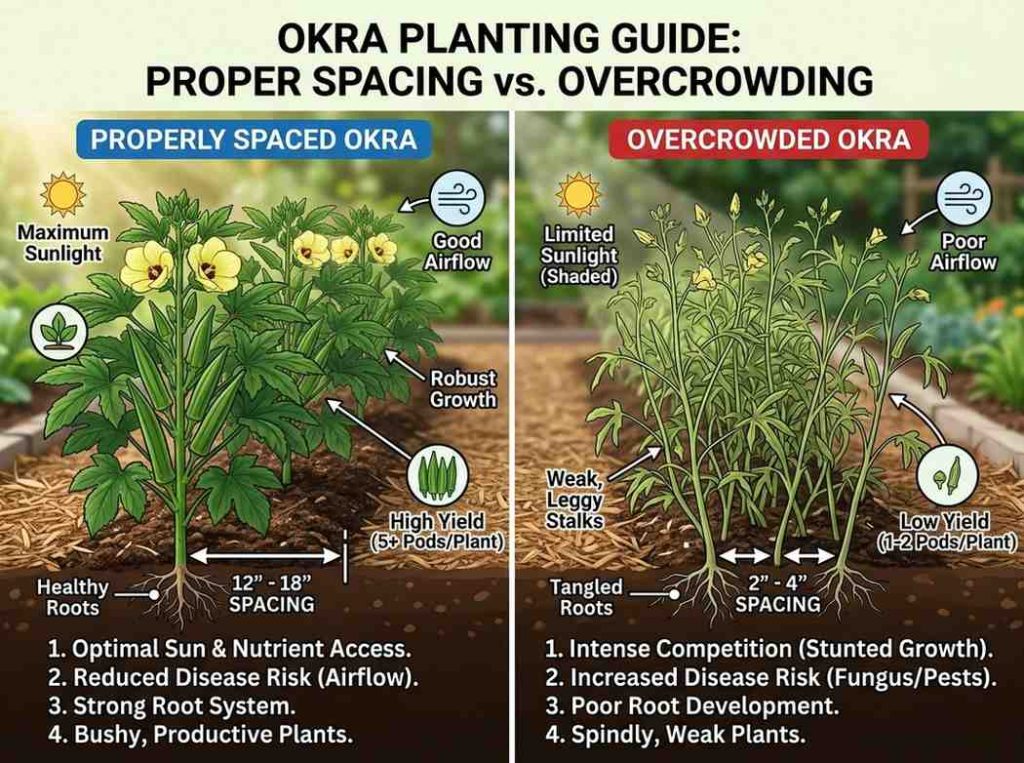
Proper spacing doesn’t just help plants grow—it also makes your job easier. With enough room, you can walk between rows to pick okra pods at the right time (usually when they’re 2–4 inches long and still tender). It’s also easier to see pests, spot diseases, and weed around the plants.
If you plant too closely, not only do you risk lower yields, but you’ll also have a harder time:
More space also means better access for watering, especially if you use drip irrigation or soaker hoses.
Your local climate and soil can affect the best spacing for okra. In hot, humid regions, extra space helps reduce disease. In dry or windy areas, planting a bit closer can help support the plants and prevent soil from drying out too quickly.
Rich, organic soil supports more plants in a small area. If your soil is sandy or low in nutrients, give each okra plant more space so it doesn’t have to compete as much. Add compost or aged manure before planting to improve poor soil.
In windy areas, closer spacing can help plants support each other, but you may need to stake tall varieties. Mulch helps keep roots cool and conserves moisture.
If you only have a small space, you can still grow okra. Use containers, raised beds, or square foot gardening as described earlier. Choose compact okra varieties for tighter spaces. Even with limited room, stick to the minimum spacing to avoid problems later.
Here are some compact varieties for small gardens:
These types allow you to enjoy fresh okra even if you only have a balcony or patio.
To get the most from your okra plants, remember these practical tips:
Many new gardeners miss the importance of thinning seedlings. It feels wasteful to pull up healthy young plants, but this step is key to avoiding overcrowding. Also, don’t forget to adjust your spacing if you’re planting in containers or using vertical supports.
To put okra spacing in context, here’s how it compares with other common garden vegetables:
| Vegetable | Plant Spacing | Row Spacing |
|---|---|---|
| Okra | 12–18 inches | 3–4 feet |
| Tomato | 18–24 inches | 3–4 feet |
| Peppers | 12–18 inches | 2–3 feet |
| Eggplant | 18–24 inches | 2.5–3 feet |
| Beans (bush) | 4–6 inches | 18–24 inches |
This shows that okra needs similar or even more space than other summer vegetables. Crowding okra like bush beans, for example, will almost always cause problems.
Many beginner gardeners plant okra too close because the seeds are small and the seedlings look tiny. A common mistake is to ignore thinning, which leads to weak plants that can’t support heavy pods.
Another often-overlooked detail is the effect of sunlight. Okra needs full sun—at least 6 to 8 hours per day. If you plant them too close, taller plants can shade their neighbors, reducing yields.
Some gardeners also forget that okra continues growing after you start harvesting. If you plant too close, mature plants may crowd each other and make late-season harvesting difficult.
To avoid these issues:
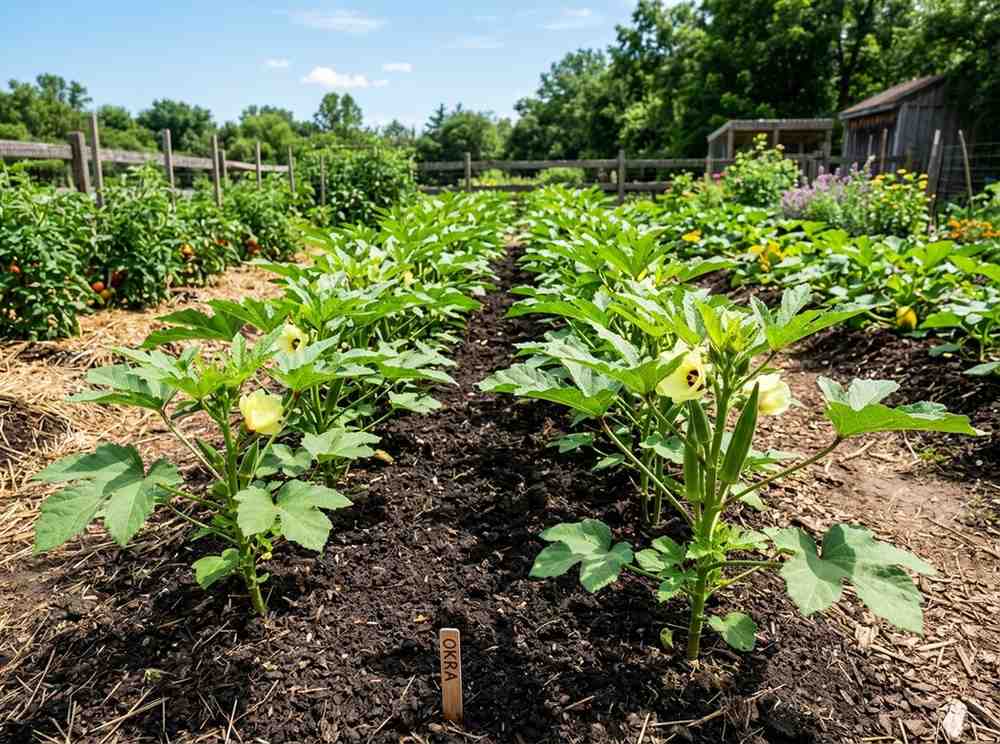
Plant okra 12 inches apart in all directions in a raised bed. This allows each plant enough space to grow, since soil drains well and roots can spread. Leave at least 2.5 to 3 feet between rows if you need to walk between them.
Yes, okra grows well in containers. Use a 5-gallon pot or larger for each plant, and leave at least 18 inches between pots if you have more than one. Compact varieties are best for containers.
Planting okra too close leads to smaller plants, fewer pods, and a higher risk of disease. Crowded okra is also harder to harvest and more likely to have pest problems. Proper spacing is key for healthy growth and good yields.
Yes. Tall or spreading varieties need more space (up to 18 inches between plants), while compact types may do well with 12 inches. Always check the seed packet or research your chosen variety for best results.
Thin okra seedlings when they have their first true leaves, usually 2–3 weeks after sprouting. Gently pull out extra seedlings so only the strongest plant remains every 12–18 inches. Thinning early reduces root disturbance.
Growing okra is rewarding when you get the basics right. Spacing is one of those small details that delivers big results. Take the time to measure and plan your garden, and you’ll enjoy healthy plants, high yields, and easier care all season long. For more details and research-backed advice, check out this helpful University of Minnesota Extension guide. Happy gardening!