Gardening Made Simple.
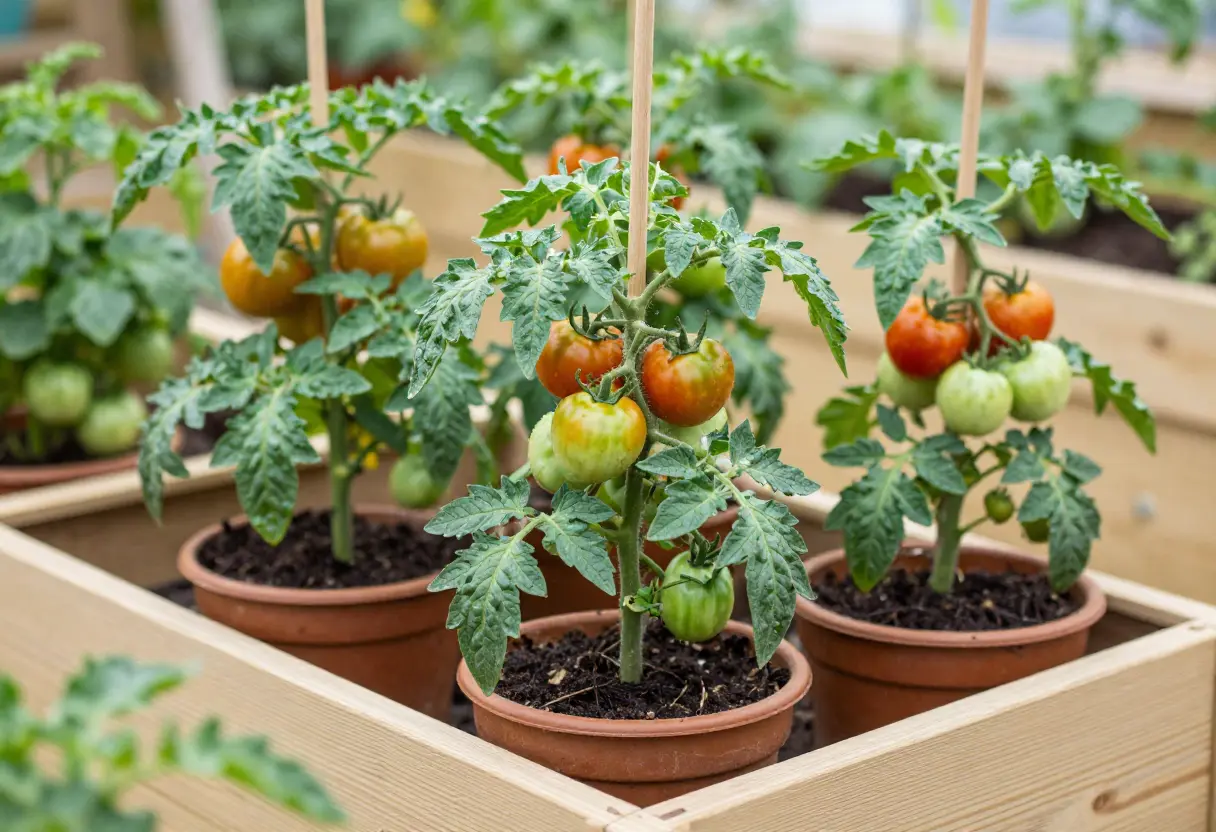
Are you ready to enjoy fresh, juicy tomatoes straight from your garden? Knowing the best way to grow tomato plants can make the process simple, enjoyable, and highly rewarding. With the right care, soil, and watering techniques, you can nurture healthy plants that produce abundant, flavorful tomatoes all season long.
Whether you’re a beginner or have tried before without much success, this guide will help you grow healthy, vibrant tomato plants that produce plenty of fruit. Keep reading, and you’ll discover easy tips and tricks that make a real difference.
Your perfect tomato harvest is closer than you think!

Choosing the right tomato varieties is the first step to a healthy garden. Different types suit different needs and growing conditions. Pick varieties that match your space, climate, and taste preferences. Knowing the basics helps you grow strong, tasty tomatoes.
Determinate tomatoes grow to a set height and stop. They produce fruit all at once. Good for small gardens or containers. Indeterminate types keep growing and producing fruit all season. They need support like stakes or cages. Choose based on your garden space and how you want to harvest.
Heirloom tomatoes come from old seeds passed down through generations. They have unique colors and flavors. Hybrids are bred for disease resistance and higher yields. Both types have good qualities. Pick heirlooms for taste and beauty. Choose hybrids for easier care and better production.
Tomatoes need warmth and sunlight to grow well. Some varieties handle heat better than others. Cool climates need varieties that mature quickly. Hot climates require heat-tolerant types. Check local gardening guides for best choices. This helps plants thrive and produce more fruit.
Preparing soil for tomatoes is a key step to grow healthy plants. Best soil helps roots grow strong and plants produce more fruit. It needs the right balance of nutrients and proper texture. Start by checking your soil’s condition and making changes to improve it.
Tomatoes prefer soil with a pH between 6.0 and 6.8. This range helps plants absorb nutrients well. Test your soil’s pH using a simple kit. If it is too acidic, add lime to raise pH. If too alkaline, add sulfur to lower pH. Tomatoes need nutrients like nitrogen, phosphorus, and potassium. Balanced fertilizer supports healthy leaves and fruits.
Adding organic matter improves soil texture and fertility. Mix compost or well-rotted manure into the soil. This helps soil hold moisture and nutrients. Avoid heavy clay or sandy soils without amendments. Break up large clumps and remove rocks. Good drainage prevents root rot and stress. Work the soil well before planting tomatoes.
Raised beds and containers offer control over soil quality. Use a mix of garden soil, compost, and peat moss. This mix drains well and feeds plants. Raised beds warm faster in spring. Containers allow moving plants for better sunlight. Make sure containers have drainage holes. These methods reduce pests and soil diseases.
Planting tomato plants correctly sets the stage for a strong, healthy garden. Good planting techniques help roots grow deep and plants get enough light and air. This leads to better fruit production and fewer problems with disease. Understanding how to start seeds, transplant seedlings, and space plants is key for success.
Start tomato seeds indoors about 6-8 weeks before the last frost. Use small pots or seed trays with good drainage. Fill them with seed-starting mix, which is light and drains well. Plant seeds about ¼ inch deep. Keep the soil moist but not wet. Place the trays in a warm spot with plenty of light. A sunny window or grow light works best. This gives seedlings a strong start before moving outside.
Transplant seedlings outdoors after the danger of frost passes. Harden off plants by placing them outside for a few hours each day for a week. This helps plants adjust to outdoor conditions. Dig holes deeper than the seedling pots. Plant seedlings up to the first true leaves. Tomatoes grow roots along buried stems, making them stronger. Water well after transplanting to help roots settle.
Space tomato plants 18 to 24 inches apart in rows 3 feet wide. Good spacing improves air circulation and reduces disease. Plant tomatoes deep, covering part of the stem. This encourages more root growth. Avoid planting too shallow or too deep. Shallow plants dry out quickly. Deep planting supports strong stems and healthy plants.
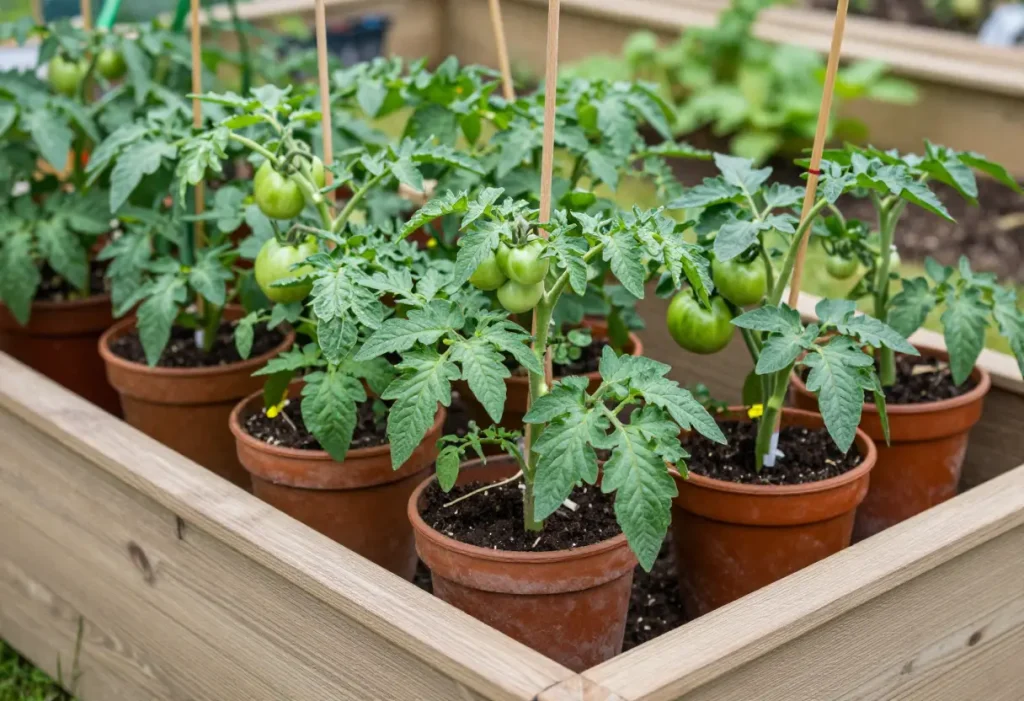
Watering and feeding are key to growing healthy tomato plants. Tomatoes need steady water and proper nutrients. Too much or too little water harms roots and fruit. Feeding tomatoes helps plants grow strong and produce tasty fruit. Careful attention to watering and feeding makes a big difference in your garden.
Tomato plants need regular water. Dry soil stresses plants and slows growth. Water deeply, at least once a week. Water early in the day to avoid leaf diseases. Use a drip system or water at the base. Avoid wetting the leaves. Keep the soil moist but not soggy. Consistent watering prevents cracking and poor fruit quality.
Tomatoes need balanced nutrients to thrive. Use fertilizers with nitrogen, phosphorus, and potassium. Start feeding after the first flowers appear. Apply fertilizer every two weeks during the growing season. Organic options like compost or fish emulsion work well. Avoid too much nitrogen; it causes lots of leaves but few fruits. Follow package instructions for best results.
Mulch keeps soil moist and cool. It reduces water evaporation from the soil surface. Mulch stops weeds that compete with tomatoes for nutrients. Use straw, grass clippings, or shredded leaves as mulch. Apply mulch around plants but keep it away from stems. Mulching also protects roots from temperature swings. It helps tomatoes grow healthier and stronger.
Supporting and pruning tomato plants helps them grow strong and healthy. These practices improve air flow, reduce disease risk, and make harvesting easier. Proper support keeps plants off the ground, protecting fruits from rot and pests. Pruning focuses the plant’s energy on growing fruit instead of excess leaves.
Staking uses a single stick or pole to support each tomato plant. Tie the main stem loosely with soft ties. This method works well for indeterminate tomato varieties. Caging involves placing a wire or metal cage around the plant. The cage holds the branches up and keeps fruit off the soil. Both methods prevent plants from sprawling and breaking.
Remove dead or yellow leaves to keep plants healthy. Pruning improves air circulation and sunlight exposure. This reduces fungal diseases and helps fruit ripen evenly. Cut off lower leaves near the soil to prevent soil-borne diseases. Focus on growing fewer but stronger branches to increase fruit size and quality.
Suckers are small shoots growing between the main stem and branches. Remove suckers early to direct energy into fruit production. Pinch or cut suckers when they are small for easier removal. Managing suckers keeps the plant shape neat and allows better airflow. This practice leads to bigger tomatoes and a healthier plant.
Growing healthy tomato plants requires more than just watering and sunlight. Protecting them against pests and diseases is essential. Pests and diseases can damage leaves, stems, and fruits. This lowers the plant’s yield and quality. Understanding common problems and how to prevent them helps keep your tomatoes strong and productive.
Tomato plants attract many pests. Aphids are tiny insects that suck plant juices. They cause leaves to curl and weaken plants. Tomato hornworms are large caterpillars that eat leaves quickly. Whiteflies are small flying insects that spread diseases. Spider mites cause yellow spots and webbing on leaves. Identifying these pests early helps control their damage.
Prevent diseases by planting resistant tomato varieties. Keep plants spaced to allow air flow. Water the base of plants, not leaves, to reduce moisture. Remove dead leaves and weeds around plants. Rotate crops yearly to avoid soil diseases. Clean tools regularly to stop disease spread.
Use natural predators like ladybugs to eat aphids. Spray neem oil or insecticidal soap to control pests. Handpick large pests like hornworms off plants. Apply compost or mulch to improve soil health. These methods keep plants safe without chemicals. They protect the environment and your family.
Harvesting and storing tomatoes properly helps keep their flavor and freshness. Picking tomatoes at the right time ensures the best taste. Storing them correctly extends their shelf life. This section explains how to know when tomatoes are ripe, how to pick them carefully, and how to store them for the best results.
Look for tomatoes with a deep, even color. The skin should be smooth and firm but slightly soft to touch. Avoid tomatoes with green spots or cracks. Ripe tomatoes smell sweet near the stem. If the tomato feels hard or lacks aroma, it needs more time to ripen.
Use your hands to gently twist the tomato from the vine. Avoid pulling hard to prevent damage to the plant. Use garden scissors or pruners if the stem is tough. Pick tomatoes in the morning for the best flavor. Handle tomatoes carefully to avoid bruises and cracks.
Store ripe tomatoes at room temperature away from sunlight. Do not refrigerate unless fully ripe and you need to keep them longer. Place tomatoes stem-side down on a flat surface to prevent bruising. Use breathable containers to avoid moisture buildup. Check tomatoes daily and use damaged ones first.

Tomato plants need at least 6 to 8 hours of direct sunlight each day.
Tomatoes grow best in well-drained, rich, and slightly acidic soil with pH 6. 0 to 6. 8.
Water tomato plants deeply 2-3 times a week, keeping soil moist but not soggy.
Start fertilizing tomato plants after the first flowers appear, using a balanced fertilizer.
Use companion plants, handpick pests, or apply natural sprays like neem oil to protect tomatoes.
Growing tomato plants takes care and patience. Choose good soil and plant in sunlight. Water regularly but avoid too much water. Use stakes or cages for support. Watch for pests and remove them early. Prune the plants to help fruit grow better.
With these simple steps, your tomatoes will thrive. Enjoy fresh, tasty tomatoes from your own garden! Gardening can be fun and rewarding. Try these tips to see great results. Your garden will thank you with a bountiful harvest.