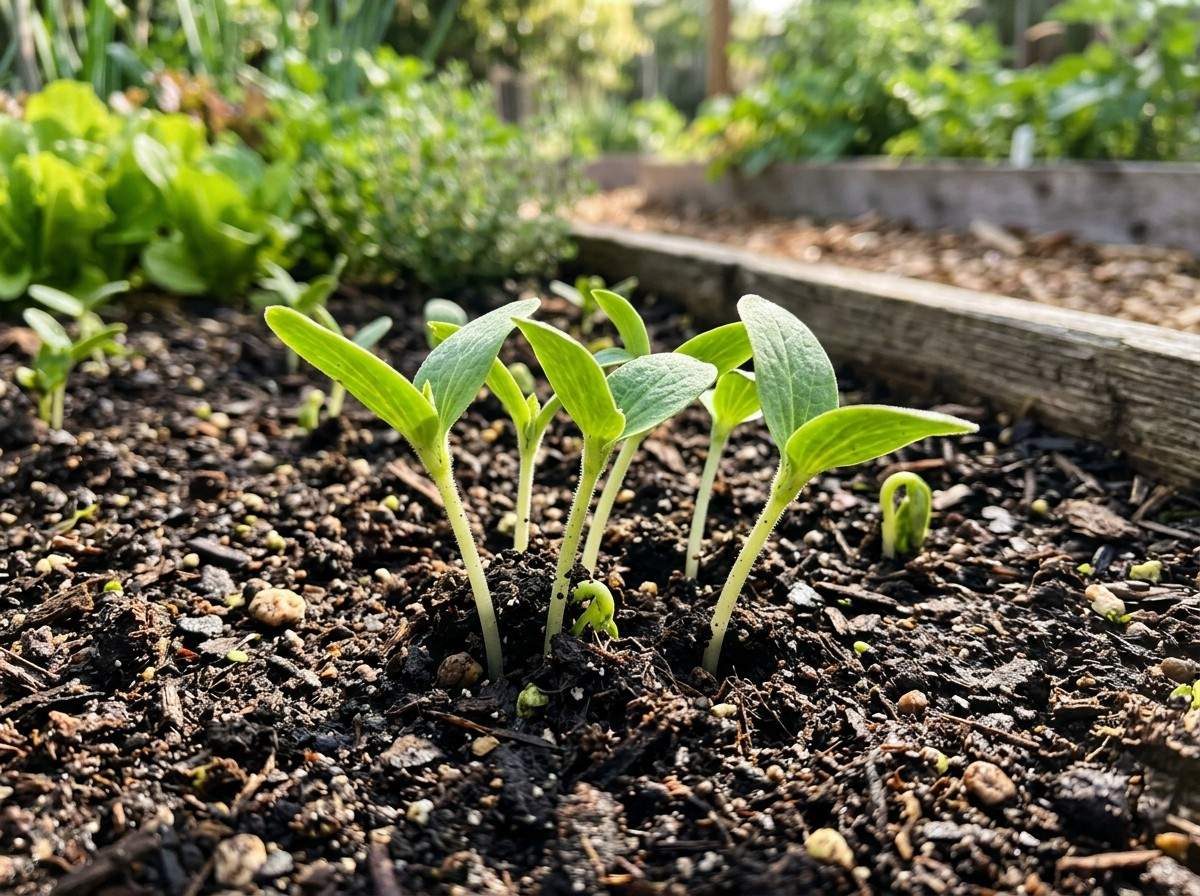
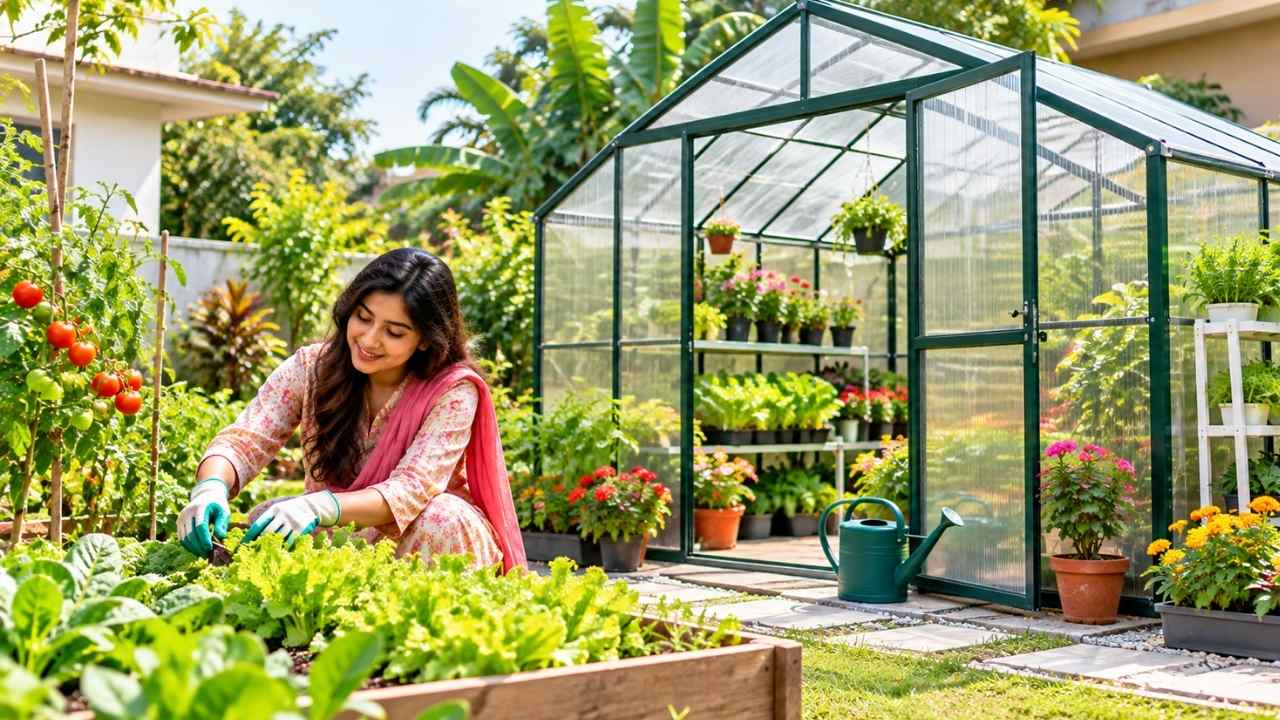
How to Plant Spaghetti Squash Seeds showing seeds being sown in prepared garden soil

How to Plant Spaghetti Squash Seeds: Expert Tips for Success

Planting spaghetti squash seeds is a rewarding project for gardeners of all skill levels. This squash, known for its stringy, pasta-like flesh, offers a healthy alternative to traditional noodles and thrives in many home gardens. Learning How to Plant Spaghetti Squash Seeds is essential for growing strong, productive plants and enjoying a successful harvest from seed to table.

Whether you have a large backyard or a small patch of soil, you can enjoy fresh, home-grown squash with the right approach. Let’s explore the steps, tips, and insights you need to plant spaghetti squash seeds successfully.
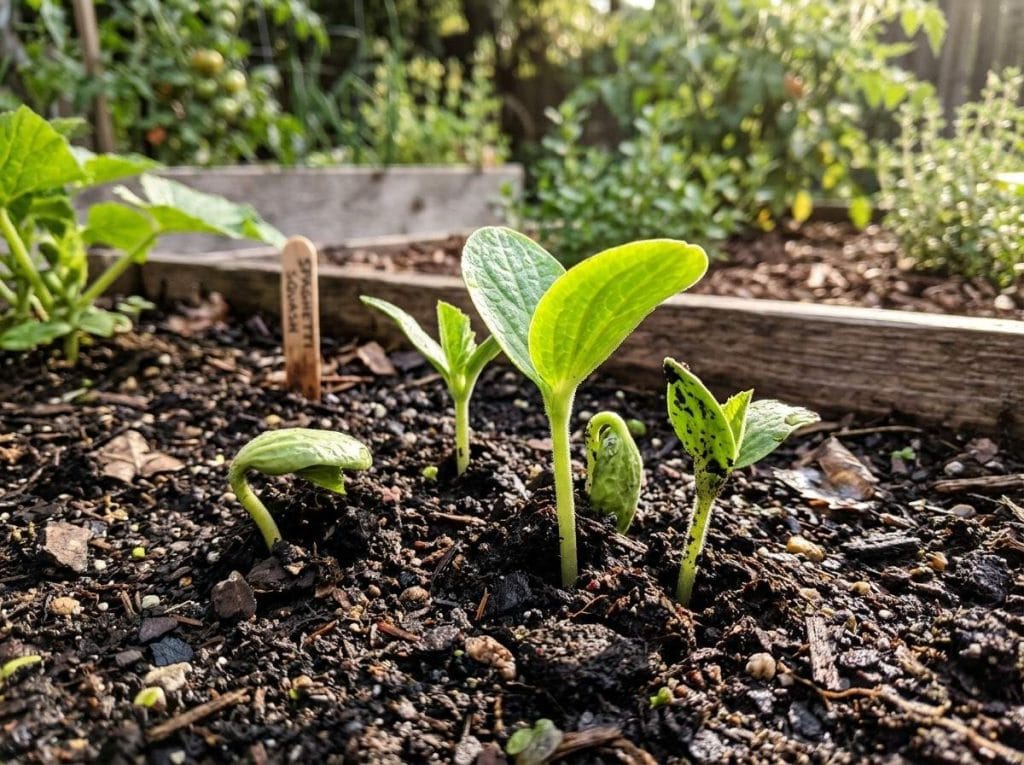
Beginner guide on How to Plant Spaghetti Squash Seeds in a home vegetable garden

Understanding Spaghetti Squash

Spaghetti squash is a type of winter squash, prized for its unique texture and mild flavor. When cooked, the flesh separates into strands that resemble spaghetti, making it a favorite for low-carb meals. This squash grows on sprawling vines and produces fruits ranging from 2 to 5 pounds.

Key Features Of Spaghetti Squash

  • Botanical name: Cucurbita pepo
  • Growth habit: Vining, can spread over 10 feet
  • Fruit size: Usually 8–12 inches long, 2–5 pounds
  • Skin color: Pale yellow to deep gold when ripe
  • Days to maturity: 90–100 days from seed

This squash is native to North America, and its popularity has grown because it’s easy to prepare and store. Spaghetti squash is not only tasty but also packed with nutrients like vitamin C, potassium, and fiber.

Choosing The Right Seeds

Selecting high-quality spaghetti squash seeds is a crucial first step. The seeds you choose will affect your plant’s vigor, yield, and disease resistance.

Factors To Consider

  • Seed variety: Look for varieties suited to your climate. Popular options include ‘Vegetable Spaghetti,’ ‘Tivoli,’ and ‘Hasta La Pasta.’
  • Germination rate: Choose seeds with a germination rate above 85% for reliable sprouting.
  • Disease resistance: Some varieties resist common squash diseases like powdery mildew or squash mosaic virus.
  • Source reliability: Buy seeds from reputable suppliers. Avoid old or expired seeds, as they lose viability.

Comparing Seed Varieties

To help you select, here’s a comparison of three common spaghetti squash varieties:

VarietyDays to MaturityFruit SizeDisease Resistance
Vegetable Spaghetti1002–3 lbsModerate
Tivoli902–4 lbsHigh
Hasta La Pasta953–5 lbsModerate

For beginners, ‘Tivoli’ is a strong choice because it matures quickly and tolerates disease well.

Preparing The Planting Site

Spaghetti squash needs space, sun, and healthy soil. Preparing the right environment sets your plants up for success.

Site Selection

  • Sunlight: Choose a spot with at least 6–8 hours of direct sun daily.
  • Space: Allow 4–6 feet between plants for vine growth.
  • Protection: Avoid low-lying areas prone to waterlogging. Use fences if animals are a concern.

Soil Preparation

The soil should be loose, rich, and well-drained. Spaghetti squash dislikes heavy clay or overly sandy soils.

Steps For Soil Preparation
  • Test soil pH: Ideal pH is 6.0–6.8. Use a home test kit or local extension service.
  • Add compost: Mix in 2–3 inches of organic compost to boost nutrients.
  • Check drainage: If water pools after rain, amend with sand or raise beds.
  • Remove weeds: Clear all weeds and debris to prevent competition.

Soil Amendment Comparison

Here’s how different amendments affect squash growth:

AmendmentPurposeApplication Rate
CompostAdds nutrients, improves structure2–3 inches
SandImproves drainage1–2 inches
ManureBoosts fertility1 inch (aged only)

A common mistake is using fresh manure, which can burn plants. Only use well-aged manure.

When To Plant Spaghetti Squash Seeds

Timing is essential for healthy squash plants. Spaghetti squash is sensitive to cold, and seeds won’t sprout in chilly soil.

Optimal Planting Time

  • Outdoors: After the last frost, when soil is at least 60°F (16°C)
  • Indoors: Start seeds 3–4 weeks before last frost if you want earlier harvest

If you plant too early, cold soil can rot seeds or stunt growth. Too late, and the squash may not mature before frost.

How To Plant Spaghetti Squash Seeds

Planting spaghetti squash seeds is simple, but proper technique improves your chances.

Step-by-step Planting Guide

  • Create mounds: Make small hills of soil, about 12 inches wide and 4 inches tall. This helps drainage and warms the soil.
  • Space mounds: Place mounds 4–6 feet apart. Each mound will hold several seeds.
  • Plant seeds: Insert seeds 1 inch deep. Plant 3–5 seeds per mound.
  • Cover seeds: Gently cover with soil and pat down.
  • Water: Moisten the soil, but avoid soaking. Keep soil damp, not wet.

Germination Details

Spaghetti squash seeds usually sprout in 7–10 days if the soil is warm. If temperatures dip, sprouting may take longer.

Indoor Seed Starting

If you want to start seeds indoors, use peat pots or seed trays.

  • Fill with seed-starting mix.
  • Plant seeds 1 inch deep.
  • Keep at 70–85°F (21–29°C) for best results.
  • Move outdoors once seedlings have 2–3 leaves and all danger of frost has passed.

Caring For Seedlings And Young Plants

Once your seeds sprout, proper care is vital. Early mistakes can lead to weak plants or poor harvests.

Thinning Seedlings

After seedlings are 2–3 inches tall, thin each mound to the strongest 1 or 2 plants. This ensures each plant has enough space and nutrients.

Watering

Spaghetti squash needs consistent moisture, especially during flowering and fruit set.

  • Frequency: Water deeply once a week, more during dry spells.
  • Method: Use drip irrigation or water at the base to keep leaves dry.

Overwatering can cause root rot. Underwatering slows growth and reduces yield.
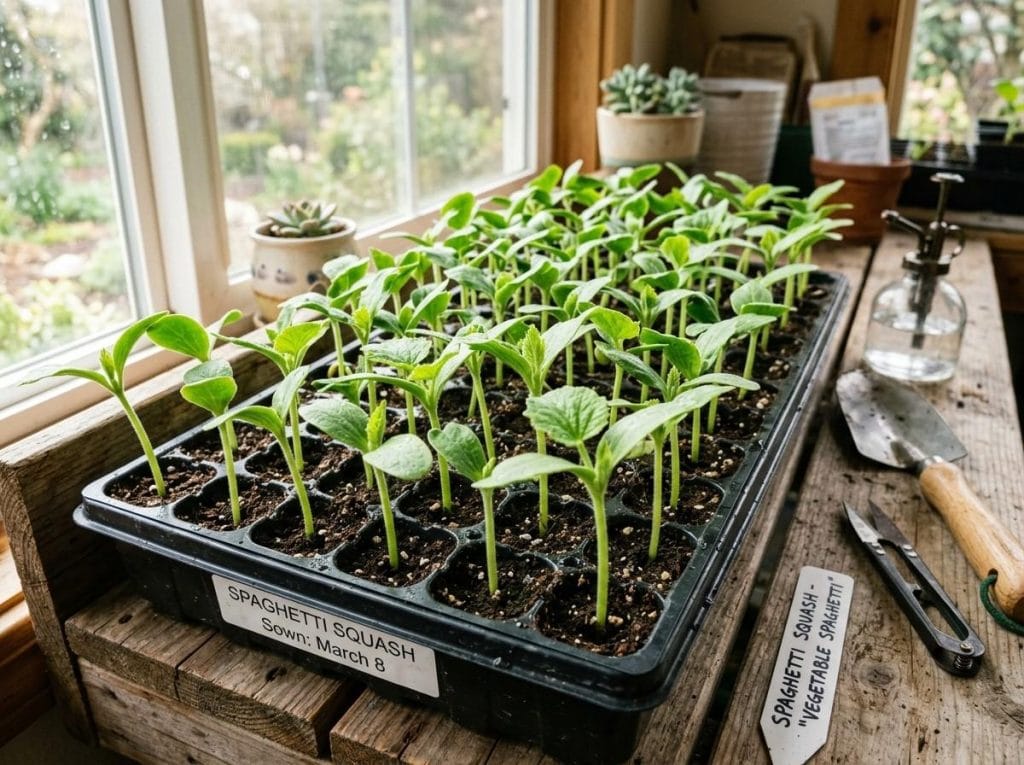
How to Plant Spaghetti Squash Seeds with healthy seedlings emerging from the soil

Fertilizing

Squash is a heavy feeder. Feed plants as follows:

  • Early growth: Apply balanced fertilizer (10-10-10 NPK) when seedlings are 3–4 inches tall.
  • Mid-season: Add compost or liquid fertilizer when vines begin to spread.
  • Flowering: Use a low-nitrogen, high-potassium fertilizer to encourage fruit.

Pest And Disease Management

Common pests include squash bugs, cucumber beetles, and aphids. Diseases like powdery mildew and mosaic virus can also affect plants.

Pest Prevention Tips
  • Inspect leaves weekly for bugs or eggs.
  • Use row covers to protect seedlings.
  • Remove weeds to reduce hiding spots.

If you spot pests, remove them by hand or use insecticidal soap.

Disease Prevention Tips

  • Water early in the day to keep leaves dry.
  • Provide good air circulation.
  • Rotate crops yearly to avoid disease buildup.

Supporting Vines And Managing Growth

Spaghetti squash vines grow quickly and can sprawl across your garden. Managing growth helps maximize space and reduce problems.

Trellising Spaghetti Squash

While squash usually grows on the ground, you can train vines vertically with a trellis.

  • Use sturdy supports like metal or wooden frames.
  • Tie vines loosely to the trellis as they grow.
  • Support heavy fruits with slings made from old fabric.

Vertical growing saves space and increases air circulation, which reduces disease risk.

Mulching

Mulch keeps soil moist, suppresses weeds, and prevents soil splashing onto fruits.

  • Apply 2–3 inches of straw, dried leaves, or wood chips around plants.
  • Keep mulch away from stems to prevent rot.

Mulching is often overlooked by beginners but can improve yields and reduce maintenance.

Pollination And Fruit Set

Spaghetti squash plants produce separate male and female flowers. Pollination is needed for fruit to develop.

Recognizing Flowers

  • Male flowers: Long stems, no tiny fruit at base.
  • Female flowers: Short stems, small immature squash at base.

Bees and other insects usually handle pollination. If fruit doesn’t set, you may need to hand-pollinate.

How To Hand-pollinate

  • Identify male and female flowers.
  • Pick a male flower and gently rub its pollen onto the female flower’s stigma.
  • Repeat for several flowers.

Hand-pollination is useful if you notice poor fruit set or few bees.

Growing Season Care

From sprouting to harvest, spaghetti squash needs attention. Here’s how to keep your plants thriving through the season.

Monitoring Growth

Check plants weekly for:

  • Yellowing leaves (nutrient issue or disease)
  • Wilting (water or root problem)
  • Unusual spots or holes (pest damage)

Early intervention is key. Remove affected leaves and treat problems promptly.

Mid-season Feeding

Squash can use extra nutrients as fruits develop. Side-dress plants with compost or a phosphorus-rich fertilizer.

Common Growth Issues

  • Blossom end rot: Caused by inconsistent watering or calcium deficiency.
  • Stunted vines: Often due to cold soil or low nutrients.
  • Poor fruit set: May result from lack of pollinators or excessive nitrogen.

Harvesting Spaghetti Squash

Knowing when and how to harvest is crucial for flavor and storage.

Signs Of Readiness

  • Skin turns deep yellow and resists puncture.
  • Vines begin to dry and die back.
  • Days to maturity (90–100 days) have passed.

Harvesting Technique

  • Use pruning shears or a sharp knife.
  • Cut squash from the vine, leaving 1–2 inches of stem.
  • Handle gently to avoid bruising.

Post-harvest Tips

Cure squash in a warm, dry place for 7–10 days to improve storage life. Store at 50–60°F (10–16°C) in a dark, dry area. Properly cured squash lasts up to 3 months.

Storage And Use

After harvesting, storing spaghetti squash correctly keeps it fresh and tasty.

Storage Comparison

Storage MethodTemperatureExpected Shelf Life
Room temperature68–72°F1–2 weeks
Cool storage50–60°F2–3 months
Refrigerator (cut)35–40°F3–5 days

Never store squash in damp or cold conditions below 50°F for long periods, as this can cause rot.

Practical Tips For Success

Growing spaghetti squash is straightforward, but small changes can boost your results.

Tips Beginners Often Miss

  • Rotate crops: Don’t plant squash in the same spot each year. Crop rotation reduces disease and pest buildup.
  • Avoid wetting leaves: Water at the base, not overhead, to prevent fungal diseases.
  • Mulch early: Apply mulch as soon as seedlings appear to keep weeds down.
  • Watch for pollinators: If bees are scarce, hand-pollinate to ensure fruit set.
  • Monitor soil temperature: Use a soil thermometer before planting seeds.

Common Mistakes To Avoid

  • Planting seeds too early in cold soil
  • Overcrowding plants, leading to disease and poor fruit
  • Ignoring pests until damage is severe
  • Using too much nitrogen fertilizer, which encourages leaves instead of fruit

Real-life Example

A gardener in Ohio planted ‘Tivoli’ spaghetti squash seeds after the last frost. They prepared raised beds, added compost, and mulched with straw. By mid-season, they noticed poor fruit set and few bees, so they started hand-pollinating. At harvest, they had 20 healthy squashes from 6 plants, enough for months of meals. Their key insight: regular monitoring and early intervention make the difference.

Best Practices For Sustainable Growing

Spaghetti squash is easy to grow organically. Use compost, natural pest controls, and rotate crops for healthy plants.

  • Compost: Recycle kitchen waste and leaves to make rich soil.
  • Row covers: Protect young plants without chemicals.
  • Companion planting: Grow squash near beans or marigolds to deter pests.

For more in-depth sustainable gardening strategies, see the Garden Organic website.
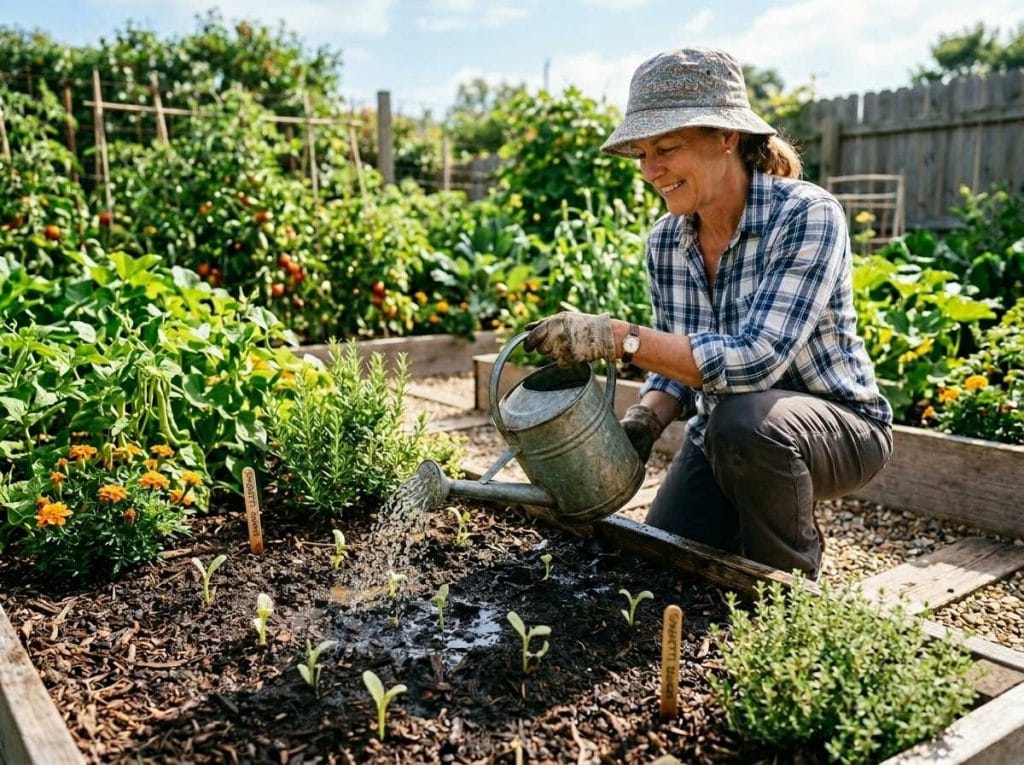
How to Plant Spaghetti Squash Seeds for a productive harvest of nutritious squash

Frequently Asked Questions

What Is The Best Soil For Spaghetti Squash?

Spaghetti squash grows best in loamy, well-drained soil with a pH between 6.0 and 6.8. Adding compost improves nutrient content and structure.

How Deep Should I Plant Spaghetti Squash Seeds?

Plant seeds about 1 inch deep in the soil. Planting too shallow can dry out seeds; too deep can delay sprouting.

How Long Does It Take For Spaghetti Squash Seeds To Germinate?

Seeds usually germinate in 7–10 days if the soil is warm (above 60°F). Cooler temperatures slow sprouting.

Can I Grow Spaghetti Squash In Containers?

Yes, but choose a large container (at least 15 gallons) and provide a trellis. Container plants need extra water and fertilizer.

Why Are My Spaghetti Squash Plants Not Producing Fruit?

Low fruit set can result from poor pollination, too much nitrogen fertilizer, or lack of sunlight. Hand-pollinate if bees are scarce and check nutrient balance.

Growing spaghetti squash from seed is simple with the right preparation and care. Enjoy the process and look forward to healthy, home-grown squash on your table. With these steps, you can plant, grow, and harvest spaghetti squash successfully—even in your first season.
Related Articles

Raised Circular Garden Beds
There’s nothing more frustrating than bending over for hours while gardening, only to find y...
When to Harvest Red Beets showing mature red beet roots ready to be harvested from fertile garden soil.
Red beets are a favorite among gardeners and home cooks for their earthy flavor, bright colo...
When to Plant Pumpkins in Kentucky showing pumpkin seeds being planted in warm, fertile garden soil.
Pumpkins are a classic sign of fall in Kentucky. Their bright orange color fills fields and ...