Gardening Made Simple.
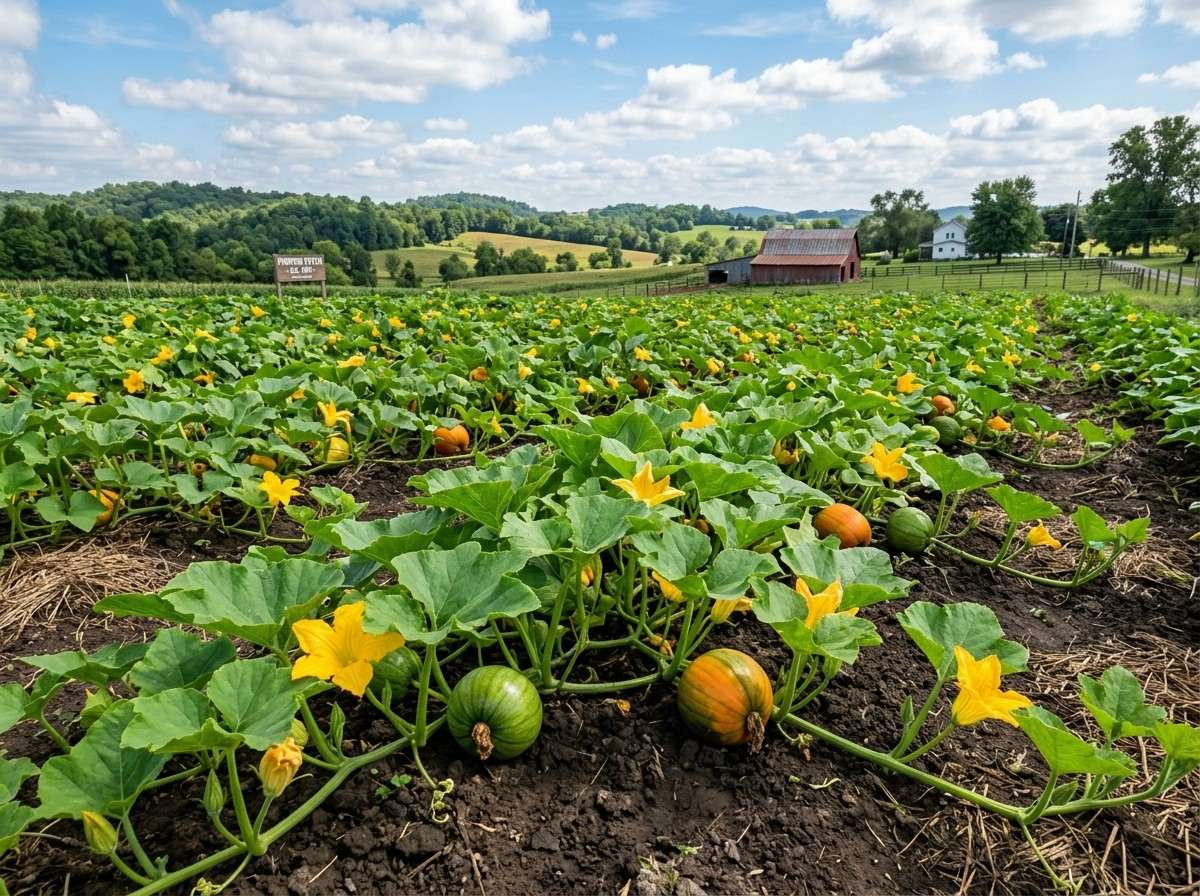
Pumpkins are a classic sign of fall in Kentucky. Their bright orange color fills fields and front porches from September through November. But if you want to grow your own pumpkins—whether for carving, baking, or selling at a market—timing is everything.
Plant too early, and your vines may struggle with chilly weather. Plant too late, and you might miss the harvest window before frost. In Kentucky, the weather, soil, and pumpkin variety all play key roles in deciding when and how to plant for the best results.
This article will guide you through when to plant pumpkins in Kentucky, what to consider before planting, and how to give your plants the best chance at a healthy harvest. You’ll also find practical tips, real data, and answers to the most common questions Kentucky gardeners ask about growing pumpkins.
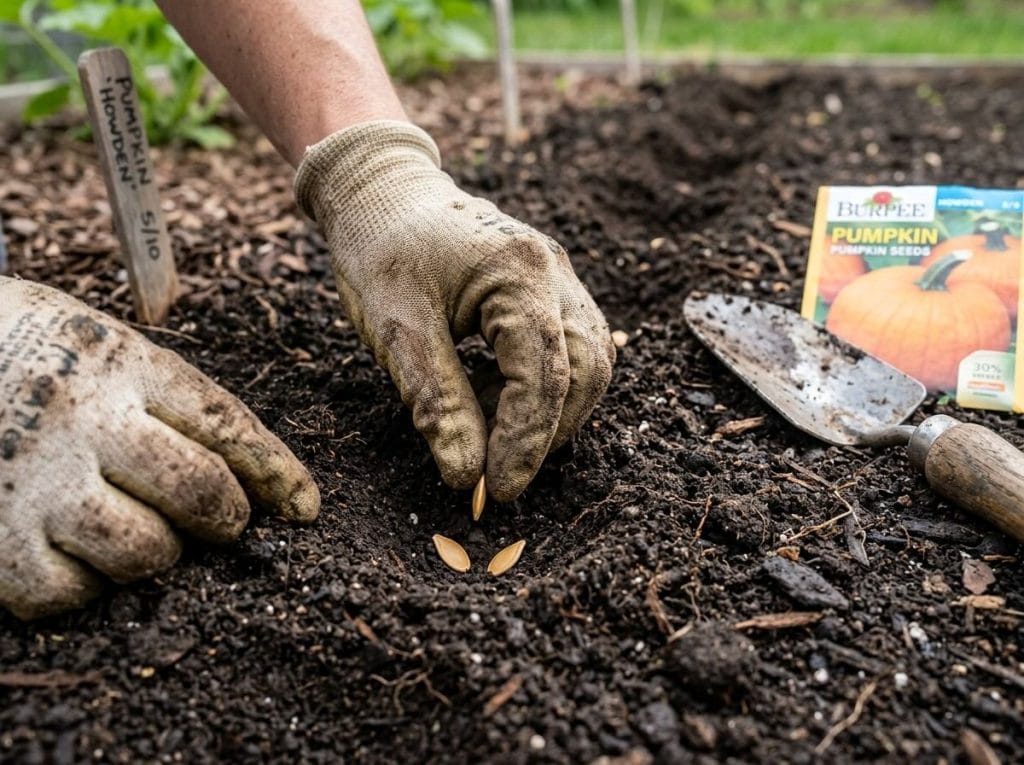
Kentucky has a humid subtropical climate with four clear seasons. Winters are cold but not extreme, and summers are warm and humid. Spring weather can be unpredictable, swinging from chilly mornings to warm afternoons. For gardeners, this means paying close attention to both temperature and rainfall.
Pumpkins are warm-season crops. They need soil that is consistently warm—at least 60°F (16°C)—and do not tolerate frost. Kentucky's last spring frost usually happens between April 10 and May 10, depending on your location. The first fall frost can occur between October 10 and October 25.
Here’s a comparison of average last frost and first frost dates for different regions in Kentucky:
| Region | Average Last Spring Frost | Average First Fall Frost |
|---|---|---|
| Western Kentucky | April 5 - April 15 | October 15 - October 25 |
| Central Kentucky | April 15 - April 25 | October 10 - October 20 |
| Eastern Kentucky | April 20 - May 10 | October 5 - October 15 |
Knowing your local frost dates is the first step in planning your pumpkin patch.
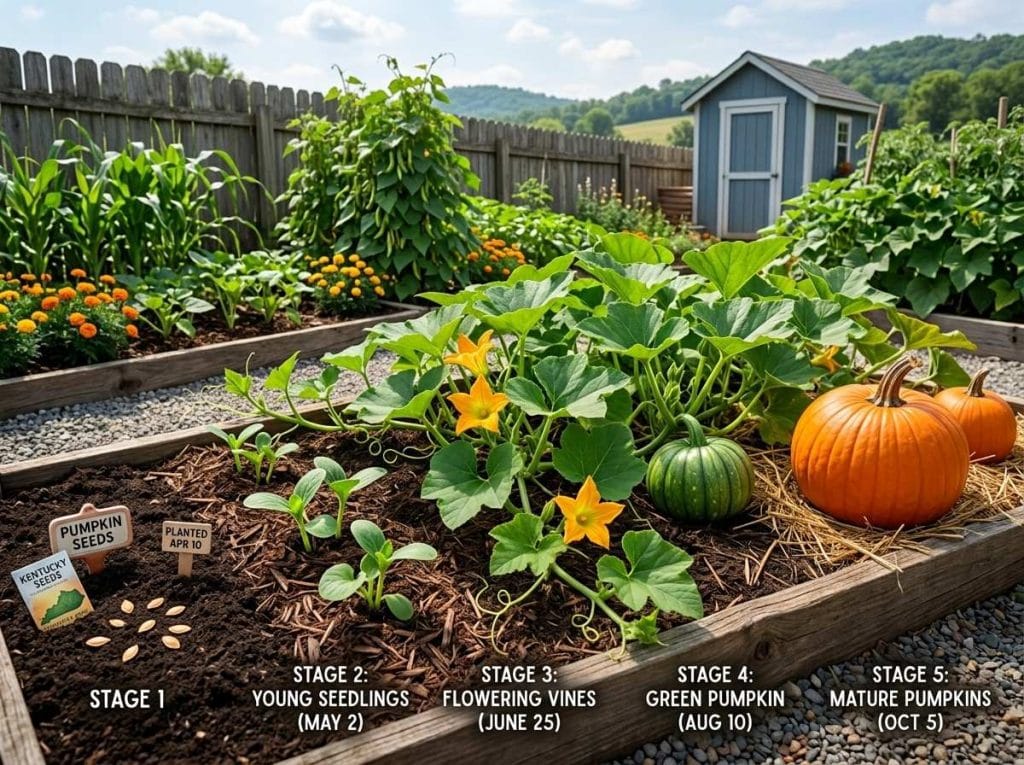
The ideal planting window for pumpkins in Kentucky is late May to early June. The exact week depends on your county’s average last frost date and your planned harvest time.
Pumpkins need 75 to 120 days from planting to harvest, depending on the variety. They won’t germinate well in cold soil, and cold snaps can kill young plants. By late May, Kentucky’s soil has usually warmed above 60°F, which is perfect for pumpkin seeds.
Planting too early risks exposing seedlings to late frosts. If you plant too late, your pumpkins may not fully mature before the first fall frost hits.
Think about why you’re growing pumpkins:
Not every pumpkin is the same. Some are bred for size, others for flavor or disease resistance. Your choice affects when to plant and how to care for your crop.
| Pumpkin Variety | Days to Maturity | Best Use |
|---|---|---|
| Jack O'Lantern | 100 - 110 | Carving |
| Connecticut Field | 110 - 120 | Large carving, decoration |
| Small Sugar | 95 - 100 | Pies, baking |
| Howden | 105 - 115 | Carving, market |
| Baby Boo | 95 - 100 | Miniature, decoration |
| Big Max | 110 - 120 | Giant pumpkins |
Tip: Always check the “days to maturity” on the seed packet. This helps you count backward from your ideal harvest date to find the best planting time.
Healthy pumpkins start with healthy soil. In Kentucky, soils range from heavy clay to rich loam. Pumpkins do best in loose, well-drained soil with lots of organic matter.
Pumpkin plants need plenty of room. Standard varieties need 5–6 feet between hills, while bush types can be spaced closer. Crowding leads to poor air flow and higher disease risk.
Once the soil and weather are right, it’s time to plant. Here’s a simple guide:
Most Kentucky gardeners sow pumpkin seeds directly in the garden. However, you can start seeds indoors 2–3 weeks before the last frost and transplant them outside. Transplants can give you a small head start, but pumpkins dislike root disturbance, so handle with care.
Non-obvious insight: Don’t rush transplants. If the soil isn’t warm enough, even well-grown seedlings will stall or die. Direct-sown seeds often catch up or even outperform transplants.
After planting, pumpkins need steady care to reach their full size.
Hidden tip: Deep, infrequent watering is better than frequent shallow watering. This encourages roots to grow deeper, making plants more drought-resistant.
Pumpkins compete poorly with weeds, and Kentucky’s warm, humid summers can bring pest and disease problems.
Non-obvious insight: Many pumpkin diseases can be traced back to wet leaves and poor airflow. Simple steps like wide plant spacing and early morning watering drastically cut disease risk.
Knowing when to pick your pumpkins is just as important as knowing when to plant.
If a hard frost is predicted, harvest mature pumpkins—even those with a bit of green left. Cure them in a warm, dry place for 7–10 days to harden the skin.
Even experienced gardeners can slip up. Here are some of the most frequent errors when growing pumpkins in Kentucky:
Here’s a sample schedule for central Kentucky, which you can adjust based on your county and variety:
| Date | Task |
|---|---|
| April 20 - May 10 | Test soil, add compost, prepare beds |
| May 15 - June 5 | Plant pumpkin seeds (after soil warms) |
| Late May - Early June | Thin seedlings, mulch |
| June - August | Water, fertilize, monitor for pests and disease |
| September - October | Watch for ripening, prepare for harvest |
| Mid-October | Harvest mature pumpkins before frost |
Kentucky gardeners have access to helpful tools:
Staying connected to these resources gives you an edge over unpredictable weather and local pest issues.
The last practical date to plant pumpkins for a fall harvest is usually mid-June. This allows 100–110 days for most varieties to mature before the average first frost in mid-October. If you plant later, choose quick-maturing varieties and accept a smaller harvest window.
Yes, you can start seeds indoors about 2–3 weeks before the last frost date. Use peat pots or biodegradable containers to minimize root disturbance when transplanting. However, direct seeding outdoors after the soil warms is often easier and equally successful.
Cover young seedlings with floating row covers or old sheets on cold nights. Remove covers during the day so plants get sun and airflow. If a freeze is predicted, wait to plant until the risk is past.
Squash bugs and cucumber beetles are the most common threats. They feed on plants and can spread diseases. Regularly check the undersides of leaves for eggs, and remove pests by hand or use row covers early in the season.
This is often caused by excess nitrogen (too much leafy growth), poor pollination (not enough bees), or high temperatures during flowering. Encourage pollinators, avoid high-nitrogen fertilizer after vines start running, and water consistently during fruit set.
Growing pumpkins in Kentucky is both a science and an art. By understanding the local climate, choosing the right variety, and timing your planting carefully, you’ll set yourself up for a patch full of healthy, vibrant pumpkins. With a little patience and attention to detail, your fall harvest—and your porch—will be all the more rewarding.