Gardening Made Simple.
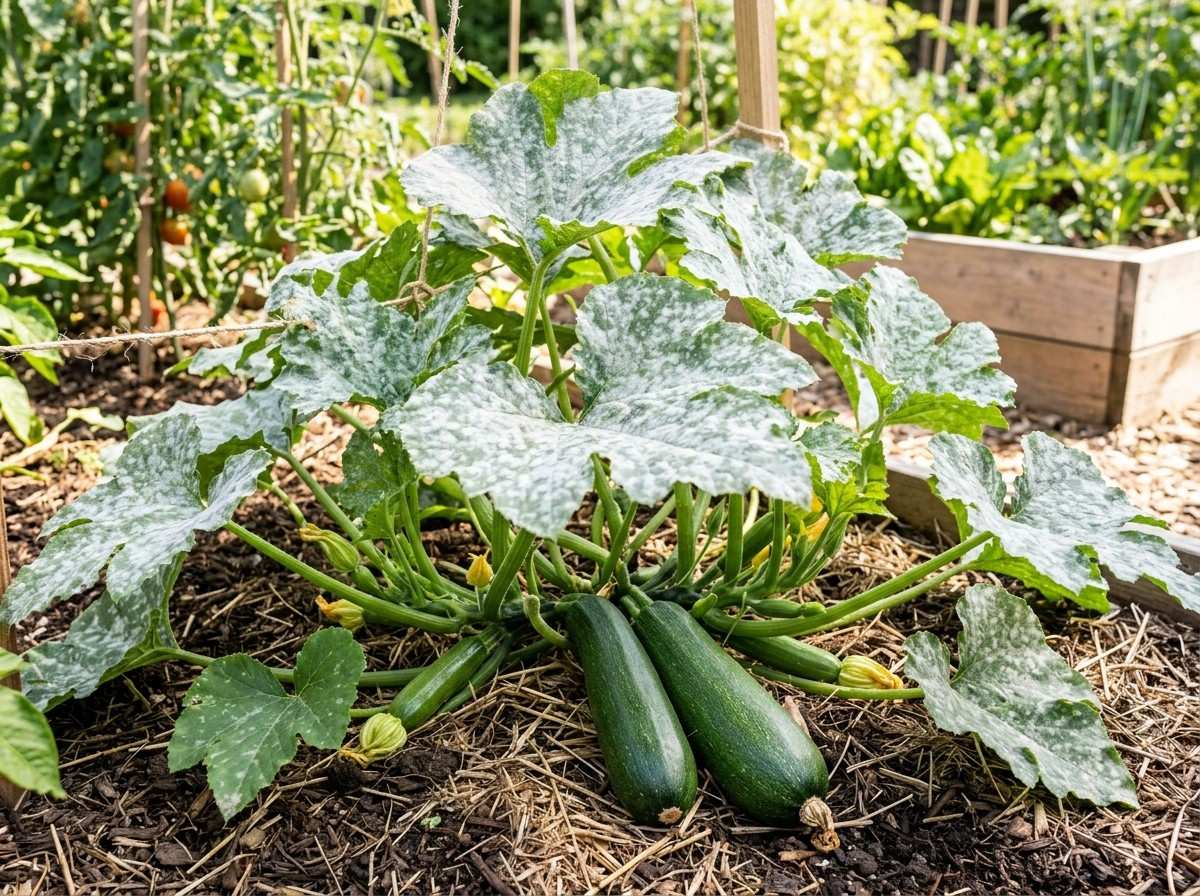
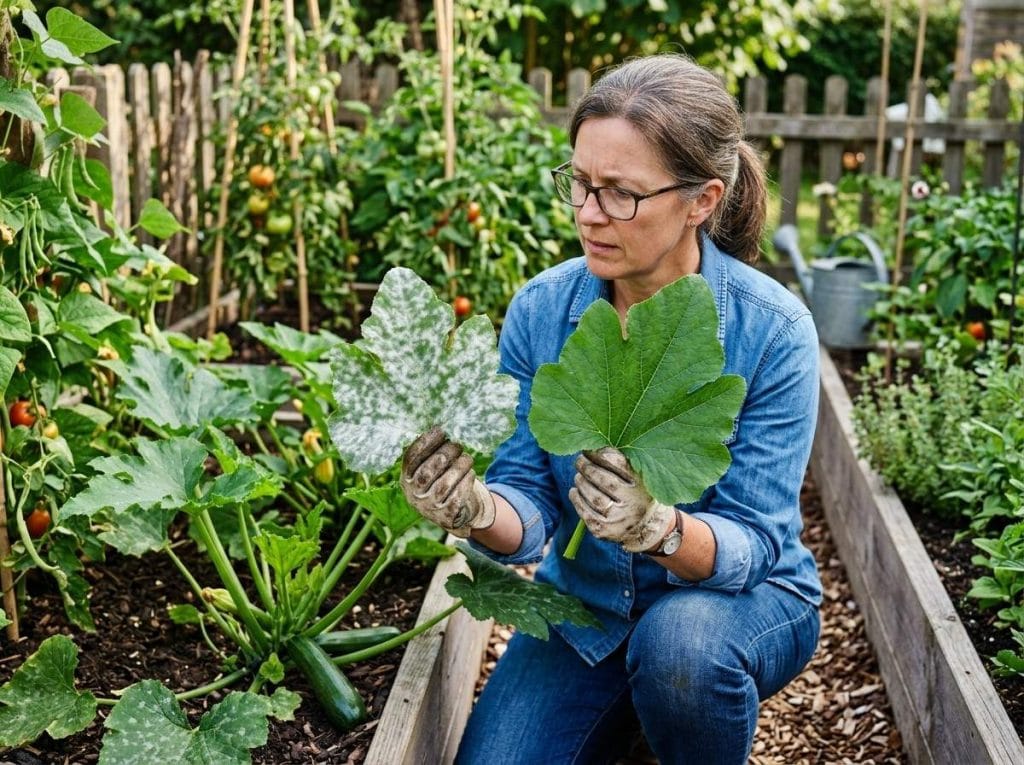
Powdery mildew is a common problem for gardeners growing squash. If you see white, powdery spots on your squash leaves, you’re likely dealing with this fungal disease. Powdery Mildew on Squash Leaves can spread quickly, weaken plants, reduce yields, and even ruin your harvest if left untreated.
Understanding how to identify, prevent, and manage this disease is essential for keeping your squash plants healthy and productive throughout the growing season.
But the good news is, with the right steps, you can manage and prevent it. This article explains what powdery mildew is, why it targets squash, and how you can protect your plants. You’ll learn how to spot early signs, understand the science behind the fungus, and discover proven ways to keep your squash healthy.
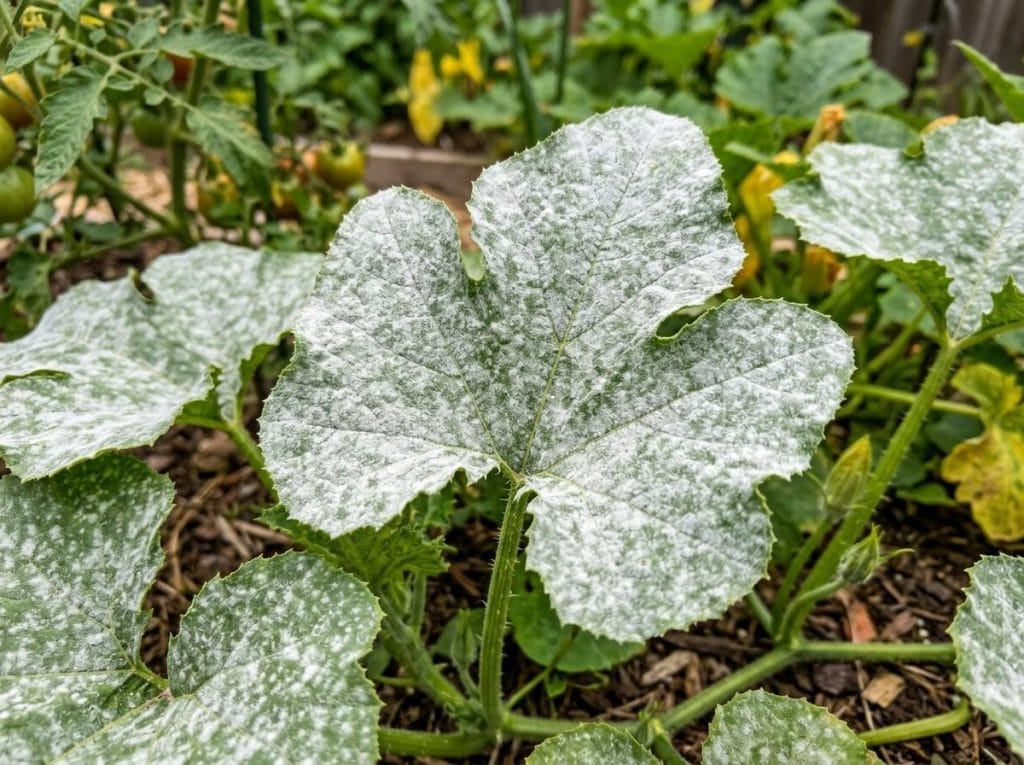
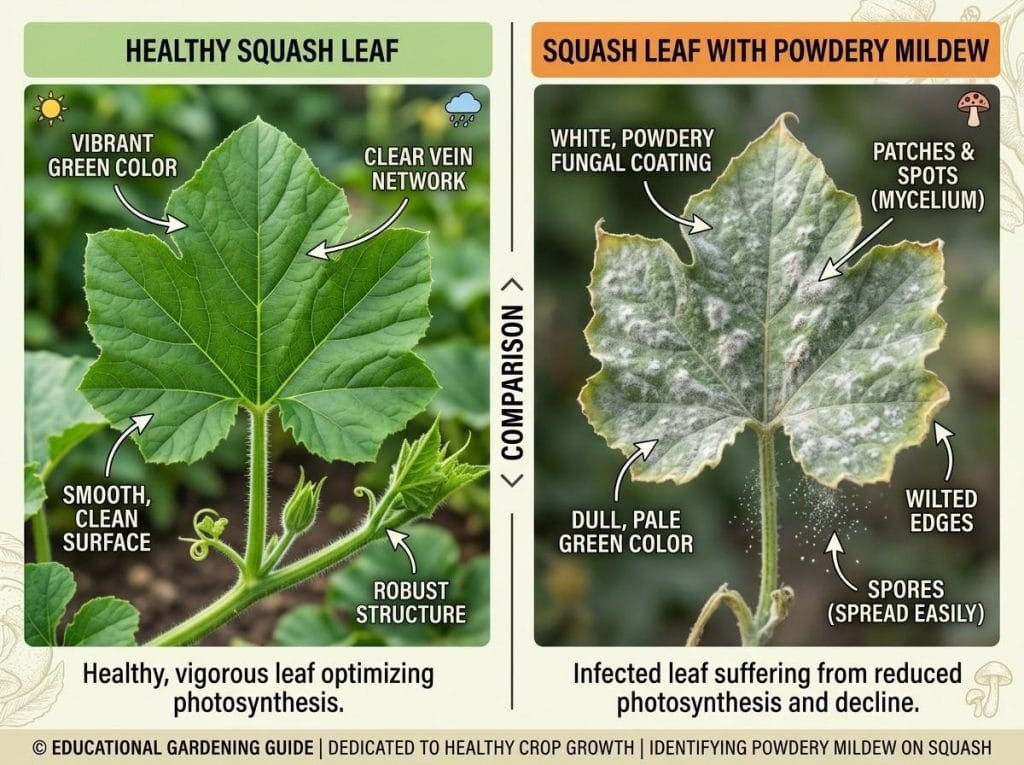
Powdery mildew is a fungal disease. It affects many plants, but squash is one of its favorites. The fungus creates a white, powdery layer on leaves, stems, and sometimes fruit. This layer can look like flour dusted on the plant.
The main fungi causing powdery mildew on squash are Podosphaera xanthii and Erysiphe cichoracearum. These fungi live in warm, dry climates and spread through tiny spores carried by wind. Unlike many fungi, powdery mildew does not need water on leaves to infect plants. This makes it tricky—many gardeners expect fungal diseases only when plants are wet.
Powdery mildew reduces photosynthesis, the process plants use to make food. This weakens the squash plant and lowers yield. In severe cases, leaves turn yellow, shrivel, and die.
Squash plants, both summer (like zucchini) and winter types (like butternut), are very vulnerable to powdery mildew. Their large, soft leaves provide a perfect home for the fungus. The leaves trap humidity and shade, helping spores survive and grow.
Here’s why squash is especially prone:
If you grow squash in places with warm days and cool nights, you’re at higher risk. The fungus loves temperatures between 60°F and 80°F. It spreads fastest when humidity is high but there’s no rain.
Understanding powdery mildew’s life cycle helps you fight it. The fungus survives winter on old plant debris. When spring arrives, it produces spores. These spores travel by wind and land on new squash plants.
The fungus needs just three things:
Once spores land, they germinate and grow on the surface of leaves. They send out threads called hyphae. These threads steal nutrients from the plant. Within days, the fungus produces more spores, which spread to other leaves.
Here’s a simple timeline:
Powdery mildew can complete this cycle in just 7–10 days. That’s why outbreaks often seem sudden.
Spotting powdery mildew early is key. Look for these warning signs:
At first, powdery mildew appears as small circles. These quickly grow and cover large areas. In advanced cases, leaves may look almost entirely white.
Non-obvious insight: The fungus can infect stems and flowers too, not just leaves. If you see white spots elsewhere, powdery mildew is likely.
It’s easy to confuse powdery mildew with other plant diseases. Here’s a comparison to help:
| Feature | Powdery Mildew | Downy Mildew | Leaf Spot |
|---|---|---|---|
| Color | White, powdery | Yellow/gray, fuzzy | Brown/black spots |
| Location | Upper leaf surface | Underside of leaves | Anywhere on leaf |
| Humidity Needed | High, but dry | Wet leaves | Variable |
| Spreads by | Wind | Water | Contact |
Non-obvious insight: Powdery mildew can grow even in dry weather, while downy mildew needs water on leaves. Many gardeners treat the wrong disease because they mix up the symptoms.
Powdery mildew does more than just spoil the look of your squash. It affects plant health and harvest.
In commercial farms, powdery mildew can cause losses of 20–50% of yield. For home gardeners, it’s not just about harvest—it’s also about keeping plants alive.
Preventing powdery mildew is easier than treating it. Here are proven steps:
Some squash types resist powdery mildew better than others. Look for varieties labeled as PM-resistant. Examples include ‘Success PM’, ‘Dunja’, and ‘Slick Pik’.
Space your plants well. Do not crowd squash. Good airflow dries leaves and makes it harder for the fungus to settle.
Water the soil, not the leaves. Early morning is best. This lets leaves dry fast and keeps humidity down.
After harvest, remove all old squash leaves and stems. The fungus survives winter in plant debris.
Do not plant squash in the same spot every year. Rotating with non-host crops (like corn or beans) breaks the fungus’s cycle.
Check leaves at least twice a week. Early detection saves your plants.
If you spot powdery mildew, act fast. Here are ways to control it:
Cut off leaves with heavy mildew. This stops the fungus from spreading. Do not compost infected leaves.
Several sprays can slow powdery mildew:
For severe cases, chemical fungicides work. Use products with myclobutanil or chlorothalonil. Always follow label directions. Avoid spraying during the heat of the day.
Some beneficial fungi, like Bacillus subtilis, can fight powdery mildew. These are available as garden sprays.
Spray every 7–10 days, especially during warm, humid weather. Continue until mildew disappears.
Powdery mildew can become resistant to some fungicides. If one product stops working, switch to another type.
Many gardeners try homemade remedies. Some work, others do not.
Research at Cornell University found milk sprays work as well as chemical fungicides for mild cases. Mix 1 part milk with 9 parts water. Spray leaves until wet. Repeat weekly.
Baking soda is often recommended, but it works best as a preventive, not a cure. Mix 1 tablespoon baking soda, 1/2 teaspoon liquid soap, and 1 gallon water. Spray leaves.
Vinegar can kill fungus, but it also damages leaves. Use with caution.
Garlic has antifungal properties. Blend a few cloves with water, strain, and spray. Results vary.
Non-obvious insight: Home remedies are best for prevention or mild cases. For severe infections, use commercial fungicides.
Here’s a look at real-world results with different control methods:
| Control Method | Reduction in Disease (%) | Notes |
|---|---|---|
| PM-resistant variety | 70–90% | Best prevention |
| Potassium bicarbonate spray | 50–80% | Works for mild cases |
| Neem oil | 40–70% | Also controls insects |
| Chemical fungicide | 80–95% | Best for severe cases |
| Milk spray | 40–60% | Eco-friendly |
Many gardeners make mistakes that let powdery mildew win. Here are the most frequent:
Powdery mildew acts differently depending on where you grow:
If you’re growing lots of squash or want perfect fruit, try these advanced steps:
In California, a commercial squash grower faced powdery mildew every year. By switching to resistant varieties, using drip irrigation, and spraying potassium bicarbonate weekly, he reduced mildew by 80%. The farm also burned old plant debris instead of composting it.
This cut down on fungus surviving winter. Harvest increased by 40%, and fruit quality improved.
Sometimes, powdery mildew becomes too severe. If more than half your squash leaves are infected, and sprays don’t help, it’s better to remove the plants. Start fresh with PM-resistant varieties next season. Clean up all debris and rotate crops. This gives you a better chance next year.
If you want to stay organic, focus on prevention. Use resistant varieties, space plants well, and spray milk or potassium bicarbonate. Avoid chemical fungicides unless the infection is severe. Organic growers should also use crop rotation and clean up all debris.
Some myths confuse gardeners:
Squash is not the only victim. Powdery mildew also attacks cucumbers, melons, and pumpkins. If you grow these plants, use the same prevention and treatment steps.
| Plant | Susceptibility | Best Control |
|---|---|---|
| Squash | Very high | Resistant variety + organic sprays |
| Cucumber | High | Fungicide + good airflow |
| Melon | Medium | Crop rotation + milk spray |
| Pumpkin | High | Resistant variety + debris cleanup |
Powdery mildew is caused by fungi, mainly Podosphaera xanthii and Erysiphe cichoracearum. Spores land on leaves and grow in warm, humid conditions. Wind spreads the spores from plant to plant.
To prevent powdery mildew, use resistant squash varieties, space plants for good airflow, water the soil not leaves, remove old debris, and rotate crops each year. Monitor plants often for early signs.
Home remedies like milk spray and baking soda can help prevent or slow powdery mildew in mild cases. For severe infections, commercial fungicides are more effective. Homemade sprays work best as part of a prevention plan.
Yes, you can eat squash from infected plants if the fruit itself looks healthy. Powdery mildew affects leaves and stems, not the fruit. Wash squash before eating. If the fruit is soft or rotting, do not eat it.
No, powdery mildew is not dangerous to humans. It affects plants but does not cause illness in people. Avoid touching infected leaves if you have allergies or sensitive skin.
Powdery mildew on squash leaves is frustrating, but you can manage it. With careful prevention, early treatment, and the right varieties, your squash can stay healthy and productive. Remember, powdery mildew acts fast, so watch your plants closely. If you need more in-depth guidance, visit the Extension Foundation for expert advice. Healthy squash starts with good habits—so keep learning and growing.