Gardening Made Simple.
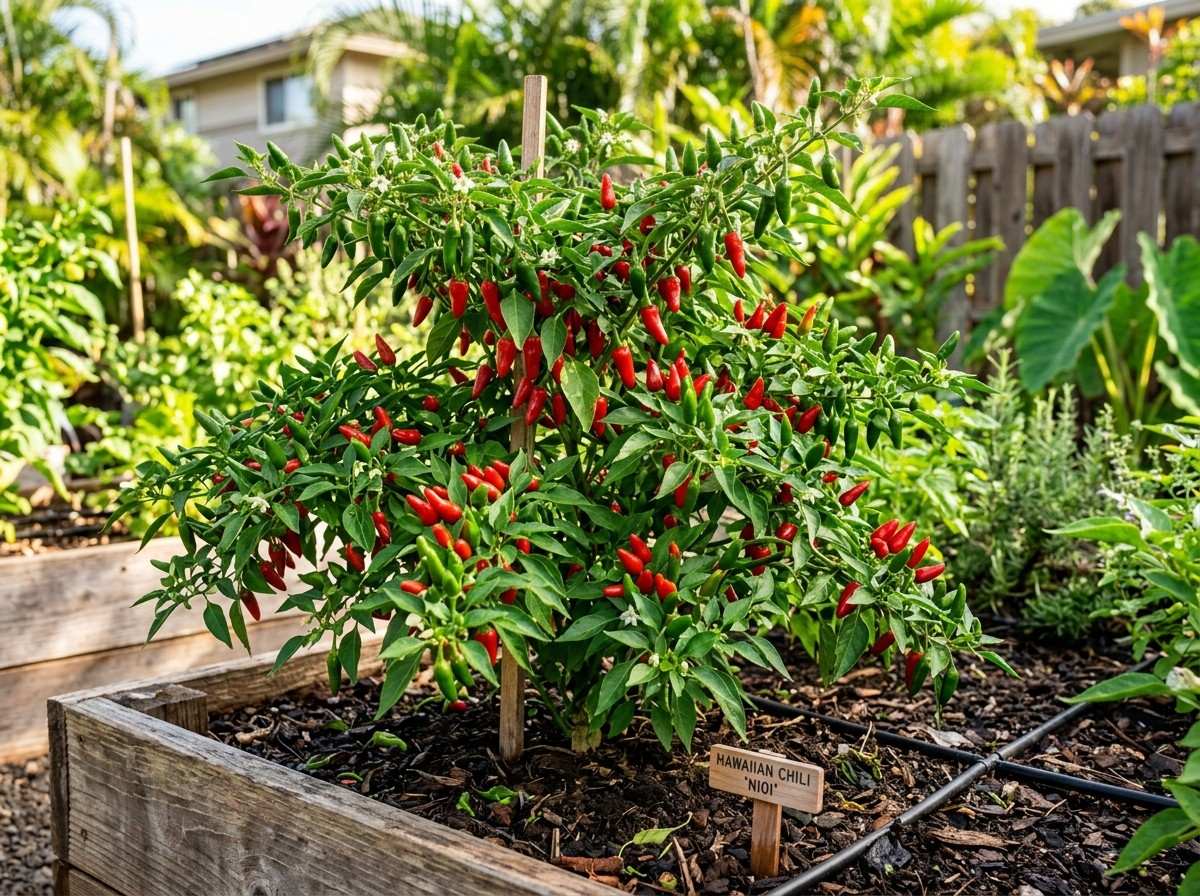
Hawaiian chili peppers are famous for their heat, flavor, and use in local dishes like chili pepper water. Growing Hawaiian Chili Peppers can be rewarding and fun, especially if you live in a warm climate or want to bring a taste of Hawaii to your garden. With the right sunlight, soil, watering, and care, these productive pepper plants can thrive and provide a steady harvest of flavorful chilies throughout the growing season.
This guide explains every step, from seed to harvest, with practical advice for beginners and tips that even experienced gardeners sometimes overlook.
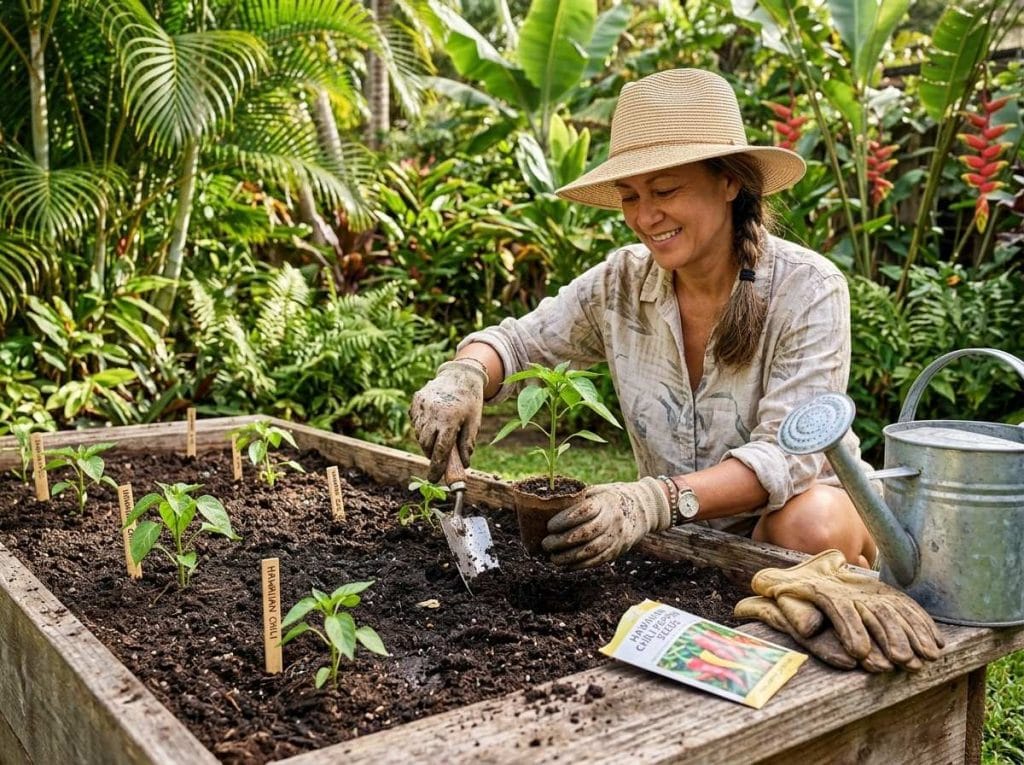
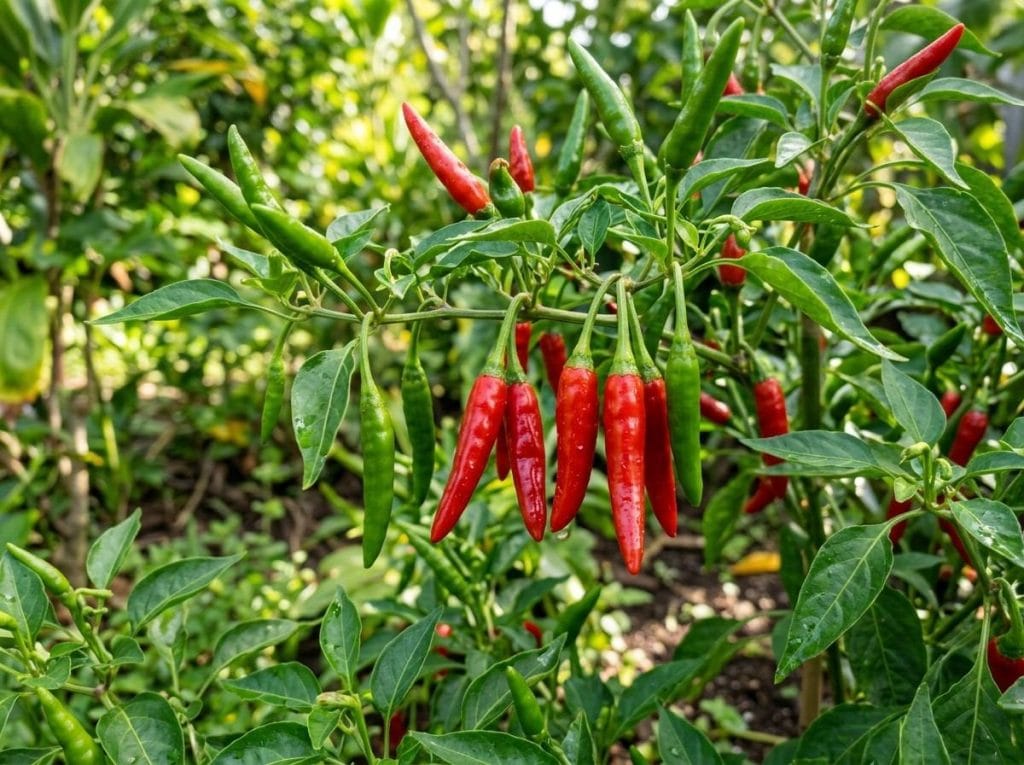
Hawaiian chili peppers, also called Hawaiian Hot, belong to the species Capsicum frutescens. They are small, about 1–1.5 inches long, and bright red when fully ripe. Their heat is intense, ranging from 100,000–150,000 Scoville units, making them hotter than jalapeños but milder than habaneros.
The pepper’s unique flavor is both fruity and spicy. It’s a staple in Hawaiian cooking, used fresh, pickled, or in homemade sauces. What makes them special is their ability to thrive in tropical conditions, although they can adapt to other climates with proper care.
If you want authentic Hawaiian chili peppers, buy seeds from trusted sources. Look for “Hawaiian Chili Pepper” or “Hawaiian Hot” labeled varieties. Many gardening stores sell generic “hot pepper” seeds, but these may not produce the same flavor or heat.
To ensure quality:
Some growers also use seeds from mature fruits bought at local markets. However, this is risky because supermarket peppers are often hybrids and may not grow true to type.
Hawaiian chili peppers love warm temperatures. The ideal growing range is 70–85°F (21–29°C). They don’t tolerate frost, so wait until after the last frost date if you live outside Hawaii.
In Hawaii, you can plant year-round. In mainland US, plant in late spring or early summer. If you live somewhere cooler, start seeds indoors 8–10 weeks before the last frost.
Good soil is the foundation for healthy peppers. These plants prefer:
Mix compost or aged manure into your garden bed. If your soil is poor, use raised beds or large pots. A soil test can help you check the pH and nutrient levels.
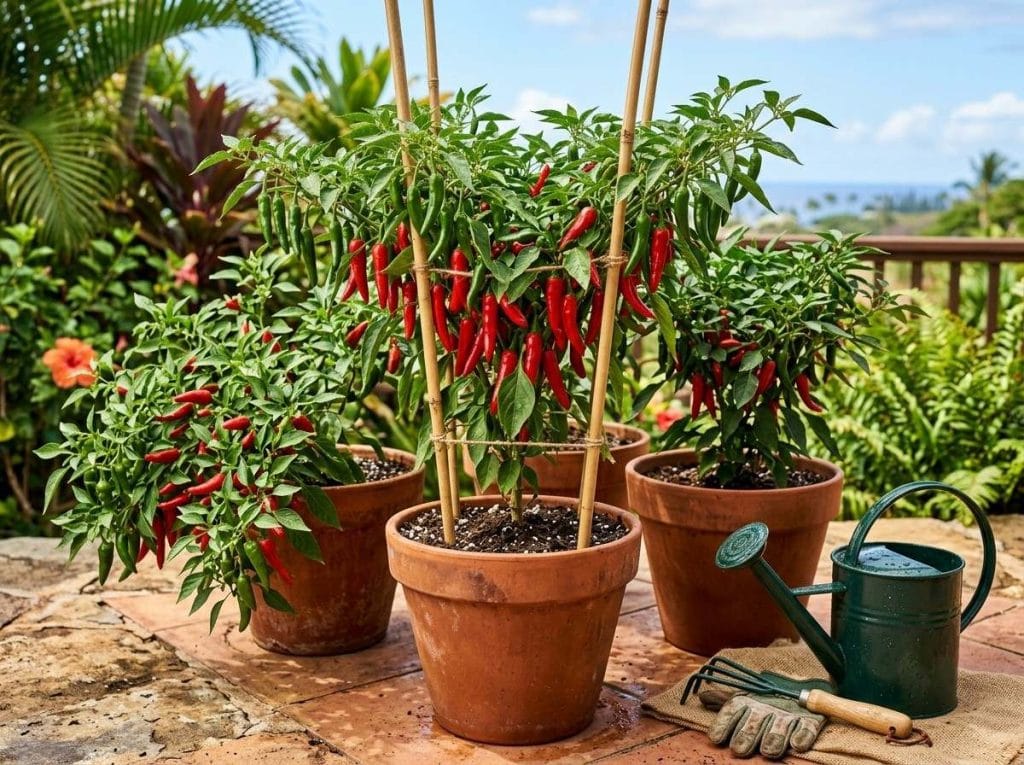
If you don’t have a garden, Hawaiian chili peppers grow well in containers. Use pots that are at least 12 inches wide and deep. Make sure the pot has drainage holes.
Many beginners skip soaking seeds, but this simple step increases germination rates. Also, don’t plant seeds too deep—they need light and warmth to sprout.
Once seedlings have 2–3 sets of true leaves and are 3–4 inches tall, they’re ready for transplanting.
Before moving outside, harden off seedlings. Start by placing them outdoors for 1–2 hours a day, gradually increasing over a week. This prevents shock.
If using containers, transplant into pots with fresh soil. Peppers need room for roots to grow.
Peppers need steady moisture, but hate soggy soil. Water deeply once or twice a week. In hot climates, you may need to water more often. Avoid overhead watering to reduce disease risk.
Tip: Mulch around plants with straw or shredded leaves. This keeps soil moist and reduces weeds.
Apply a balanced fertilizer (such as 10-10-10 NPK) after transplanting. Feed again when plants start flowering. Organic options like fish emulsion or compost tea work well.
Data Table: Common Fertilizer Choices for Chili Peppers
| Type | NPK Ratio | Application Frequency | Notes |
|---|---|---|---|
| Granular All-Purpose | 10-10-10 | Every 4–6 weeks | Easy for beginners |
| Fish Emulsion | 5-1-1 | Every 2–4 weeks | Organic, quick action |
| Compost Tea | Varies | Every 2–3 weeks | Improves soil health |
Hawaiian chili peppers are small plants, but pruning encourages bushy growth. Remove the top leaves when plants are 6–8 inches tall. This makes them branch out.
If your plants grow tall or are heavy with fruit, use small stakes to support them. This prevents breaking.
Common pests include aphids, whiteflies, and spider mites. Diseases like powdery mildew and bacterial spot can also occur.
To manage pests:
For diseases:
Experienced growers often overlook regular inspection. Catching problems early prevents major losses.
Hawaiian chili peppers start flowering 8–10 weeks after transplanting. Flowers are small and white. Fruits develop quickly and turn from green to bright red.
Key tips for fruiting:
Data Table: Growth Timeline for Hawaiian Chili Peppers
| Stage | Approximate Duration | Key Actions |
|---|---|---|
| Seed Germination | 10–21 days | Warmth, moisture, light |
| Seedling Growth | 4–6 weeks | Thin, feed, light |
| Transplanting | After 6–8 weeks | Harden off, plant out |
| Flowering | 8–10 weeks post-transplant | Balanced feeding, check pests |
| Fruit Maturation | 2–4 weeks after flowering | Regular watering, harvest |
Chili peppers are ready when they turn fully red. This is usually 90–120 days after planting. Pick fruits with scissors to avoid damaging the plant.
Harvesting regularly encourages more fruit. Don’t wait for all peppers to ripen at once. Picking green peppers is possible, but they are less flavorful and hot.
After picking, rinse peppers and dry them. You can store them in the fridge for 2–3 weeks. For longer storage:
Local Hawaiian families often make chili pepper water by soaking chopped peppers in vinegar with garlic and salt.
These peppers are used in many ways:
Chili Pepper Water Recipe Example
Ingredients:
Steps:
The heat level can be adjusted by adding more or fewer peppers. Try using gloves when handling to avoid irritation.
If you want to grow peppers again, save seeds from the ripest fruits.
Steps to save seeds:
Seeds from hybrid peppers may not grow true. Always use seeds from healthy, non-hybrid plants.
Often caused by overwatering or lack of nutrients. Check soil moisture and consider feeding with a balanced fertilizer.
Usually due to low light or too much nitrogen. Move plants to a sunnier spot and reduce nitrogen-rich fertilizers.
Can happen from sudden changes in temperature or inconsistent watering. Mulch and regular watering help prevent this.
If plants are slow to grow, check for root crowding or poor soil. Repot if necessary and add compost.
How do Hawaiian chili peppers compare to other popular types? Here’s a quick look:
| Pepper Type | Scoville Heat Units | Flavor Profile | Common Uses |
|---|---|---|---|
| Hawaiian Chili | 100,000–150,000 | Fruity, spicy | Chili pepper water, sauces |
| Jalapeño | 2,500–8,000 | Fresh, mild | Salsas, pickling |
| Habanero | 100,000–350,000 | Sweet, fiery | Hot sauces |
| Thai Chili | 50,000–100,000 | Sharp, spicy | Curries, stir-fry |
Notice how Hawaiian chili peppers sit between Thai chilies and habaneros in heat. Their unique flavor and traditional uses make them stand out.
Hawaiian chili peppers are much hotter than jalapeños. They range from 100,000–150,000 Scoville units, while jalapeños are only 2,500–8,000. Hawaiian chili peppers can cause a burning sensation, so use them with caution.
Yes, you can grow them indoors if you provide 14 hours of light daily. Use grow lights and keep temperatures between 70–85°F. Containers should be at least 12 inches wide and deep. Indoor growing avoids frost and pests but may reduce fruit size.
Chili pepper water is a traditional Hawaiian condiment made by soaking chopped peppers in vinegar, salt, and garlic. It’s used as a spicy sauce for meats, rice, and vegetables. Homemade chili pepper water lasts about 1 month in the fridge.
Common causes are low light, too much nitrogen, or temperature extremes. Make sure your plants get enough sun and avoid over-fertilizing. If temperatures are too hot or cold, fruit set drops. Mulch and shade can help stabilize conditions.
Buy seeds from specialty seed banks or gardening stores that list “Hawaiian Chili Pepper” or “Hawaiian Hot.” Avoid generic “chili pepper” seeds. For reliable sources, check websites like Seed Savers Exchange.
Growing Hawaiian chili peppers adds spice and flavor to your garden and kitchen. With the right care, even beginners can enjoy a healthy harvest. Remember to start with quality seeds, provide warmth and light, and follow the steps outlined here.
Whether you use them fresh, dried, or in sauces, these peppers offer a unique taste of Hawaii that few other plants can match.