Gardening Made Simple.
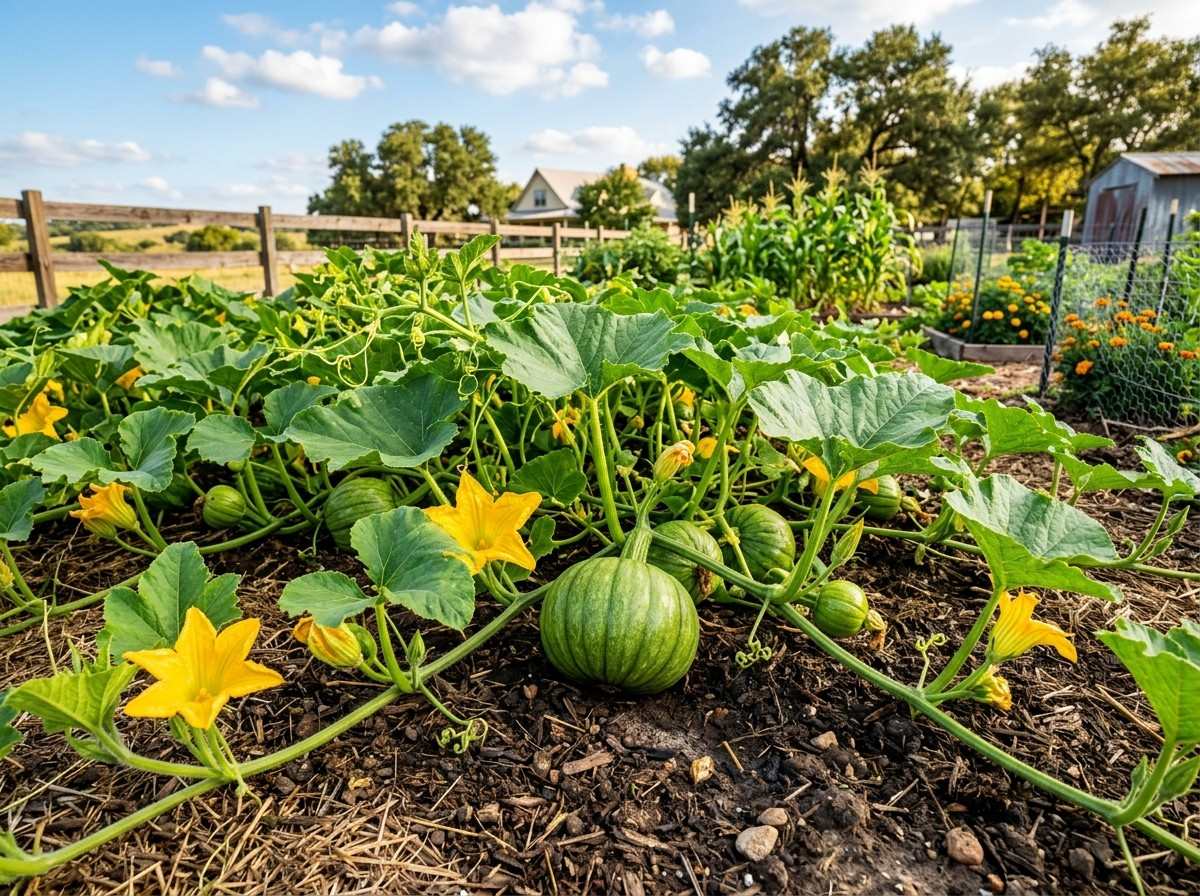
Pumpkins are a favorite in Texas gardens, bringing color and fun to fall displays, pies, and Halloween traditions. But planting them at the right time is critical if you want big, healthy pumpkins before the first frost. Texas has a unique climate, from the dry, hot west to the humid, warm east.
This means planting times can vary a lot across the state. If you’ve ever wondered exactly when to plant pumpkins in Texas for the best harvest, you’re not alone. Many gardeners—new and experienced—find pumpkin timing confusing because of Texas’s long summers, unpredictable weather, and different frost dates.
The good news is that with a few key tips and a little planning, you can time your pumpkin planting for a successful and satisfying crop.
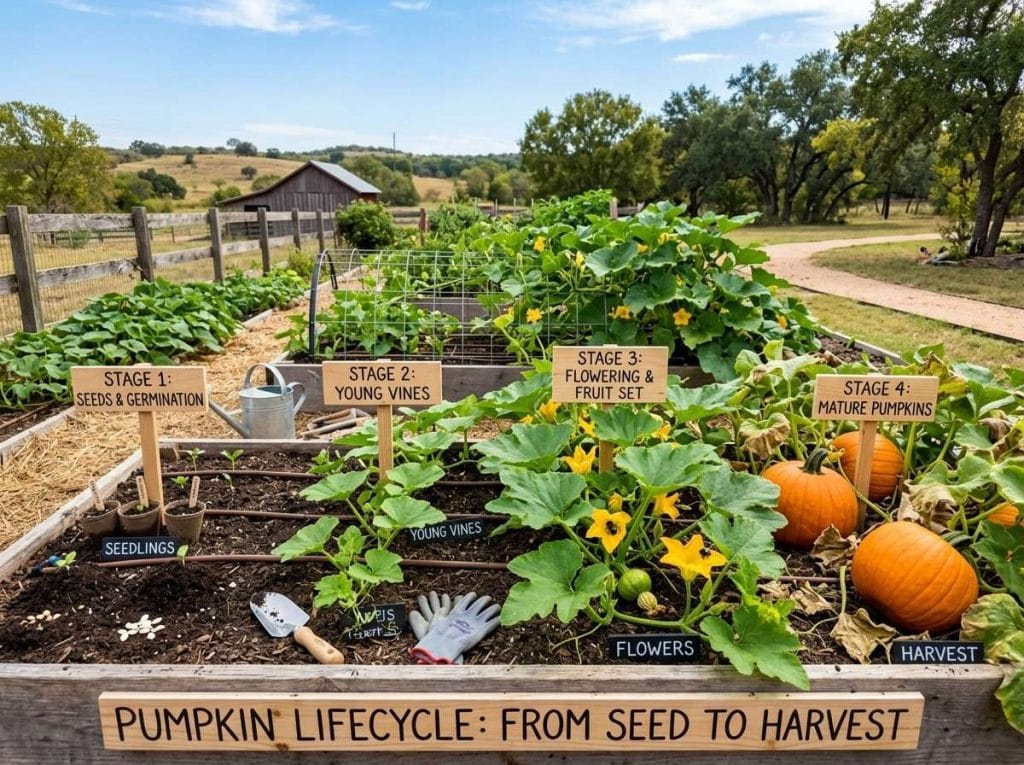
Texas is enormous, and its climate is not the same everywhere. Understanding your growing zone helps you choose the right planting window. The state is generally divided into four main regions for gardening purposes:
Each zone affects soil temperature, frost dates, and how quickly pumpkins can grow. The USDA Plant Hardiness Zone Map places Texas between zones 6b and 9b. Check your zip code or county for a more precise zone.
Pumpkins are warm-season crops. They need warm soil to sprout and grow well. If you plant too early, cold soil slows growth or causes seeds to rot. Planting too late means your pumpkins might not mature before frost kills the vines.
Most pumpkin varieties need 90–120 days to reach maturity. So, for a Halloween harvest, you must count backwards from your desired picking date—usually mid to late October—and consider your first expected fall frost.
Here, the last spring frost usually falls in mid-March, and the first fall frost comes as early as late October. For North Texas, the best time to plant pumpkins is from late April to early June. If you plant later than mid-June, your pumpkins may not be ready before the cold arrives.
Central Texas enjoys a longer growing season. The last frost is usually in early March, and the first frost doesn’t hit until late November. You can plant pumpkins from late March to early July. For Halloween, aim to sow seeds in May or early June.
With mild winters and plenty of rain, East Texas allows for a flexible planting window. Plant pumpkin seeds from early April to late June. Moist soil and warm nights help seeds germinate quickly.
Hot and dry, this region has a very short frost season. The last spring frost is usually gone by late February or early March, and the first frost may not arrive until December. Here, late March to July is ideal for planting pumpkins. However, the heat can stress young plants, so planting just after the last frost but before extreme summer heat is best.
| Region | Planting Window | First Fall Frost | Notes |
|---|---|---|---|
| North Texas | Late April – Early June | Late October | Earlier planting is safer |
| Central Texas | Late March – Early July | Late November | Longer growing season |
| East Texas | Early April – Late June | Early November | Watch out for heavy rain |
| West/South Texas | Late March – July | December | Plant before extreme heat |
Planting at the right time isn’t just about the calendar. A few other key factors help you decide when to sow pumpkin seeds.
Pumpkin seeds need soil temperatures of at least 70°F (21°C) to sprout quickly and grow strong. If the soil is cooler, seeds may rot or take too long to germinate. Use a soil thermometer to check the temperature at planting depth (about 1–2 inches). In most of Texas, you reach this temperature from March to May.
Pumpkins do not tolerate frost. Check the average last frost date for your area in spring and first frost date in fall. Count backwards from your desired harvest date (for Halloween, mid-October) by the number of days to maturity for your pumpkin variety.
Some pumpkins mature faster than others. Small varieties (like ‘Jack Be Little’) may be ready in 85 days. Larger types (like ‘Big Max’ or ‘Atlantic Giant’) can take up to 120 days. Choose your variety based on how much time you have before the first frost.
Pumpkins need steady moisture, especially during germination and fruit set. In areas with heavy spring rains (East Texas), planting on raised mounds or hills helps avoid waterlogged seeds. In drier areas (West Texas), consider drip irrigation or water early in the morning.
In southern and western Texas, extreme summer heat can stress young pumpkins. Temperatures above 90°F (32°C) can slow growth and cause blossoms to drop. Planting just before the hottest part of summer, or providing some afternoon shade, can help.
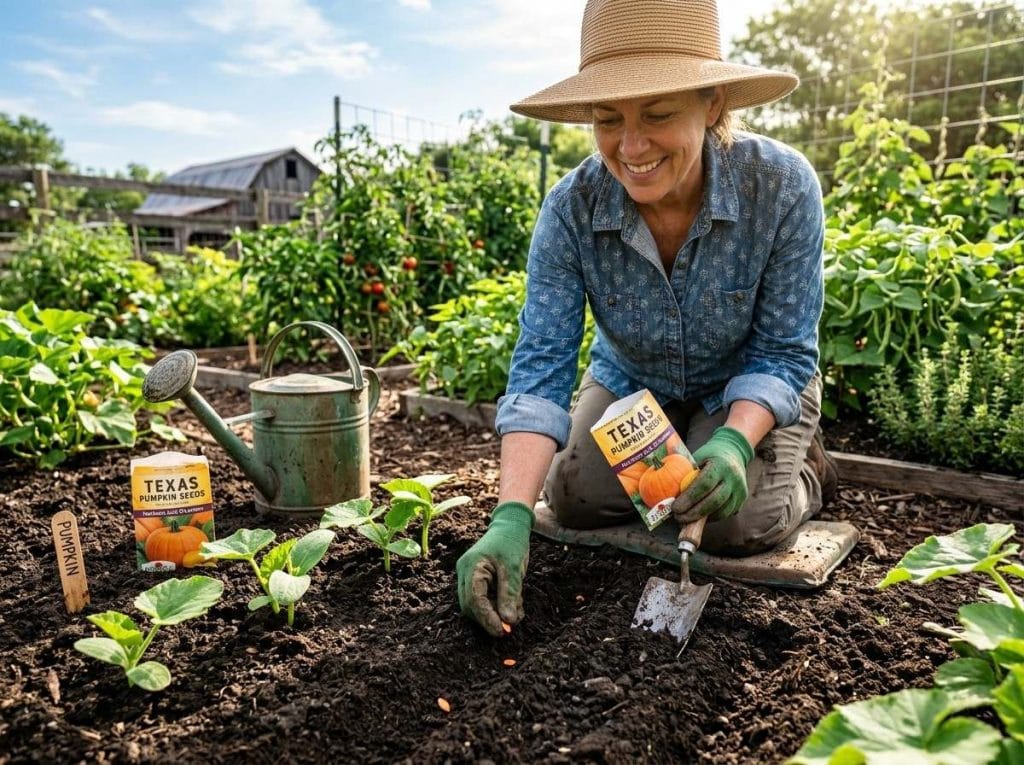
Many gardeners want pumpkins ready for Halloween. To time your crop, start by checking the “days to maturity” on your seed packet. Then, count backwards from October 15th (to allow time for curing and coloring) to find your planting date.
For example, if you choose a pumpkin that matures in 100 days:
If you want pumpkins earlier, plant in late May or early June. Pumpkins can sit on the vine for a few weeks after they turn orange, but leaving them too long can invite pests or rot.
Early planting gives your pumpkins more time to grow, especially in cooler regions. But late planting (June or July) can sometimes avoid spring pest problems. Be careful: late plantings risk running out of time before the first frost.
Some gardeners start pumpkin seeds indoors 2–3 weeks before planting outside. Use peat pots or biodegradable containers so you can plant the whole pot without disturbing roots. Transplant after the last frost and when soil is warm.
To spread out your harvest, try planting two or three batches of seeds a few weeks apart. This helps avoid losing your whole crop to a single bad storm or pest outbreak.
Not all pumpkins grow the same way. Some are bred for quick growth, while others need a long, warm season. Here’s a comparison of popular pumpkin types and their maturity times:
| Pumpkin Variety | Days to Maturity | Best Use |
|---|---|---|
| Jack Be Little | 85–90 | Decorative, small snacks |
| Connecticut Field | 100–110 | Classic carving |
| Howden | 110–115 | Jack-o-lanterns |
| Big Max | 110–120 | Giant pumpkins |
| Pie Pumpkin (Sugar) | 95–100 | Baking, pies |
Choosing a variety that matches your growing season increases your chances of a successful harvest.
Texas weather can be unpredictable. Drought, flash floods, sudden heat waves, and late cold snaps all affect pumpkin growing. For example, a cool, wet spring may delay soil warming, while a sudden heat wave can stress seedlings. Using mulch and row covers helps protect young plants from temperature swings.
Pumpkins are sensitive to day length and temperature. Shortening days and cooler nights in fall signal the vines to slow growth and ripen fruit. For this reason, planting on time is more important than trying to “rush” pumpkins by planting extra early.
Pumpkins need about 1–2 inches of water each week. In dry regions, drip irrigation works best, delivering water directly to the roots and avoiding wetting the leaves (which can cause disease).
For those in humid areas, watering in the morning helps leaves dry quickly and reduces fungal problems. Mulching keeps soil moisture even and cools the root zone.
Pumpkins are heavy feeders. They use lots of nutrients during their fast growth. Before planting, mix in compost or a slow-release fertilizer. During the growing season, side-dress with a balanced fertilizer (10-10-10) every 2–3 weeks. Once vines start to flower, switch to a fertilizer higher in phosphorus and potassium to encourage strong fruit.
Avoid over-fertilizing with nitrogen; too much produces lots of leaves and few pumpkins.
Common Texas pumpkin pests include:
Check plants often and remove pests by hand if possible. Use floating row covers to protect young plants, but remove them when flowers appear so bees can pollinate.
Diseases like powdery mildew and downy mildew can appear in humid or crowded conditions. Space plants well and water at the base to help prevent these problems.
Harvest pumpkins when they are fully colored and the rind is hard. Leave a few inches of stem attached; this helps them last longer. Cure harvested pumpkins in a warm, dry place for 10–14 days before storing.
Store pumpkins in a cool (50–55°F), dry, and well-ventilated area. Avoid stacking them directly on top of each other.
Let’s look at two real-life examples:
Dallas (North Texas):
A gardener wants pumpkins for Halloween. They choose ‘Howden’ (110 days to maturity). The first fall frost is expected by October 30. They plant seeds by June 10 to ensure pumpkins mature by mid-October.
San Antonio (Central Texas):
A gardener grows ‘Pie Pumpkin’ (100 days to maturity) for fall pies. The first frost is expected in late November. They plant seeds in early July, giving them a late October harvest with plenty of time before frost.
These examples show the importance of checking both variety and local climate.
For more official guidance, the Texas A&M AgriLife Extension offers detailed regional planting calendars and pumpkin growing tips.
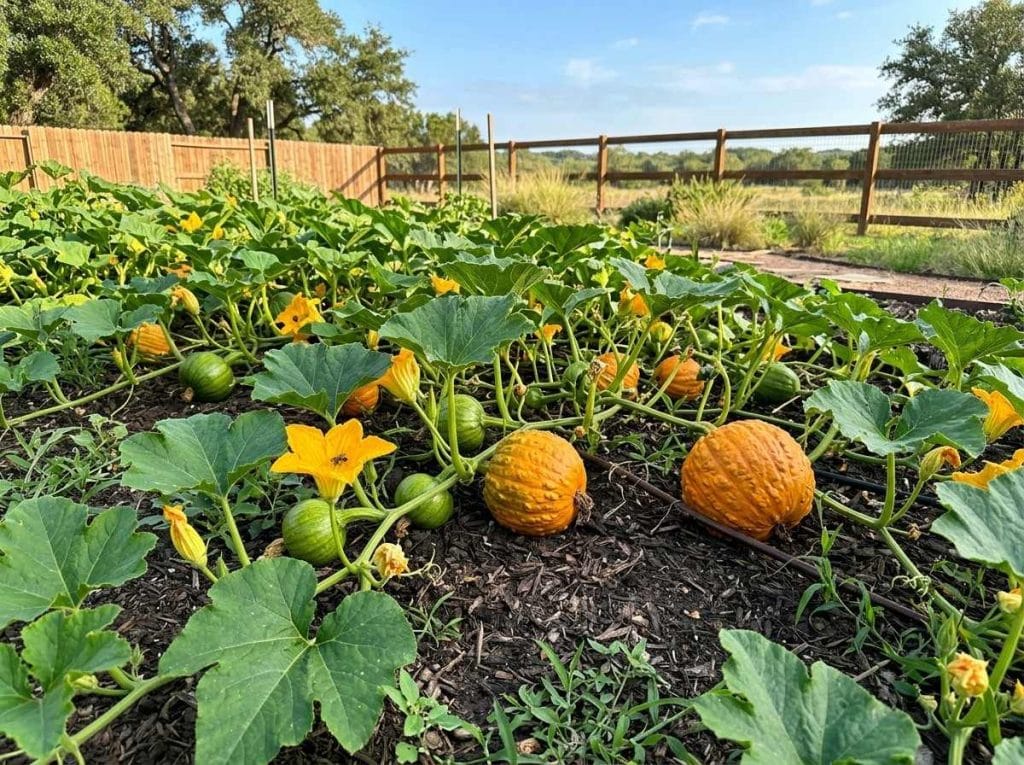
For Halloween pumpkins, plant seeds so that they mature by mid-October. In North Texas, this means sowing seeds by late May to mid-June. In Central and South Texas, you can plant as late as early July. Always check the “days to maturity” for your pumpkin variety and local frost dates.
Yes, in Texas, it’s best to plant seeds directly in the ground after the soil warms to at least 70°F. Starting seeds indoors is possible but not usually needed unless you want an extra-early crop or have a short growing season.
Plant just after the last frost but before the hottest part of summer. Use mulch to keep soil cool and water in the early morning. In areas with intense afternoon sun, provide temporary shade for young plants during heat waves.
‘Howden’ and ‘Connecticut Field’ are popular for carving. ‘Pie Pumpkin’ (Sugar) is great for baking. In very hot areas or for quick crops, try smaller varieties like ‘Jack Be Little. ’ Choose a variety that matches your local growing season.
Most pumpkins take 90–120 days from planting to harvest, depending on the variety. Small types mature faster, while giant types need a longer season. Always count backwards from your desired harvest date and check your local frost schedule.
Growing pumpkins in Texas is rewarding when you understand your climate and pick the right time to plant. With good planning, you’ll have beautiful, homegrown pumpkins for fall celebrations, pies, and more.