Gardening Made Simple.
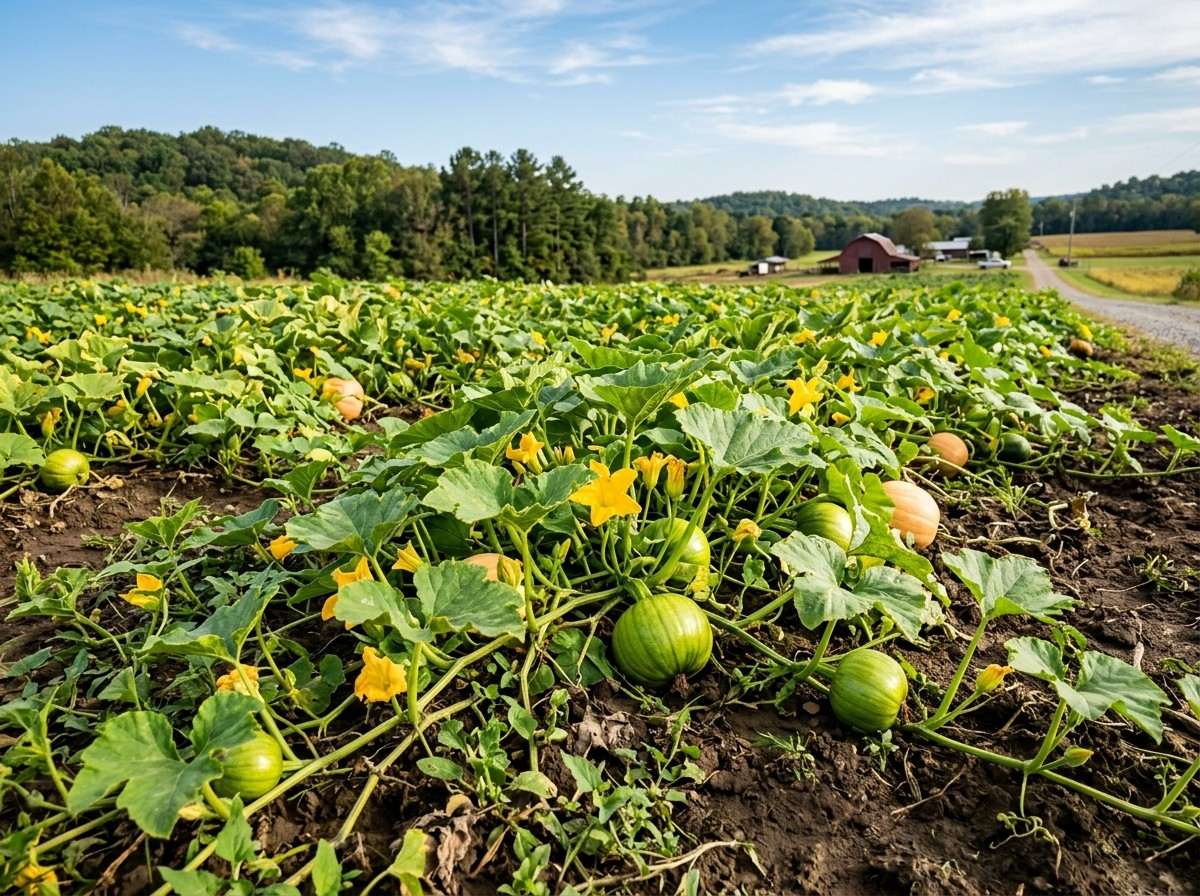
Pumpkins bring color and fun to gardens, porches, and even dinner tables across Arkansas. Whether you're dreaming of a patch full of giant jack-o’-lanterns or want sweet pumpkins for pie, the timing of your planting is critical. Plant too early and you risk frost damage. Plant too late and your pumpkins may not mature before the first cold snap.
Understanding when to plant pumpkins in Arkansas is the key to a successful harvest, and this guide will walk you through everything you need to know—timing, climate, variety choices, soil prep, and more—so you can grow pumpkins that thrive in the Natural State.
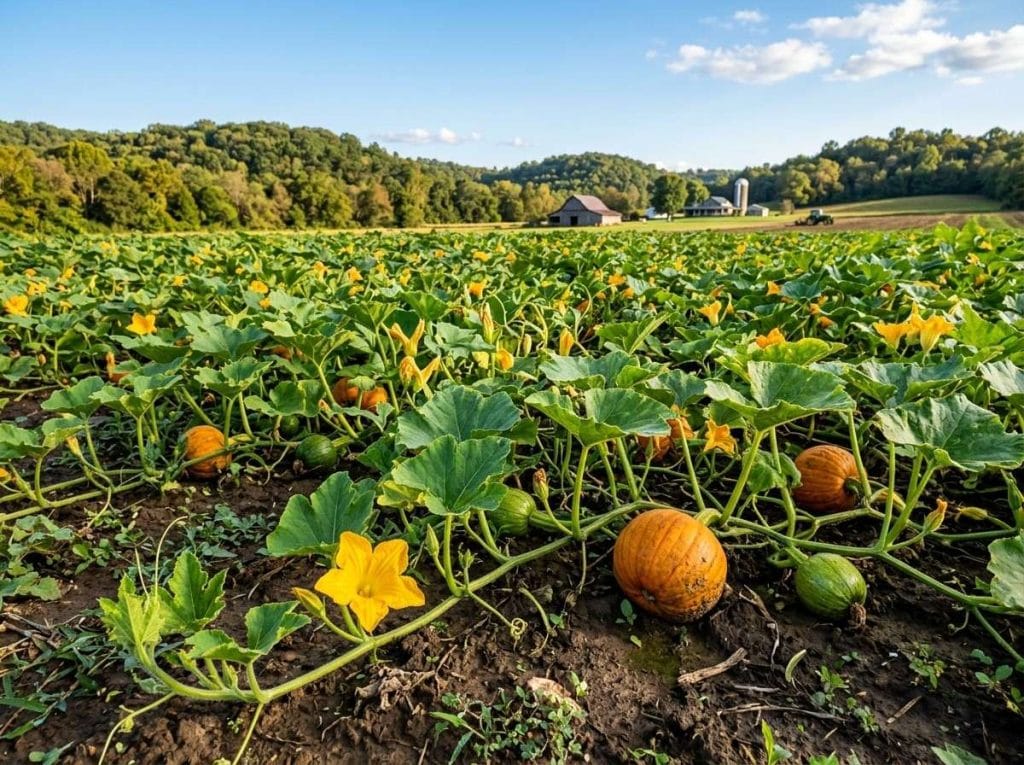
Arkansas sits in the USDA Hardiness Zones 6b to 8a, which means winters are mild to cool, and summers are warm and humid. Spring arrives early, but unpredictable cold snaps can still occur. Rainfall is fairly even throughout the year, but late spring and early summer can be quite wet.
Pumpkins need a long, warm growing season—generally 90 to 120 frost-free days. They love sunshine and well-drained soil. Since pumpkins are sensitive to frost, you must plan your planting date around the last expected frost in your region.
Knowing your average last frost date is step one for timing your pumpkin planting:
| Region | Average Last Frost Date |
|---|---|
| Northwest Arkansas (Fayetteville, Bentonville) | April 10 - April 20 |
| Central Arkansas (Little Rock, Conway) | March 30 - April 10 |
| Southern Arkansas (El Dorado, Texarkana) | March 20 - April 1 |
| Eastern Arkansas (Jonesboro, Helena) | March 25 - April 5 |
These are average dates. Some years, frost may come later, so always check your local forecast before planting.
The ideal planting time depends on both the pumpkin variety and your goals. Do you want pumpkins ready for Halloween? Or are you growing for eating or decoration?
In Arkansas, direct sowing (planting seeds straight into the garden) is most common. Pumpkins dislike transplanting, as their roots are easily disturbed. Here’s how to time your direct sowing:
For example, if you live near Little Rock (last frost early April), the best planting window is mid to late April. In Fayetteville, aim for late April to early May.
Most Arkansas gardeners skip starting pumpkins indoors. However, if you want an early jump, you can plant seeds in peat pots 2-3 weeks before your last frost date. Use biodegradable pots so you can transplant the whole pot, minimizing root disturbance.
Transplant outside only after soil is warm and danger of frost has passed.
If you want pumpkins ready for Halloween (October 31), timing matters even more:
| Region | Direct Sowing Window | For Halloween Harvest |
|---|---|---|
| Northwest Arkansas | Late April – Early May | Late May – Early June |
| Central Arkansas | Mid – Late April | Late May |
| Southern Arkansas | Early – Mid April | Mid – Late May |
Not all pumpkins grow equally well in Arkansas’s climate. Some mature faster, while others need a long, hot summer. Your choice depends on your purpose—carving, eating, or decoration.
Getting the soil right before planting is just as important as timing.
Pumpkins love well-drained, fertile soil. Sandy loam is ideal, but they will tolerate clay if you improve drainage. The soil pH should be 6.0 to 6.8. Arkansas soils can be acidic, so test your soil and add lime if needed.
Pro Tip: Many beginners miss the importance of soil warming. Cold soil slows germination and can cause seeds to rot. Covering the soil with black plastic for a week before planting can help trap heat and give your pumpkins a strong start.
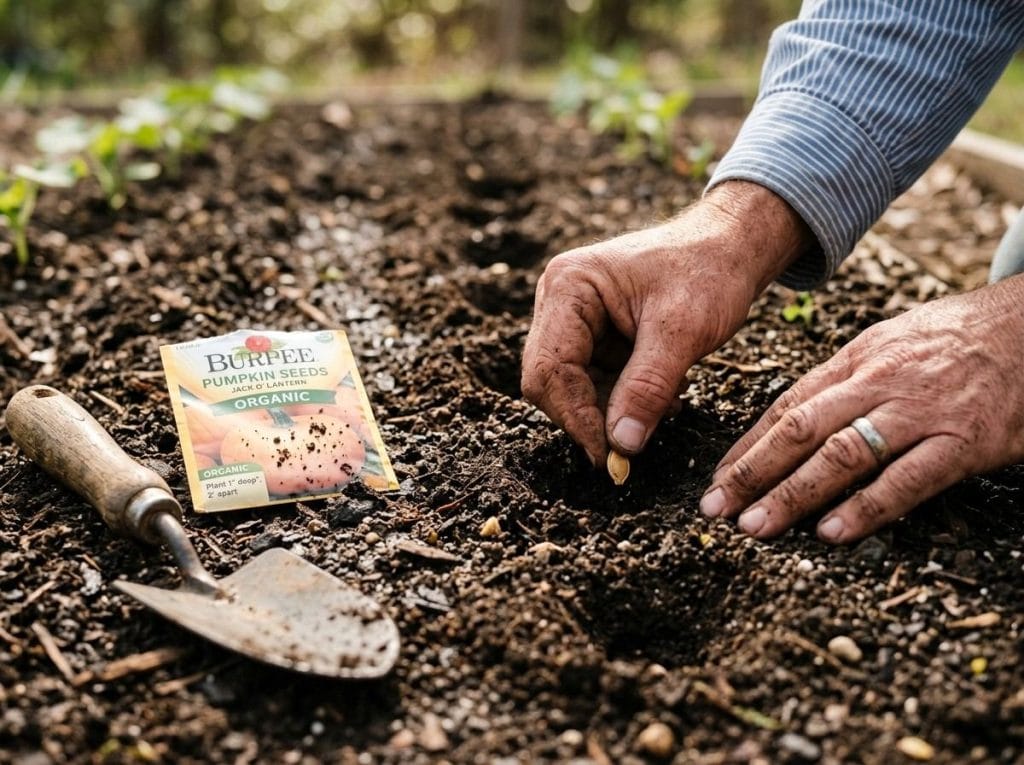
Once the soil is warm and frost danger is past, it’s time to plant.
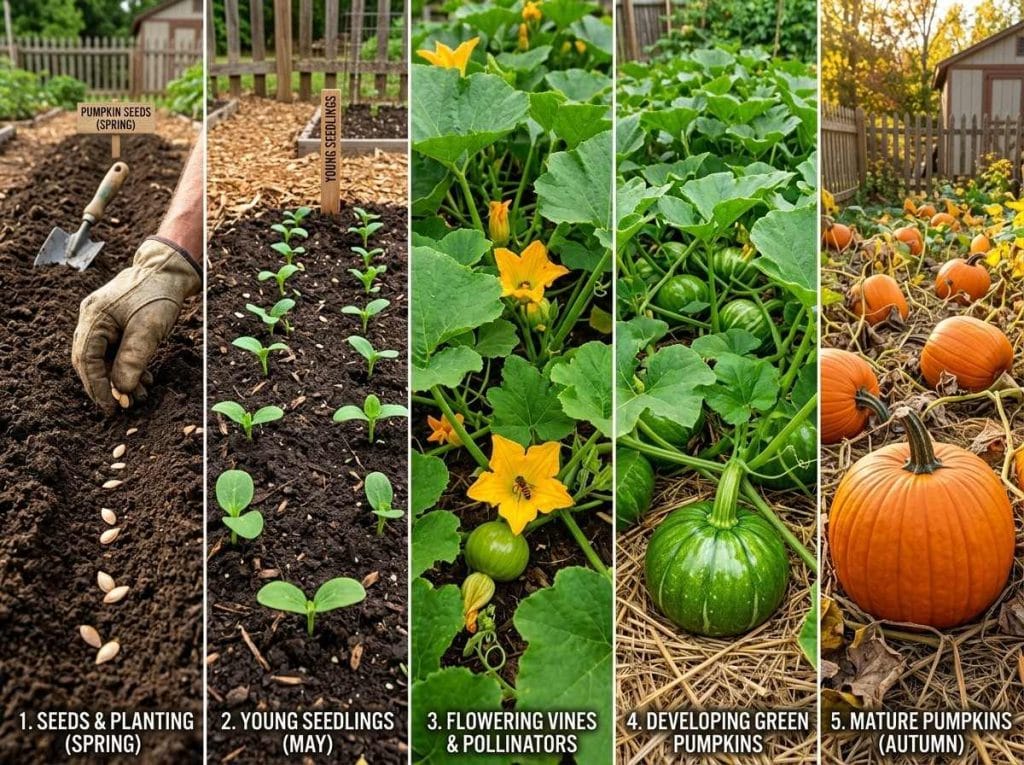
Pumpkin seeds usually sprout quickly in warm soil. If you want to stagger your harvest, plant a second batch of seeds 2–3 weeks after your first planting.
Non-obvious tip: Avoid watering the leaves late in the day. Wet leaves overnight can encourage fungal diseases.
Pumpkins grow fast and need regular attention through Arkansas’s hot summers.
Side-dress with a nitrogen-rich fertilizer when vines begin to run. Once flowers appear, switch to a fertilizer higher in phosphorus and potassium to support fruit development.
Pumpkin vines can sprawl far. In small gardens, gently train vines in a circle to save space. You can also pinch off the ends of vines after a few fruits have set to encourage larger pumpkins.
Insight: Beginners often leave too many pumpkins per plant. For larger fruits, remove all but 1–2 pumpkins per vine once they are the size of a softball.
Pumpkins rely on bees and other pollinators for fruit set. Male and female flowers appear separately on the same plant. If you notice flowers but no fruit, poor pollination may be the cause. You can hand-pollinate using a small paintbrush to transfer pollen from male to female flowers.
Arkansas’s warm, humid climate means you must watch for several threats:
Knowing when to harvest is just as important as when to plant. Harvesting too early means pumpkins may not store well; too late, and they risk frost damage or rotting in the field.
Pro tip: Never carry a pumpkin by its stem alone. A broken stem can shorten storage life and make it easier for rot to set in.
Even after your local last frost date, Arkansas can have surprise cold nights. Keep old sheets, row covers, or even buckets ready to protect young seedlings if a late frost threatens.
Arkansas summers can be hot and sometimes dry. Pumpkins have shallow roots and can wilt quickly. Use mulch to keep soil moisture stable and water early in the morning to reduce evaporation.
If you want pumpkins for eating throughout the fall, stagger your planting every 2–3 weeks in May and June. This way, not all your pumpkins ripen at once.
Getting the most from your pumpkin patch in Arkansas isn’t just about timing. Here are two often overlooked tips:
Pumpkin success can differ across the state because of microclimates and soil types. Here’s a comparison:
| Region | Soil Type | Growing Season Length | Challenges |
|---|---|---|---|
| Northwest | Clay-loam, sometimes rocky | Shorter (cooler springs, early frosts) | Late planting, more frost risk |
| Central | Loam, well-drained | Medium | Balanced, but watch for heavy rain in spring |
| South | Sandy loam | Longest (earliest planting, late fall frost) | Heat stress, drought |
| East | Rich alluvial soil | Medium-Long | Flooding, high humidity |
For more detailed planting calendars and advice, the University of Arkansas Cooperative Extension Service offers free guides and local planting schedules. They also provide soil testing services, which can help pinpoint the perfect planting time and soil amendments for your region. For national data and climate trends, explore the NOAA National Centers for Environmental Information.
If you want to start seeds indoors, plant them about 2–3 weeks before your last frost date. Use peat pots so you can transplant the entire pot without disturbing roots. Transplant outside only after the soil is at least 65°F and all frost danger is past.
Planting in July is possible, but only for quick-maturing varieties (like Jack Be Little or Small Sugar) and only in southern Arkansas. Late-planted pumpkins may not mature before frost, especially in northern regions.
Pumpkins need about 1–2 inches of water per week. In hot, dry periods, check soil moisture more often. Water deeply at the base in the early morning, and mulch to conserve moisture.
Start with a balanced fertilizer (10-10-10) before planting. Once vines run, switch to a nitrogen-rich fertilizer, then use a phosphorus- and potassium-rich formula when fruits appear. Avoid too much nitrogen after flowering, as this can reduce fruit set.
It’s normal for the first flowers (usually male) to drop—this is part of the plant’s process. If female flowers drop or fail to develop fruit, poor pollination or stress (drought, heat, or disease) may be to blame. Encourage pollinators and keep plants healthy for best results.
Growing pumpkins in Arkansas is rewarding with the right timing and care. By understanding your local climate, choosing suitable varieties, and giving your plants what they need, you can enjoy a bountiful pumpkin patch—just in time for fall celebrations or delicious homemade pies.
With each season, you’ll learn more and get even better results from your garden.