Gardening Made Simple.
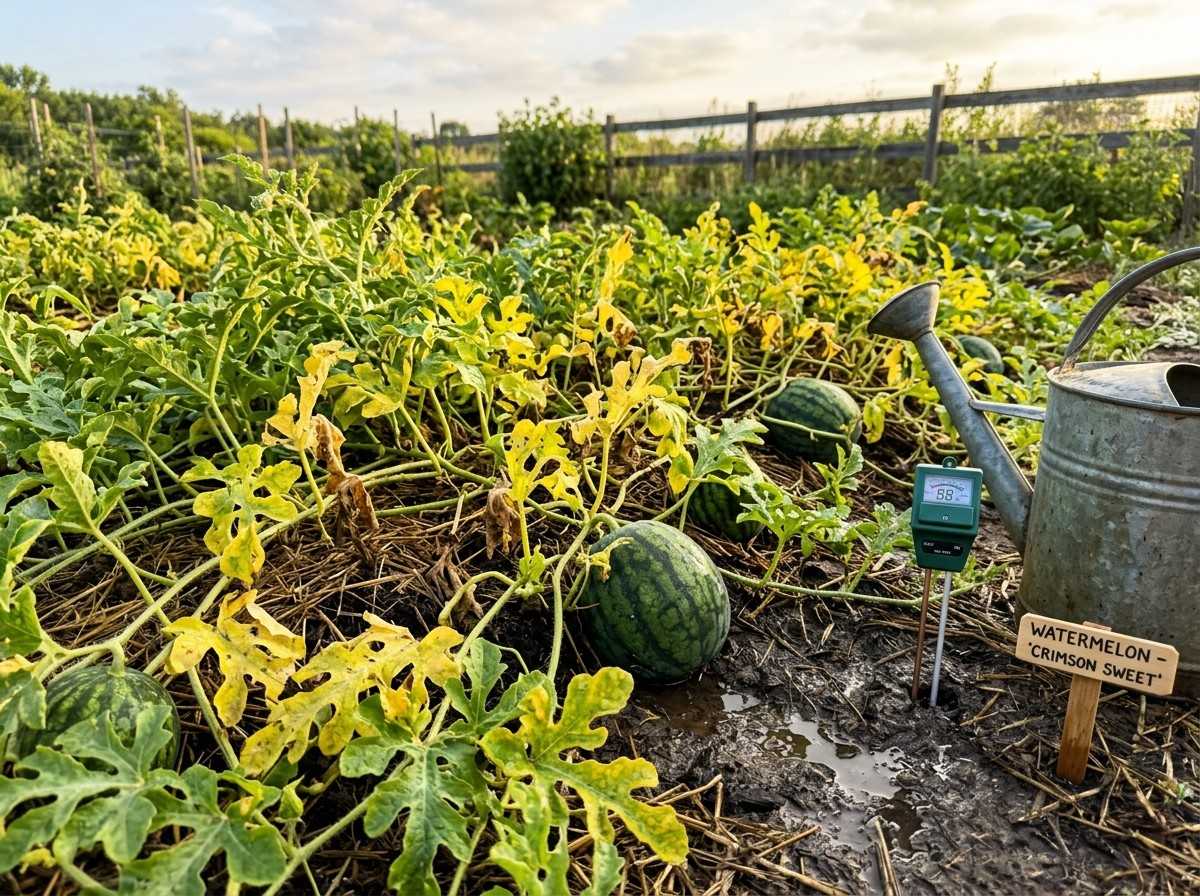
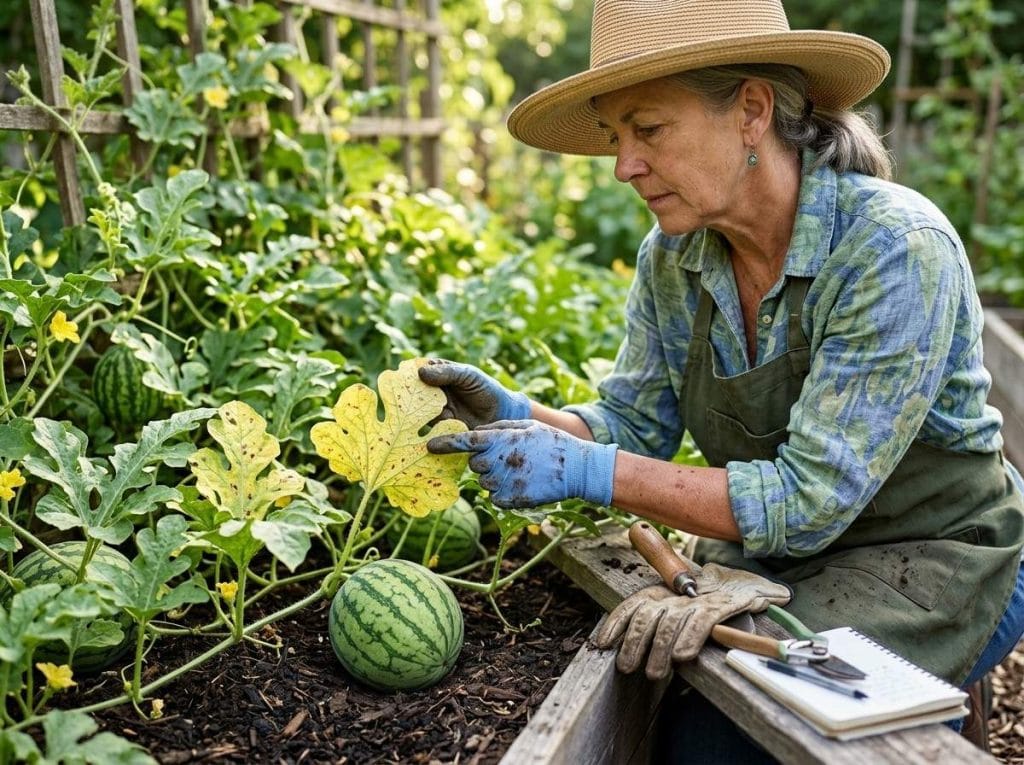
Watermelon plants are a joy for gardeners. Their juicy fruits and sprawling vines bring life to summer gardens. But sometimes, the excitement turns to concern when Watermelon Plant Leaves Turning Yellow becomes noticeable. Yellowing leaves are common and can have several causes, including watering problems, nutrient deficiencies, pests, or disease. If you notice this issue in your garden, understanding the cause is key to protecting your watermelon plants, saving your crop, and maintaining healthy growth.
Yellowing leaves are not just a cosmetic issue. They signal that something is wrong with the plant. Sometimes, it’s a simple fix. Other times, it’s a sign of a deeper problem. In this article, you’ll learn why watermelon plant leaves turn yellow, how to diagnose the issue, and what you can do to solve it.
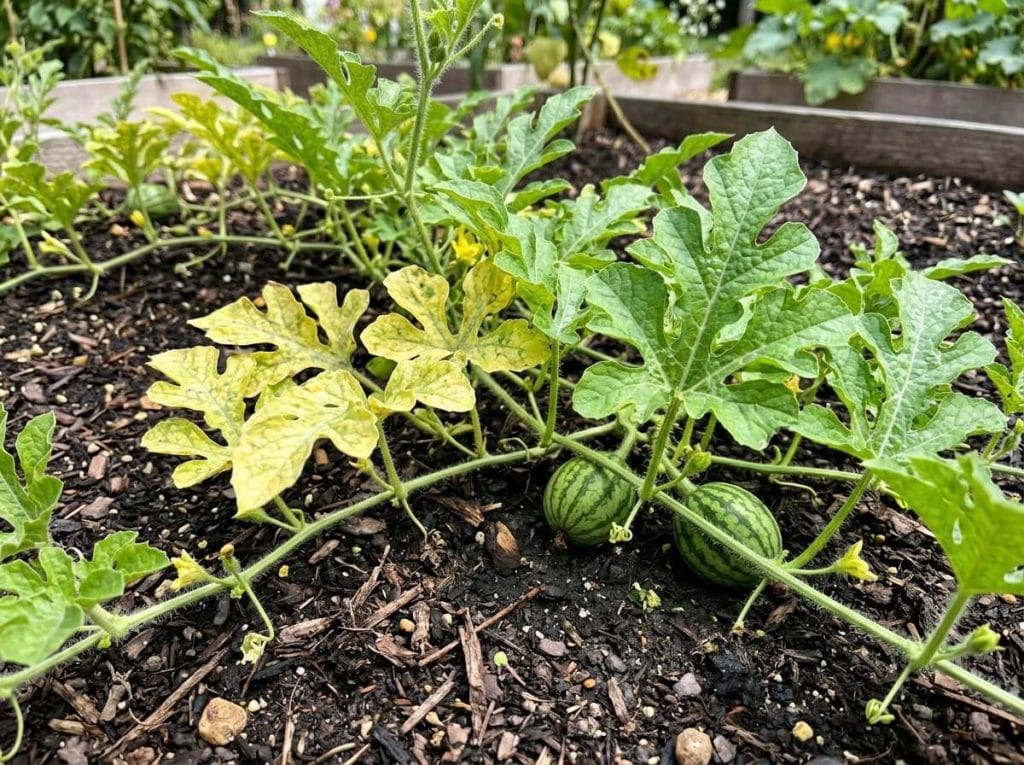
We’ll look at common causes, practical solutions, and expert tips for prevention. Whether you’re a beginner or a seasoned gardener, you’ll find answers here. Let’s get started and help your watermelon plants stay green and healthy.
Yellow leaves on watermelon plants can happen for several reasons. Understanding these reasons helps you find the right solution. Here are the most frequent causes:
Watermelon plants need many nutrients to stay healthy. If they don’t get enough, their leaves can turn yellow. Nitrogen, potassium, and magnesium are the main nutrients that affect leaf color. Nitrogen helps leaves stay green. Potassium supports overall growth. Magnesium is part of chlorophyll, which makes leaves green.
If the soil lacks these nutrients, leaves may turn pale or yellow. Often, the older leaves turn yellow first. This is because the plant moves nutrients from old leaves to new growth.
Both overwatering and underwatering can cause yellow leaves. Watermelon plants like moist, but not soggy, soil. Too much water floods the roots and prevents them from getting oxygen. This causes leaves to yellow and wilt. Too little water makes the plant struggle to take up nutrients.
The right watering schedule depends on your climate and soil. Watermelon roots go deep, so they need regular but not frequent watering.
Fungal diseases like powdery mildew, fusarium wilt, and anthracnose can cause yellow leaves. These diseases attack the plant and block nutrients. Bacterial infections also lead to yellowing and spots.
Insects like aphids, spider mites, and leaf miners suck plant juices. They damage leaves, causing yellow patches and curling.
Weather changes, transplant shock, and poor drainage can stress watermelon plants. Too much sun, cold nights, or wind can turn leaves yellow. If the plant was recently moved or disturbed, yellow leaves may appear as it adjusts.
Watermelon plants prefer a soil pH between 6.0 and 6.8. If the soil is too acidic or alkaline, the plant struggles to absorb nutrients. Even if the soil contains nutrients, the plant cannot use them properly.
Sometimes, yellowing is natural. As watermelon plants mature, older leaves turn yellow and die off. This is not a problem if new leaves are healthy.
Diagnosing yellow leaves is important. You need to check the plant, soil, and environment. Here’s how:
Look at the pattern of yellowing:
Use a soil test kit. This helps you find out if nutrients or pH are low. Soil tests are available at garden centers. Follow the instructions and compare the results with the ideal range for watermelons.
Touch the soil near the roots. If it’s soggy or smells bad, overwatering is likely. If it’s dry and crumbly, the plant may be thirsty.
Check the underside of leaves for insects. Look for webbing, tiny bugs, or eggs. See if there are spots, mold, or strange growths on leaves and stems.
Think about any changes in weather, transplanting, or fertilizer use. These can cause stress.
Watermelon plants need a balanced diet. Here’s how to spot and fix common nutrient problems.
Signs: Older leaves turn pale yellow. Growth slows down. Plants look weak.
Solution: Use a balanced fertilizer with nitrogen. Blood meal, urea, or compost are good sources. Apply as directed, but don’t overdo it—too much nitrogen makes plants grow leaves instead of fruit.
Signs: Leaf edges turn yellow or brown. Plants have poor fruit development.
Solution: Add potassium-rich fertilizer. Wood ash and potassium sulfate work well. Make sure the soil stays moist but not wet.
Signs: Yellowing between leaf veins, but veins stay green.
Solution: Use Epsom salt (magnesium sulfate). Dissolve 1 tablespoon in a gallon of water and spray on leaves or water the soil.
| Nutrient | Symptoms | Correction |
|---|---|---|
| Nitrogen | Pale yellow older leaves | Add nitrogen fertilizer |
| Potassium | Yellow/brown leaf edges | Add potassium fertilizer |
| Magnesium | Yellow between veins | Apply Epsom salt |
Watering is simple, but mistakes are common. Here’s how to avoid problems.
Roots need air. If soil is always wet, roots rot and leaves turn yellow.
If plants don’t get enough water, leaves wilt and turn yellow.
| Issue | Leaf Symptoms | Other Signs |
|---|---|---|
| Overwatering | Yellow, wilted leaves | Root rot, soggy soil |
| Underwatering | Yellow, dry leaves | Dry soil, stunted growth |
Watermelon plants are vulnerable to several diseases. Recognizing them early helps you act fast.
Appearance: White powder on leaves, followed by yellowing.
Fix: Remove affected leaves. Use fungicides approved for watermelons. Improve airflow by spacing plants well.
Appearance: Leaves yellow and wilt, starting at the base.
Fix: There’s no cure. Remove infected plants. Plant resistant varieties in the future.
Appearance: Yellow spots, later turning brown or black.
Fix: Use disease-free seeds. Remove infected leaves. Apply fungicide as directed.
| Disease | Leaf Symptoms | Management |
|---|---|---|
| Powdery Mildew | White powder, yellowing | Fungicide, remove leaves |
| Fusarium Wilt | Yellow, wilted leaves | Remove plants, rotate crops |
| Anthracnose | Yellow spots, brown patches | Fungicide, remove leaves |
Insects can quickly damage watermelon plants. Here’s what to look for and how to control them.
Signs: Small green, black, or gray bugs on leaves. Leaves curl and turn yellow.
Solution: Spray plants with water to knock off aphids. Use insecticidal soap if needed. Encourage ladybugs, which eat aphids.
Signs: Fine webbing on leaves. Yellow, speckled leaves.
Solution: Increase humidity around plants. Use miticides or insecticidal soap.
Signs: Tunnels in leaves, yellow patches.
Solution: Remove affected leaves. Use neem oil.
Broad-spectrum insecticides kill beneficial insects, too. This can make pest problems worse later. Use targeted solutions and manual removal when possible.
Soil pH controls how well plants absorb nutrients. If it’s off, leaves turn yellow.
Watermelon grows best in soil with pH 6.0–6.8.
If your soil pH is 5. 5, the plant won’t absorb magnesium well. Leaves turn yellow even if you add fertilizer. Adjust the pH first, then feed the plant.
Weather, temperature, and garden conditions affect watermelon plants.
Watermelons need full sun—at least 8 hours daily. Too little sun causes yellow leaves.
Watermelons like warm weather. Cold spells or rapid changes can shock plants and cause yellowing.
Strong winds dry out leaves. Moving plants can stress roots. Both cause temporary yellowing.
If yellowing happens after a cold night or windy day, give the plant time to recover. Protect young plants with row covers.
Not all yellow leaves mean trouble. As plants grow, older leaves die and turn yellow. If new leaves are healthy and the plant is flowering or fruiting, don’t worry.
Preventing yellow leaves is easier than fixing them. Here’s how to keep your plants strong:
A gardener in Texas noticed yellowing leaves after a heavy rain. The soil was wet for days. After checking, she found the roots were rotting. She removed affected plants, improved drainage, and planted disease-resistant watermelon next season. Her new crop stayed healthy.
Watermelon, cantaloupe, and honeydew can all get yellow leaves, but causes may differ. Here’s a quick comparison:
| Melon Type | Common Yellow Leaf Cause | Unique Sensitivity |
|---|---|---|
| Watermelon | Nutrient deficiency, root rot | Very sensitive to soil pH |
| Cantaloupe | Powdery mildew, aphids | More tolerant of dry soil |
| Honeydew | Fusarium wilt, spider mites | Needs consistent moisture |
Not every yellow leaf is a crisis. If you see a few yellow leaves at the base, and the plant is growing well, it’s probably natural aging. But if yellowing spreads quickly, or affects new leaves, act fast.
If you see yellow leaves, here’s a practical approach:
The right fix depends on the cause. Always start with a soil test and close inspection. Don’t rush to use chemicals or fertilizers without knowing the problem. Many issues require simple adjustments, like changing watering or improving airflow.
For more detailed information, you can visit Gardening Know How. This site offers expert advice and real-world solutions for watermelon plant problems.

Yellow leaves can be caused by nutrient deficiency, water problems, disease, pests, environmental stress, or natural aging. Check soil, watering habits, and look for pests to find the cause.
Start by testing the soil for nutrients and pH. Adjust watering if soil is too dry or wet. Remove diseased leaves and treat for pests if needed. Use balanced fertilizer and mulch to prevent future issues.
Sometimes, yes. If yellowing is from mild nutrient or water issues, leaves may recover. But if leaves are badly damaged or diseased, they won’t turn green again. Focus on helping new growth stay healthy.
No. While disease can cause yellow leaves, so can nutrient problems, water issues, and aging. If only old leaves are yellow, and the plant is growing well, it may be natural.
Water deeply once or twice a week, depending on weather and soil type. Avoid shallow, frequent watering. Adjust if leaves show signs of yellowing from dryness or overwatering.
Keeping your watermelon plants healthy takes patience and care. Spotting yellow leaves early and knowing how to act makes all the difference. With these tips, you’re ready to grow strong, green, and fruitful watermelon vines—season after season.