Gardening Made Simple.
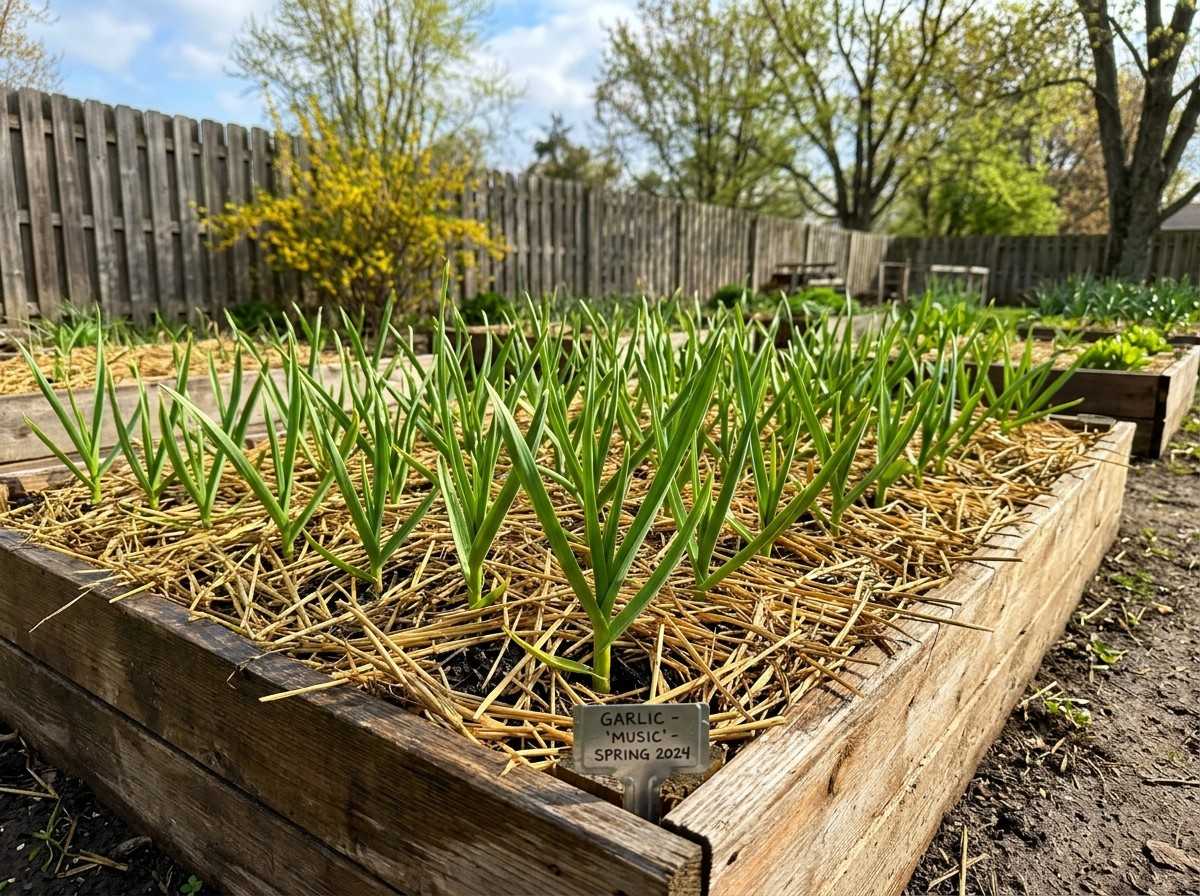
Growing garlic in Illinois is a rewarding experience. You get fresh bulbs, save money, and enjoy flavors you can’t find in stores. But knowing when to plant garlic in Illinois is critical. If you plant at the wrong time, your garlic may be small, sickly, or fail to grow at all. This guide gives you clear advice, practical timing tips, and expert insights that help you succeed—whether you grow garlic for the first time or want better results this season.
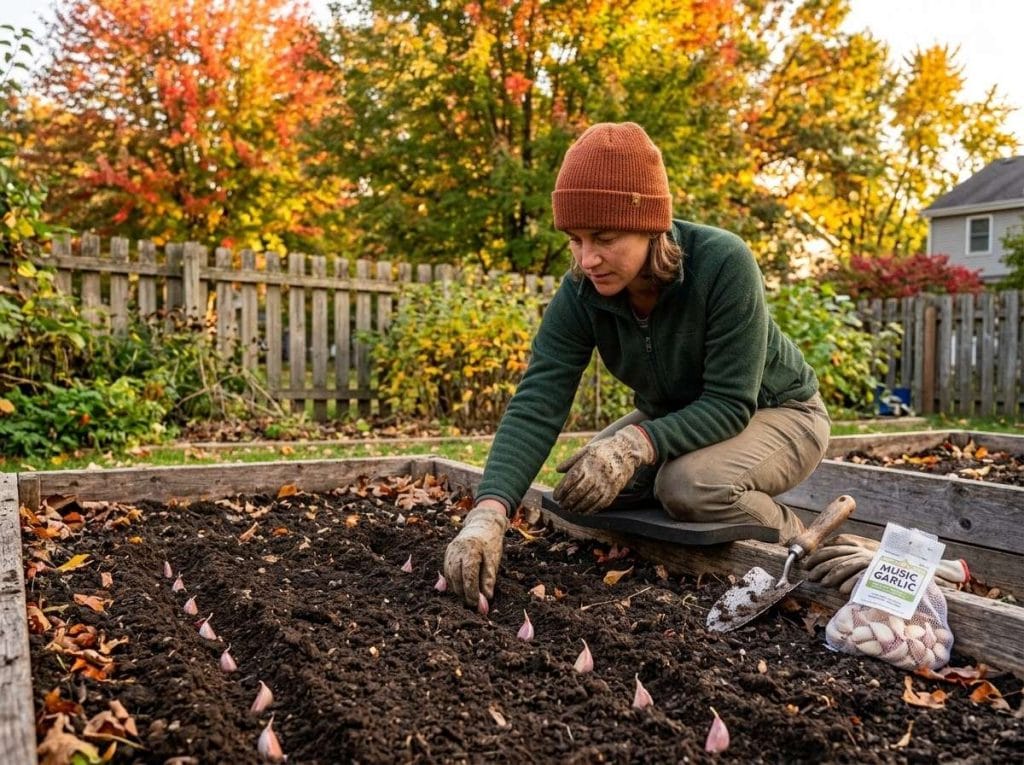
Garlic is different from most garden vegetables. You don’t plant it in spring like tomatoes or beans. Instead, garlic needs a period of cold (vernalization) to form large bulbs. If you plant too early or too late, the cloves won’t develop properly.
Illinois has a varied climate. In the north, winters can be harsh and long. In the south, they are milder. The timing for planting garlic must match your local weather. Planting at the right moment helps your garlic survive winter, grow strong roots, and produce big bulbs.
Most gardeners make the mistake of planting garlic when they plant their other crops. This is a common error. Garlic thrives when you understand its special needs.
The best time to plant garlic in Illinois is fall—not spring. For most regions, this means planting between mid-September and mid-November.
In places like Chicago, Rockford, and the northern counties, the cold arrives early. Aim to plant garlic from late September to mid-October. This gives the bulbs time to grow roots before winter freezes the soil.
In areas such as Peoria, Springfield, and Bloomington, you get a slightly longer window. Plant from early October to late October. Adjust your timing if you notice early frost forecasts.
Southern cities like Carbondale and Belleville have milder winters. You can plant garlic from mid-October to mid-November. The soil stays workable longer, so you don’t have to rush.
Garlic cloves root best when soil temperatures are 50°F–60°F. You don’t need a fancy thermometer—just know that this happens as daytime highs fall to the 60s and nights dip into the 40s. Planting when soil is still warm but cooling is ideal.
You might wonder if you can plant garlic in spring. Technically, yes—you can. But the results aren’t great in Illinois. Spring-planted garlic often yields smaller bulbs because it misses the cold period needed for proper development.
If you must plant in spring:
Fall planting remains the best choice for Illinois gardeners.
There are two main types: hardneck and softneck garlic. Each type has pros and cons for Illinois’ climate.
| Type | Best for | Winter Hardiness | Flavor | Storage |
|---|---|---|---|---|
| Hardneck | Northern & Central Illinois | Excellent | Bold, complex | Short (4-6 months) |
| Softneck | Southern Illinois | Moderate | Milder | Long (6-10 months) |
Hardneck garlic is best for colder areas because it survives freezing winters. It grows a central stem (scape), which you can harvest for cooking. Hardneck varieties include ‘Music’, ‘German Extra Hardy’, and ‘Chesnok Red’.
Softneck garlic works well in southern Illinois or mild winters. It doesn’t produce scapes and is easier to braid. Common types are ‘Inchelium Red’ and ‘California Early’.
When buying garlic to plant, avoid supermarket bulbs. These may be treated to prevent sprouting or carry diseases. Buy certified seed garlic from local nurseries or trusted suppliers.
Many beginners ignore local climate. This is a mistake. Matching garlic type to your region gives you better yields.
Garlic loves loose, rich, well-drained soil. Heavy clay, common in Illinois, needs improvement before planting.
| Region | Common Soil Issue | Recommended Fix |
|---|---|---|
| Northern Illinois | Heavy clay | Compost & sand |
| Central Illinois | Compacted soil | Loosening & compost |
| Southern Illinois | Variable (loam/clay) | Adjust as needed |
Non-obvious tip: If your garden floods in spring, plant garlic in a raised bed or mound. Waterlogged soil causes garlic rot.
Planting garlic is simple but requires attention to detail. Here’s how to do it:
Illinois winters can be unpredictable. Mulch acts as a blanket, keeping soil temperature steady. It also prevents cloves from heaving out of the soil during freeze-thaw cycles.
Bonus insight: Mulch also stops spring weeds, which compete with young garlic shoots.
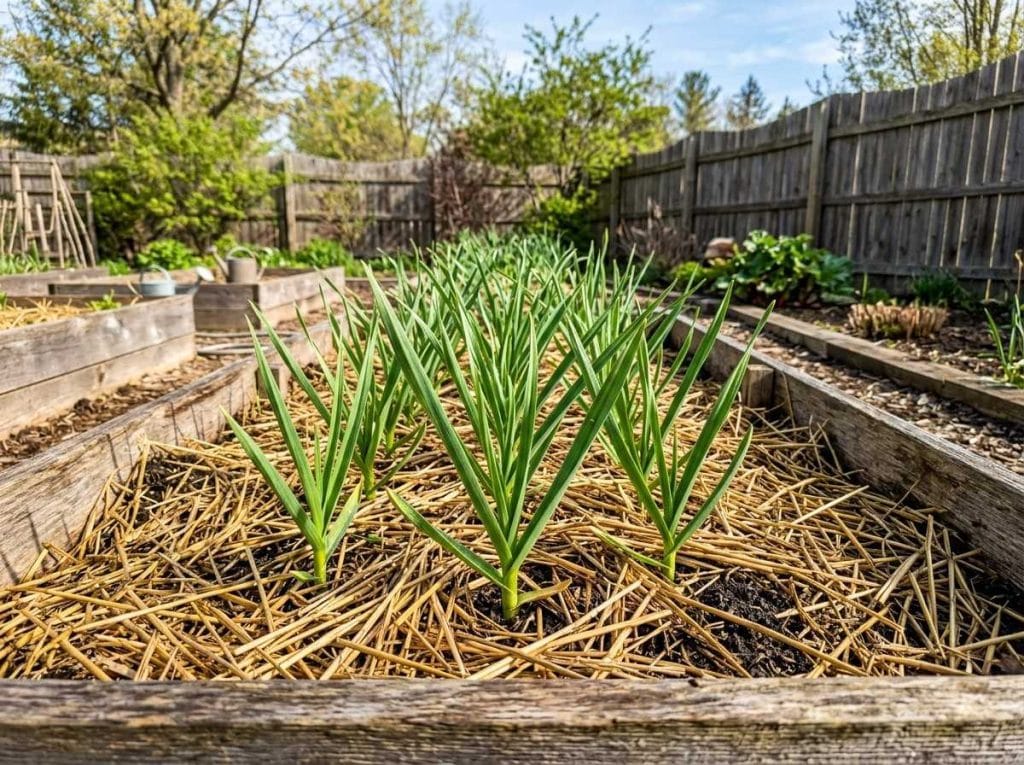
After planting, garlic needs minimal care through winter. But a few steps help ensure survival:
When spring arrives, garlic shoots emerge. This is a good sign. Remove thick mulch so shoots can grow easily, but leave a thin layer to suppress weeds.
Garlic grows slowly at first. Don’t worry if it looks small in early spring.
Many gardeners make mistakes that reduce their garlic harvest. Avoid these errors:
Non-obvious mistake: Some gardeners water heavily after planting. Garlic dislikes soggy soil in winter.
You have many choices, but some varieties thrive especially well in Illinois’ climate.
Buy from trusted sources. Avoid bulbs from warm regions that lack winter hardiness.
Knowing when to harvest is as important as knowing when to plant. In Illinois, garlic is ready mid-June to mid-July, depending on the variety and weather.
Use a garden fork to lift bulbs gently. Don’t pull by hand—this damages the stalks.
Once harvested, garlic needs curing. Hang bulbs in a dry, airy place for 2–3 weeks. After curing:
Hardneck garlic stores for 4–6 months. Softneck garlic lasts up to 10 months.
Illinois’ climate affects garlic growth. Here’s a summary of average frost dates:
| Region | Average First Frost | Average Last Frost | Best Planting Window |
|---|---|---|---|
| Northern Illinois | Oct 10–Oct 20 | Apr 25–May 10 | Late Sep–Mid Oct |
| Central Illinois | Oct 20–Oct 30 | Apr 15–Apr 30 | Early–Late Oct |
| Southern Illinois | Nov 1–Nov 10 | Apr 1–Apr 15 | Mid Oct–Mid Nov |
These dates help you plan. If frost comes early, plant sooner. If autumn is warm, you have more time.
Want bigger bulbs and better flavor? Try these expert tips:
Hidden insight: If you want to grow garlic organically, focus on crop rotation and mulching. These control weeds and pests naturally.
Garlic is a great companion plant. It repels pests and helps neighboring crops. Plant garlic near:
Avoid planting garlic near beans or peas. They don’t grow well together.
Local nurseries and farm supply stores sell seed garlic. You can also buy online from reputable sites. One reliable source for garlic planting advice and supplies is University of Illinois Extension.
Plant garlic in Illinois during fall, usually between mid-September and mid-November. Adjust the timing based on your region: northern areas plant earlier, southern areas later.
It’s not recommended. Grocery store garlic is often treated to prevent sprouting and may carry disease. Use certified seed garlic from trusted sources.
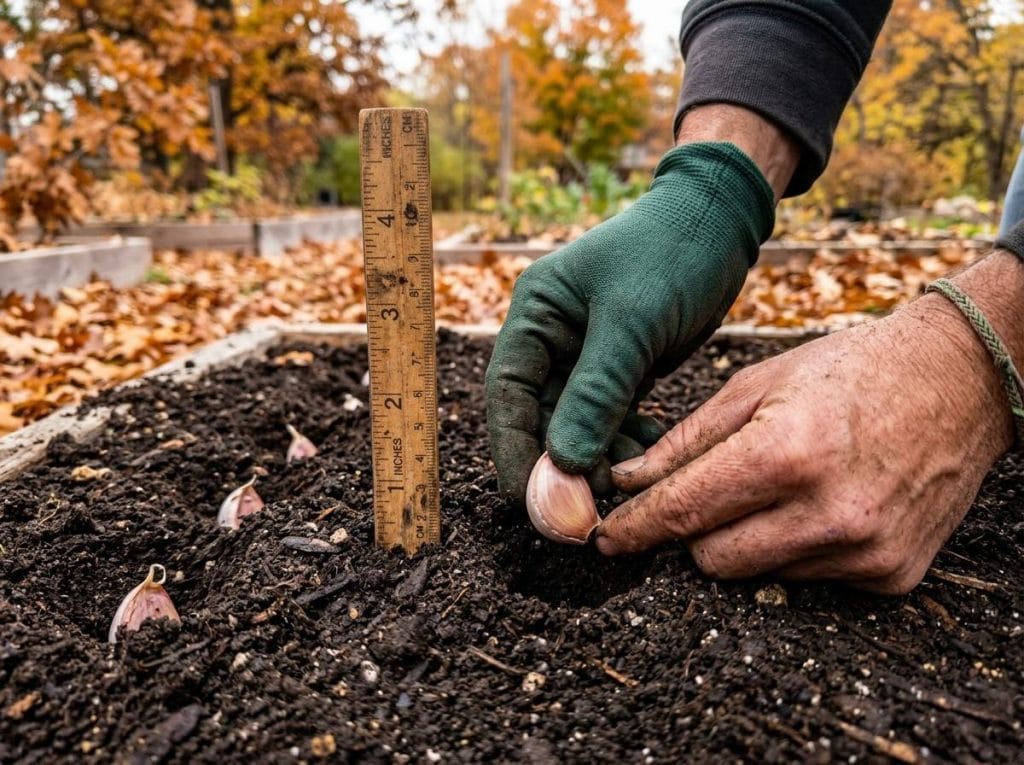
Plant each clove 2 inches deep, with the pointed end facing up. Cover with soil and mulch well for winter protection.
Use straw, shredded leaves, or grass clippings. Avoid heavy wood chips, which can block shoots in spring. Mulch helps protect garlic from cold and keeps weeds down.
Harvest when lower leaves turn brown and upper leaves remain green—usually mid-June to mid-July in Illinois. Bulbs should feel firm and have formed skins.
Planting garlic in Illinois is simple when you know the right timing and methods. The key is to plant in fall, use the correct type for your region, and care for your bulbs through winter and spring. With these tips, you’ll enjoy a harvest of flavorful, healthy garlic that’s better than anything from the store.
Whether you’re a first-time grower or a seasoned gardener, following this guide ensures your garlic thrives in Illinois’ unique climate.