Gardening Made Simple.
When to Plant Garlic in Michigan is one of the most important questions gardeners ask to ensure a healthy, productive harvest. Planting garlic in Michigan is more than just digging a hole and dropping a bulb. It’s about choosing the right timing, understanding the local climate, preparing the soil, and using proven techniques to grow bigger, more flavorful bulbs.
If you’re wondering when to plant garlic in Michigan, this guide will walk you through the best planting time, essential growing tips, and common mistakes to avoid for a successful garlic harvest.
This guide covers everything you need to know, from the best season to plant garlic in Michigan, to tips for higher yields, and answers to the most common questions. Let’s dive in and make your garlic crop a success.
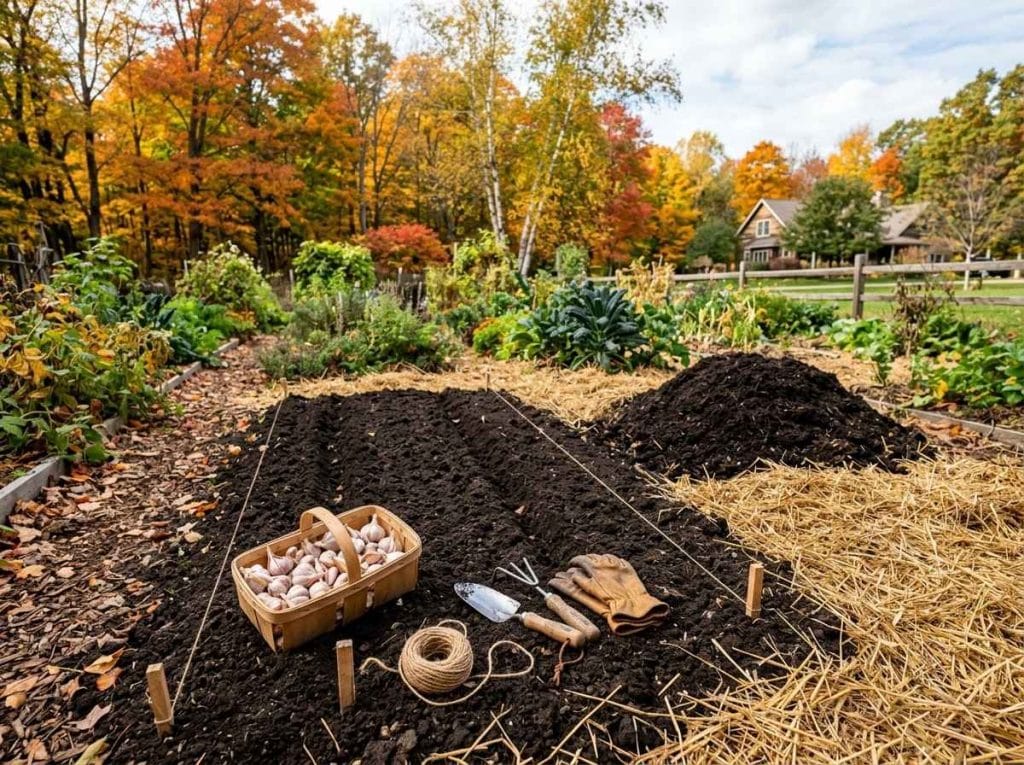
Michigan’s climate is special. Winters are cold, summers are warm, and spring can be unpredictable. Garlic grows best in climates with cold winters and moderate springs. This is why Michigan is a great place for garlic—if you plant at the right time.
Michigan has two main climate zones:
Garlic needs a period of cold (called vernalization) to grow large bulbs. If you miss this cold period, garlic won’t develop properly. That’s why timing is everything.
The best time to plant garlic in Michigan is fall, usually from mid-September to late October. Planting in fall gives garlic enough time to set roots before winter. When spring arrives, garlic starts growing quickly.
Why fall planting works:
Planting too early can cause sprouts to appear before winter, which may be damaged by frost. Planting too late means roots won’t develop enough before the ground freezes.
Here’s a general timeline for planting garlic in Michigan:
| Region | Recommended Planting Dates | Average First Frost |
|---|---|---|
| Southern Michigan | September 25 - October 20 | October 15 - 25 |
| Central Michigan | October 1 - October 25 | October 10 - 20 |
| Northern Michigan | October 5 - October 30 | October 5 - 15 |
| Upper Peninsula | September 20 - October 10 | September 30 - October 10 |
Always check your local frost dates. Plant garlic 2-3 weeks before the ground freezes. You want roots to grow, but not shoots.
Not all garlic is the same. In Michigan, you need varieties that handle cold winters.
Hardneck garlic is best for Michigan. It has a stiff stem, grows well in cold, and produces big cloves.
Popular types:
Softneck garlic grows well in warmer places. It’s not ideal for Michigan’s cold, but can work in the southern parts.
Hardneck garlic is more reliable for Michigan. It also produces scapes (curly flower stems), which are a tasty bonus.
Good preparation is key to healthy garlic. Garlic likes loose, well-drained soil and lots of sunlight.
Pick a spot with full sun. Garlic needs at least 6 hours of sunlight daily. Avoid places where onions, garlic, or other alliums grew recently (rotate crops to prevent disease).
Here’s a simple comparison of soil amendments:
| Amendment | Purpose | How to Use |
|---|---|---|
| Compost | Boosts nutrients, improves drainage | 2-3 inches mixed in before planting |
| Lime | Raises soil pH | Add if pH is below 6.0 |
| Sulfur | Lowers soil pH | Add if pH is above 7.0 |
| Sand | Improves drainage | Mix into heavy clay soils |
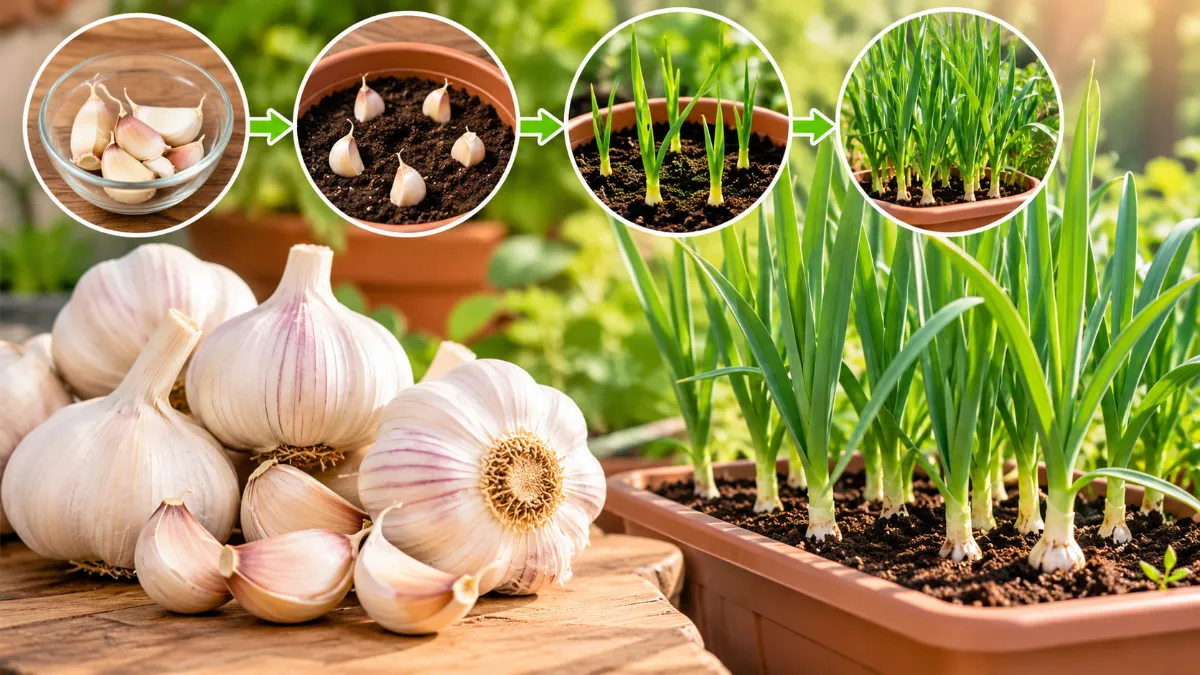
Planting garlic is simple, but a few steps matter a lot.
Mulch is very important in Michigan. It protects garlic from deep freezes and keeps weeds away.
After planting, water well. Garlic needs moist soil, not soggy. Once the ground freezes, stop watering.
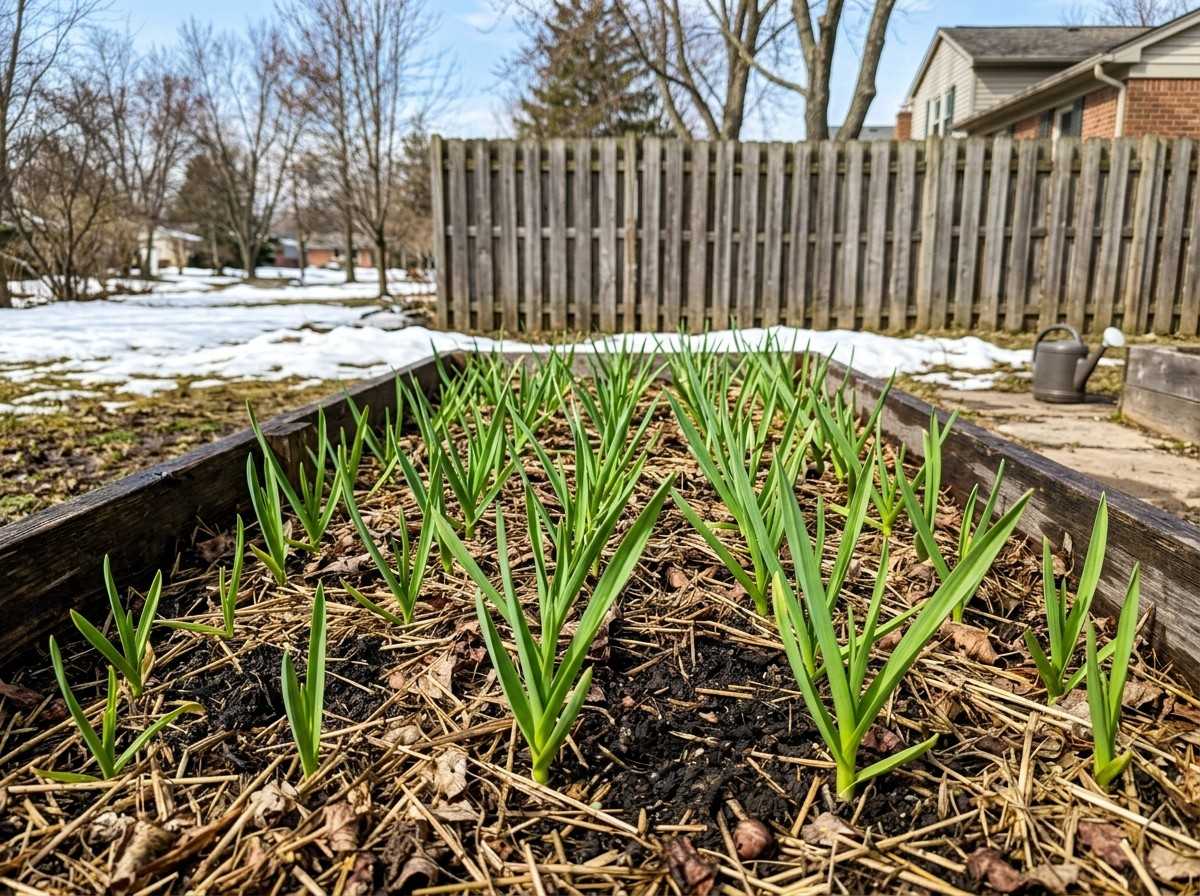
Once garlic is planted and mulched, it goes dormant in winter. Roots keep growing, but nothing shows above ground.
In spring, garlic wakes up and shoots appear. Remove thick mulch slowly so shoots can grow.
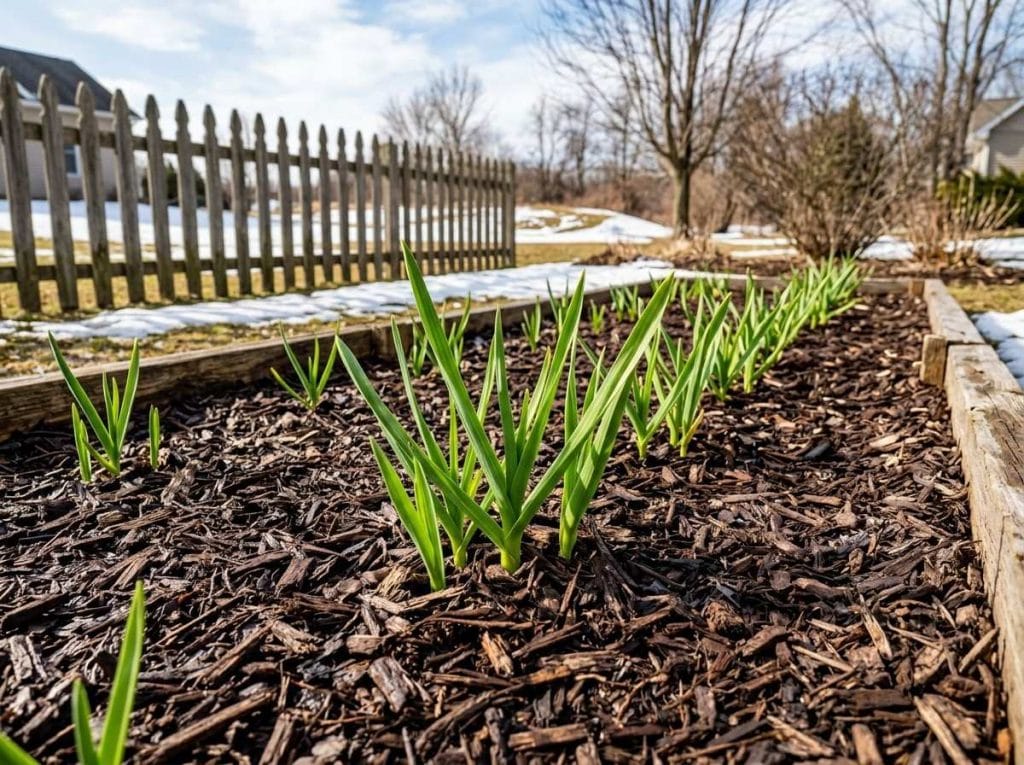
Spring is when garlic starts growing fast. Here’s how to care for your garlic:
Keep weeds out. Garlic doesn’t compete well. Mulch helps, but hand-pull any weeds you see.
Hardneck garlic grows scapes (curly flower stems) in early summer. Remove scapes when they appear. This directs energy to the bulb, not the flower.
Harvest time depends on when you planted and which variety you chose.
Harvest usually happens from mid-July to early August in Michigan.
Curing is drying garlic so it stores well.
Proper curing keeps garlic fresh for months.
Good storage is important. Michigan’s humidity can cause garlic to rot.
Hardneck garlic stores for 4-6 months. Softneck garlic can last up to 9 months.
Many beginners make simple mistakes. Here’s how to avoid them.
One insight most beginners miss: garlic needs cold to make big bulbs. If you plant in spring, you’ll get small bulbs or no bulbs at all.
Another key tip: removing scapes boosts bulb size. Many people leave scapes on, but they take energy away from the bulb.
How much garlic can you expect? Yield depends on variety, care, and weather.
On average:
Climate and soil can affect yield. In mild winters, garlic may grow larger bulbs. In harsh winters, good mulch is critical.
Here’s a comparison of hardneck and softneck garlic yields in Michigan:
| Type | Average Yield (bulbs/lb seed) | Storage Life (months) | Recommended Region |
|---|---|---|---|
| Hardneck | 8-10 | 4-6 | All regions |
| Softneck | 10-12 | 6-9 | Southern Michigan |
A non-obvious insight: Some microclimates in Michigan (like lakeshore areas) have milder winters. Here, you can plant later and grow softneck garlic more easily.
Another tip: If spring comes early, watch for garlic shoots popping up. Protect them from late frosts by covering with mulch or row covers.
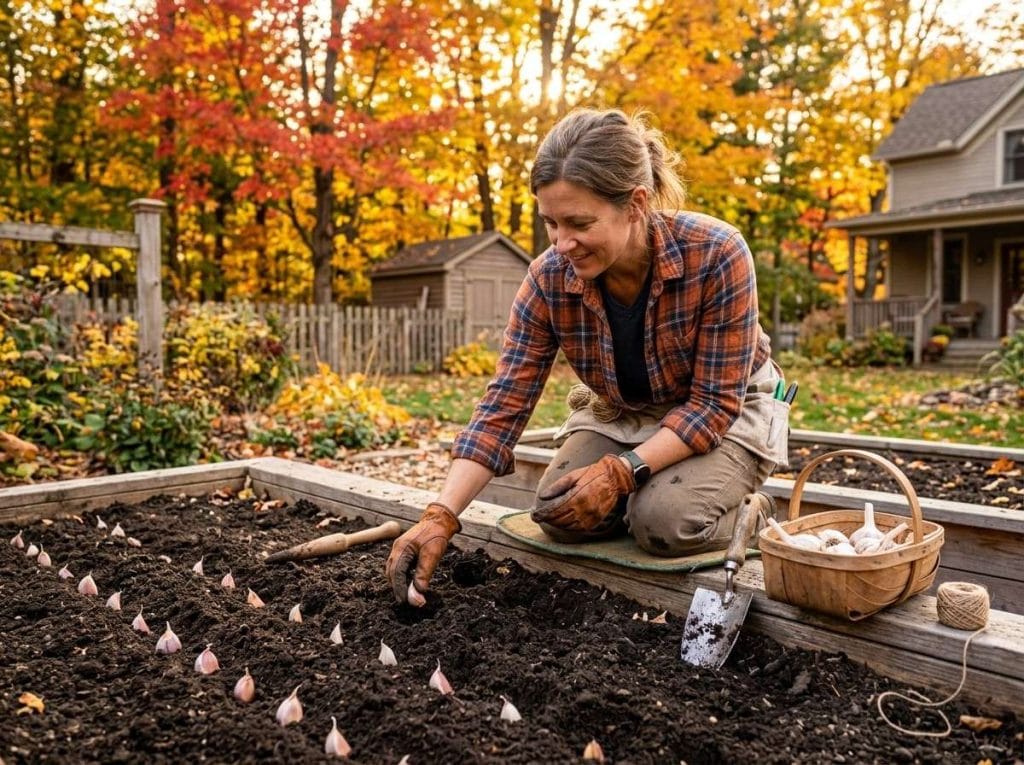
Plant garlic in Michigan from mid-September to late October. Aim for about 2-3 weeks before the ground freezes. This gives garlic time to grow roots before winter.
Hardneck garlic is best for Michigan’s cold winters. Varieties like Rocambole, Porcelain, and Purple Stripe grow well and produce big bulbs.
It’s not recommended. Grocery store garlic is often treated to stop sprouting. Always use certified seed garlic from a reputable supplier to avoid disease and poor growth.
Harvest when about one-third to half of the leaves turn yellow or brown. In Michigan, this is usually mid-July to early August. Check bulbs for firmness before harvesting.
Mulching after planting is the most important step. Mulch protects bulbs from Michigan’s cold winters, helps retain soil moisture, and keeps weeds down.
Growing garlic in Michigan is simple if you follow the right timing and care steps. With a little planning, you’ll enjoy homegrown garlic that’s tastier and fresher than anything from the store. For more on cold-climate garlic growing, see the Michigan State University Extension. Happy planting!