Gardening Made Simple.
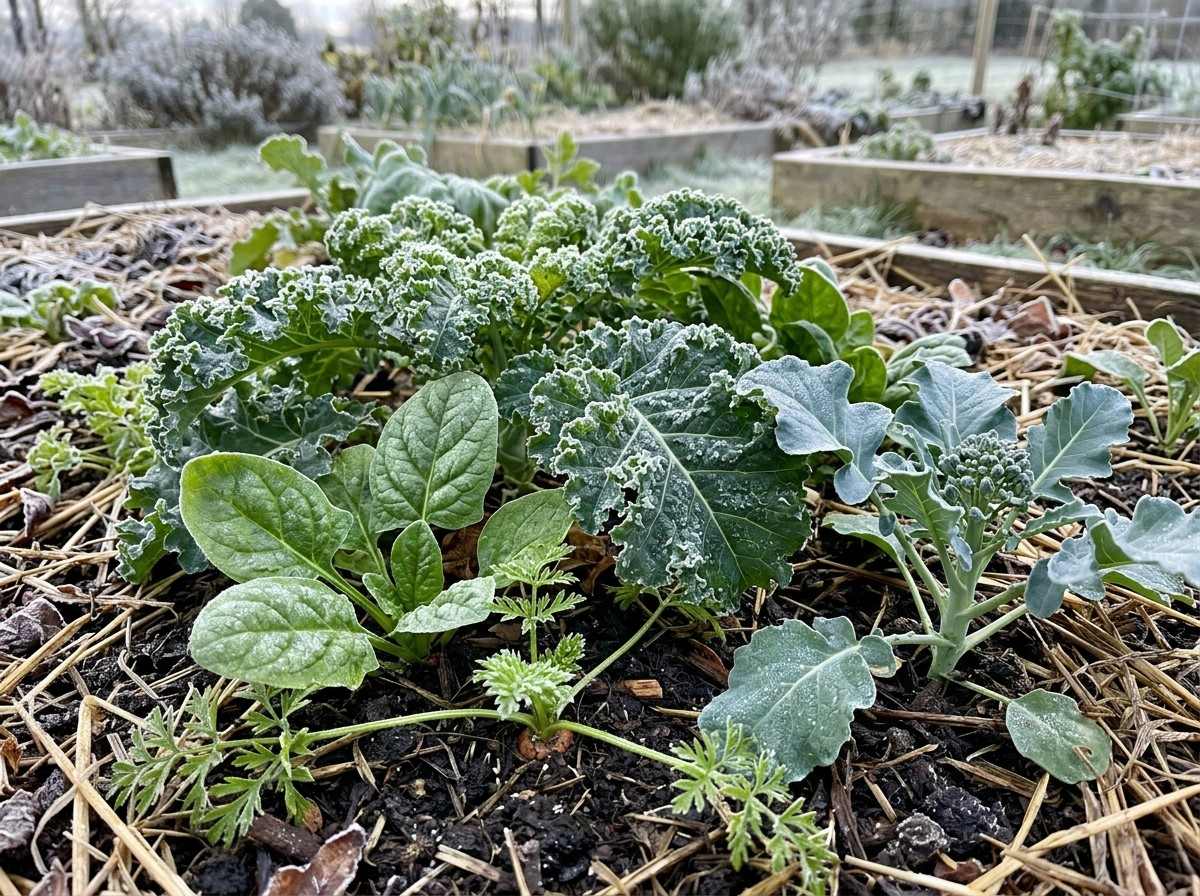
Imagine harvesting fresh vegetables in the coldest months, when grocery store produce is expensive and often lacks flavor. Creating a vegetable garden for winter is a rewarding way to enjoy homegrown food year-round. With the right planning, you can produce crisp greens, sweet carrots, and other hardy vegetables even when frost covers the ground. This guide will walk you through everything you need to know, from choosing crops and preparing soil to protecting plants and maximizing yields.
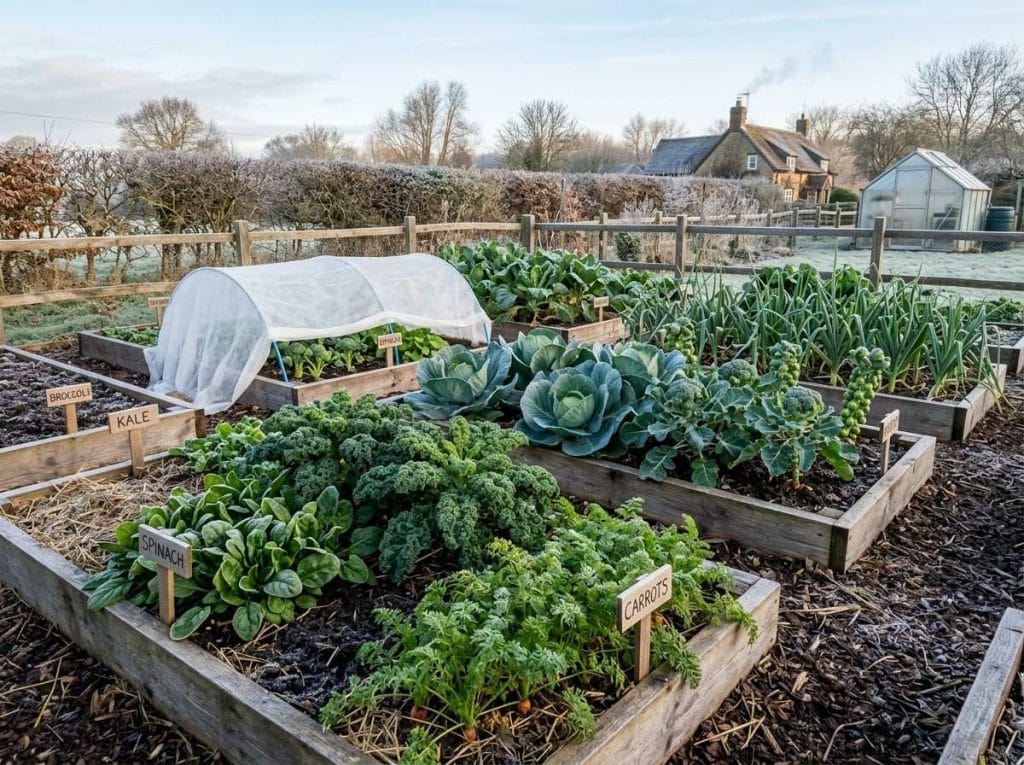
Gardening in winter is not only possible—it’s practical. Fresh vegetables are healthier, taste better, and cost less when you grow them yourself. Winter gardens also make use of land that would otherwise sit empty, and they encourage sustainable living. Most importantly, you gain control over what you eat, avoiding pesticides and getting vegetables at their peak nutrition.
A winter vegetable garden helps stretch your growing season, reduces grocery bills, and brings a sense of accomplishment. It’s also a great way to stay active and connected to nature during colder months.
Success starts with careful planning. Winter gardening requires a different approach than summer planting, mainly because cold temperatures and shorter days change how plants grow.
Knowing your USDA Hardiness Zone is crucial. Zones tell you the average minimum temperature in your area. For example, gardeners in zones 6–8 can grow many winter vegetables outdoors, while zones 3–5 need more protection or indoor growing methods.
Check your local frost dates. The first fall frost signals when to start planting winter crops, and the last spring frost marks when the winter garden ends.
Choose a spot that gets maximum sunlight, especially in winter when days are short. South-facing beds or gardens near light-colored walls can help reflect sunlight and keep temperatures up. Avoid low spots where cold air settles, as frost can damage your plants.
Decide how much time you can spend. Winter gardening is less demanding than summer, but you’ll still need to monitor weather, water, and check for pests. Start with a small bed or raised container if you’re new to winter gardening.
Not all vegetables thrive in cold weather. Some are naturally hardy and can withstand frost, while others need protection. Here are top choices for a winter vegetable garden:
Some vegetables, like broccoli and cauliflower, can be grown in mild winters but need covers in colder regions.
| Vegetable | Minimum Temperature | Notes |
|---|---|---|
| Spinach | 20°F (-6°C) | Handles frost, slow growth in deep winter |
| Kale | 10°F (-12°C) | Improves flavor after frost |
| Carrots | 15°F (-9°C) | Sweetens in cold soil |
| Leeks | 0°F (-18°C) | Very hardy, needs mulch |
| Brussels sprouts | 20°F (-6°C) | Best if planted early |
Cold weather slows down soil activity, so preparation is key. Healthy soil keeps roots warm and supports growth.
Remove summer crops, weeds, and debris. Add compost or well-rotted manure to boost nutrients. Winter vegetables need less fertilizer, but rich soil helps them survive stress.
Cover soil with organic mulch, like straw or leaves. Mulch insulates roots, prevents soil from freezing, and keeps moisture in. Aim for 2–4 inches of mulch.
Wet soil freezes faster and can rot roots. If your garden floods, raise beds or add sand to improve drainage. Healthy winter soil is loose and crumbly.
How you plant matters as much as what you plant. Timing, spacing, and protection all affect winter yields.
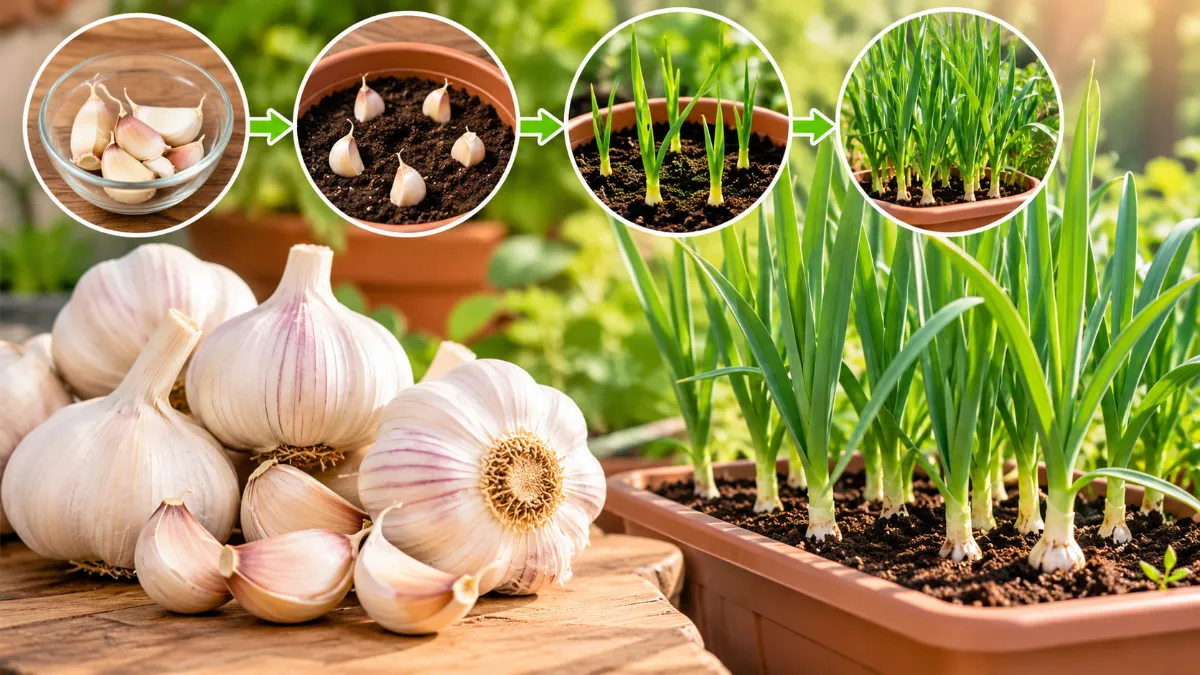
Start most winter crops in late summer or early fall, about 6–8 weeks before your first expected frost. Some, like garlic and onions, are planted in late fall.
Direct seeding is best for hardy vegetables like carrots and radishes. Transplant young plants for greens like lettuce and chard, especially if you use cold frames.
Leave extra space between plants. Dense planting increases disease risk and reduces airflow. For example, space kale 12–18 inches apart and carrots 2–4 inches apart.
Winter weather can be harsh, so use simple protection to extend your season.
| Protection Method | Cost | Best For |
|---|---|---|
| Row covers | $10–$30 | Greens, root crops |
| Cold frames | $50–$200 | Lettuce, spinach |
| Hoop houses | $200–$1000 | Multiple beds, advanced gardens |
Winter gardens need less attention, but a few key tasks keep your crops healthy.
Plants grow slowly and need less water, but don’t let soil dry out completely. Water in the morning to avoid freezing roots overnight. If rain is regular, you may not need to water often.
Cold weather reduces pests, but some, like slugs and mice, can still cause trouble. Check under mulch and row covers for signs. Remove damaged leaves and use organic traps if needed.
Good airflow and clean beds are vital. Avoid overwatering and keep mulch loose. Most winter diseases are fungal, so watch for mold and treat early.
Pick vegetables when they’re mature, not when you want them to grow bigger. Cold slows growth, so harvesting on warmer days prevents frozen produce. Many winter veggies, like carrots and kale, can stay in the ground until you need them.
Every garden has warmer and colder spots. Near stone walls or under trees, temperatures may be higher. Plant tender crops in these microclimates for better survival.
If your climate is too cold for outdoor gardening, try indoor or container growing. Windowsills, garages, and basements can work with the right setup.
Plant spinach in a 10-inch container, place it under a grow light for 12 hours a day, and water when the soil feels dry. You’ll harvest leaves in 4–6 weeks.
Many beginners overwater indoor plants, causing root rot. Check soil moisture before watering.
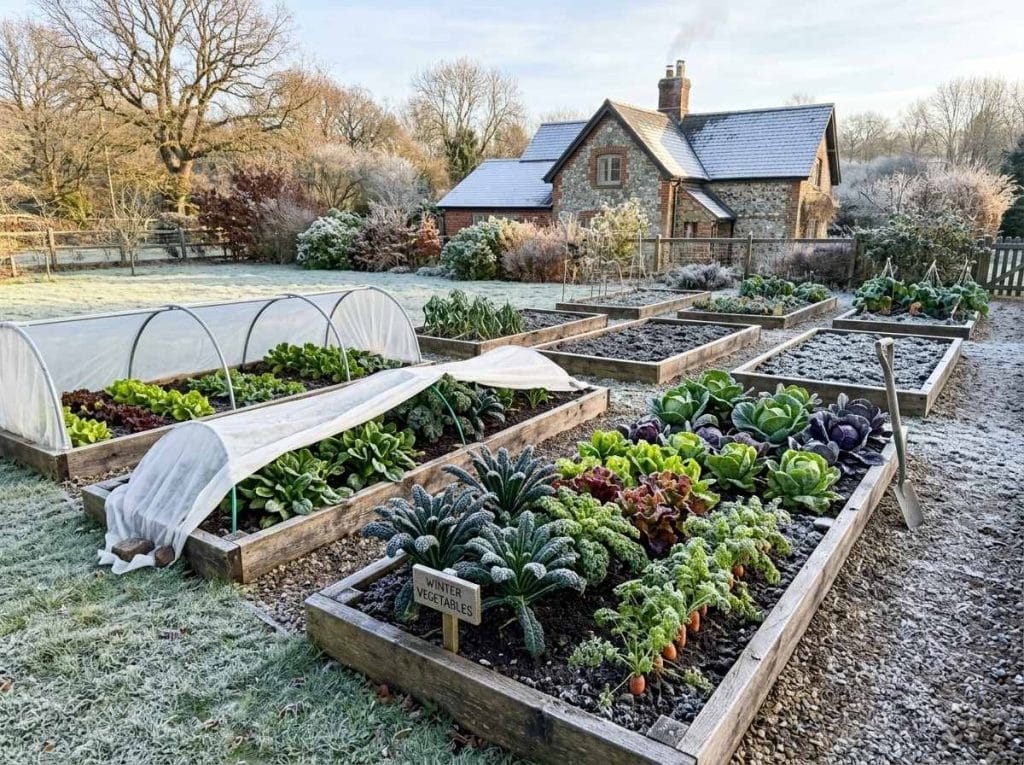
Keeping your garden productive during winter means staying alert and flexible.
Winter gardening is a race against daylight. Planting too late means vegetables won’t mature before cold sets in. Use a calendar to count back from your first frost date.
Winter gardens can produce surprising amounts if managed well. Here’s how to boost your harvest:
Plant new seeds every few weeks in fall. This ensures a steady supply as older plants slow down. For example, sow radishes every two weeks from September to November.
Pair crops that help each other grow. For example, plant garlic near lettuce—garlic deters pests, and lettuce matures quickly.
Cut outer leaves from greens, leaving the center to grow. Pull carrots and turnips gently to avoid breaking roots.
A 100-square-foot winter garden can produce:
This is enough to feed a family of four with fresh vegetables all winter.
| Crop | Yield (lbs) | Harvest Time |
|---|---|---|
| Kale | 30 | Oct–Mar |
| Carrots | 20 | Nov–Feb |
| Spinach | 15 | Oct–Jan |
| Turnips | 10 | Dec–Feb |
Sometimes, temperatures drop below what even hardy vegetables can handle. Here’s how to cope:
Add a second layer of row covers or use thicker materials. Some gardeners use old blankets or plastic sheets during extreme cold snaps.
Use water bottles filled with warm water inside cold frames. They release heat slowly and protect plants from freezing.
If a sudden freeze is forecast, harvest as much as possible. Store vegetables in a cool, dark place—root cellars work best.
In zone 5, a cold frame covered with a blanket can keep soil 10°F warmer than the air outside, saving lettuce and spinach during a winter storm.
Winter gardening is an opportunity to practice sustainability.
Use kitchen scraps and garden waste to make compost. Add it to beds before winter planting, improving soil and reducing waste.
Collect rainwater in barrels for winter watering. Cold weather means less evaporation, so you need less water overall.
Build cold frames from old windows or repurpose plastic bottles for protection. This reduces costs and environmental impact.
Change plant locations each year to prevent nutrient depletion and disease buildup.
Even experienced gardeners make mistakes. Here are some to watch out for:
If you’re unsure, try a small winter garden first. Learn what works, then expand next year.
Different parts of the US require different approaches.
In Georgia (zone 8), gardeners plant winter lettuce in October and harvest until March, using only light row covers.
Learning from experts and fellow gardeners can help you succeed.
A helpful resource is the USDA Plant Hardiness Zone Map, which shows climate data for your area.
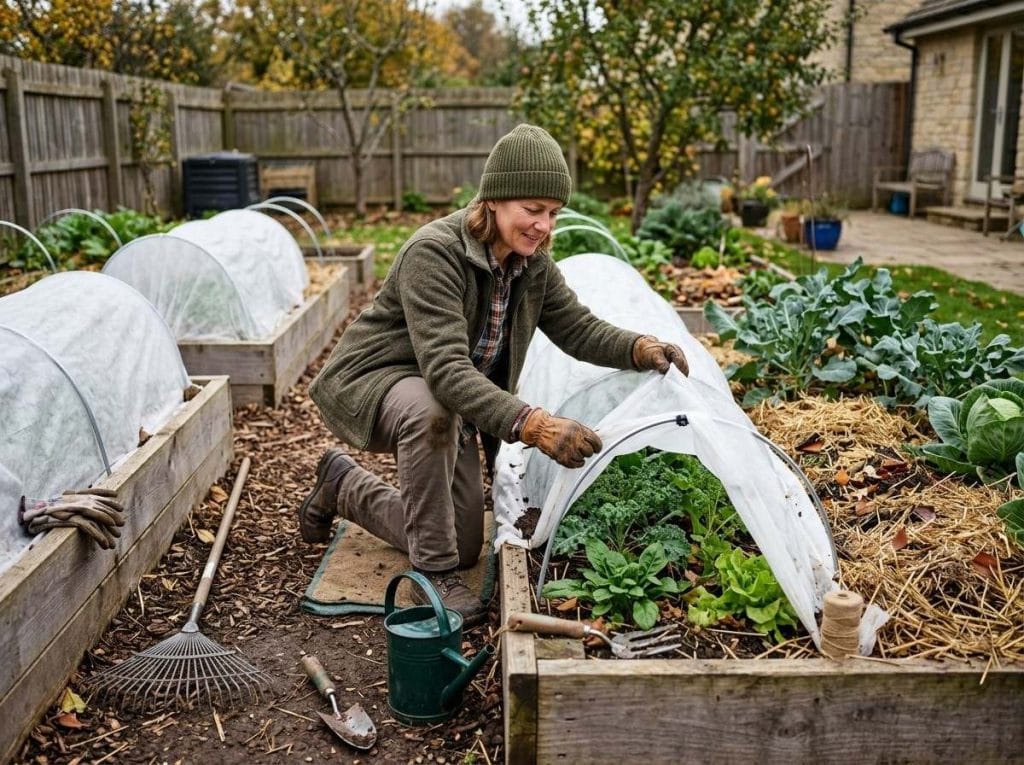
Most kale, leeks, parsnips, and some varieties of spinach can survive temperatures below 20°F (-6°C) with protection. Cold frames and mulch help these crops stay alive even during deep freezes.
Use row covers, mulch, and cold frames to trap heat and shield plants. Cover gardens before sunset to keep warmth inside. For extreme cold, double up covers or use blankets temporarily.
Yes, you can grow lettuce, spinach, and herbs indoors using containers and grow lights. Choose windowsills with good light or use artificial lighting for best results.
Begin planting 6–8 weeks before your area’s first frost. For most regions, this means late August to mid-September. Garlic and onions are planted later, often in October or November.
Yes, and sometimes they are even more nutritious. Cold weather can increase the vitamin content and sweetness of vegetables like carrots and kale. Homegrown winter produce is fresher and often healthier than store-bought options.
Growing a vegetable garden for winter takes planning and care, but the rewards are worth it. Fresh, flavorful vegetables are possible even in cold months, saving money and boosting health. Start small, learn from each season, and enjoy harvesting your own food when others rely on stores. Winter gardening connects you to nature year-round and offers a unique sense of achievement.