Gardening Made Simple.
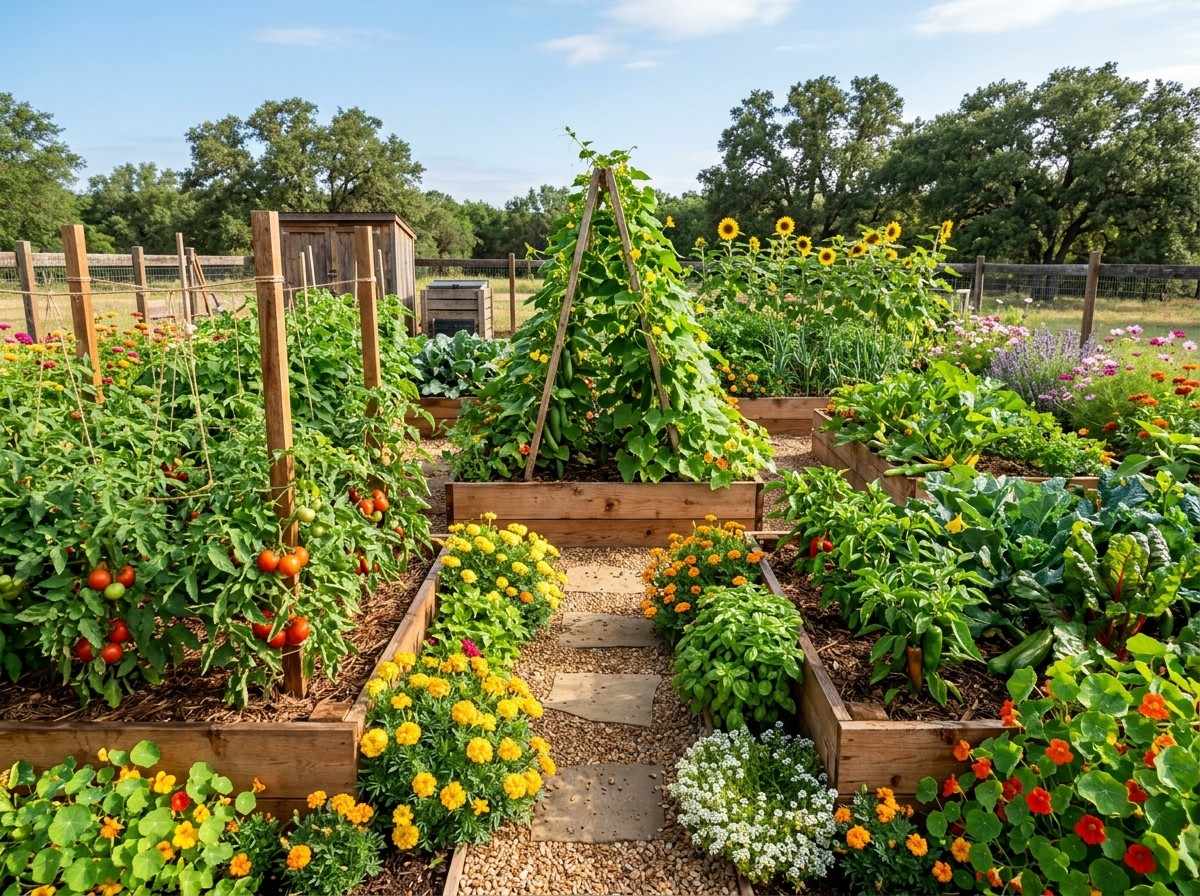
Beginner 20X20 Vegetable Garden Layout is an excellent starting point for anyone who wants to grow a productive home garden. If you're planning a beginner 20X20 vegetable garden layout, organizing your space with the right crop placement, proper spacing, and companion planting can maximize your harvest while keeping gardening simple and manageable.
This guide provides step-by-step planning, practical tips, and beginner-friendly advice to help you build a thriving vegetable garden with confidence.
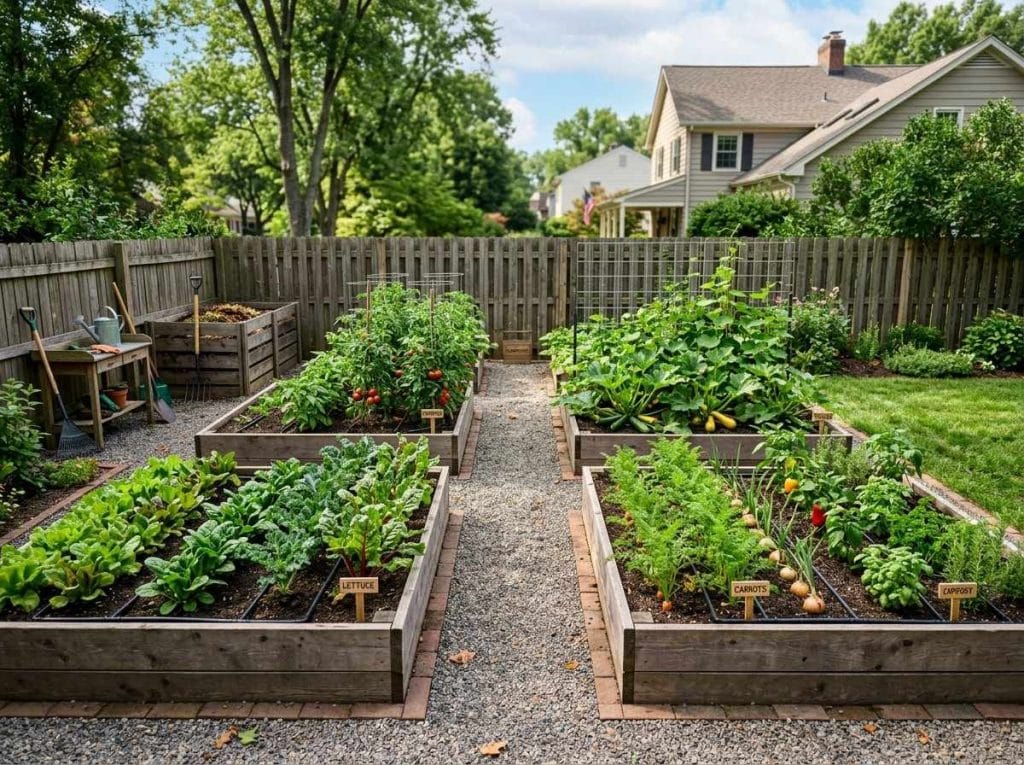
A 20x20 foot plot gives you 400 square feet of growing space. This is large enough for diverse crops but small enough to manage easily. Many first-time gardeners struggle with plots that are too big, which leads to wasted effort and poor results. With a 20x20 layout, you can grow up to 20 types of vegetables without overcrowding. You’ll also have room for paths, which make watering and harvesting much easier.
Before you start planting, you need a clear plan. A good layout maximizes sunlight, keeps plants healthy, and makes maintenance simple.
Most vegetables need at least 6–8 hours of sunlight each day. Place your garden where it gets the most sun. If possible, orient rows north to south. This helps plants get even sunlight throughout the day.
Include walking paths between rows. A 1-foot wide path is enough for walking and carrying tools. Paths prevent soil compaction and make harvesting easier.
Group vegetables with similar needs together. For example, keep root crops like carrots and beets together, and leafy greens like lettuce and spinach in one area. This makes watering and care simpler.
To set up your garden, you’ll need:
Buying quality tools saves time and effort. Don’t forget to label your rows so you remember what you planted.
Below is a sample layout for 20 vegetables. Each crop has a dedicated section, so you can learn about its needs and planting tips.
| Vegetable | Row Length (ft) | Plants per Row | Sun Needs | Harvest Time |
|---|---|---|---|---|
| Tomato | 12 | 6 | Full Sun | 75-85 days |
| Cucumber | 10 | 10 | Full Sun | 50-70 days |
| Carrot | 8 | 80 | Full Sun | 70-80 days |
| Lettuce | 6 | 24 | Partial Sun | 45-60 days |
| Bell Pepper | 8 | 8 | Full Sun | 70-90 days |
| Spinach | 6 | 30 | Partial Sun | 40-50 days |
| Green Beans | 10 | 40 | Full Sun | 50-60 days |
| Zucchini | 8 | 4 | Full Sun | 45-65 days |
| Radish | 6 | 60 | Full Sun | 25-35 days |
| Beet | 6 | 36 | Full Sun | 55-70 days |
| Onion | 8 | 48 | Full Sun | 90-120 days |
| Broccoli | 8 | 8 | Full Sun | 60-90 days |
| Cauliflower | 8 | 8 | Full Sun | 60-90 days |
| Sweet Corn | 12 | 24 | Full Sun | 60-100 days |
| Potato | 10 | 10 | Full Sun | 70-120 days |
| Peas | 8 | 32 | Full Sun | 55-70 days |
| Kale | 6 | 12 | Full Sun | 55-75 days |
| Eggplant | 6 | 6 | Full Sun | 70-85 days |
| Swiss Chard | 6 | 12 | Full Sun | 50-60 days |
| Herbs | 6 | Varies | Full/Partial Sun | 30-60 days |
Now, let’s look at each vegetable in detail. You'll find tips for planting, spacing, and care for each crop.
Tomatoes are a favorite for home gardens. Choose determinate varieties for compact growth. Plant tomatoes in rows at least 2 feet apart, with 2 feet between each plant. Use stakes or cages for support. Add compost for better fruit production. Avoid watering leaves; focus on the soil.
Non-obvious tip: Tomatoes benefit from mulching. This keeps soil moist and prevents disease.
Cucumbers grow fast and need space to spread. Plant seeds 12 inches apart, with rows 3 feet apart. Use a trellis to save space and keep fruits off the ground. Water regularly, especially during hot weather.
Beginner mistake: Overcrowding cucumbers leads to poor air circulation and diseases. Stick to recommended spacing.
Carrots need loose, sandy soil. Sow seeds 2 inches apart in rows 12 inches apart. Keep soil moist until seedlings appear. Thin plants to avoid crowding.
Non-obvious insight: Carrots grow best when soil is free of rocks and debris. Stones cause misshapen carrots.
Lettuce is fast-growing and ideal for spring and fall. Plant seeds 8 inches apart. Water lightly but often. Harvest leaves from the outside for continuous growth.
Practical tip: Lettuce grows well in partial shade, making it perfect for edges of the garden.
Bell peppers need warmth and rich soil. Plant seedlings 18 inches apart in rows 24 inches apart. Stake plants for support.
Beginner mistake: Peppers are sensitive to cold. Wait until all danger of frost is gone before planting.
Spinach thrives in cool weather. Sow seeds 4 inches apart in rows 12 inches apart. Keep soil moist for best results.
Non-obvious insight: Spinach bolts (goes to seed) in hot weather. Plant early or use shade to keep it cool.
Green beans are easy and productive. Plant seeds 4 inches apart in rows 2 feet apart. Use poles for climbing varieties or stick to bush beans for compact growth.
Practical tip: Harvest beans often to encourage new pods.
Zucchini is very productive. Plant seeds in hills 3 feet apart, with 2-3 plants per hill. Zucchini needs lots of space and sunlight.
Beginner mistake: Planting too many zucchini. One or two plants can produce more than a family needs.
Radishes are perfect for quick harvests. Sow seeds 1 inch apart in rows 8 inches apart. Thin to 2 inches apart after sprouting.
Non-obvious insight: Radishes can be used as a trap crop to protect other vegetables from pests.
Beets offer both roots and edible leaves. Plant seeds 2 inches apart in rows 12 inches apart. Thin seedlings to 4 inches apart.
Practical tip: Beets like consistent moisture. Mulch helps maintain soil moisture.
Onions need rich, loose soil. Plant sets 4 inches apart in rows 12 inches apart. Keep soil weed-free.
Beginner mistake: Planting onions too deep. Keep bulbs just under the soil surface.
Broccoli needs cool weather and fertile soil. Plant seedlings 18 inches apart in rows 2 feet apart. Water regularly and feed with compost.
Non-obvious insight: Cut the main head, and small side shoots will grow for additional harvests.
Cauliflower is tricky but rewarding. Plant seedlings 18 inches apart in rows 2 feet apart. Keep soil moist and cool.
Practical tip: Tie leaves over the head for self-blanching to keep cauliflower white.
Corn requires space and wind pollination. Plant seeds 10 inches apart in blocks rather than single rows. At least four rows side by side improve pollination.
Beginner mistake: Planting just one row. Corn needs blocks for good kernel formation.
Potatoes grow from seed potatoes. Plant pieces 12 inches apart in rows 2 feet apart. Hill soil around stems as they grow.
Non-obvious insight: Potatoes need regular hilling to prevent sunlight from greening the tubers.
Peas thrive in cool weather. Plant seeds 2 inches apart in rows 12 inches apart. Use a trellis for climbing types.
Practical tip: Peas fix nitrogen in the soil, helping other plants.
Kale is hardy and nutritious. Plant seeds 12 inches apart in rows 18 inches apart. Harvest leaves regularly.
Beginner mistake: Letting kale grow too long without harvesting. Young leaves taste best.
Eggplants need warm soil and sun. Plant seedlings 18 inches apart in rows 2 feet apart. Stake plants for support.
Non-obvious insight: Eggplants benefit from deep watering but dislike wet leaves.
Swiss chard is easy and colorful. Plant seeds 8 inches apart in rows 12 inches apart. Harvest outer leaves for a continuous crop.
Practical tip: Chard tolerates heat and cold, making it good for extended harvests.
Herbs add flavor and are easy to grow. Plant basil, parsley, cilantro, and dill in a dedicated section. Space 8 inches apart. Harvest leaves often.
Beginner mistake: Letting herbs flower too early. Pinch flowers to keep plants productive.
| Vegetable | Best Companion | Bad Companion |
|---|---|---|
| Tomato | Basil | Corn |
| Cucumber | Beans | Potato |
| Carrot | Onion | Dill |
| Lettuce | Radish | Parsley |
| Bell Pepper | Basil | Kale |
| Spinach | Peas | Potato |
| Green Beans | Corn | Onion |
| Zucchini | Radish | Potato |
| Radish | Lettuce | Cucumber |
| Beet | Onion | Beans |
| Onion | Carrot | Beans |
| Broccoli | Onion | Strawberry |
| Cauliflower | Peas | Tomato |
| Sweet Corn | Beans | Tomato |
| Potato | Beans | Cucumber |
| Peas | Carrot | Onion |
| Kale | Onion | Bell Pepper |
| Eggplant | Beans | Potato |
| Swiss Chard | Onion | Potato |
| Herbs | Tomato | None |
Timing is important for each crop. Here’s a quick guide:
Planting in the right season helps plants grow faster and stay healthy.
Watering is key for healthy vegetables. Most crops need 1 inch of water per week. Use a soaker hose or drip irrigation for best results. Mulch with straw or wood chips to keep soil moist and reduce weeds.
Non-obvious tip: Mulch also protects against soil-borne diseases by keeping leaves off the soil.
Use compost or organic fertilizer before planting. Most vegetables benefit from a side dressing of fertilizer when they start to flower. Avoid over-fertilizing, which can cause leafy growth with few fruits.
Practical tip: Test your soil for pH and nutrients. Most vegetables prefer a pH of 6.0–7.0.
Check your garden daily for pests. Remove damaged leaves and use organic sprays if needed. Companion planting (see table above) helps repel pests naturally.
Beginner mistake: Ignoring pests until they become a problem. Early action saves your crop.
Harvest vegetables when they are ripe for best flavor. Most crops can be harvested multiple times.
Non-obvious insight: Harvesting regularly encourages more growth in most vegetables.
Many new gardeners make similar mistakes:
Avoiding these mistakes will improve your harvest and make gardening enjoyable.
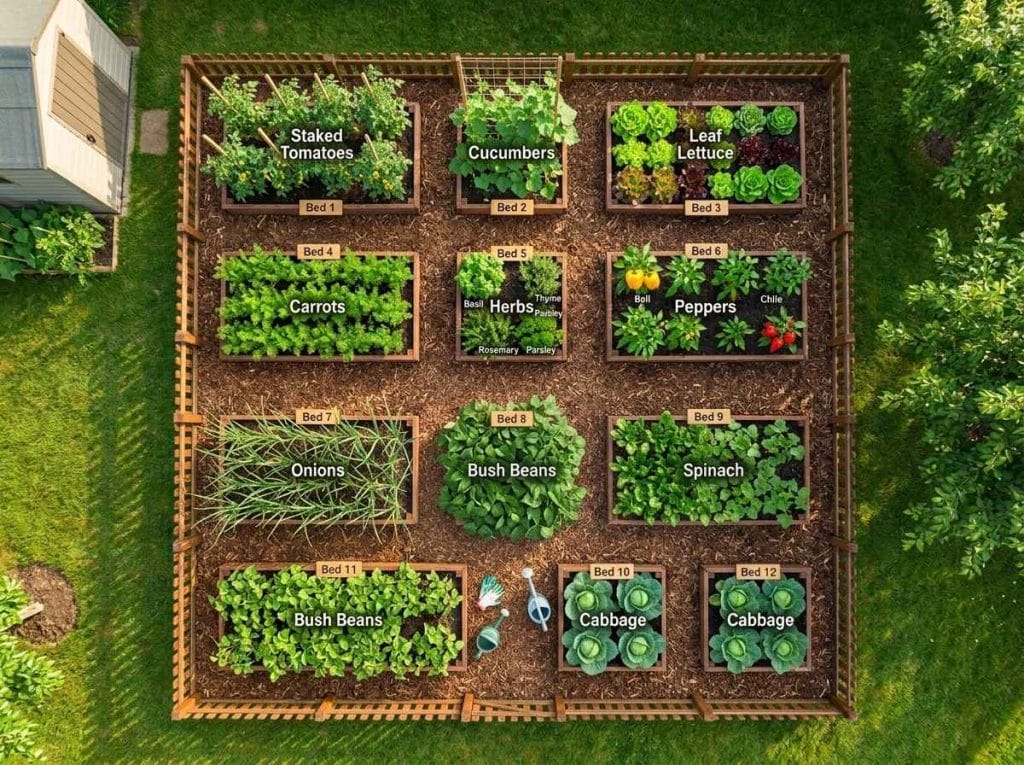
Visualizing your garden helps with planning. Here’s a simple example:
| Row | Crops | Spacing |
|---|---|---|
| 1 | Lettuce, Spinach | 8 inches |
| 2 | Radish, Carrot | 2 inches |
| 3 | Beet, Onion | 4 inches |
| 4 | Peas, Kale | 12 inches |
| 5 | Broccoli, Cauliflower | 18 inches |
| 6 | Potato, Sweet Corn | 12 inches |
| 7 | Tomato, Bell Pepper | 24 inches |
| 8 | Cucumber, Zucchini | 36 inches |
| 9 | Green Beans, Eggplant | 18 inches |
| 10 | Swiss Chard, Herbs | 8 inches |
Use this map as a starting point. Adjust row spacing based on your needs and climate.
For more tips, visit National Gardening Association.
A beginner garden needs about 3–5 hours per week. This includes watering, weeding, and harvesting. Early in the season, you’ll spend more time preparing the soil and planting.
Yes, but you need to plan carefully. Some crops like lettuce and spinach grow early, while others like tomatoes and corn prefer late spring. Check planting times for your region.
Use mulch to cover bare soil. Mulch blocks sunlight and stops weeds from growing. Hand-weeding is also important, especially around young plants.
Companion planting, as shown above, helps repel pests naturally. Physical barriers like row covers and daily inspection are effective. Organic sprays, like neem oil, can help if pests appear.
A well-planned 20x20 garden can provide fresh vegetables for a family of four. You may need to supplement with store-bought produce, but you’ll enjoy plenty of harvests, especially during peak season.
Starting a beginner 20x20 vegetable garden is a rewarding project. With the right layout, tools, and care, you’ll enjoy fresh, healthy produce all season long. Remember to start small, learn as you go, and celebrate each harvest. Your garden will improve year after year, bringing you joy and delicious food.