Gardening Made Simple.
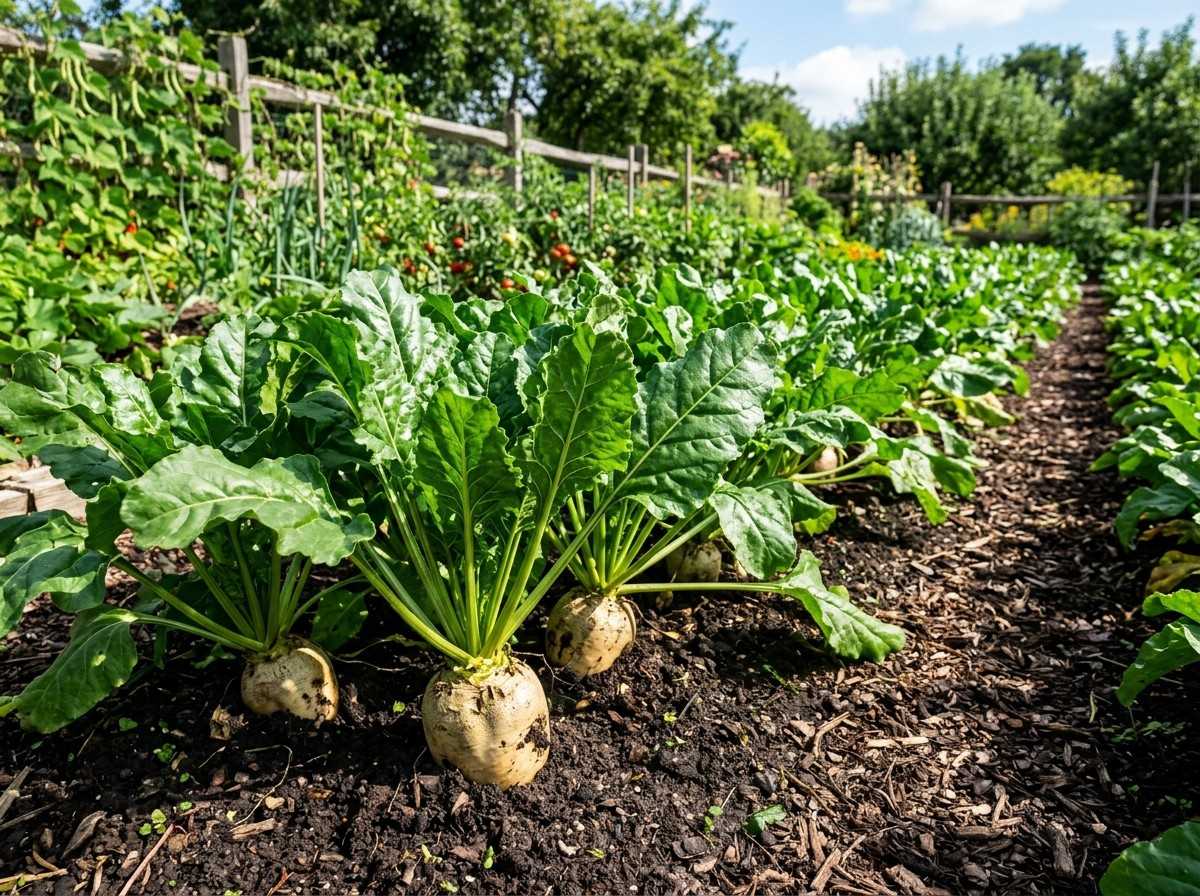
How to Grow Sugar Beets is a valuable guide for gardeners and small farmers looking to produce a healthy, high-yield crop. If you're wondering how to grow sugar beets, success starts with fertile, well-drained soil, quality seeds, and consistent care throughout the growing season.
This guide covers every step—from planting and watering to harvesting and troubleshooting—so you can grow strong, productive sugar beets with confidence.
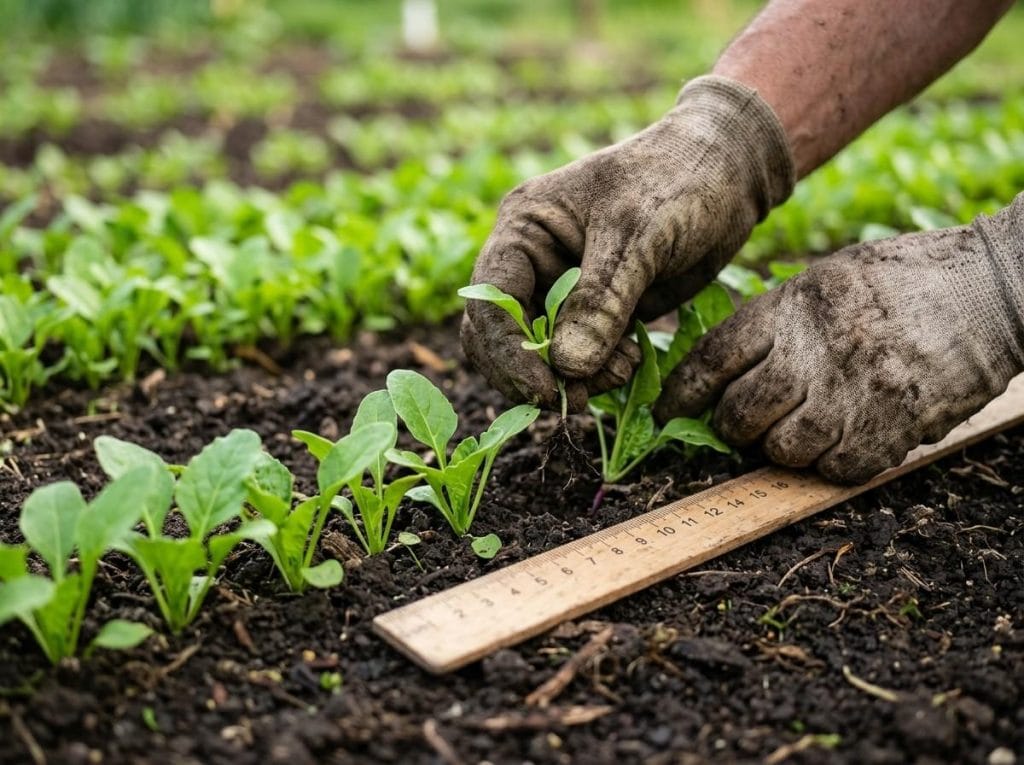
Sugar beets are a root crop that belongs to the Beta vulgaris species. They look similar to red beets, but are white and much larger. Sugar beets grow best in temperate climates, and they prefer cool weather, especially during their early growth. The roots are harvested and processed for sugar, while the leaves can be used for animal feed.
Sugar beets are biennial plants, but most are grown as annuals. In the first year, they develop a large root and leafy top. In the second year (if not harvested), they flower and set seed.
Key facts:
Growing sugar beets requires patience, care, and the right conditions, but the rewards are impressive.
Different sugar beet varieties offer unique benefits. The choice depends on climate, disease resistance, and your intended use.
| Variety Name | Climate Suitability | Special Features |
|---|---|---|
| Beta 4647 | Cool temperate | High sugar content, disease resistant |
| Maribo | Moderate climate | Fast growth, good for early planting |
| Crystal 355 | Warm temperate | Tolerates heat, stable yields |
| Hilleshög | Variable | Good for poor soils, hardy |
Non-obvious insight: Some varieties perform better in soils with low fertility, so don’t always go for the highest-yielding type. If your soil is less rich, choose a hardy variety like Hilleshög.
When choosing, consider:
Ask local seed suppliers for varieties suited to your area. They often know which types handle local pests and climate best.
Sugar beets need well-drained, fertile soil. The ideal soil is loamy, with good organic matter and a pH of 6.0–7.5.
Before planting, test your soil. You can buy simple soil test kits or send samples to a lab. Check for:
If your soil is too acidic, add lime. If it’s too alkaline, add sulfur. Sugar beets are sensitive to soil pH, so keep it balanced.
Common mistake: Planting in compacted soil reduces root growth and sugar yield.
Sugar beets are direct-seeded. Timing and spacing are crucial for good growth.
Plant sugar beets in early spring, as soon as soil can be worked and temperatures reach 50°F (10°C). In warmer regions, they can be planted in fall for a winter crop.
Sugar beet seeds are small and usually coated with fungicide to prevent disease. If using untreated seeds, soak them in water for 12–24 hours before planting to speed germination.
After seedlings appear, thin them to 6–8 inches apart. This gives each root space to grow.
Practical tip: Don’t sow too deep. Sugar beet seeds need light and warmth to sprout.
Sugar beets need steady moisture, especially during early growth and root development. Too little water leads to small roots; too much can cause disease.
If you use drip irrigation, you can save water and deliver it directly to the roots.
Non-obvious insight: Irregular watering can cause roots to split, lowering sugar content and quality.
Sugar beets are hungry plants. They need balanced nutrients for large, sweet roots.
| Nutrient | Recommended Rate (per acre) | Effect |
|---|---|---|
| Nitrogen | 80–120 lbs | Leaf growth, root size |
| Phosphorus | 60–80 lbs | Root strength |
| Potassium | 120–150 lbs | Sugar yield |
Apply fertilizer before planting and again at the 4–6 leaf stage. Use slow-release types if possible.
Mistake to avoid: Overusing nitrogen. Too much makes roots watery and lowers sugar levels.
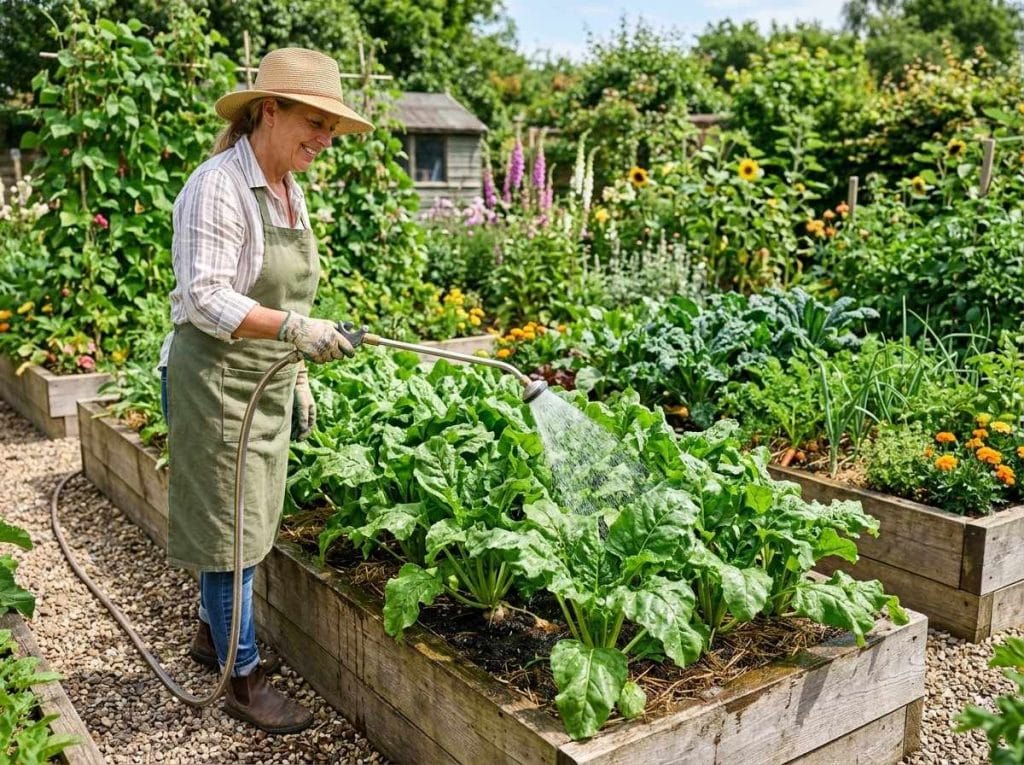
Weeds compete for nutrients and water. Sugar beets are slow starters, so weeds can easily overtake them.
Practical tip: Weed early and often. Once sugar beets mature, their leaves shade the soil and suppress most weeds.
Sugar beets attract some pests and diseases. Early detection and prevention are key.
For small infestations, wash leaves with water or use insecticidal soap. For larger outbreaks, consider biological controls like ladybugs.
Choose resistant varieties, rotate crops, and avoid overwatering to prevent disease. Remove infected plants quickly.
Non-obvious insight: Many diseases come from leftover plant debris. Clean up after harvest to keep your soil healthy.
Understanding growth stages helps you manage water, fertilizer, and pest control.
| Stage | Duration | Main Activities |
|---|---|---|
| Germination | 7–14 days | Seed sprouts, roots form |
| Leaf growth | 3–6 weeks | Leaves develop, roots expand |
| Root expansion | 10–12 weeks | Root enlarges, sugar accumulates |
| Maturity | 3–4 weeks | Maximum sugar, leaves yellow |
Monitor your plants regularly and adjust care to each stage.
Harvesting at the right time is essential for high sugar content.
Sugar beets are ready 90–120 days after planting. Wait until the leaves begin to yellow. Roots should be firm and weigh 1–2 pounds.
Handle roots carefully. Bruised beets lose sugar and spoil faster.
Practical tip: Don’t leave harvested beets in sun. They lose sugar quickly.
You can use sugar beets for sugar extraction, animal feed, or even home recipes.
Home extraction is possible, but complex. Roots are boiled, juice is extracted and filtered, then boiled again to crystallize sugar.
Leaves and leftover pulp are good for livestock. They contain protein and minerals.
Non-obvious insight: Some gardeners use sugar beet pulp as organic fertilizer, returning nutrients to the soil.
Sugar beets grow best in cool climates. They need a long growing season and moderate temperatures.
Check local extension services for advice tailored to your area. For more climate data and growing tips, see US Department of Agriculture.
Understanding how sugar beets stack up against other roots can help you plan your garden.
| Crop | Yield per acre | Sugar content (%) | Growing season |
|---|---|---|---|
| Sugar beet | 20–30 tons | 16–18 | 90–120 days |
| Carrot | 15–25 tons | 6–8 | 70–80 days |
| Table beet | 10–15 tons | 5–7 | 60–70 days |
| Turnip | 10–18 tons | 3–4 | 60–80 days |
Sugar beets have the highest sugar content and yield, but require more care and a longer growing season.
Even experienced growers face challenges. Here are some solutions:
Experienced tip: If roots are misshapen, check for nematodes (microscopic worms) in soil.
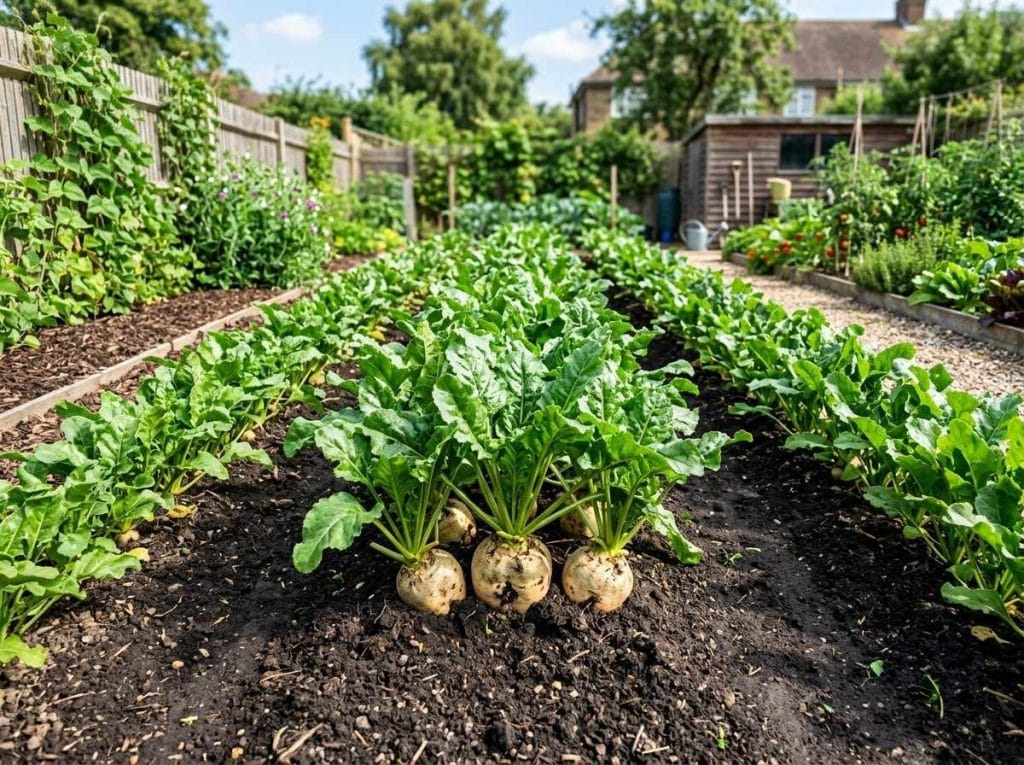
Sugar beets mature in 90–120 days. The exact time depends on climate, variety, and care. Early varieties may be ready in just 90 days, while others need a full season.
Yes, but you need deep containers (at least 12–16 inches). Choose loose, fertile soil and water regularly. Container beets may be smaller, but still usable.
Store roots in a cool, dry place (40–50°F). Keep them away from moisture and sunlight. Sugar beets can last several weeks if handled carefully.
Some commercial sugar beets are GMO, especially in the US. If you want non-GMO beets, buy certified organic or heirloom seeds.
Sugar beet roots are edible, but not tasty raw. They are fibrous and less sweet than table beets. Cooking or processing improves flavor.
Growing sugar beets is a practical way to produce sugar, animal feed, and enrich your soil. With careful planning, the right variety, and steady care, you can enjoy a healthy, productive crop. Remember that each stage—soil preparation, planting, watering, and harvesting—needs attention for the best results.
Sugar beets offer unique benefits, but they also demand patience and learning. If you follow these steps and adapt to your local conditions, you’ll be surprised at how much you can achieve with this versatile crop.