Gardening Made Simple.
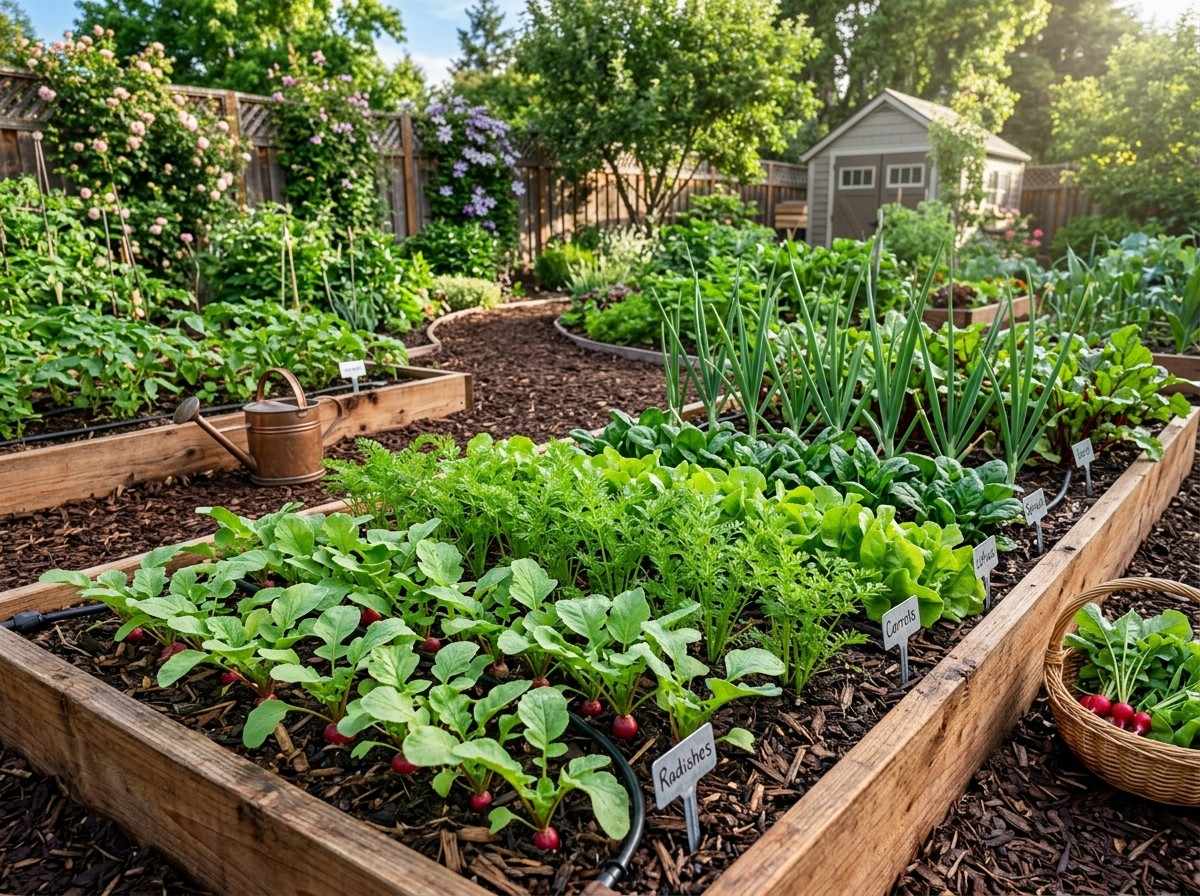
Growing radishes is one of the quickest ways to enjoy fresh vegetables from your garden. These small, crisp roots are easy to plant, fast to harvest, and add a punch of flavor to salads and dishes. But to get the best results, knowing how far apart to plant radishes is essential. Planting radishes too close together can lead to small, misshapen roots and wasted effort.
Planting them too far apart can waste space and reduce your harvest. This guide will give you clear, practical advice on radish spacing, help you avoid common mistakes, and share tips for maximizing your crop—whether you’re gardening in rows, containers, or raised beds.
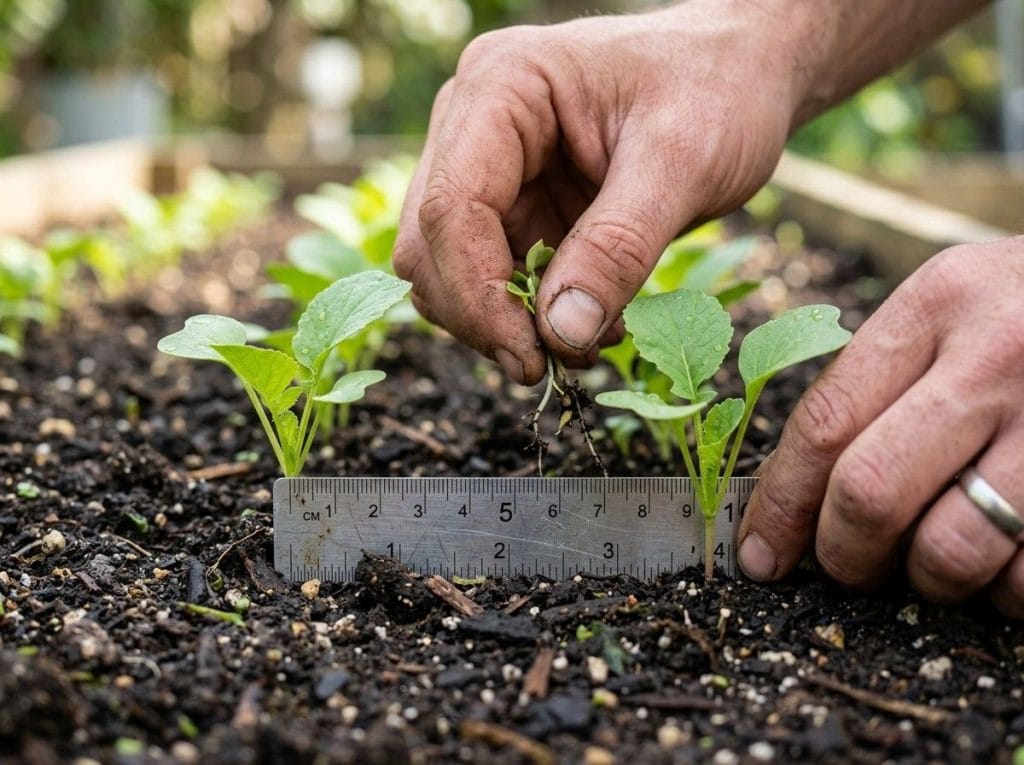
Radish plants grow quickly, but their roots need room to develop. If radishes are crowded, their roots compete for nutrients, water, and sunlight. This competition results in stunted growth, poor flavor, and sometimes no edible roots at all. Correct spacing also helps prevent disease, as crowded plants are more prone to fungal problems and pests.
One non-obvious insight: radishes need different spacing depending on the variety. Larger types like daikon require more space than small salad radishes. Another detail many beginners miss is that radishes need space not only for the roots, but also for the leaves, which gather sunlight to fuel growth.
Radishes come in many shapes and sizes. Here’s how far apart to plant the most popular types:
| Radish Type | Root Size | Recommended Spacing |
|---|---|---|
| Small Salad Radishes | 1 inch diameter | 1-2 inches apart |
| French Breakfast | 1.5 inch diameter | 2 inches apart |
| Daikon (Asian) | Up to 6 inches diameter | 4-6 inches apart |
| Winter Radishes | 3-4 inch diameter | 3-5 inches apart |
For most small round radishes, plant seeds 1–2 inches apart. For daikon radishes, plant seeds 4–6 inches apart. Always check your seed packet for variety-specific recommendations.
Rows are the most common way to grow radishes, especially in traditional gardens. Here’s how to do it:
If you plant seeds too close, you’ll need to thin them after germination. Thinning means removing some seedlings so the remaining plants have enough space.
Let’s say you want to plant Cherry Belle radishes, which are popular for their crisp texture and mild flavor.
Raised beds are popular for radishes because they provide loose soil and good drainage. You can also plant radishes more closely, since the soil is often richer and easier to work with.
In raised beds, you can use grid planting. This means planting seeds in a pattern, like a checkerboard, rather than rows. For example, plant seeds every 2 inches both horizontally and vertically.
| Bed Size | Radish Type | Number of Plants |
|---|---|---|
| 2x4 feet | Small radishes (1-2" apart) | ~48 plants |
| 2x4 feet | Daikon (6" apart) | ~8 plants |
This method maximizes your harvest and makes thinning easier.
Radishes grow well in containers if you give them enough space. The key factors:
Use potting mix that drains well. Avoid overcrowding; roots need room to expand. For a 12-inch diameter pot, you can fit about 8–10 small radishes.
Thinning is the process of removing extra seedlings after they sprout. Many gardeners sow seeds thickly, then thin to the proper spacing.
Common mistake: Not thinning enough. If you leave radishes crowded, roots will stay small and tough. Don’t hesitate to thin aggressively—your harvest will improve.
Radishes grow fast—most are ready to harvest in 20–30 days. To enjoy a steady supply, try succession planting: sowing new seeds every 7–10 days.
Succession planting works well in rows, beds, or containers. It’s a practical way to keep your harvest going all season.
Radishes are great companions for other vegetables. They can help break up soil for slow-growing plants and deter pests.
Examples:
When planting radishes with other crops, make sure to keep the recommended space for both. Don’t crowd radishes next to larger plants. Allow at least 2 inches between radishes and their companions.
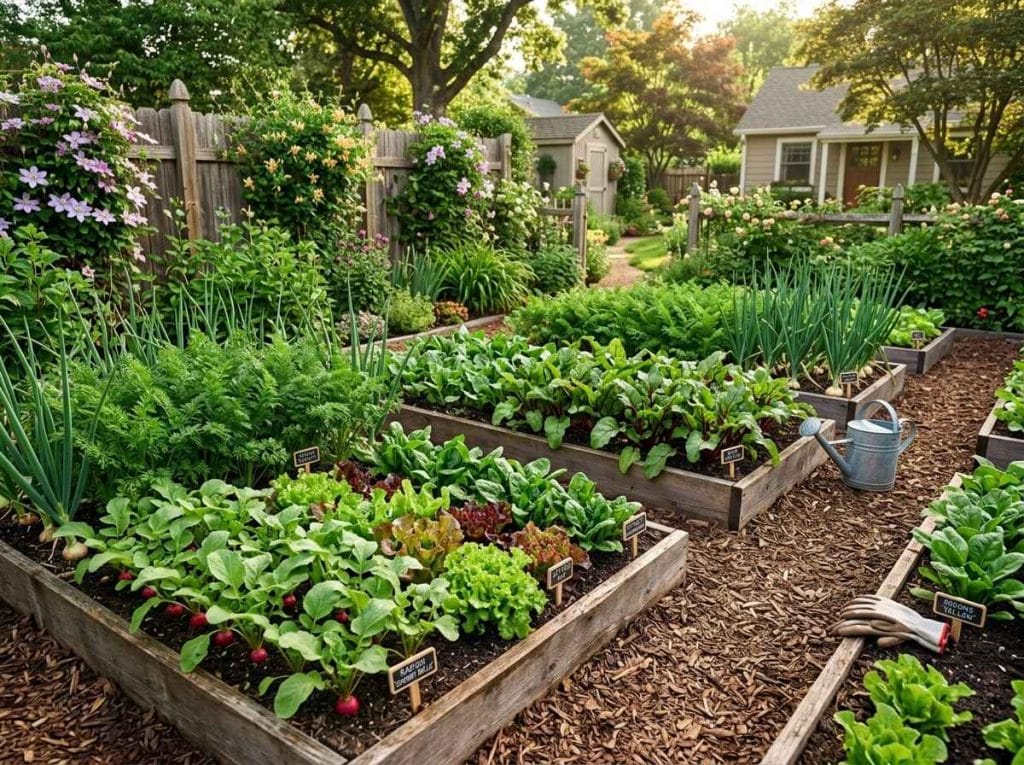
Many gardeners overlook how soil quality affects spacing. Loose, rich soil lets radish roots grow larger. In compacted or rocky soil, radishes need more space to avoid misshapen roots.
A surprising insight: Soil temperature affects spacing, too. In cooler soil, radishes grow slower and may need more space to avoid disease. In warm soil, growth is faster, and tighter spacing is possible.
Are you growing radishes for roots, leaves, or microgreens? Spacing depends on your goal.
If you want both roots and leaves, stick to root spacing. If you only want leaves, tighter spacing saves space and increases yield.
Radishes grow best in cool weather, between 50–70°F. In hot climates, radishes bolt (flower early), and roots stay small.
Example: If you normally plant small radishes 1 inch apart, plant them 1.25 inches apart in warm areas.
Soil type influences radish growth and spacing needs.
| Soil Type | Spacing Adjustment | Notes |
|---|---|---|
| Sandy | No change | Drains well, roots grow easily |
| Clay | Increase by 1 inch | Compacted, roots struggle |
| Loam | No change | Ideal for radishes |
| Rocky | Increase by 1–2 inches | Roots need space to avoid obstacles |
If your soil is heavy or rocky, amend it with compost or sand. Wider spacing helps prevent poor root development.
Correct spacing does more than just improve root size. It also helps maximize your yield. Here’s how:
One overlooked tip: After thinning, mulch around radishes. Mulch keeps soil moist and prevents weeds, helping roots develop.
Many gardeners make errors when planting radishes. Here are the most frequent mistakes:
Avoiding these mistakes will improve your yield and make your gardening experience smoother.
Urban gardeners or those with limited space can still enjoy radishes. Here’s how:
Radishes are flexible and adapt well to tight spaces if you follow spacing guidelines.
Spacing affects not just size, but also flavor. Crowded radishes can become spicy or tough. Proper spacing makes roots mild and crisp.
A practical tip: If you want milder radishes, keep spacing consistent and avoid letting them grow too big.
Radishes can be planted in spring, summer, or fall. Spacing may change with the season.
If planting in winter or hot climates, increase spacing and mulch to protect roots.
How much can spacing affect your harvest? Here’s a comparison:
| Spacing | Plants per Square Foot | Average Root Size | Yield per Square Foot |
|---|---|---|---|
| 1 inch | 16 | Small | Moderate |
| 2 inches | 9 | Medium | High |
| 3 inches | 4 | Large | Medium |
Planting too close gives more plants, but smaller roots. Planting at 2 inches gives the best balance of size and yield.
Many guides miss these advanced tips:
Beginners often overlook how shade and crop rotation affect spacing and yield.
Sometimes you need to adjust spacing during the season:
Don’t be afraid to adapt your spacing as you learn. Gardening is about experimenting and finding what works best for your soil and climate.
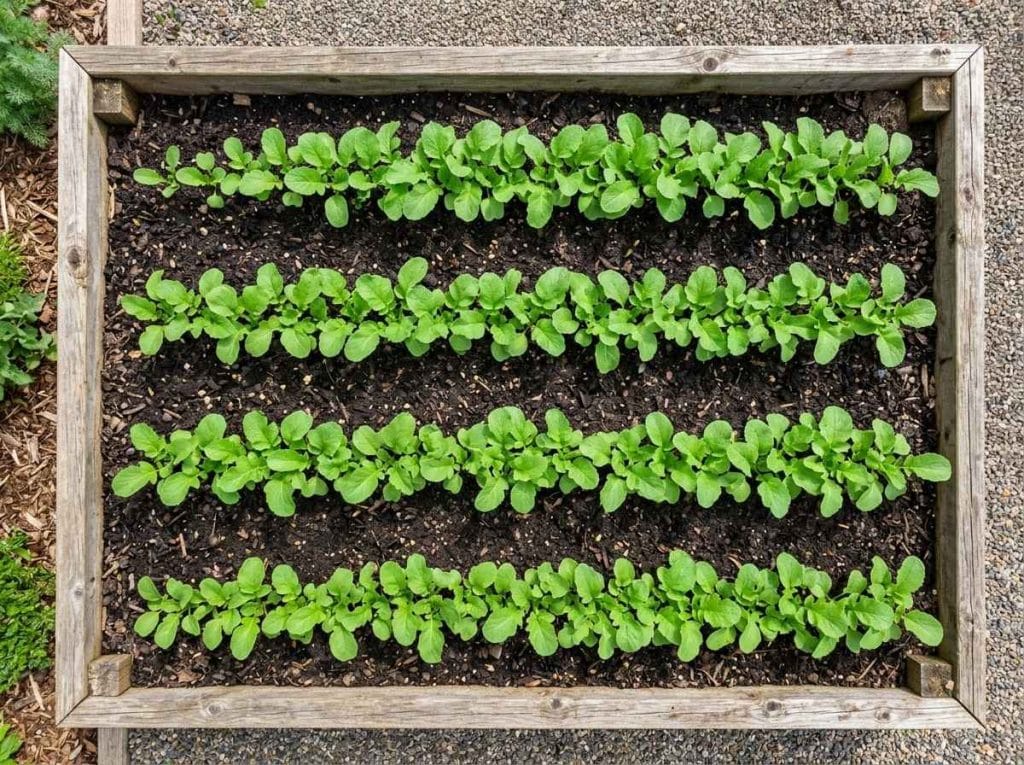
For most varieties, plant radish seeds 1–2 inches apart in rows. Keep rows 12–18 inches apart. Larger types like daikon need 4–6 inches between seeds.
Yes. If you want radish greens, you can plant seeds as close as 1 inch apart. The roots will stay small, but the leaves will be tender and tasty.
You can grow about 8–10 small radishes (1–2 inches apart) in a 12-inch diameter pot. Use a deep container for larger varieties and give more space.
If you skip thinning, radishes will compete for nutrients and space. This leads to tiny roots, poor flavor, and sometimes no edible radishes at all.
For detailed information on radish types and growing tips, visit the Wikipedia Radish page.
Planting radishes with the right spacing is simple but powerful. It means bigger roots, better flavor, and a healthier garden. With the tips and data in this guide, you’ll avoid beginner mistakes and make the most of your growing space—whether you garden in rows, beds, or pots.
Start with the recommended spacing, experiment, and soon you’ll enjoy crisp, delicious radishes from your own garden.