Gardening Made Simple.
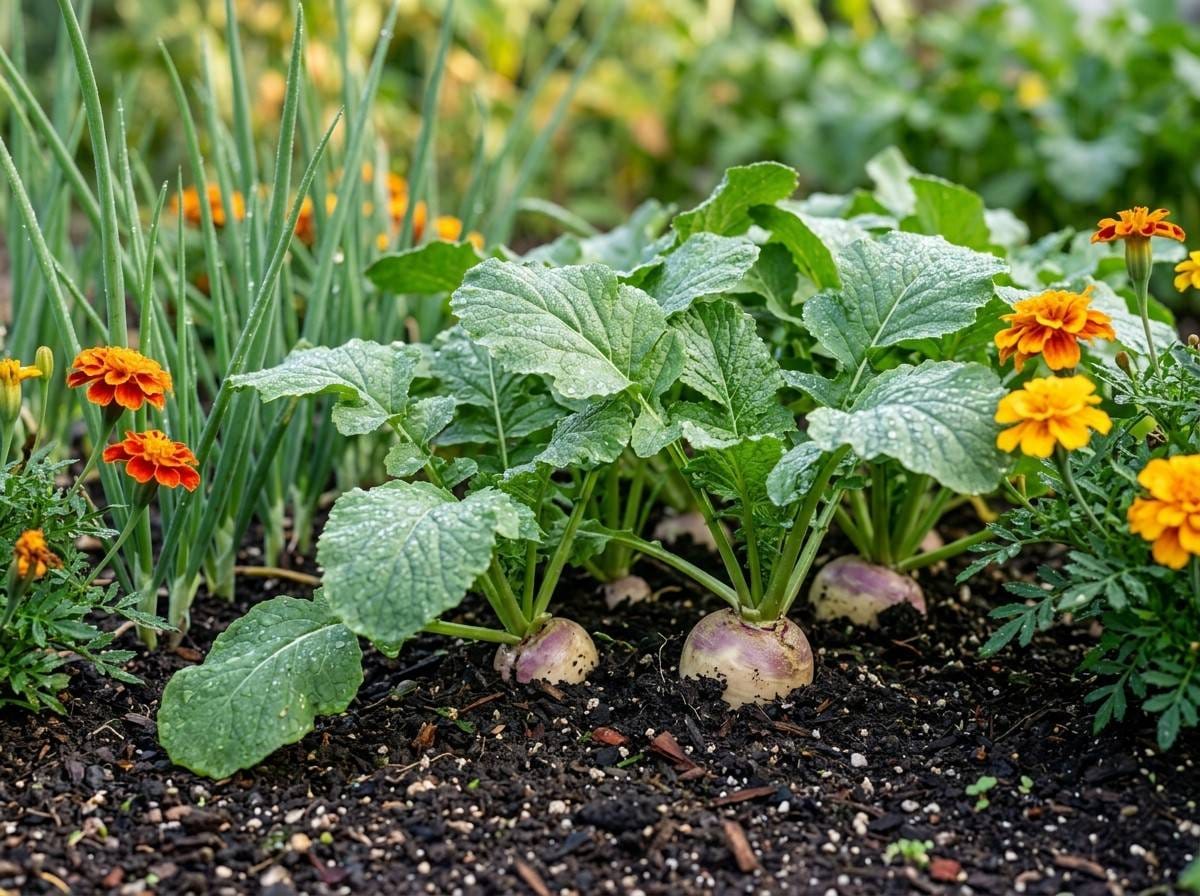
Companion planting is an ancient gardening practice that brings plants together to help each other grow, resist pests, and share nutrients. If you’re growing turnips, you might wonder which plants are best to put nearby. Turnips are easy to grow, but they face challenges like insect pests and soil nutrient demands. Companion planting can solve many of these problems and help your turnips thrive.
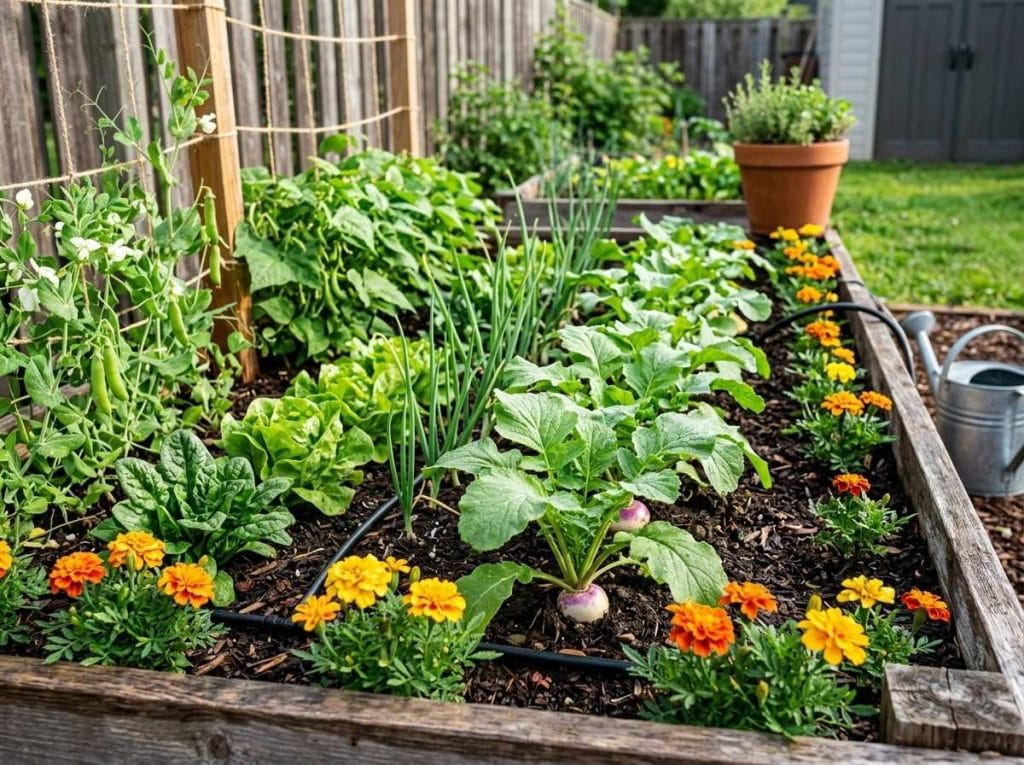
This article will guide you through the essentials of companion planting with turnips. You’ll learn which plants work best, which to avoid, and how to plan your garden for stronger, healthier turnips. We’ll cover practical examples, common mistakes, and some surprising insights that most beginners miss.
Whether you’re a home gardener or planning a bigger crop, these strategies can make a real difference.
Turnips are root vegetables with a fast growth cycle. They need fertile soil, regular moisture, and a balance of nutrients. Companion planting helps turnips by:
Turnips are often attacked by flea beetles, aphids, and root maggots. They also need plenty of nitrogen. Planting the right companions can reduce pest pressure and improve soil health, leading to better harvests.
Not all plants are good companions. Here are some of the best choices:
Peas fix nitrogen in the soil, which helps turnips grow faster and stronger. They also have shallow roots, so they don’t compete with turnips underground. Plant peas in rows next to turnips, and you’ll notice greener leaves and bigger roots.
Onions repel many insects that attack turnips, especially aphids and root maggots. Their strong smell confuses pests, making it harder for them to find your turnip plants. Onions grow well alongside turnips and don’t compete for nutrients.
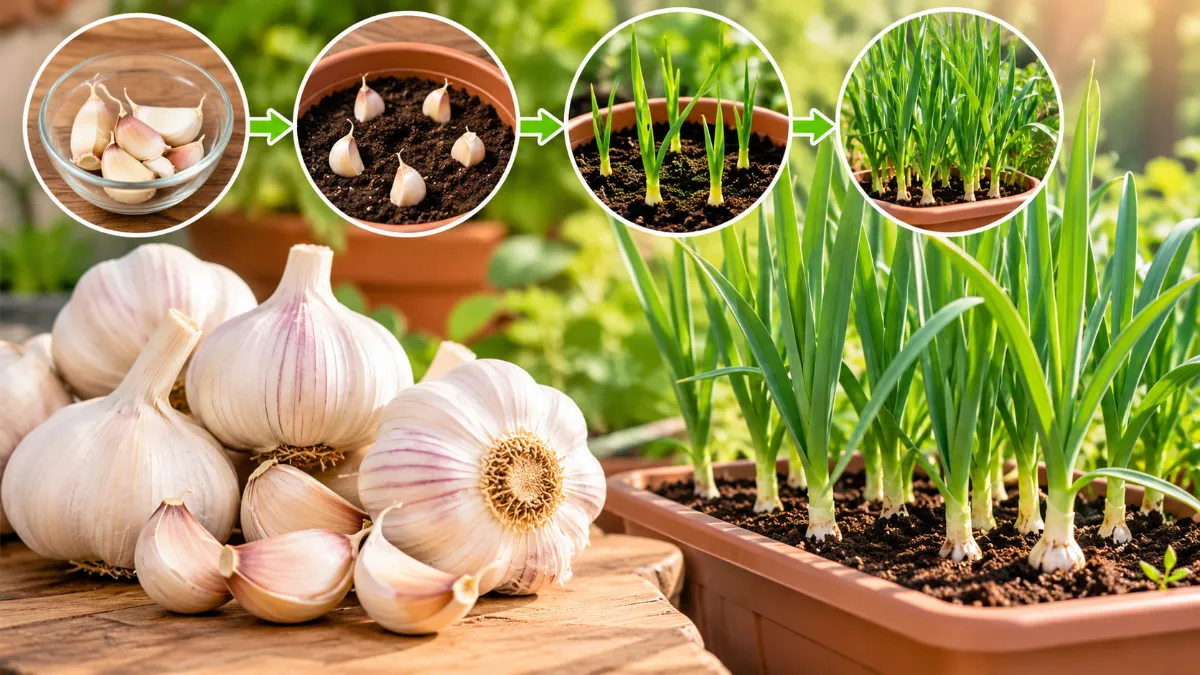
Garlic is another pest-repelling plant. Its scent drives away harmful bugs, and it helps keep fungal diseases under control. Garlic can be planted in borders around turnip beds.
Lettuce grows quickly and shades the soil, helping keep moisture for turnips. Lettuce’s shallow roots mean it doesn’t compete much with turnips, and both can be harvested in close succession.
Marigolds are famous for repelling nematodes and insect pests. The bright flowers also attract beneficial insects like ladybugs, which eat aphids. Plant marigolds near turnips to protect your crop naturally.
Radishes grow even faster than turnips and can act as a trap crop for flea beetles. The beetles attack radishes first, leaving turnips safer. You can plant radishes with turnips and harvest them sooner.
Spinach is a good companion because it matures quickly and covers the soil, reducing weed growth. It doesn’t compete heavily with turnips and keeps the garden productive.
Beans are another nitrogen-fixing crop. They enrich the soil, helping turnips grow bigger. Bush beans are better than pole beans because they don’t shade turnips too much.
Chives repel aphids and other small insects. Their roots are shallow, so they don’t compete with turnips. Chives can be planted in borders or scattered among turnip rows.
Cilantro attracts beneficial insects and confuses harmful ones. It has a short growing cycle and can be interplanted with turnips for better pest control.
To help you visualize which plants work best, here’s a comparison table:
| Companion Plant | Main Benefit | Pest Repellent | Nutrient Support | Competition Level |
|---|---|---|---|---|
| Peas | Soil nitrogen | No | High | Low |
| Onions | Repel insects | Yes | Medium | Low |
| Garlic | Repel pests | Yes | Medium | Low |
| Lettuce | Shade soil | No | Low | Low |
| Marigolds | Repel nematodes | Yes | Low | Low |
| Radishes | Trap crop | Yes | Low | Low |
| Spinach | Weed control | No | Low | Low |
| Beans | Soil nitrogen | No | High | Medium |
| Chives | Repel aphids | Yes | Low | Low |
| Cilantro | Attract beneficials | Yes | Low | Low |
Some plants do not mix well with turnips. They can compete for nutrients, attract pests, or slow growth. Here are the main ones to avoid:
Potatoes and turnips are both root crops and compete for space underground. Potatoes also attract similar pests, making turnips more vulnerable.
Mustard belongs to the same family as turnips (Brassicaceae). Growing them together increases the risk of disease and pest buildup.
Cabbage shares pests and diseases with turnips. Growing them together often leads to bigger infestations of aphids, flea beetles, and root maggots.
Kohlrabi is another Brassica, and it competes for nutrients and space. It also makes pest problems worse.
Broccoli attracts the same pests as turnips, especially cabbage worms and aphids. Keeping them apart reduces pest risk.
A well-planned garden layout gives turnips the best chance for success. Here’s how to do it:
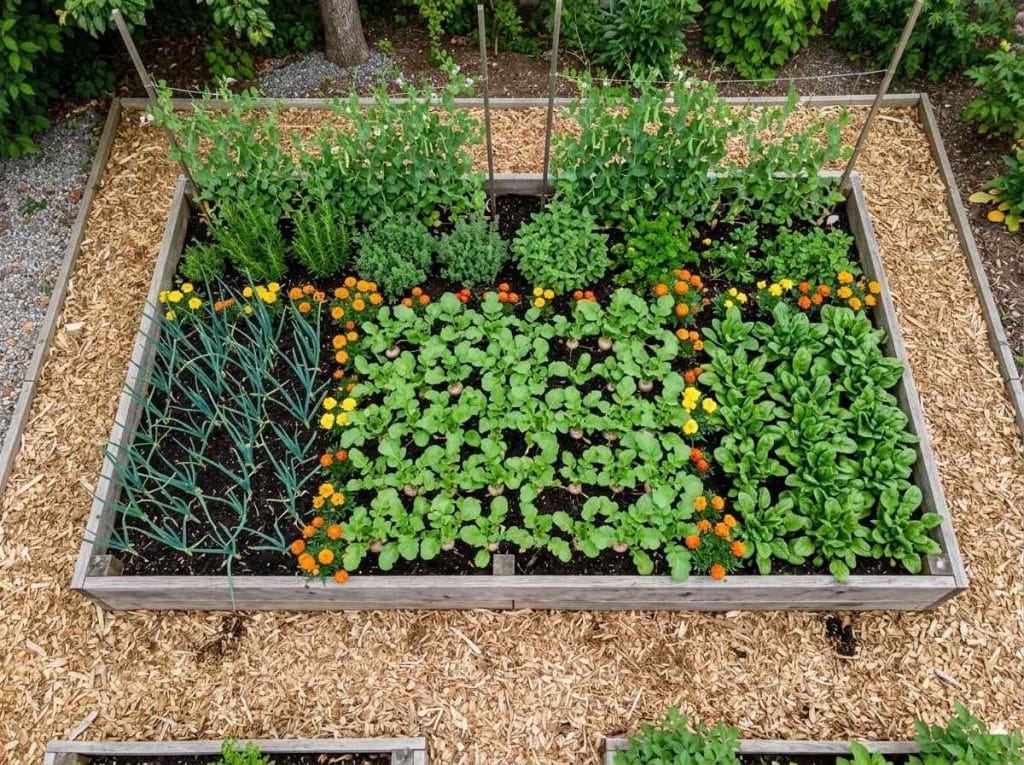
Turnips need space for their roots to develop. Plant them 4–6 inches apart in rows that are 12–18 inches apart. Companion plants should be placed so they don’t shade turnips too much.
Timing matters. Some companions, like radishes and lettuce, grow faster than turnips. Plant them at the same time, and harvest them before turnips need full space. Beans and peas can be started a week or two before turnips for best nitrogen support.
Turnips do best in loose, fertile soil. Add compost before planting. If you use nitrogen-fixing companions like peas or beans, you can reduce the amount of fertilizer needed.
All these plants need regular water, especially during dry periods. Companion planting helps keep soil moisture stable, but don’t let the soil stay soggy.
Turnips attract many pests. Companion planting can reduce damage in natural ways.
Flea beetles are tiny jumping insects that chew holes in leaves. Radishes act as trap crops, drawing beetles away from turnips. Marigolds and garlic repel flea beetles.
Aphids suck plant juices and spread disease. Onions, chives, and marigolds repel aphids. Cilantro attracts ladybugs, which eat aphids.
Root maggots attack underground. Garlic and onions make it harder for maggots to find turnips. Avoid planting turnips with other Brassicas, as this increases risk.
Nematodes are microscopic worms that damage roots. Marigolds release chemicals in the soil that reduce nematode numbers.
Turnips need balanced nutrients, especially nitrogen, phosphorus, and potassium. Companion planting improves soil in several ways:
A healthy soil ecosystem means fewer fertilizers and better turnip yield.
Here are some practical tips to help your turnip companions thrive:
Beginners often make these mistakes:
A less obvious mistake: Not considering the shade effect. Some companion plants, like bush beans, can shade turnips if planted too densely. Plan layout to keep turnip leaves in the sun.
Here are two insights most gardeners miss:
Another tip: Peas and beans improve soil for future crops. After harvesting, their roots leave behind nitrogen, so you can grow turnips or other vegetables in the same spot next season with improved fertility.
Here’s a sample layout for a 4 x 8-foot garden bed:
This layout gives turnips pest protection, nitrogen support, and moisture control.
Researchers have studied companion planting with turnips. Here’s a summary of findings:
| Companion | Pest Reduction (%) | Yield Increase (%) | Notes |
|---|---|---|---|
| Marigolds | 40 | 10 | Repels nematodes |
| Peas | 15 | 18 | Nitrogen fixing |
| Onions | 25 | 8 | Repels aphids |
| Radishes | 30 | 5 | Trap crop |
| Spinach | 10 | 6 | Shades soil |
These numbers show that companion planting can reduce pests and increase yields. Marigolds are especially effective against nematodes, while peas boost turnip growth.
If you want to take your garden to the next level, try these advanced strategies:
Plant fast-growing companions like lettuce or radishes first. Harvest them early, then let turnips take over the space. This keeps your garden productive and reduces weeds.
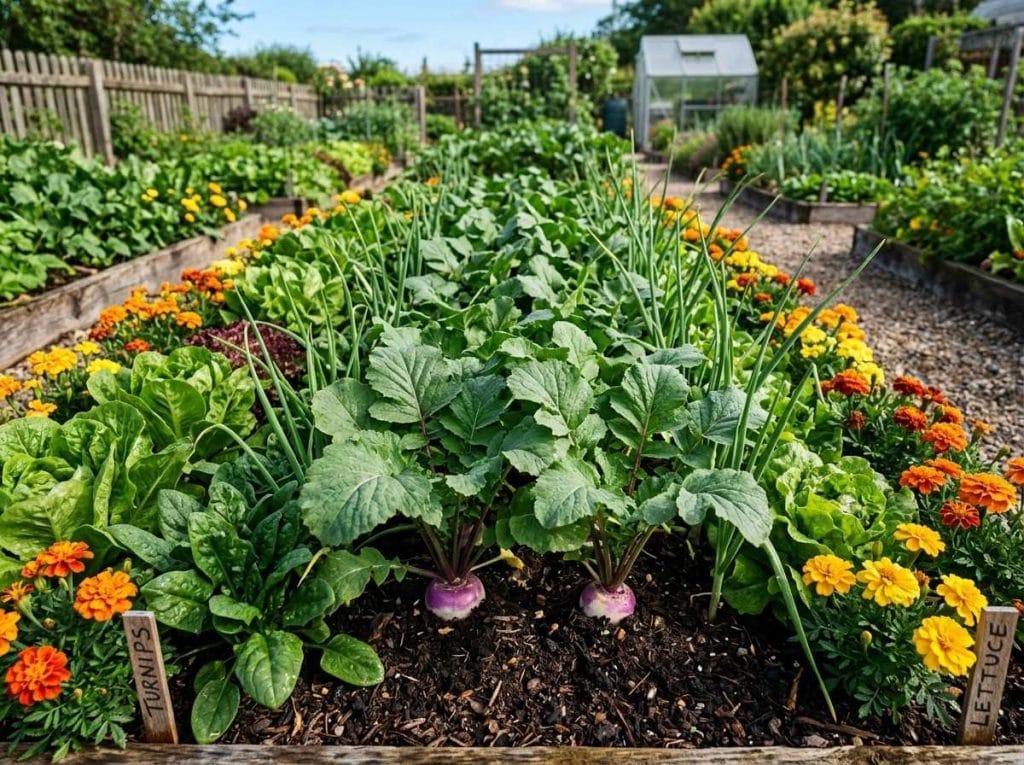
Mix several companion plants together, rather than planting in separate rows. For example, combine turnips, peas, lettuce, garlic, and marigolds in a single bed. This mimics natural ecosystems and improves pest control.
Add flowering plants like nasturtiums and calendula. These attract pollinators and beneficial insects, helping turnips grow and stay healthy.
If you have a small garden or containers, you can still use companion planting:
Container gardening works well because you control spacing and soil quality. Just make sure pots are deep enough (at least 10 inches) for turnip roots.
Turnips grow in cool weather. Companion choices may change with climate:
Check local planting times for each companion to match your climate.
Tomatoes are not ideal companions for turnips. They compete for nutrients and attract different pests. It’s better to keep turnips with peas, beans, or onions.
Space turnips 4–6 inches apart. Companion plants like onions or garlic should be planted in borders, about 6–8 inches from turnip rows. Lettuce and spinach can be interplanted between turnips, about 4 inches apart.
Companion planting reduces pest numbers but won’t stop all attacks. Use it with other strategies, like crop rotation and regular monitoring, for best results.
Yes, companion planting is ideal for organic gardens. It reduces the need for chemical pesticides and fertilizers, making your garden healthier and more sustainable.
For scientific studies and practical advice, visit Royal Horticultural Society. They offer expert guidance on companion planting for different crops.
Companion planting with turnips is a simple, effective way to boost your garden’s health and yield. With careful planning and the right plant partners, you can enjoy bigger, tastier turnips and fewer pest problems. Try these strategies this season and see the difference for yourself.