Gardening Made Simple.
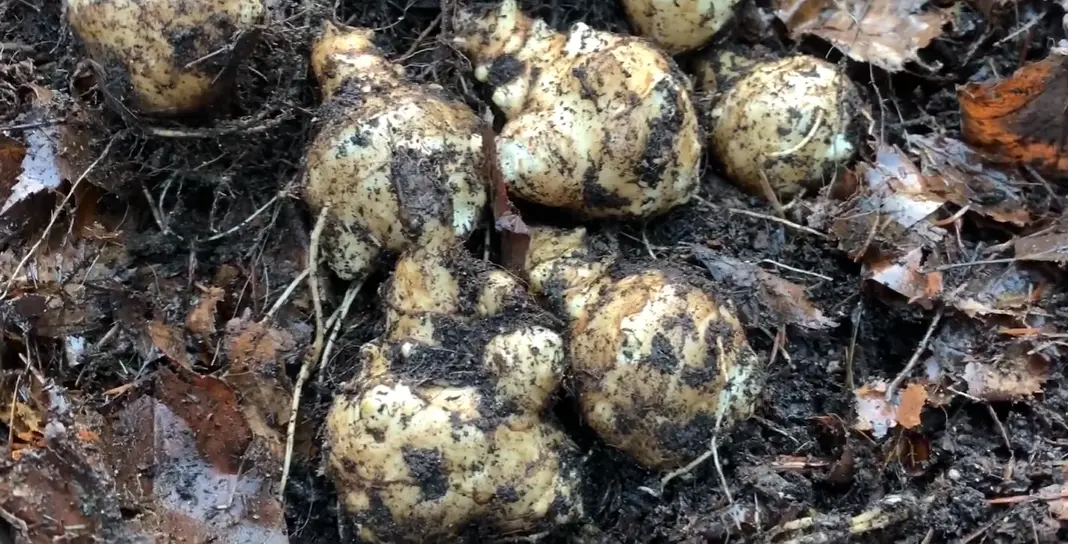
If you’ve been growing Jerusalem artichokes, you’re probably wondering when to harvest Jerusalem artichokes for the best flavor and texture. Picking them too early or too late can affect their taste, texture, and overall quality.
Knowing exactly when to dig them up can make all the difference in enjoying their full flavor. You’ll discover the signs to watch for and tips to ensure your harvest is just right. Keep reading to get the most out of your Jerusalem artichokes this season!
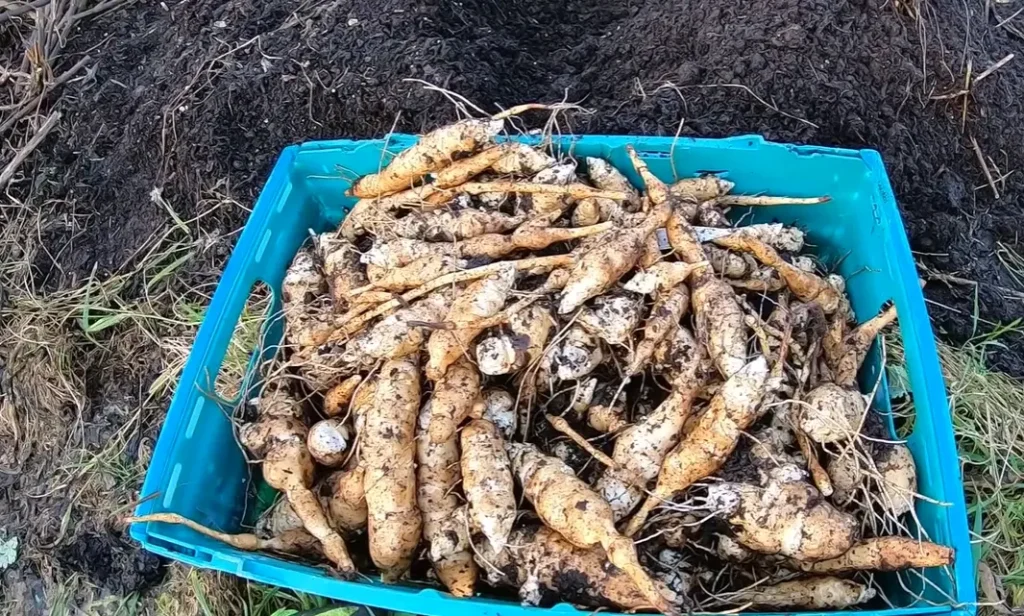
The growth cycle of Jerusalem artichokes is simple but important to know. Understanding this cycle helps farmers and gardeners decide the best time to harvest. The plant grows in stages, from planting the tubers to full maturity. Each stage shows signs that signal the right time to dig up the tubers.
Plant Jerusalem artichokes in early spring after the last frost. The soil should be warm and loose for good tuber growth. Planting can continue into early summer but avoid very hot weather. Early planting gives the plants more time to grow big tubers.
First, shoots appear above the soil within two to three weeks. Then, stems and leaves grow tall, sometimes reaching eight feet. The plant blooms with small yellow flowers in late summer. Tubers develop underground during the whole growing season.
Leaves start to turn yellow and dry in late fall. This shows the tubers are ready to harvest. Frost can improve the flavor by converting starch into sugar. Harvest tubers after the first frost but before the ground freezes hard.
Knowing the right time to harvest Jerusalem artichokes is important for the best taste and texture. The ideal harvest timing depends on weather, soil, and how you want your tubers. This section explains key points to help you pick the perfect moment to dig them up.
Jerusalem artichokes taste sweeter after the first frost. Cold weather helps convert starches into sugar in the tubers. Wait until leaves start to die back naturally. Frost makes tubers easier to dig and improves flavor. Harvesting too early can result in tough, less tasty tubers.
Choose dry soil for harvesting Jerusalem artichokes. Wet soil can cause tubers to rot or get damaged. Wait a few days after rain before digging. Loose soil helps keep tubers whole and clean. Avoid harvesting in muddy or frozen ground to protect the roots.
Smaller tubers have a crisper texture but less sweetness. Larger tubers can be softer and sweeter after frost. Harvest some tubers early and some later to taste both. Try different sizes to find your favorite flavor and texture. This balance depends on personal preference and use in cooking.
Harvesting Jerusalem artichokes requires care and the right approach. Using proper techniques helps protect the tubers and plants. It also makes the process easier and more efficient. This section covers tools, safe digging, and storage tips for a successful harvest.
Use a garden fork or spade to dig around the plants. Gloves protect your hands from rough soil and sharp edges. A basket or container helps collect the tubers. Avoid using sharp tools that can cut or damage the tubers.
Gently loosen the soil around the plant first. Lift the plant slowly to avoid breaking tubers. Work carefully to keep the tubers whole. Dig wide around the plant to find all tubers. Shake off excess soil before placing tubers in your container.
Handle tubers with care to avoid bruising. Do not wash immediately; store dry to prevent rot. Keep tubers in a cool, dark place with good airflow. Use breathable bags or crates for storage. Check tubers regularly and remove soft or damaged ones.
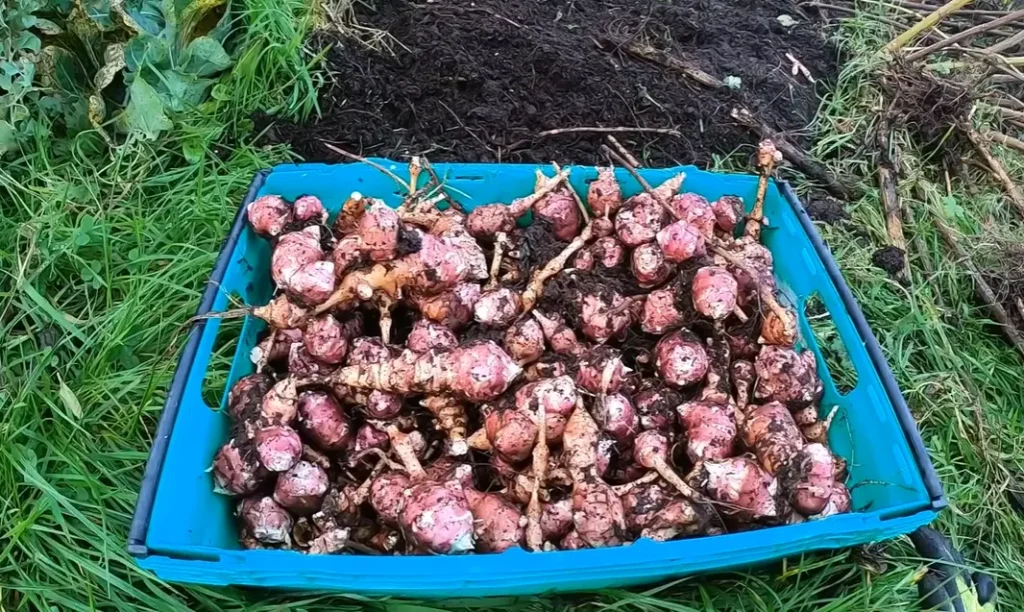
Harvesting Jerusalem artichokes presents several challenges. These challenges can affect the quality and quantity of your crop. Understanding common issues helps avoid losses and ensures a good harvest. Managing pests, handling tubers carefully, and preserving them properly are key steps.
Jerusalem artichokes attract pests like wireworms and aphids. These pests damage tubers underground or eat leaves above ground. Regularly check plants for signs of pest damage. Use natural pest control methods to protect your crop. Crop rotation helps reduce pest build-up in the soil.
Tubers bruise and break easily during harvest. Use gentle tools like digging forks instead of shovels. Lift tubers carefully to avoid cuts or bruises. Damage can lead to rot and reduce shelf life. Clean tubers softly to remove soil without harming them.
Freshly harvested tubers spoil quickly if stored poorly. Keep tubers in a cool, dark, and humid place. Avoid washing tubers before storage to prevent mold. Use breathable containers like mesh bags or crates. Regularly check stored tubers and remove any that show spoilage.
Jerusalem artichokes are versatile tubers with a nutty, sweet flavor. Using and preserving them properly helps keep their taste and texture fresh. These tubers work well in many dishes and can last longer with the right storage methods.
Jerusalem artichokes can be eaten raw. Slice them thin for salads or snacks. Roasting brings out their natural sweetness. Try roasting with olive oil and herbs for a tasty side dish. They also blend well in soups and stews, adding a creamy texture. Boiling and mashing is another simple way to enjoy them.
Store Jerusalem artichokes in a cool, dark place. A cellar or refrigerator drawer works best. Keep them in a paper bag or wrapped in a cloth. Avoid plastic bags to prevent moisture buildup. Check regularly for soft spots or mold. Use within two weeks for best quality.
Jerusalem artichokes freeze well after blanching. Boil them for two to three minutes, then cool quickly in ice water. Drain and pack in freezer bags. They keep for up to a year this way. You can also pickle them for a tangy treat. Store pickled tubers in the fridge and use within a few months.
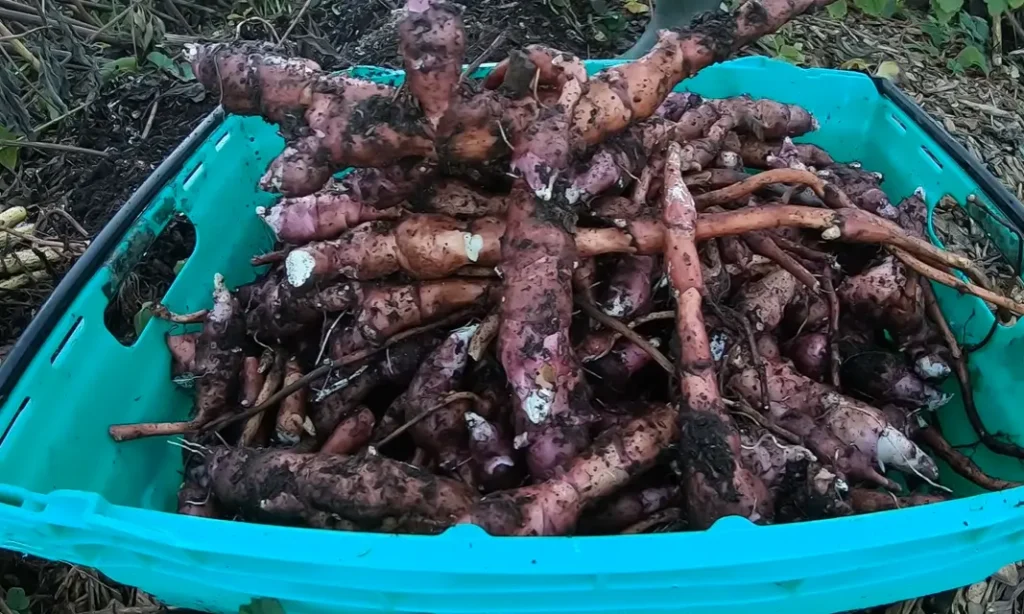
Harvest Jerusalem artichokes after the plant's leaves die back in late fall.
The tubers grow big and firm when the plant's foliage turns yellow and dies.
Yes, but they taste sweeter and store better if harvested after a light frost.
Dig about 6-8 inches deep around the plant base to find mature tubers.
Usually, tubers are ready to harvest 4 to 5 months after planting.
Harvest Jerusalem artichokes after the leaves turn yellow and die back. This signals the tubers are mature and ready to dig up. Harvesting too early results in small, less flavorful tubers. Wait until the soil is dry to avoid damage.
Store the tubers in a cool, dark place to keep them fresh. Enjoy their sweet, nutty flavor in many dishes. Growing and harvesting Jerusalem artichokes is simple with the right timing. Try it this season and taste the difference.