Gardening Made Simple.

Are you wondering the perfect time to harvest your cauliflower? When to Harvest Cauliflower is important to know because picking it too early or too late can affect its taste, texture, and overall quality.
Knowing exactly when to harvest your cauliflower will help you enjoy crisp, delicious heads every time. You’ll discover simple signs to watch for and easy tips to make sure your cauliflower is ready to pick. Keep reading to make the most of your garden’s bounty!
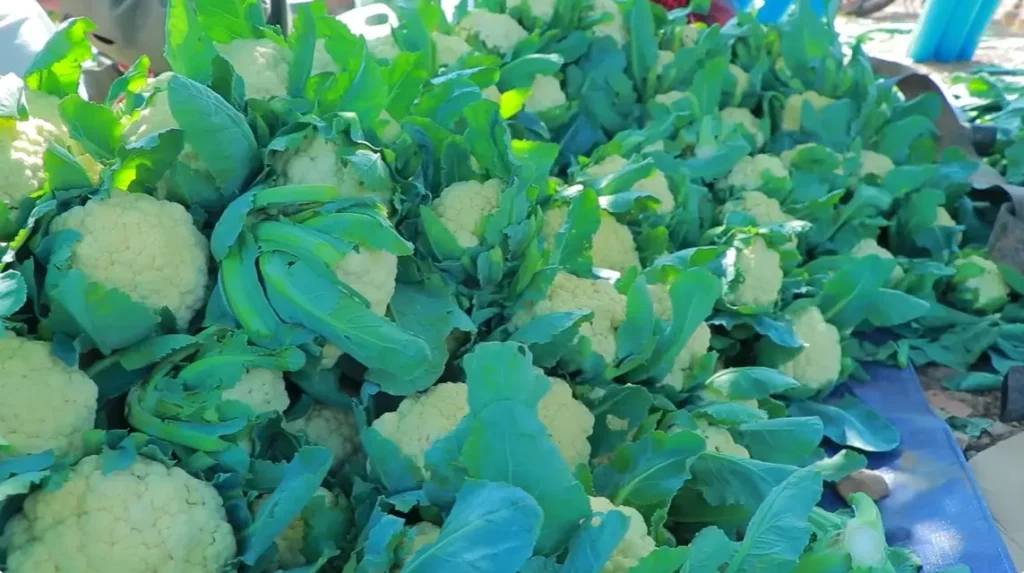
Knowing the signs of mature cauliflower helps you pick the best heads. Harvesting at the right time means better taste and texture. Watch the plant closely. Small changes tell you when it is ready.
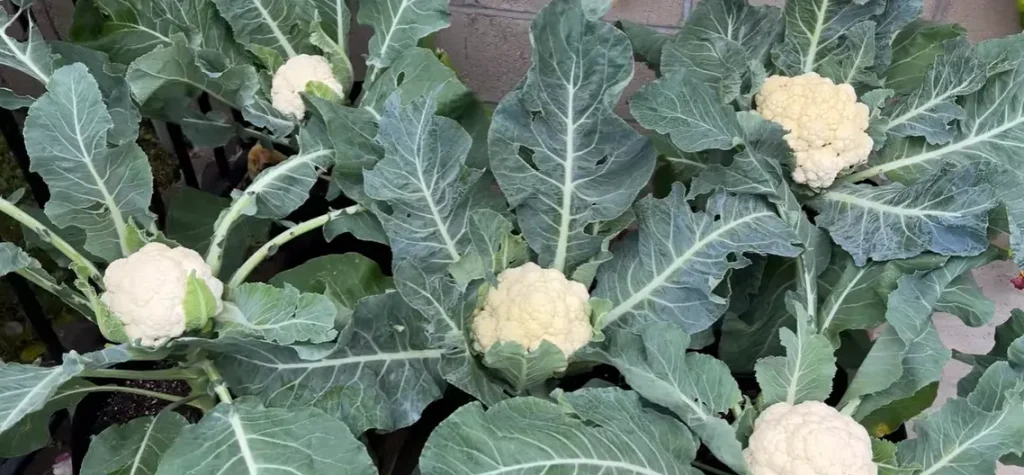
The cauliflower head should be firm and compact. It usually grows 6 to 8 inches wide. The shape must be round and tight, not loose or spread out. Avoid harvesting if the head feels soft or has gaps.
A mature cauliflower head has a creamy white color. Some varieties may show light green or purple shades. The surface must look smooth and free of spots. Rough or yellowing patches mean it is past prime.
Leaves protect the cauliflower head as it grows. They wrap closely around the head when it is ready to pick. The leaves should be green and fresh, not wilted or dry. Drooping leaves can signal overripe cauliflower.
The ideal harvest timeframe for cauliflower is crucial to get the best taste and texture. Knowing the right time helps avoid overripe or underdeveloped heads. Cauliflower heads should be firm, compact, and white or creamy in color. Timing depends on several factors, including the variety, weather, and planting season.
Cauliflower usually takes between 55 and 100 days to mature. Early varieties grow faster, often ready in 55 to 70 days. Late varieties may need up to 100 days. Check the seed packet for specific days to harvest. Monitor the head size and firmness to confirm readiness.
Cauliflower grows best in cool weather. Plant it in early spring or late summer for a fall harvest. Hot weather can cause the heads to become loose or bitter. Cooler seasons produce denser, sweeter heads. Adjust planting times based on your local climate for optimal growth.
Weather changes affect cauliflower maturity. Warm temperatures speed up growth but can lower quality. Cold snaps slow down development and may damage the heads. Consistent moisture helps maintain steady growth. Watch the weather closely and plan your harvest accordingly.
Harvesting cauliflower requires the right tools and careful techniques. Proper tools make cutting easier and protect the vegetable. Good handling keeps the cauliflower fresh and prevents damage. This section explains which tools to use and how to cut and move your cauliflower safely.
Choose a sharp knife or garden shears for clean cuts. Dull tools can crush the stem and harm the plant. A sturdy knife with a straight blade works best. Avoid saws or scissors that might tear the cauliflower. Have a clean cloth nearby to wipe your tools.
Cut the cauliflower head from the main stem carefully. Leave some leaves around the head to protect it during handling. Cut about 1 to 2 inches below the head. Use steady, gentle pressure to avoid bruising. Do not twist or pull the head off the plant.
Handle cauliflower heads gently to prevent bruises. Place them in shallow containers to avoid crushing. Avoid stacking heads too high during transport. Keep the cauliflower cool to maintain freshness. Transport it quickly to reduce the risk of spoilage.
Harvesting cauliflower at the right time is very important. Many gardeners make mistakes that can ruin the crop. These errors can affect the size, taste, and quality of the cauliflower. Learn what to avoid to get the best results from your garden.
Picking cauliflower too soon is a common error. The head may look ready, but it needs more time to grow. Early harvest means small, underdeveloped heads. The taste may be bitter or not fully formed. Wait until the head is firm and compact before harvesting.
Leaving cauliflower in the garden too long causes problems. The head can become loose and start to separate. It may turn yellow or show signs of over-ripeness. Overripe cauliflower loses its sweet flavor and becomes tough. Watch closely and pick at the right stage.
Rough handling during harvest can harm the cauliflower plant. Pulling or twisting the head might break stems or leaves. Damaged plants can stop producing or get diseases. Use a sharp knife to cut the head cleanly. Handle gently to keep the plant healthy for future growth.
After harvesting cauliflower, proper care ensures the vegetable stays fresh and tasty. Post-harvest care involves handling, storing, and preparing the plant for the next season. These steps help keep cauliflower crisp and delicious for longer.
Cauliflower stores best in a cool, dark place. Wrap the head loosely in a plastic bag to keep moisture in. Avoid washing before storage to prevent mold. Keep it in the refrigerator’s crisper drawer. Use within one week for best taste and texture.
Remove any damaged outer leaves before storing. Keep the cauliflower dry to slow decay. Store away from fruits like apples or bananas that release gases causing spoilage. Use a damp cloth to wipe the head gently if it looks dry. Check regularly for any soft spots or mold.
After harvest, clear the garden bed of old plants and debris. Add compost or organic fertilizer to enrich the soil. Rotate crops to prevent disease build-up in the soil. Plan to plant cauliflower or other brassicas in the same spot next season. Healthy soil means better growth and bigger heads.
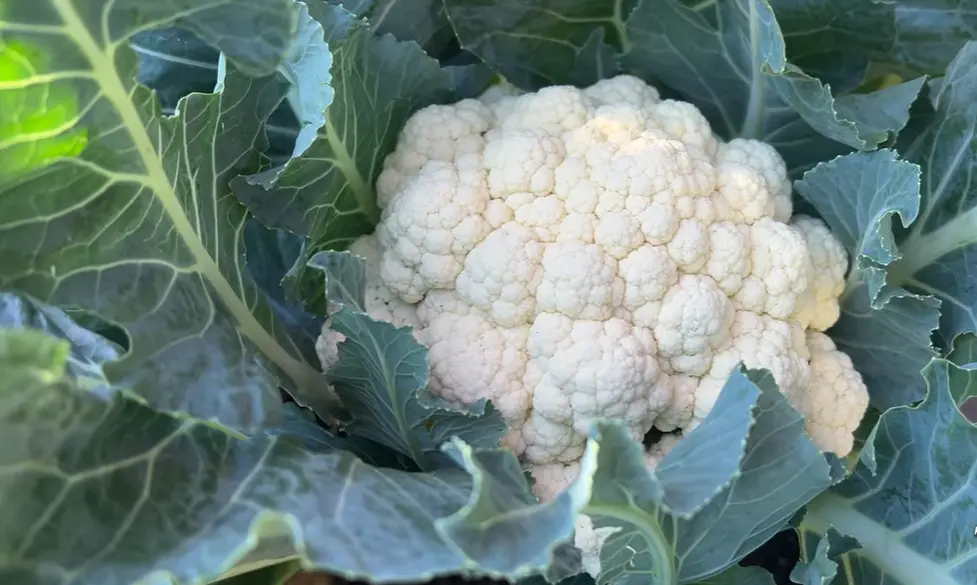
Cauliflower is ready when the head is firm, compact, and about 6 inches wide.
Cauliflower usually takes 55 to 100 days from planting to harvest.
Yes, early harvest gives small heads; late harvest causes loose, bitter heads.
Morning is best; heads are crisp and cool for longer storage.
Cut the head with a sharp knife, leaving some leaves to protect it.
Harvest cauliflower when the heads are firm and tight. Check often to avoid overripe vegetables. Smaller heads usually taste sweeter and more tender. Use a sharp knife to cut the stem cleanly. Harvest early morning for best freshness and flavor.
Store cauliflower in a cool place after picking. Fresh cauliflower adds great taste to many dishes. Enjoy your homegrown cauliflower at its peak quality. Growing your own brings satisfaction and healthy meals. Keep observing your plants to know the right time.
Simple steps lead to a successful harvest every season.