
Gardening Made Simple.
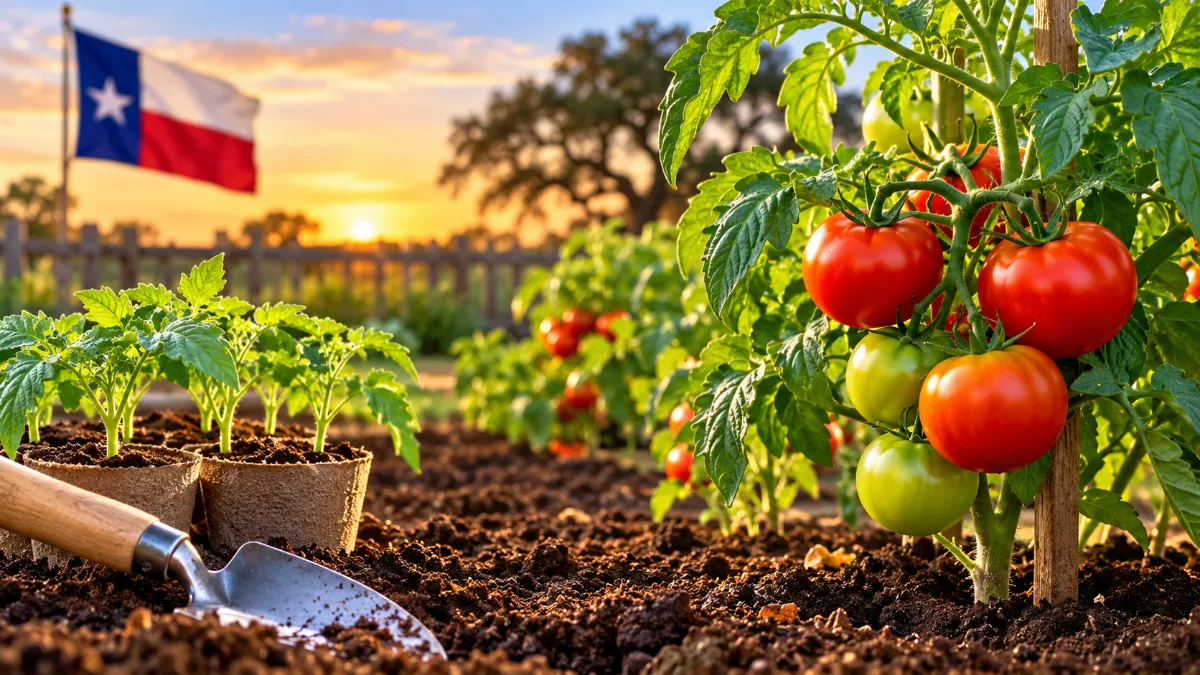
When to plant tomatoes in Texas is less about waiting for one perfect date and more about matching your planting window to your region. In Texas, there are two useful tomato seasons: spring and fall. Spring gives plants time to produce before extreme heat stops fruit set, while a summer planting can mature as temperatures cool in late August and September.
However, gardening advice from Michigan, North Carolina or Canada may not fit a Texas garden. Texas stretches across several growing climates, so the right date can vary by region and even by ZIP code. Therefore, the safest approach is to watch nighttime temperatures, soil warmth and the forecast for hard freezes rather than follow a national calendar.
Plant tomato transplants when nighttime temperatures reliably stay above 50°F (10°C), the soil is warming and you have a plan for protecting plants from a late freeze. In Texas, planting too late can be just as damaging as planting too early because extreme summer heat may arrive before the plants have time to set fruit.
Tomatoes are tropical plants, but they do not produce well through prolonged Texas heat. When daytime and nighttime temperatures remain high, plants may keep producing flowers without turning those flowers into tomatoes. Consequently, that heat delay is why an early, protected planting often gives a better harvest than a cautious late planting.
A useful rule is to think in terms of a race. Young plants need enough warm days to grow, flower and set fruit before the heat becomes excessive. If you wait until April in North Texas simply to feel safe from frost, the plants may have less time to finish that race.
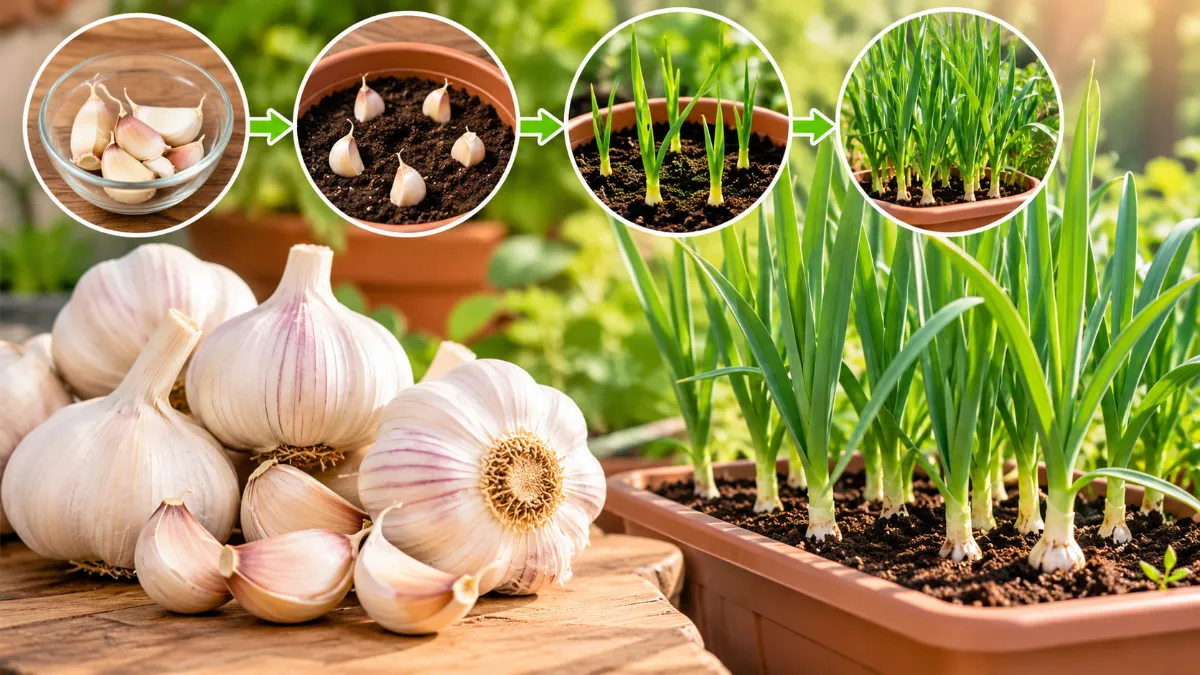
Read More: How to Grow Garlic at Home
Spring planting dates move earlier as you travel south through Texas. North Texas has a shorter spring window before summer heat, while South Texas can plant considerably earlier. Still, these are practical regional ranges, not guarantees, so a hard-freeze forecast should always take priority.
| Texas region | Typical spring planting window | Useful protection |
|---|---|---|
| North Texas, including Dallas and Fort Worth | Mid-March to early April | Keep frost cloth available for sudden freezes. |
| Central Texas, including Austin and San Antonio | Late February to mid-March | Plant after the freeze risk eases and nights warm. |
| South Texas | Late January to February | Use local weather observations because planting can begin earlier. |
| West Texas | Mid-February to March 1 | Use row covers until April when cold nights remain possible. |
For North Texas, early to mid-March is often the strongest opportunity for 4-inch tomato transplants. A grower who has frost cloth ready may plant around the third week of February, then delay until early March if a particularly hard freeze is approaching.
Meanwhile, Central and South Texas gardeners can generally plant earlier because spring warmth arrives sooner. West Texas requires a more defensive approach: the planting window can begin in mid-February, but row covers may remain useful through April.
Early planting gives tomato transplants more time to mature and set fruit before heat delay begins. In many Texas gardens, the real risk is not only a late frost. Instead, it is missing the short period between cool spring nights and the arrival of consistently hot days.
Blossoms may drop when daytime highs consistently exceed 90°F to 95°F. In addition, pollination can fail even when a plant looks healthy and continues producing flowers. That distinction matters: more flowers do not always mean more tomatoes.
Imagine two North Texas gardeners. One plants healthy 4-inch transplants in mid-March and protects them during a brief cold snap. The other waits until April because the forecast feels safer. As a result, the second gardener may avoid frost damage but lose valuable growing time before summer heat interrupts fruit set.
Long-time tomato growers often hedge their bets rather than choose between “plant now” and “wait.” They plant when conditions are reasonable, keep frost cloth nearby and delay only when a serious freeze is forecast. In this way, that approach balances cold risk against the predictable arrival of summer heat.
Late planting can still work, but the size of the transplant becomes more important. Once the ideal spring window has passed, look for larger plants in 6-inch containers to 2-gallon sizes, or choose patio tomatoes already growing in larger pots.
Cherry tomatoes are often somewhat more heat tolerant, so they may handle a later planting better than many slicing types. Also, some heat-tolerant slicing varieties are available. Even so, most tomatoes remain vulnerable to heat delay, so a late planting should come with more modest harvest expectations.
Plant young fall tomato transplants in midsummer so they can survive the hot establishment period and produce as temperatures cool in late August and September. The aim is not to harvest during the harshest July heat. Instead, the plant grows through summer and sets fruit when conditions become more favourable.
North Texas gardeners commonly plant the fall crop from late June to early July. By comparison, Central and South Texas gardeners usually plant from July into early August. In Central and South Texas, counting back roughly 100 to 120 days from the expected first fall frost can help estimate the planting window.
| Region | Fall transplant timing | Main challenge |
|---|---|---|
| North Texas | Late June to early July | Helping young plants establish before late-summer relief. |
| Central Texas | July to early August | Protecting transplants from intense heat. |
| South Texas | July to early August | Timing maturity around the local autumn cooling period. |
Fall planting is particularly useful when the spring crop was planted late, suffered frost damage or stopped setting fruit in the heat. Furthermore, it spreads risk. Instead of depending on one harvest window, gardeners can use two seasons with different weather pressures.
Fresh fall transplants need temporary relief from intense July sunlight. For example, lightweight shade cloth, floating row cover or a simple cardboard tent can reduce stress for the first few weeks while roots establish.
Shade is a short-term establishment tool, not a permanent cover. Therefore, a cardboard tent should allow air movement and should not press against the foliage. Lightweight materials are preferable because they reduce heat buildup and are easier to remove after the plant adjusts.
The most economical planting choice depends on whether you are early, on time or late in the season. A small 4-inch transplant is usually a sensible spring purchase when planted during the prime window. Later in spring, a larger plant may cost more but can save valuable weeks of growth.
| Situation | Practical choice | Trade-off |
|---|---|---|
| Prime spring window | Healthy 4-inch transplant | Lower initial cost, but it needs frost protection. |
| Spring planting after mid-March in North Texas | 6-inch to 2-gallon plant | Higher upfront cost, with less lost growing time. |
| Limited space | Patio-type tomato in a larger pot | Convenient for containers, but watering demand can be higher. |
| Late summer fall crop | Young transplant with temporary shade | Requires careful watering and heat protection at first. |
A budget-minded gardener should compare purchase price with lost harvest time. In practice, buying the cheapest small plant in late spring may not be the best value if the plant spends its short remaining season trying to establish. The larger transplant can sometimes make better practical sense because it starts closer to flowering size.
For region-specific vegetable guidance, the Texas A&M AgriLife tomato production resource is a useful official reference. Additionally, local nursery staff can provide valuable observations because they see regional weather patterns and planting demand in real time.
The most common mistake is treating a statewide planting date as if every Texas garden had the same climate. Texas is too large for one universal tomato calendar. For instance, a date that works in South Texas may expose a North Texas plant to frost, while a date that feels cautious in North Texas may be too late for a full spring harvest.
Another mistake is using the same expectation for every variety. Cherry tomatoes may tolerate heat a little better than some slicing varieties, but “more tolerant” does not mean immune to heat delay. Therefore, variety selection can improve the odds, yet timing remains the central decision.
Use a flexible planting plan rather than one fixed date. Watch the forecast, prepare protection in advance and choose transplant size according to the calendar. Overall, this method is more reliable than waiting for a single official planting day.
A practical observation is worth remembering: a tomato plant can look vigorous and still be unproductive if heat arrives during flowering. Thus, successful timing is measured by fruit set, not simply by how quickly the plant grows.
Planting before the last frost is possible only with reliable protection and a favourable forecast. When possible, wait until nights are consistently above 50°F, and keep frost cloth ready for sudden cold.
Dallas and much of North Texas usually favour mid-March to early April. Experienced growers may plant around the third week of February with frost protection, then delay if a hard freeze is forecast.
April may be late for small spring transplants in North Texas because extreme heat can arrive before fruit sets. Instead, choose a larger plant or a patio type and adjust harvest expectations.
North Texas gardeners generally plant in late June or early July. Meanwhile, Central and South Texas gardeners usually plant from July to early August, using the expected first fall frost as a timing guide.
Consistently hot days above 90°F to 95°F can interfere with pollination. Although the plant may continue making flowers, those blossoms can drop without producing fruit.
Cherry tomatoes are often somewhat more heat tolerant than many slicing types. They can handle a slightly later planting in some gardens, although extreme heat can still reduce fruit set.
Young fall transplants benefit from temporary shade during intense July heat. For the first few weeks, shade cloth, floating row cover or a ventilated cardboard tent can help them adjust.
The answer to when to plant tomatoes in Texas changes with location, temperature and transplant size. Spring planting should begin after cold nights ease, but not so late that extreme heat removes the fruit-setting window. Therefore, North, Central, South and West Texas each need a slightly different strategy.
Use spring for the earliest productive crop and summer for a fall harvest. Before buying plants, check the local forecast, prepare frost or shade protection and select a transplant size that fits the remaining season. For the final decision, compare local conditions with regional guidance from a trusted Texas horticulture source.
Subscribe to the blog and newsletter to get new updates in simple, clear words straight to your inbox.
Recent Articles
Related Articles
Keengarden is your simple, friendly guide to growing healthy plants, fixing garden problems, and choosing the right tools.
© 2025 keengarden. All rights reserved. Designed by Affpilot