Gardening Made Simple.
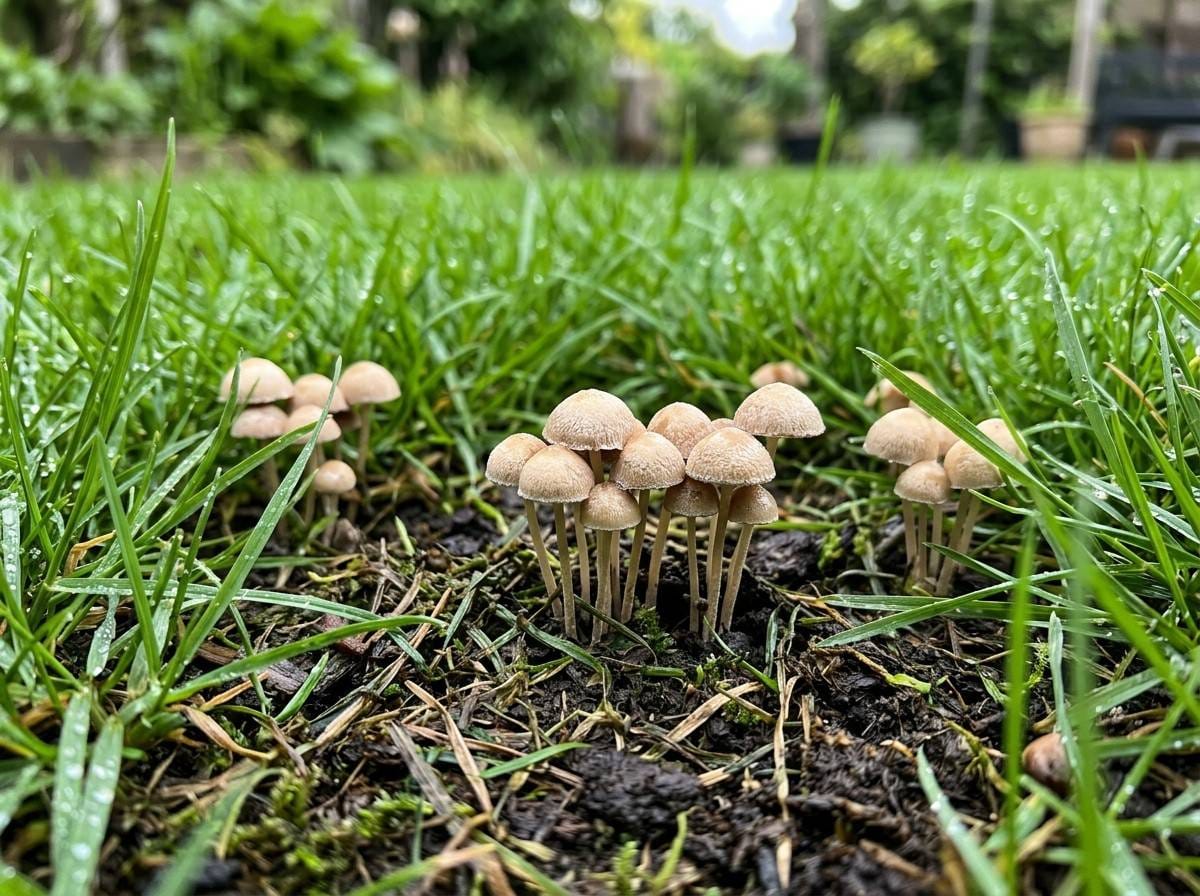
Are mushrooms popping up all over your lawn and ruining its perfect look? You’re not alone, and dealing with them can be frustrating. Finding the Best Mushroom Killer for Lawns can help you choose an effective option for managing unwanted mushrooms while considering ease of use and lawn safety. In this review, we’ll compare popular products, their key features, effectiveness, and practical tips for preventing mushrooms from returning.
But don’t worry—finding the best mushroom killer for your lawn can help you take control quickly and safely. You’ll discover easy, effective solutions that protect your grass without harm. Keep reading to learn how to get your lawn back to green, healthy, and mushroom-free in no time.
Mushrooms often appear suddenly in lawns. Many homeowners find them unwanted and puzzling. Understanding what causes lawn mushrooms helps control their growth. Mushrooms grow due to specific conditions in your soil and environment. Recognizing these causes is key to managing your lawn better.
Mushrooms grow best in damp, rich soil. Lawns with decaying organic matter attract fungi. Poor drainage or overwatering creates moist soil, perfect for mushrooms. Compacted soil with little air encourages their growth. Mushrooms thrive where the soil stays wet and cool.
Many mushroom species grow in lawns. Some common types include Fairy Rings, Puffballs, and Ink Caps. These mushrooms feed on dead roots and organic matter. Most are harmless but can look unsightly. Identifying the type helps decide if removal is needed.
Mushrooms often appear in spring and fall. These seasons have ideal moisture and temperature. Heavy rains followed by warm days trigger mushroom growth. Dry or hot summer months reduce their presence. Watching seasonal changes helps predict mushroom outbreaks.
Mushrooms on your lawn can be a sign of healthy soil. But too many can spoil your grass’s look. Effective mushroom killers remove mushrooms safely and keep your lawn healthy. These options include chemical fungicides, natural remedies, and homemade solutions. Each method works differently and suits various needs.
Chemical fungicides kill mushroom spores fast. They stop mushrooms from growing and spreading. These products often contain active ingredients like chlorothalonil or thiophanate-methyl. Apply them carefully on damp grass for best results. Follow the instructions on the label for safety. Use fungicides only when mushrooms are a big problem. They protect your lawn from fungi but can affect other plants too.
Natural remedies reduce mushrooms without harsh chemicals. They improve soil drainage and reduce organic debris. Aerating your lawn helps air reach the roots and dry the soil. Removing thatch and dead grass cuts mushroom food. Applying lime or gypsum balances soil pH and discourages fungal growth. These methods take more time but support a healthy lawn overall. They are safe for children and pets.
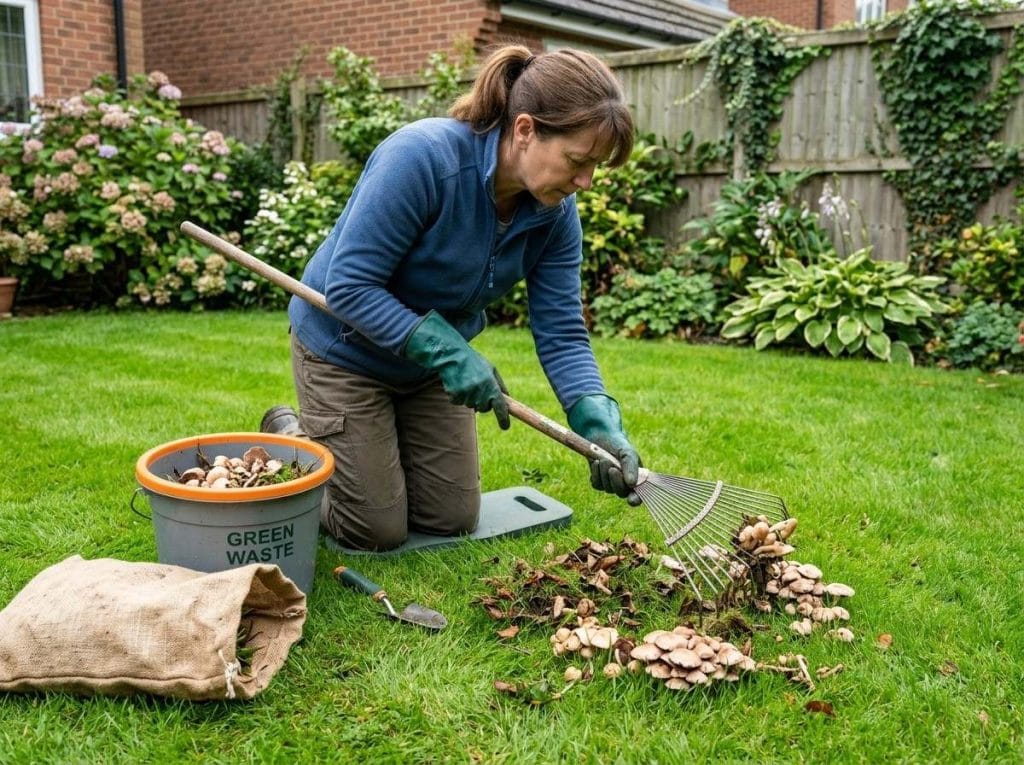
Homemade solutions offer simple, low-cost ways to fight mushrooms. A common mix uses baking soda and water sprayed on mushrooms. Vinegar diluted with water also helps to dry out mushrooms. Saltwater sprays can kill mushrooms but use them sparingly. Too much salt can harm your grass. Remove mushrooms by hand after spraying to prevent spores from spreading. These solutions provide quick relief and are easy to prepare at home.
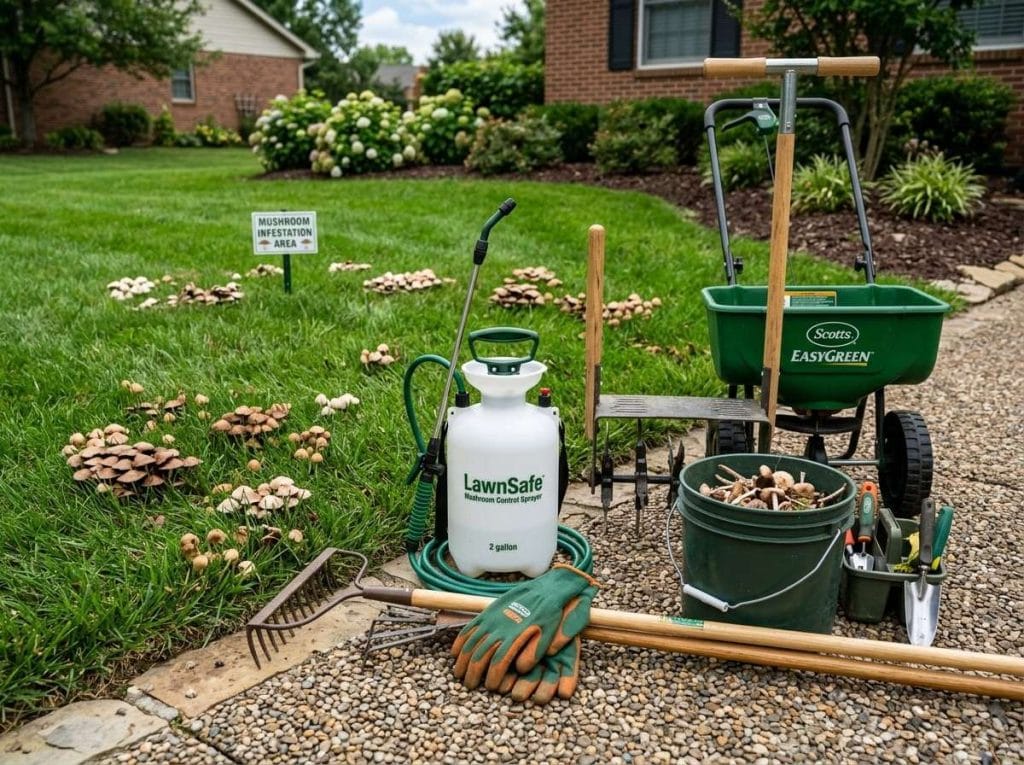
Controlling mushrooms in your lawn takes more than just buying the right product. Proper application helps stop mushrooms from coming back. Follow these tips to get the best results and keep your lawn healthy.
Apply mushroom killer when mushrooms first appear. Early treatment stops spores from spreading. Avoid applying during heavy rain to prevent washing away. The best time is in the morning or late afternoon. These times reduce sunlight damage and improve absorption.
Wear gloves and a mask during application. Mushroom killers contain chemicals that may irritate skin or lungs. Keep children and pets away from treated areas. Wash hands and clothes after use. Store products out of reach and in a cool place.
Repeat treatment every two to four weeks for strong control. Some products require multiple applications to fully stop mushrooms. Avoid overuse, as it can harm grass and soil. Watch your lawn closely and treat again if mushrooms return.
Stopping mushrooms from growing again takes more than just killing them once. It needs care and good lawn habits. Mushrooms grow well in damp, shady, and organic-rich places. Changing these conditions helps keep mushrooms away for longer.
Water that stays too long in the soil helps mushrooms grow. Fixing lawn drainage moves water away faster. Aerate the soil to let air and water flow better. Add sand or organic matter to improve soil texture. A dry lawn means fewer mushrooms.
Mushrooms feed on dead leaves, grass clippings, and wood. Removing this debris cuts off their food source. Rake leaves and clear away dead plants regularly. Avoid piling grass clippings or mulch too thick. Clean lawns discourage mushroom growth.
Cutting grass the right way helps keep your lawn healthy. Mow at the right height, not too short or too tall. Use sharp mower blades to avoid hurting grass. Grass that grows strong can resist mushrooms better. Consistent mowing helps control moisture and debris.
Mushrooms in your lawn can be more than just an eyesore. Sometimes, they signal a deeper problem. Knowing when to call a professional can save your lawn from serious damage. Professionals have the knowledge and tools to handle tough mushroom infestations. This section explains key signs and expert treatment options.
Large clusters of mushrooms spreading fast show severe infestation. Mushrooms appearing repeatedly after rain or watering is another sign. Dead grass or patches around mushrooms suggest damage below the surface. Persistent foul smells may also indicate a serious fungal issue. If mushrooms grow near tree roots or landscaping, the problem might be widespread.
Professionals use specialized fungicides that target mushroom fungi effectively. They assess soil health and adjust pH to stop mushroom growth. Aeration and proper drainage treatments help reduce moisture, limiting fungus spread. Experts also recommend removing infected organic matter safely. These treatments often last longer than DIY methods and prevent future outbreaks.
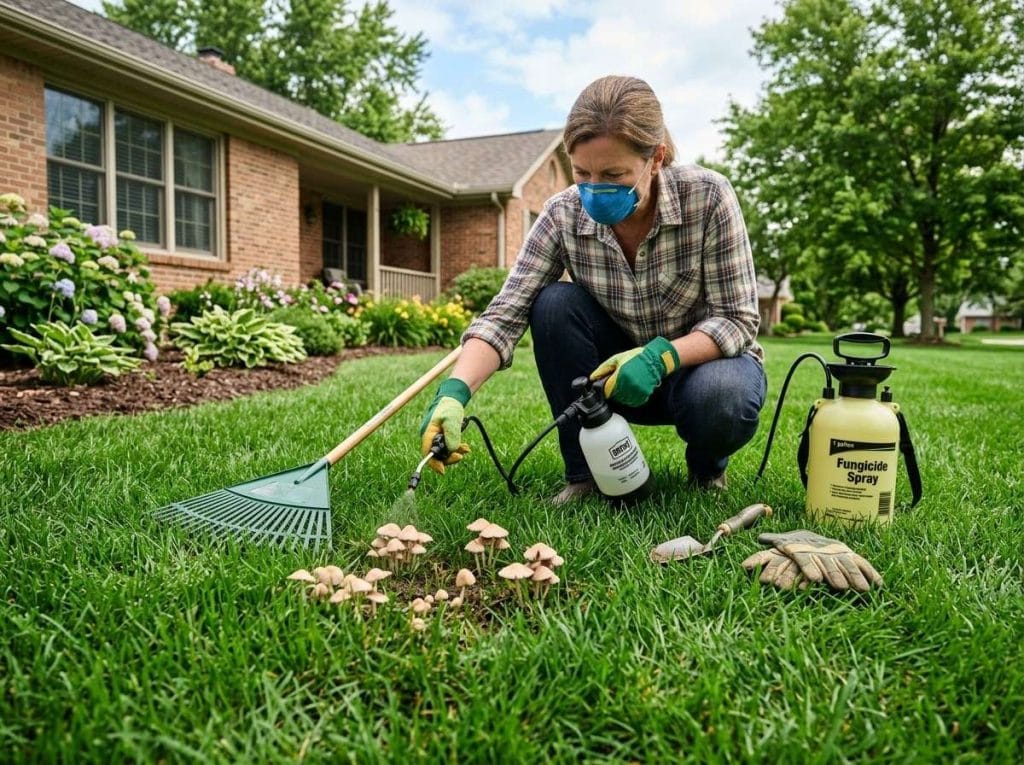
Mushrooms grow from fungi feeding on dead grass and organic matter in soil.
Look for products safe for grass, effective against fungi, and easy to apply.
Some mushroom killers can damage grass; always check product instructions before use.
Apply mushroom killer as directed, usually every 2 to 4 weeks for best results.
Natural options like baking soda or vinegar may help but are less effective than chemicals.
Controlling mushrooms in your lawn keeps it healthy and green. Choose a mushroom killer that suits your lawn type and needs. Apply it carefully, following the instructions for best results. Regular lawn care helps prevent mushrooms from growing back. Remember, patience and consistency make a big difference.
A mushroom-free lawn looks neat and feels great to walk on. Keep your grass strong to stop mushrooms naturally. Small steps lead to a beautiful, clean yard. Stay attentive and enjoy a mushroom-free lawn all year.