Gardening Made Simple.

Have you ever noticed brown spots on broccoli and wondered if it’s still safe to eat? Those little marks can be confusing, especially when you want to enjoy fresh, healthy meals. Understanding what causes brown spots on broccoli and how to prevent them can help you keep your vegetables fresh, nutritious, and delicious.
Understanding what causes these brown spots and how they affect your broccoli can help you make the best choice for your family’s health. You’ll discover simple ways to identify, prevent, and handle brown spots so your broccoli stays fresh and tasty every time.
Keep reading—you’ll never look at broccoli the same way again!
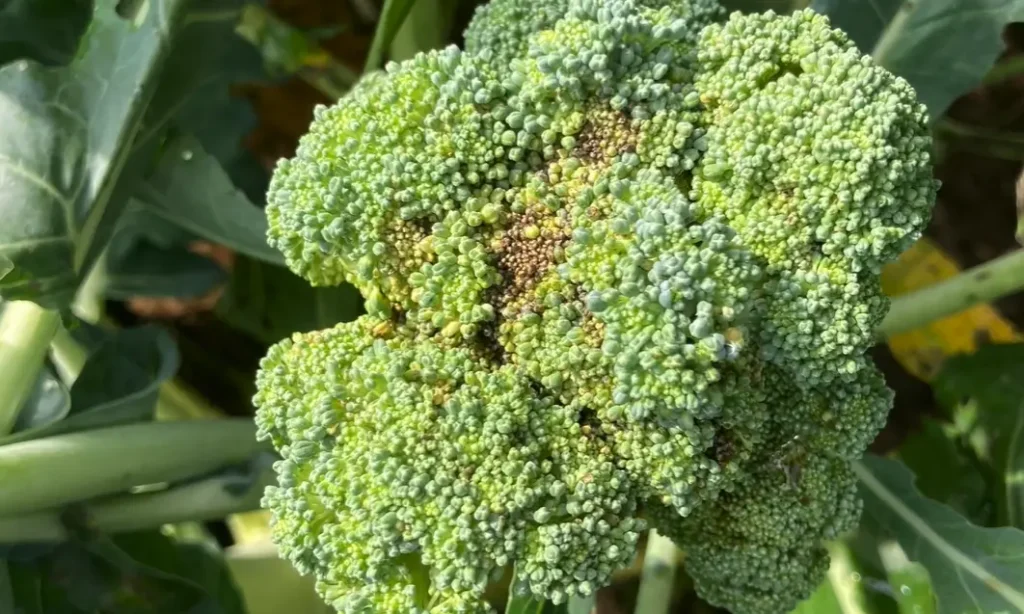
Brown spots on broccoli can be frustrating. These spots affect the vegetable’s look and taste. Understanding what causes these spots helps keep broccoli fresh longer. Several factors lead to brown spots. Each has unique signs and ways to prevent it.
Broccoli ages after harvest. Over time, its green color fades. Brown spots appear as the vegetable loses freshness. This process happens even with good storage. The spots show the broccoli is past its prime. Eating broccoli before spots form ensures better taste and nutrition.
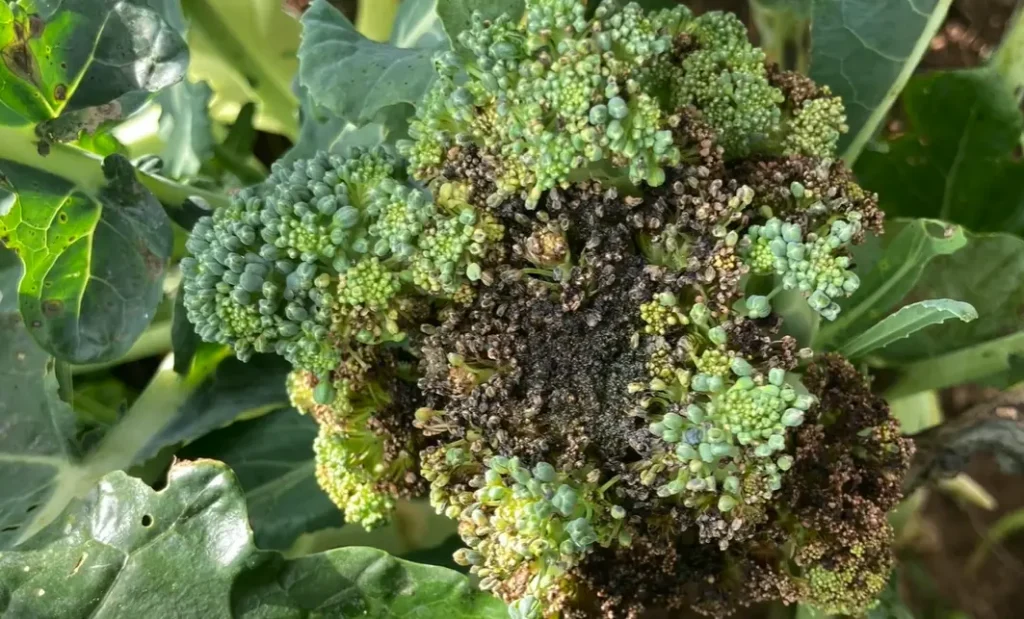
Fungi can infect broccoli during growth or storage. These infections cause small brown or black spots. The spots may spread quickly if not handled properly. Fungal spots often feel soft or slimy. Proper washing and drying help reduce fungal growth.
Broccoli is delicate and bruises easily. Rough handling causes bruises that turn brown. Cutting or dropping broccoli can also cause spots. Damaged areas spoil faster and attract fungi. Careful handling during picking, packing, and transport is crucial.
Storing broccoli in warm or humid places causes brown spots. Moisture buildup encourages decay and mold. Leaving broccoli uncovered in the fridge also speeds spoilage. Use a plastic bag with holes and keep it cold. Proper storage slows down browning and keeps broccoli fresh.
Brown spots on broccoli spoil its fresh look and taste. Preventing these spots helps keep broccoli crisp and healthy. Simple steps can stop brown spots from forming. Follow easy care tips from choosing to storing broccoli.
Pick broccoli with tight, green heads. Avoid any with yellow or brown patches. Check the stems; they should be firm and not soft. Fresh broccoli lasts longer and resists browning better.
Handle broccoli gently to avoid bruises. Rough handling causes damage that leads to brown spots. Wash broccoli just before cooking, not before storing. Excess moisture encourages spotting and spoilage.
Store broccoli in the refrigerator, not at room temperature. Keep it in a perforated plastic bag to allow air flow. Avoid sealing broccoli tightly to prevent moisture buildup. Use broccoli within a few days for best freshness.
Sprinkle lemon juice on broccoli to slow browning. Vinegar water rinse can help remove bacteria. These natural methods keep broccoli fresh and green longer. Use them just before cooking or eating for best effect.
Brown spots on broccoli can look unappetizing. They do not always mean the broccoli is bad. Quick fixes help save your broccoli and make it tasty again. These easy steps take little time and improve the vegetable's look and taste.
Start by cutting off the brown spots with a sharp knife. Remove all discolored parts to keep the fresh green intact. This simple step stops the spots from spreading. It also makes broccoli look cleaner and fresher on your plate.
Soak broccoli in cold water for 15 to 20 minutes. Cold water helps revive the vegetable and reduce brown patches. It also removes dirt and small bugs hiding in the florets. After soaking, dry the broccoli well before cooking or storing.
Mix lemon juice or vinegar with water to soak the broccoli. The acid in lemon and vinegar slows browning. Soak for about 5 minutes, then rinse well. This method brightens the broccoli and adds a fresh taste.
Roasting, steaming, or stir-frying broccoli can hide brown spots. These cooking methods soften the vegetable and improve flavor. Add spices or sauces to cover any imperfections. This way, brown spots become less noticeable on your dish.
Knowing when to discard broccoli is important for your health and taste. Brown spots on broccoli may signal it is past its best. Some changes are normal, but others warn of spoilage. Learning to spot the signs helps you avoid eating bad broccoli.
Brown spots that spread quickly mean spoilage. Soft or mushy stems show the broccoli is going bad. A strong, unpleasant smell is another clear sign. Mold growth, especially white or black, means discard immediately. Avoid broccoli with slimy texture or large dark patches.
Eating spoiled broccoli can cause stomach pain. It may lead to nausea or vomiting. Mold can trigger allergies or breathing problems. Harmful bacteria may grow on bad broccoli. Avoid risks by throwing out questionable broccoli quickly.
Wrap spoiled broccoli in a plastic bag. Seal the bag tightly to stop smells. Throw it in the trash outside your home. Compost only if you have a safe system. Never eat or feed spoiled broccoli to pets.
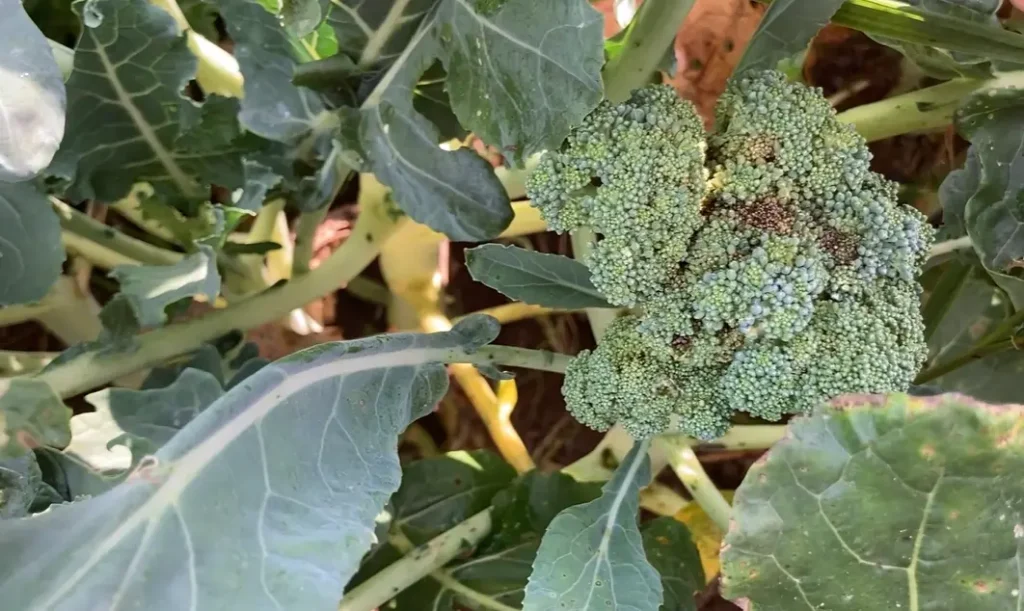
Brown spots on broccoli are caused by age, bruising, or mild fungal growth.
Yes, small brown spots do not usually affect broccoli’s safety or taste.
Store broccoli in a cool, dry place and avoid rough handling to prevent spots.
Brown spots slightly reduce freshness but do not significantly lower broccoli’s nutrients.
Cooking softens broccoli but does not remove brown spots; trimming is better for appearance.
Brown spots on broccoli usually mean it is aging or bruised. These spots do not always make the broccoli unsafe to eat. You can cut away the brown parts and still enjoy the rest. To keep broccoli fresh longer, store it in the fridge properly.
Check broccoli before buying to choose the freshest bunch. Eating fresh broccoli gives you the best taste and nutrition. Paying attention to small details helps reduce food waste at home. Simple care keeps your vegetables tasty and healthy.