Gardening Made Simple.
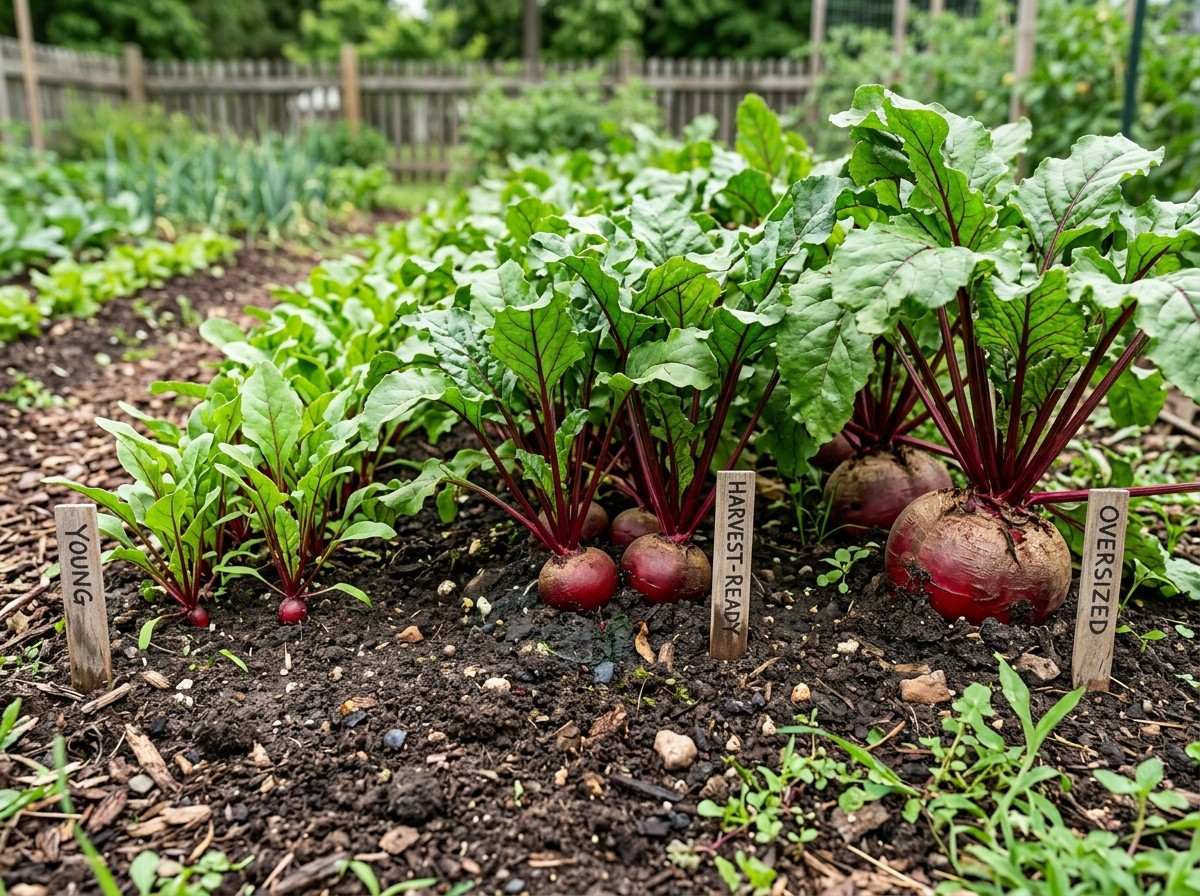
Red beets are a favorite among gardeners and home cooks for their earthy flavor, bright color, and nutritional benefits. Growing beets is not difficult, but knowing when to harvest red beets can be tricky for both beginners and experienced growers. Harvesting at the right time is key to getting the best taste, texture, and nutrient value. If you wait too long, your beets may turn woody or bitter. If you pick too soon, you’ll miss out on their full size and sweetness.
This article guides you through the complete process: from planting and growing, to recognizing harvest signs, and even what to do if you miss the ideal time. You'll get practical advice, real examples, and data that help you make confident decisions. Whether you’re growing in a garden bed, containers, or raised beds, you’ll find clear answers on how to get the most from your red beets.
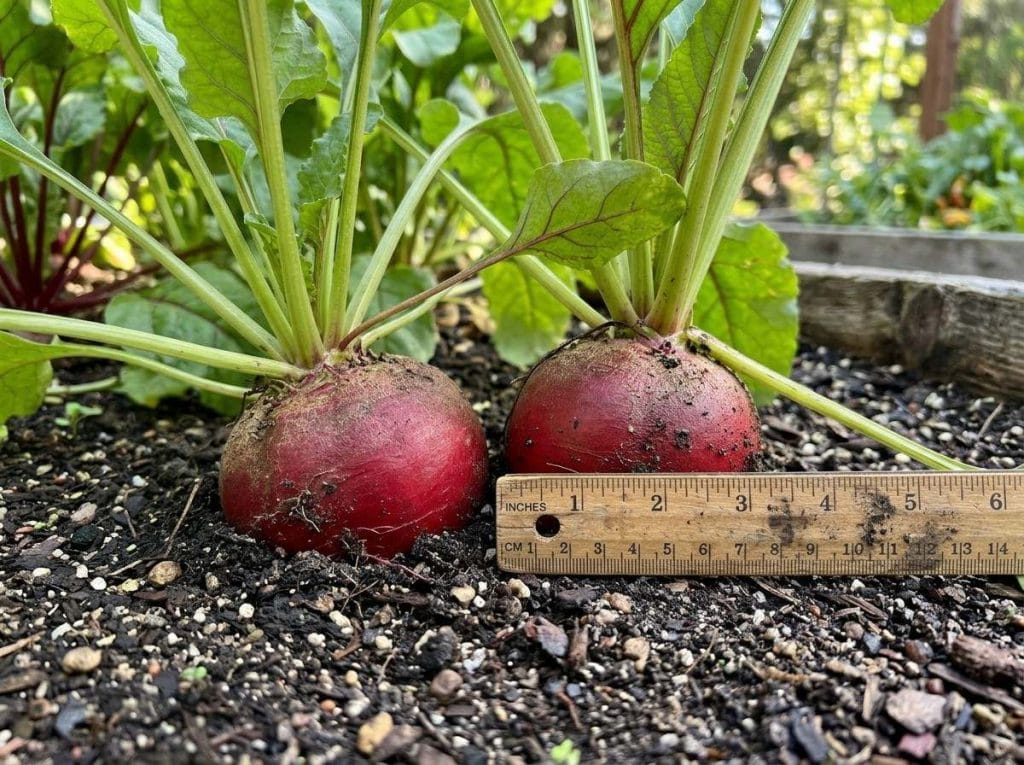
Red beets, also known as beetroot, go through several stages before they’re ready to harvest. The growth cycle affects when you should pick them.
Most red beet varieties reach maturity in 50–70 days. Some fast-growing types are ready in just 45 days, while others may take up to 80 days. Factors like temperature, soil quality, watering, and sunlight can speed up or slow down growth.
| Variety | Days to Maturity | Bulb Size |
|---|---|---|
| Detroit Dark Red | 60 | 2–3 inches |
| Bull's Blood | 55 | 1.5–2 inches |
| Ruby Queen | 52 | 2–2.5 inches |
| Cylindra | 65 | 2 inches diameter, 6–8 inches long |
Non-obvious insight: Many new gardeners only look at days to maturity. But actual harvest timing depends just as much on bulb size and local growing conditions.
Harvesting red beets at the right time depends on more than just the calendar. Look for these clear signs:
Non-obvious insight: The best-tasting beets are often harvested just before full maturity, when roots are still tender.
Many people worry about harming their plants when checking beet size. Here’s a safe way:
If you’re growing several plants, sacrifice one to check maturity. The rest will not be affected.
When you know your beets are ready, use the right harvesting method:
Beet leaves are edible—use them in salads or saute them for extra nutrition.
Your harvest timing can change depending on how you plan to use your beets:
| Use | Size | Days to Harvest |
|---|---|---|
| Salads | 1–1.5 inches | 35–45 |
| Roasting | 2 inches | 50–60 |
| Canning | 2–3 inches | 60–70 |
| Pickling | 3+ inches | 70–80 |
Practical tip: Harvest a few beets at different sizes and compare flavor and texture. This helps you find your favorite harvest stage.
Leaving beets in the ground past their ideal time can cause several issues:
If you miss the perfect window, use older beets for recipes that require grating, pickling, or boiling. Avoid eating them raw.
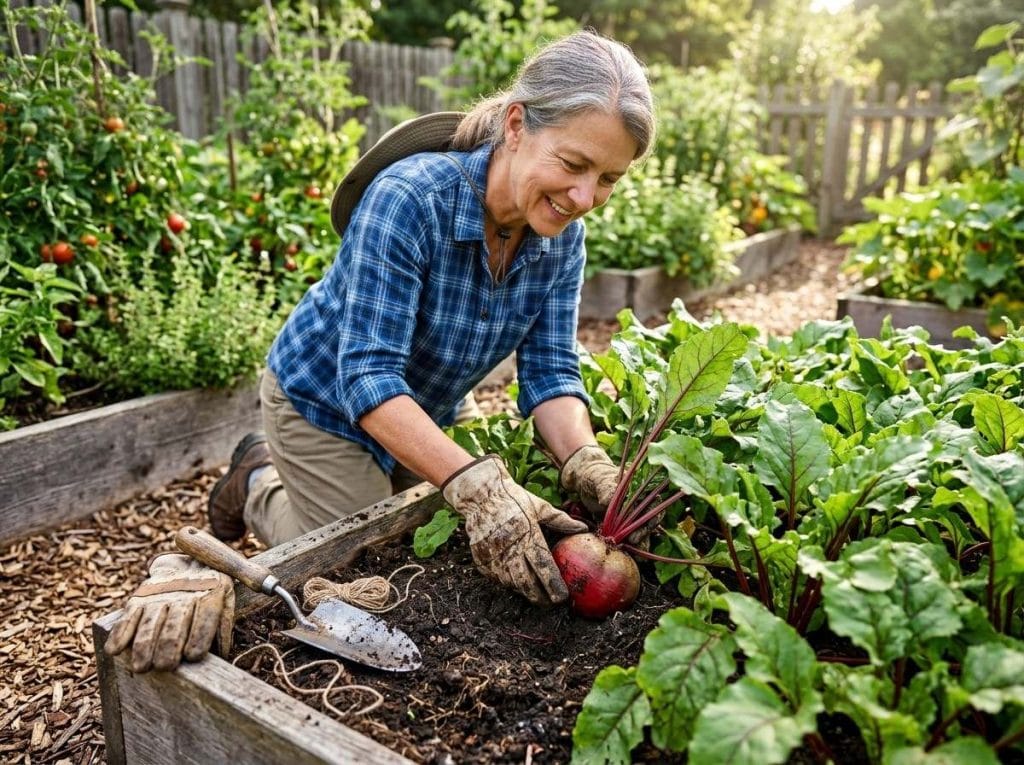
Several factors can change when your red beets are ready:
Beets grow best at 55–75°F (13–24°C). Cooler temperatures slow growth, warmer speeds it up. In hot climates, beets mature faster but can become tough.
Beets need 6+ hours of sunlight daily. Less sun means slower growth and smaller bulbs.
Loose, sandy soil encourages larger, rounder bulbs. Clay soil produces smaller, misshapen beets.
Consistent moisture is important. Drought slows growth, but overwatering causes rot.
Balanced fertilizer boosts bulb development. Too much nitrogen causes leafy growth but small bulbs.
| Factor | Effect on Harvest Timing |
|---|---|
| High temperature | Faster maturity, tougher bulbs |
| Low sunlight | Slower maturity, smaller bulbs |
| Poor soil | Irregular bulb shape, slow growth |
| Excess water | Risk of root rot, soft bulbs |
| High nitrogen | Big leaves, small bulbs |
Non-obvious insight: If your beets are slow to mature, check for hidden problems like compacted soil or poor drainage.
Harvesting red beets can be easy, but there are mistakes to avoid:
Practical tip: Keep a garden journal with planting dates and harvest notes. This helps you improve timing each season.
Proper storage keeps your beets fresh and flavorful.
Never store beets with apples or pears, as they release gases that cause beets to spoil faster.
Red beets grow well in containers and raised beds, but harvest timing is slightly different:
For both, monitor soil moisture closely. Containers dry out faster, which can stunt growth.
Non-obvious insight: Container-grown beets may be ready a week before garden bed beets, even with the same variety.
If you plant beets in waves (every 2–3 weeks), you can harvest continuously. This is called succession planting.
Succession planting reduces waste and gives you fresh beets for several months.
Beet leaves are a bonus crop. Harvest them when they’re 4–6 inches long for best flavor.
Leaves can be used like spinach or chard in recipes.
Growing and harvesting beets varies by region:
In areas with heavy rainfall, monitor for rot and pull bulbs if they show soft spots.
Sometimes you miss the ideal harvest window. Here’s how to recognize and handle poor timing:
If you see pests or disease, harvest immediately to avoid losing your crop.
If you want beet seeds, leave a few bulbs in the ground until they flower. This takes several months, and the bulbs will not be edible. Collect seeds when pods dry and turn brown.
Important: Beet seeds from hybrids may not produce true-to-type plants.
To keep your garden healthy and productive:
These practices support soil health and beet quality.
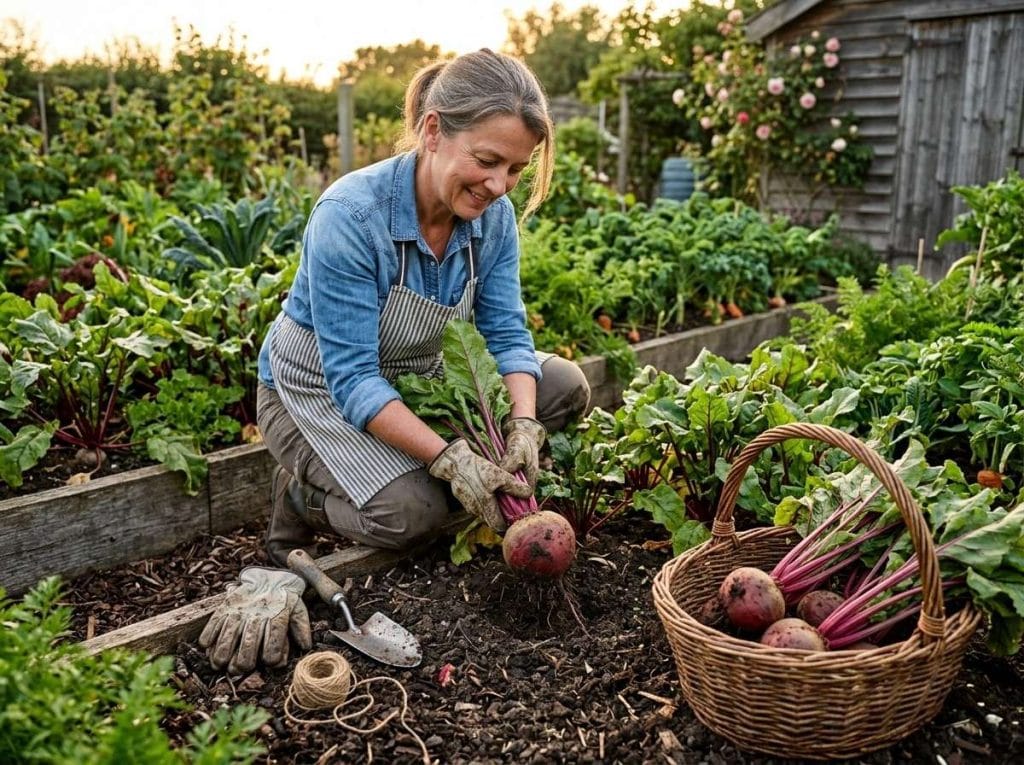
Check for bulbs 1.5–3 inches in diameter, visible above the soil, with firm texture and healthy leaves. Pull one and taste if unsure.
Bulbs will be small and less sweet. They’re still edible, but flavor and texture are not fully developed.
Yes, beet leaves are nutritious. Harvest leaves when they’re 4–6 inches long, but leave some on the plant so bulbs can grow.
Trim leaves, keep bulbs dry, and store in a cool, dark place. Do not wash until ready to use. Beets keep for up to 3 months if stored properly.
Yes, varieties mature at different rates. Check your seed packet, but most red beets are ready in 50–70 days. Monitor bulb size and growing conditions for best results.
Growing red beets is rewarding, but knowing when to harvest red beets makes all the difference. By watching bulb size, leaf health, and days after planting, you’ll get sweet, tender roots every time. Adapt your timing for climate, soil, and use, and avoid common mistakes like harvesting too early or letting bulbs overgrow. Remember, both beet roots and leaves are valuable, and succession planting lets you enjoy a steady supply. With these practical tips, you’ll be harvesting perfect red beets season after season. For deeper gardening advice, visit Gardener's Supply Company.