Gardening Made Simple.
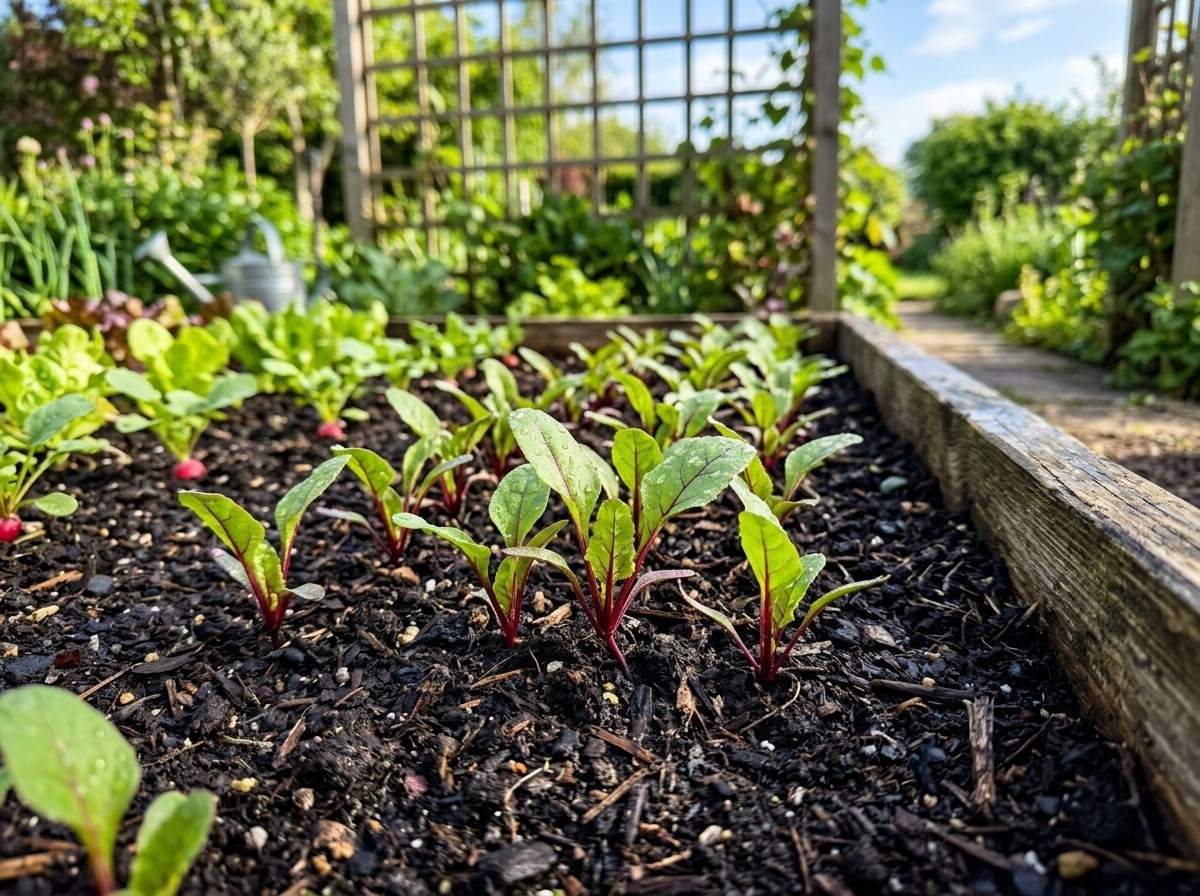
How to Plant Red Beets is a must-know topic for gardeners who want a healthy, productive harvest. If you're wondering how to plant red beets, success starts with choosing quality seeds, preparing well-drained soil, and following the right planting and care techniques.
This guide walks you through every step—from sowing seeds to harvesting tender, flavorful beets—while helping you avoid common mistakes for the best growing results.
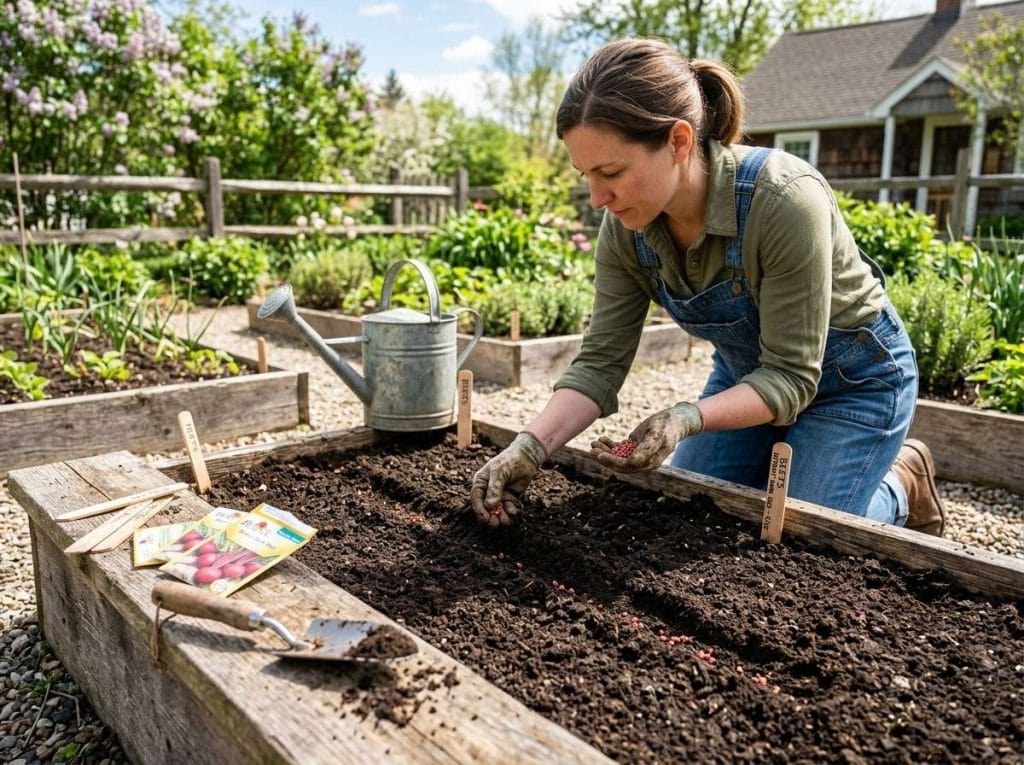
Red beets aren’t just pretty. They are nutritional powerhouses packed with fiber, vitamins, and minerals. Just one cup of cooked beets offers about 3.8 grams of fiber and 37% of your daily folate needs. The earthy, slightly sweet taste works well in both raw and cooked dishes. Growing your own means you control pesticides, enjoy fresher flavor, and save money.
Another advantage: red beets are cool-season crops. They thrive in spring and fall when many other vegetables struggle. This makes them ideal for gardeners looking to extend their harvest season.
Before you plant, it helps to know how beets grow. Red beets (Beta vulgaris) are root vegetables, but their leaves are also edible and highly nutritious. The root grows as a swollen taproot, while the leaves form a loose rosette above ground.
Red beets are biennial by nature. In the first year, they develop roots and leaves; in the second, they flower and set seed. For food, you harvest in the first year, before flowering.
Not all red beets are the same. Some are round, some are cylindrical, and a few have extra-sweet flavor or bolt-resistant genetics. Here’s a side-by-side look at popular red beet varieties:
| Variety Name | Root Shape | Days to Harvest | Special Features |
|---|---|---|---|
| Detroit Dark Red | Round | 55-60 | Classic, reliable, uniform color |
| Bull's Blood | Round | 55-60 | Deep red leaves, good for greens |
| Cylindra | Cylindrical | 60 | Easy slicing, less waste |
| Early Wonder | Round | 50 | Fast-growing, tender tops |
When choosing a variety, consider:
Red beets are cool-season plants, so timing is important. They germinate best in soil temperatures between 50–85°F (10–29°C). If the soil is too cold or hot, seeds may rot or fail to sprout.
If you live in a mild winter zone, you can even sow in late fall for an early spring harvest.
Beets thrive in loose, well-drained soil. Compacted or rocky soil leads to misshapen, woody roots. Here’s how to get your soil ready:
A common mistake is adding too much nitrogen fertilizer. This causes lush tops but tiny roots. If you use fertilizer, pick one lower in nitrogen and higher in phosphorus and potassium.
Beet seeds are actually clusters containing 2–5 seeds each. This means you’ll need to thin your seedlings later. Here’s how to sow for best results:
For continuous harvest, sow a new row every 2–3 weeks until midsummer.
Beets do best when direct sown where they will grow. Transplanting can disturb their roots and cause poor shape. However, if you must start indoors, use biodegradable pots to minimize root disturbance.
Beet seeds usually sprout in 5–10 days. If the soil is cold, it may take up to two weeks. Keep the soil consistently moist but not soggy. If the surface dries out, germination rates drop.
Once seedlings are 2 inches tall, thin them to 3–4 inches apart. You can snip off extra plants at soil level with scissors to avoid disturbing roots. The thinnings are edible and tasty in salads.
Two common issues are poor sprouting and uneven growth. Often, the cause is soil temperature or moisture. If you see patchy germination, check for:
Consistent moisture is critical for good beet roots. Drought causes tough, woody roots; waterlogging leads to rot. A good rule is 1 inch of water per week, including rain.
A non-obvious tip: Reduce watering as harvest nears. This concentrates sugars in the roots for better flavor.
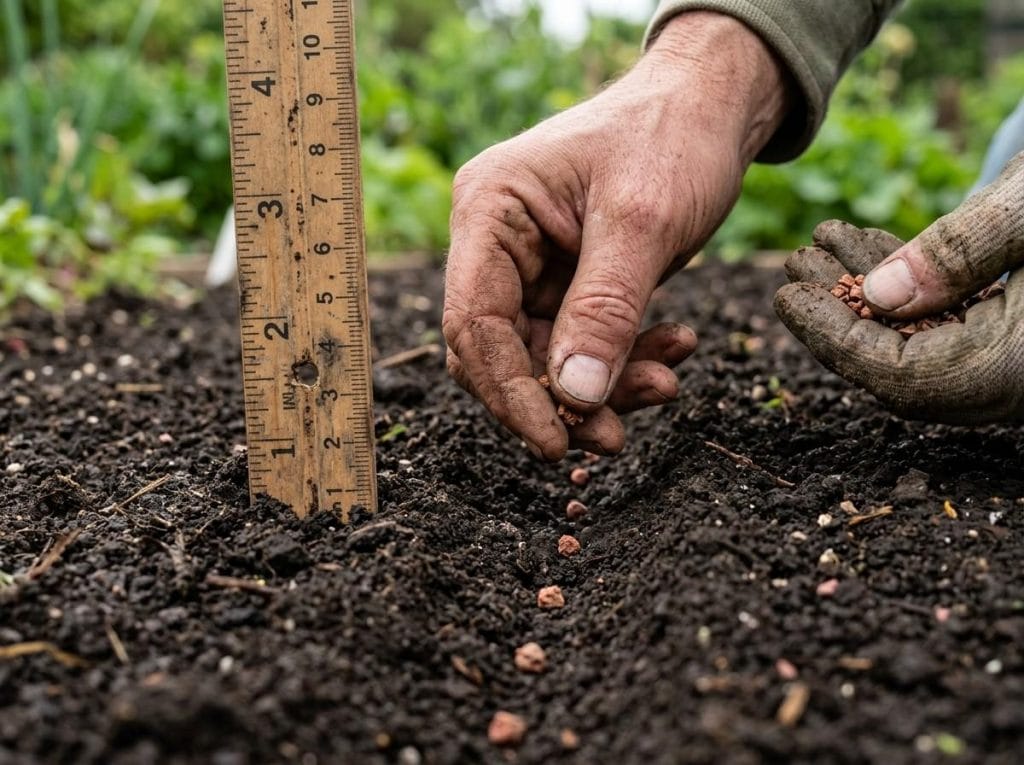
Beets are not heavy feeders, but they do need some nutrients. Over-fertilizing leads to leafy tops with small roots.
Check your soil test. If it’s low in potassium, add wood ash (sparingly) or a potassium-rich fertilizer.
Red beets do best in full sun—at least 6 hours per day. They can tolerate partial shade, but root size and sweetness will be less.
Optimal growing temperatures are 50–75°F (10–24°C). High heat can cause bolting (premature flowering) and woody roots. In hot climates, provide afternoon shade or use floating row covers.
Beets are frost-tolerant. Young plants survive light frosts, and mature roots can handle a light freeze. In fact, cool nights improve sugar content.
Weeds compete with beets for nutrients and space, especially when seedlings are small. Hand-pulling is safest near young beets, as hoeing can damage shallow roots.
Mulching with straw, shredded leaves, or grass clippings helps suppress weeds and maintain soil moisture. Apply mulch after seedlings are established.
Red beets are relatively easy to grow, but several pests and diseases can cause problems.
Floating row covers can prevent both pest and disease problems by keeping insects away from young plants.
Proper spacing is key for large, sweet roots. Thin seedlings when they are 2–3 inches tall, leaving the strongest plant every 3–4 inches. In crowded rows, roots stay small and may be misshapen.
Don’t waste the thinnings—beet greens are delicious and full of nutrients.
If you want beets all season, don’t plant all your seeds at once. Instead, sow a new row every 2–3 weeks until midsummer. This “succession planting” ensures a steady supply of tender roots and greens.
Knowing when to harvest is key for flavor and texture. Beets are ready when roots are 1.5 to 3 inches across—about the size of a golf ball to a tennis ball. Larger roots can become woody, especially in hot weather.
A non-obvious insight: small, young beets (baby beets) are extra sweet and tender.
Fresh beets can be stored for weeks or months with the right technique.
For longer-term storage, beets can be pickled, canned, or frozen.
Here’s how different storage methods affect shelf life:
| Storage Method | Approximate Shelf Life | Notes |
|---|---|---|
| Refrigerator (unwashed) | 2–4 weeks | Best for fresh use |
| Root cellar | 2–5 months | High humidity needed |
| Pickled | 1 year | Flavor changes over time |
| Frozen (cooked) | 8–12 months | Texture may soften |
Don’t throw away the tops! Beet greens are rich in vitamins A and K, iron, and magnesium. Use young leaves in salads, or cook larger leaves like spinach. Fresh beet greens are often more nutritious than the roots themselves.
If you want to save seeds, let some plants grow into their second year. Red beets are wind-pollinated, so keep different beet varieties apart by at least 1 mile to avoid cross-pollination. Harvest seed heads when dry, then store seeds in a cool, dry place.
Even experienced gardeners run into issues. Here’s a quick reference to help solve common beet problems:
| Symptom | Possible Cause | Solution |
|---|---|---|
| Small roots, big leaves | Too much nitrogen | Use balanced fertilizer, avoid fresh manure |
| Uneven germination | Soil too dry or crusted | Keep soil moist, break crust gently |
| White trails in leaves | Leaf miners | Remove affected leaves, use row covers |
| Roots cracking | Irregular watering | Water consistently |
| Woody roots | Harvested too late or hot weather | Harvest at 1.5–3 inches, plant in cool season |
Two things many beginners overlook: first, beet seeds are slow to germinate in cold, wet soil—so patience and good soil prep matter. Second, consistent thinning is essential for full-sized, sweet roots.
Red beets are famous for their betalain pigments, which give them their deep color and act as antioxidants. They’re also high in folate, manganese, potassium, and dietary fiber. Eating beets may help support heart health and lower blood pressure, according to research from the National Institutes of Health.
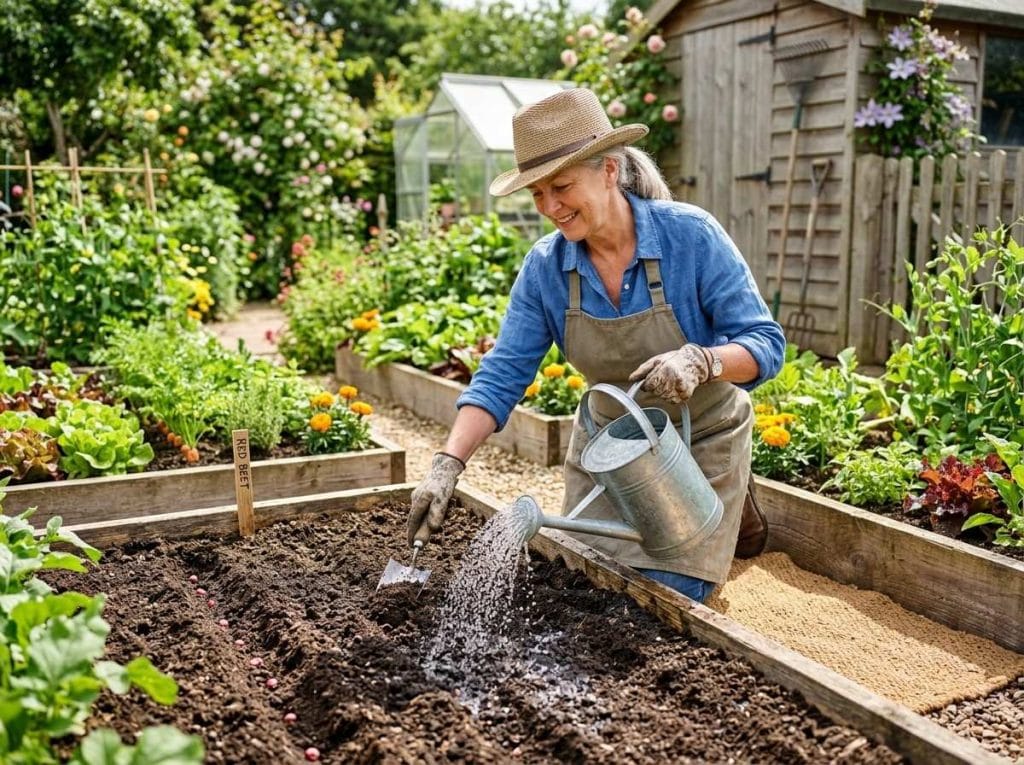
Most red beet varieties take 50–65 days from sowing to harvest. Baby beets can be picked earlier, while larger roots need more time. Always check your seed packet for the specific days to maturity.
Yes! Use containers at least 12 inches deep. Fill with loose, fertile potting mix. Water consistently and thin seedlings as you would in the ground. Container beets often mature faster due to warmer soil.
Common reasons are compacted soil, not enough thinning, or too much nitrogen. Make sure your soil is loose and well-drained, and space plants properly.
Absolutely. Beet greens are delicious raw in salads or cooked like spinach. Harvest young leaves for the best flavor and texture.
In most climates, red beets are grown in spring and fall. In regions with mild winters, you can sow in late fall for a winter or early spring harvest. In hot climates, beets may bolt or develop woody roots in summer.
Growing red beets is a satisfying project that brings health and color to your table. With the right variety, soil, and care, you can enjoy sweet, earthy roots and tender greens for months. Whether you’re a first-time gardener or looking to perfect your beet crop, these steps will set you up for success.
Happy planting!